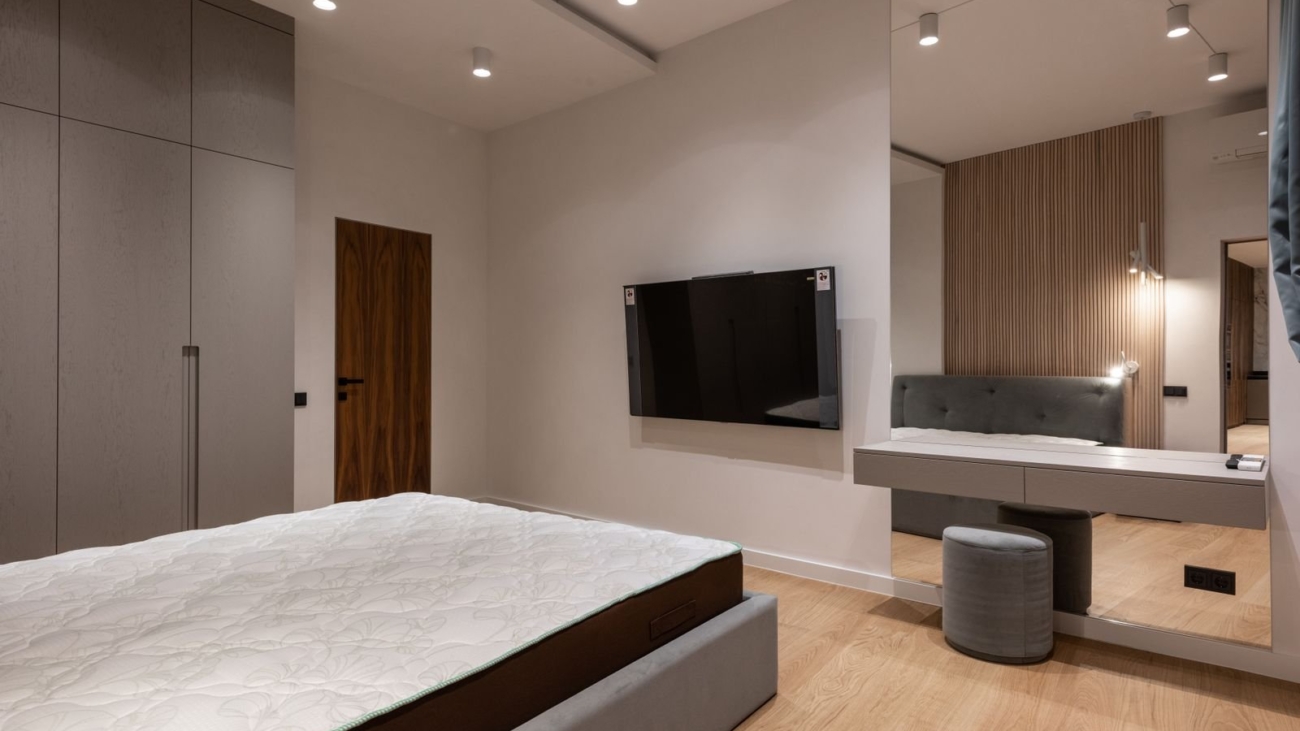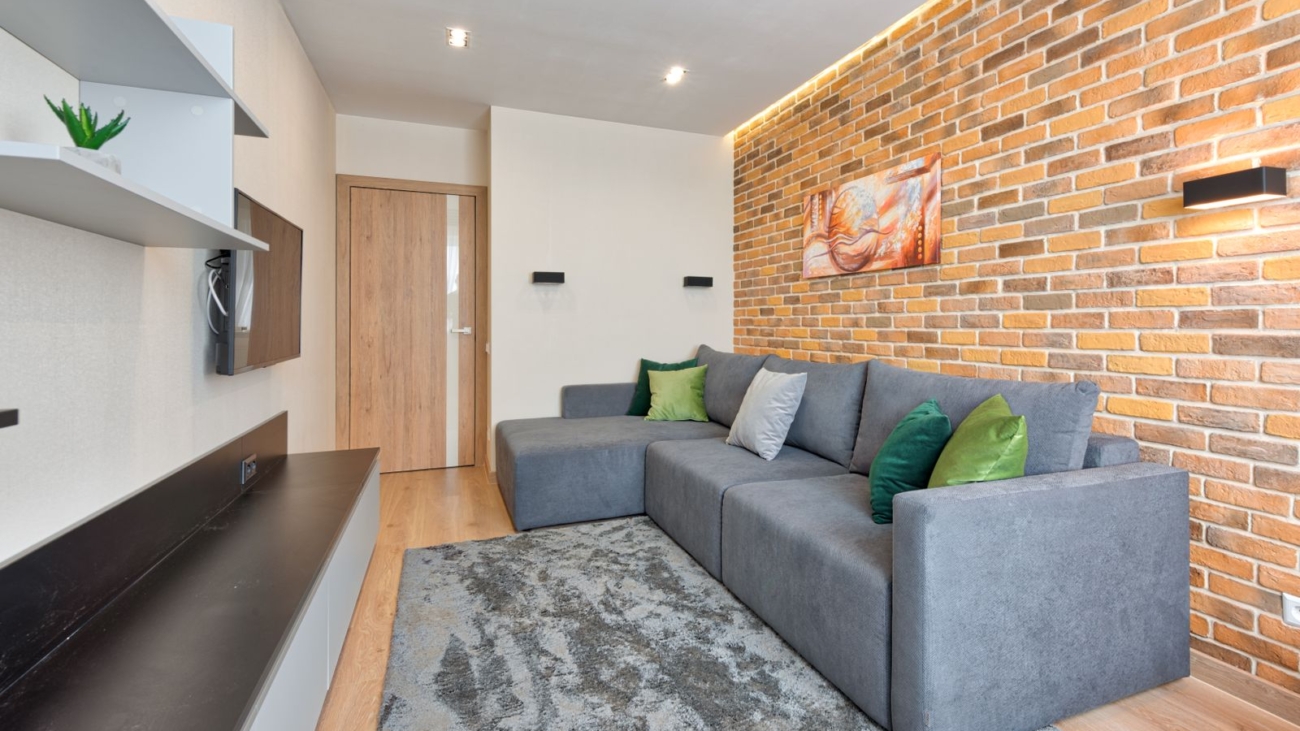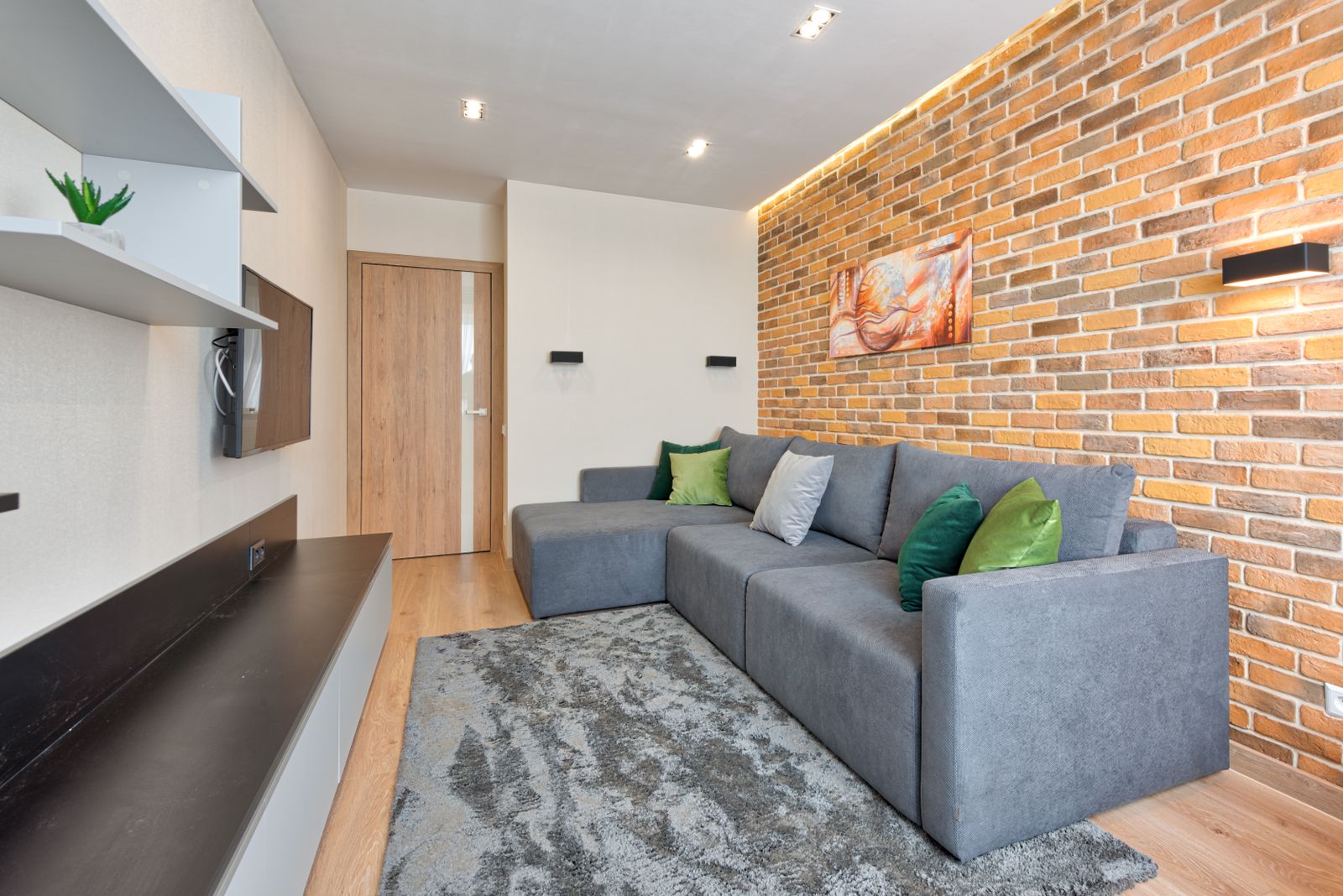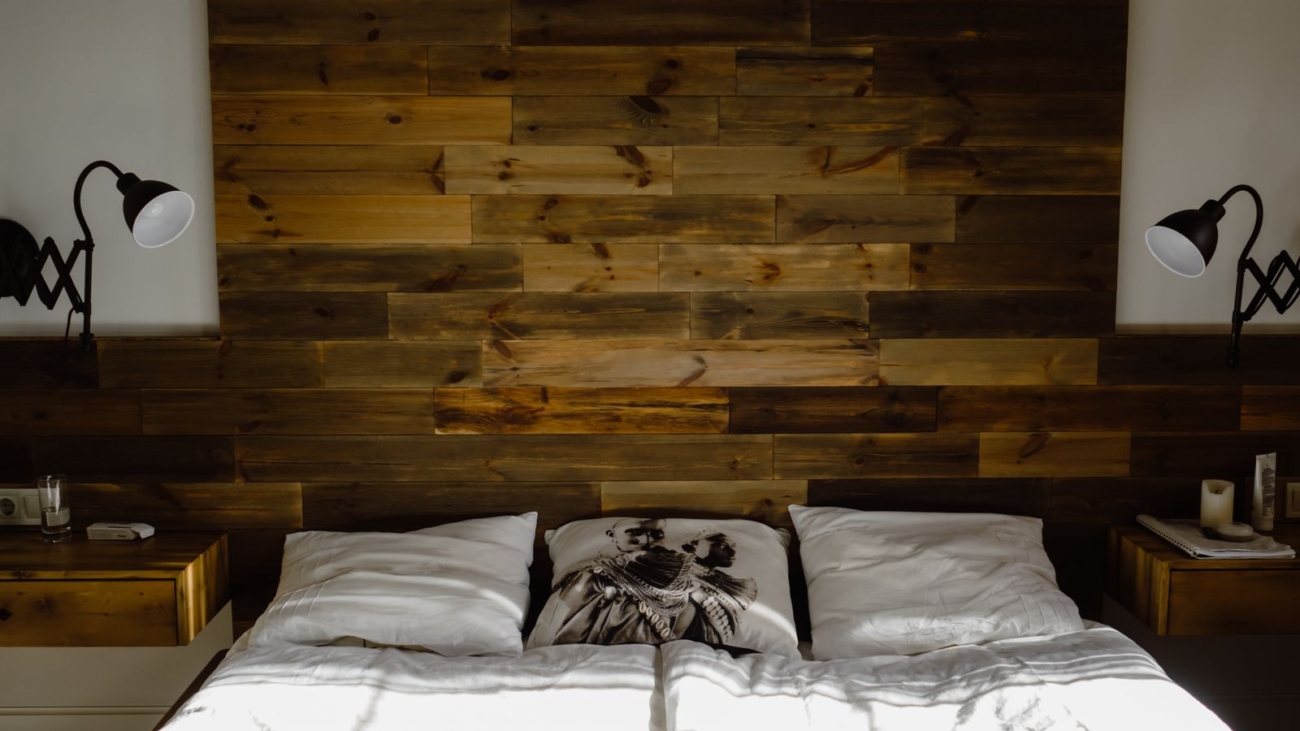
Master bedroom design ideas in JP Nagar 2026 featured hero with warm white walls fluted headboard and cove lighting by myNivasa

Master Bedroom Design Ideas in JP Nagar 2026

About myNivasa. myNivasa is a Bengaluru-based holistic home construction and interior design brand. We help families plan, design and build modern homes with end-to-end turnkey services. Sharing practical knowledge on home planning, vastu, materials, modular kitchens, interior design and renovation. We work across Bengaluru, with a focused execution capability in south Bengaluru locality clusters including JP Nagar, Bannerghatta Road, Banashankari, Kanakapura Road and the Outer Ring Road belt.

Updated: 14 May 2026  |  Author: Team myNivasa  |  Reviewed by senior project leads, JP Nagar zone.

Master Bedroom Design Ideas in JP Nagar 2026: A Real, Practical Guide for Families

Table of Contents
Master bedroom design ideas in JP Nagar 2026 featured hero with warm white walls fluted headboard and cove lighting by myNivasa

Looking for master bedroom design ideas in JP Nagar that go beyond inspiration boards and actually fit a Bengaluru apartment or independent house. This guide covers layout planning, wardrobe configurations, color and finish choices, lighting plans, vastu considerations, and family-specific adaptations. The recommendations reflect what our project teams have observed in JP Nagar Phase 1 to Phase 9 homes in 2025 and early 2026, including older builder-floor apartments and newer Sobha, Brigade, Mantri and Salarpuria towers.

Quick Takeaways

  1. JP Nagar master bedrooms typically range from 120 sqft (older 2BHK apartments) to 220 sqft (newer 3BHK and independent houses); plan the layout around the actual room depth before picking furniture.
  2. Wall-to-wall floor-to-ceiling sliding wardrobes are the most reported request in 2026, observed by us across builder apartments where ceiling height is around 9.5 feet to 10 feet.
  3. Material budgets in JP Nagar master bedrooms commonly range from Rs 1.4 lakh (essentials only) to Rs 4.8 lakh (full design with wardrobe, false ceiling, lighting, paint, blinds, bed and side units).
  4. Traditional vastu principles, especially bed placement and head direction, remain a strong preference among JP Nagar homeowners; we plan around these without over-claiming benefits.
  5. Lighting plans now typically use 3 layers (ambient, task, accent) instead of a single ceiling light; this is the easiest upgrade to add depth and a calmer evening feel.
  6. Color choices in 2026 lean towards muted, layered palettes: warm whites, soft beiges, dusty greens, terracotta tones, with one feature wall for character.

A Quick Voice Friendly Answer

For homeowners asking how to design a master bedroom in JP Nagar in 2026, the practical answer is: start with the room shape (rectangular versus near-square), lock the wardrobe wall first (usually the longest wall opposite the bed), fix the bed orientation per the family's vastu preference, then layer the lighting (3 layers), and only at the end pick paint and decor. Material budgets typically sit between Rs 1.4 lakh and Rs 4.8 lakh, with execution timelines of 25 to 40 working days for an apartment master bedroom under a turnkey contract.

Master Bedroom Style Tiers for JP Nagar in 2026

Most JP Nagar master bedroom projects we plan in 2026 fall into one of three style tiers. The tier sets the material grade, the wardrobe finish, the lighting density, and the typical budget band. The table below reflects observed costs from JP Nagar Phase 4 to Phase 8 apartment projects between October 2025 and April 2026. Costs are indicative and depend on actual room area, ceiling height, and the family's brand preferences.

Master bedroom design ideas in JP Nagar 2026 style tier infographic showing Essential Comfort and Signature budgets
Style TierTypical LookWardrobe FinishLighting LayersIndicative Budget (Material + Labour)myNivasa Recommendation
EssentialClean lines, neutral paint, simple wardrobe, single feature wallLaminate, edge banding, push-to-open2 layers (ambient + task)Rs 1.40 to 2.20 lakhGood fit for first home or rental-friendly upgrades; protects resale value.
ComfortLayered textures, warm wood tones, accent headboard, soft blindsAcrylic + laminate mix, soft-close drawers3 layers (ambient + task + accent)Rs 2.20 to 3.60 lakhMost JP Nagar families settle here; best balance of look, function, and 10-year durability.
SignatureVeneer accents, fluted panels, statement ceiling, integrated dressing unitVeneer + PU, dressing unit with mirror3 to 4 layers (cove, ambient, task, accent)Rs 3.60 to 4.80 lakhSuited for owners planning to stay 10+ years and wanting a hotel-suite character at home.

Costs above assume a 130 to 180 sqft master bedroom with a standard rectangular layout, 9.5 to 10 feet ceiling, and one wall reserved for wardrobe. Add Rs 25,000 to Rs 60,000 for a study nook or larger bay window seating. Add Rs 35,000 to Rs 75,000 if an existing false ceiling has to be dismantled.

In our JP Nagar projects in 2025, families who locked the wardrobe wall and bed direction first, then finalized paint and decor at the end, reported 30 to 40 percent fewer change requests during execution. Decisions made in the right order save both money and weeks of revision time.

Why JP Nagar Master Bedrooms Need a Different Approach

JP Nagar is one of the older, more settled parts of south Bengaluru. The locality runs from Phase 1 (closer to Banashankari) all the way to Phase 9 (towards Konanakunte and Kanakapura Road). The housing stock is unusually mixed. You will find 1980s and 1990s independent houses, 2000s builder-floor apartments, 2010s mid-rise apartments by Sobha, Brigade, Mantri and Salarpuria, and post-2020 premium towers near the Outer Ring Road belt. This mix means there is no single floor plan template to design against.

In older JP Nagar Phase 1 to Phase 3 builder apartments, master bedrooms tend to be on the smaller side, typically 110 to 140 sqft, with windows on one wall and an attached toilet on another. The bed wall is often a constraint because windows or wardrobes from the original layout sit on the long wall. The challenge here is to plan storage without choking the room.

In mid-tier apartments in Phase 4, Phase 5 and Phase 7, master bedrooms commonly fall in the 140 to 180 sqft band, with cleaner rectangular shapes. These rooms allow a wall-to-wall wardrobe on one full wall, a queen or king bed centered on the opposite wall, and a side accent like a bay window seating or a small reading corner.

In newer Phase 8 and Phase 9 towers, and in projects along Bannerghatta Road feeder lanes, master bedrooms can stretch to 190 to 230 sqft. These rooms allow a walk-in wardrobe option, a dressing zone, and even a private balcony connected to the bedroom. The challenge here flips: too much space without a plan can feel hollow rather than restful.

Across all these clusters, JP Nagar families share a few common requests. They want practical storage that survives daily use for 10 years. They want enough natural light during the day, especially since most master bedrooms have at least one window facing the inner courtyard or the road. They prefer a calm, slightly traditional finish, often with one feature wall and a layered ceiling rather than a flat slab. And in nearly every project we plan, vastu placement of the bed is discussed at length before the layout is finalized.

What Makes JP Nagar Different as a Locality

JP Nagar sits in the south-east quadrant of Bengaluru, sandwiched between Banashankari, Jayanagar, BTM Layout, and the newer Kanakapura Road belt. The Outer Ring Road cuts across the southern edge of the locality, giving fast access to Electronic City, Bommanahalli, and Sarjapur Road. The Bannerghatta Road feeder lane on the eastern edge connects to Jayadeva Hospital, Bilekahalli, and IIM Bangalore. To the west, Kanakapura Road runs through Konanakunte Cross and Vasanthapura, opening into newer apartment clusters in Phase 8 and Phase 9.

The locality has matured over four decades. JP Nagar Phase 1 dates back to the early 1980s, with mostly independent houses and older builder floors. Phase 4, Phase 5, and Phase 6 were developed in the 1990s and 2000s, with a mix of 2BHK and 3BHK apartments. Phase 7, Phase 8, and Phase 9 saw the bigger Sobha, Brigade, Mantri, and Salarpuria developments through the 2010s. The Outer Ring Road belt added newer premium high-rises between 2018 and 2024.

This staggered development creates a layered customer base. Established families who have owned a JP Nagar Phase 4 apartment for 15 to 20 years are now renovating the master bedroom for the next decade. Younger couples are moving into newer Phase 8 towers and planning their first master bedroom interior. Senior parents in independent houses on JP Nagar 24th Main or 9th Block are adapting older bedrooms for easier daily use. The same locality therefore needs four or five different master bedroom design approaches, not one.

Local landmarks shape daily routines and influence design choices. Sarakki Lake on the eastern edge and Puttenahalli Lake on the south are quieter walking zones, often visible from west-facing or south-facing master bedrooms in higher floors of Phase 6 and Phase 7. The Jayadeva metro station and Konanakunte Cross station on the green line have reshaped commute patterns; many families now prefer slightly smaller but better-organized master bedrooms in apartments closer to metro, rather than larger rooms farther away. Daily access to Madivala market, Banashankari shopping clusters, and the BDA complex on Outer Ring Road influences storage planning, especially in wardrobes and under-bed units.

Microclimate matters too. JP Nagar sits at an elevation of roughly 900 metres, with comfortable temperatures most of the year. South-west and west-facing master bedrooms can warm up in the late afternoons between February and May, which influences blind and curtain choices. North-facing and east-facing bedrooms stay cooler but receive less direct light, which influences ambient lighting density. We adjust the design plan based on the actual orientation of each apartment, observed on a site visit before the wardrobe wall is fixed.

Master Bedroom Layout Options for JP Nagar Apartments

Before any wardrobe or color decision, the layout of the master bedroom must be locked. A wrong wardrobe wall can mean an awkward bed position for the next 10 years. The four most reported JP Nagar layouts are described below, with the trade-offs we have observed in actual project execution.

Master bedroom design ideas in JP Nagar 2026 layout comparison standard rectangular versus L-shaped wardrobe

Layout 1: Standard Rectangular with Wall-to-Wall Wardrobe

This is the most common layout we plan in JP Nagar 2BHK and 3BHK apartments. The longest wall is reserved for a wall-to-wall, floor-to-ceiling wardrobe. The bed sits centered on the opposite wall. Side tables flank the bed. A single dresser or bench sits at the foot of the bed if space allows. This layout works well in rooms from 130 to 170 sqft. It maximizes storage without crowding the bed.

Layout 2: L-shaped Wardrobe with Dressing Corner

When the master bedroom is closer to square (15 ft by 13 ft or similar), an L-shaped wardrobe along two adjacent walls works better than a single long wall. One arm holds the hanging units; the other arm holds shelves, drawers, and a built-in dressing top with a mirror. This is a popular choice in newer Sobha and Brigade towers in JP Nagar Phase 7 and Phase 8.

Layout 3: Walk-in Wardrobe Behind the Bed Wall

For master bedrooms above 190 sqft, a small walk-in wardrobe behind the headboard wall is becoming a frequent request in 2026. The walk-in zone is roughly 5 ft by 7 ft, with double-hanging on one side, full-height storage on the other, and a vanity at the end. The sleeping zone remains uncluttered, and the dressing function moves out of the main bedroom space. This is best suited for owners who plan to stay 10 years or more.

Layout 4: Bay Window with Reading Nook

Several Brigade Petunia, Mantri Espana and Sobha Magnificia apartments in JP Nagar have bay windows in the master bedroom. We typically convert these into a low platform with cushioned seating, hidden drawer storage below, and warm lighting above. This creates a quiet reading corner without sacrificing wardrobe space elsewhere in the room.

LayoutRoom Size SuitedStorage CapacityBest Family TypemyNivasa Recommendation
Standard Rectangular130 to 170 sqftHighCouples, small familiesDefault choice in JP Nagar apartments; lowest risk, best resale value.
L-shaped Wardrobe140 to 180 sqft (near-square)HighCouples with frequent guests or relatives staying overUseful when one wall has a window; the L absorbs the corner.
Walk-in Wardrobe190 sqft and aboveVery HighEstablished families, long-term ownersPremium feel; budget for Rs 1.0 to 1.5 lakh extra over standard wall wardrobe.
Bay Window Reading NookAny size with bay windowModerate (supplementary)Readers, hybrid work-from-home usersAdds character without cost-heavy wardrobe rework.

Wardrobe Design for JP Nagar Master Bedrooms

The wardrobe is the largest single piece of carpentry in any master bedroom. It also drives the cost and the visual character of the room more than any other element. In JP Nagar 2026 projects, we plan wardrobe systems around four decisions: shutter type, internal layout, finish, and hardware grade. Each of these decisions affects daily usability for the next 10 years.

Shutter Type: Sliding vs Hinged

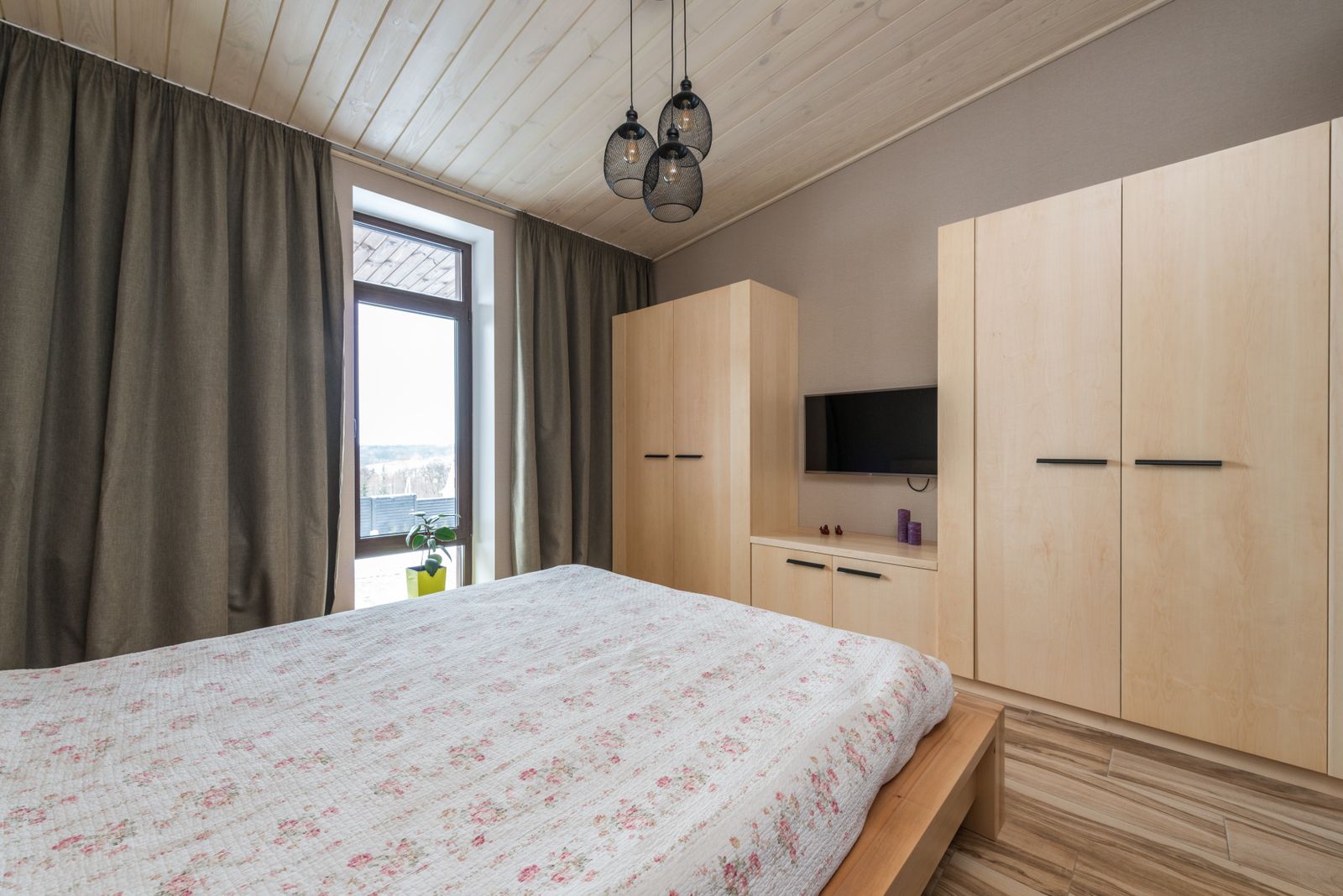
In older JP Nagar Phase 1 to Phase 4 apartments where ceiling heights are 9.0 to 9.5 feet, sliding wardrobes are the practical default. They do not need swing clearance in front, which matters when the bed is close to the wardrobe wall. In newer Phase 7 to Phase 9 towers with 10 to 11 feet ceilings, hinged wardrobes with full-height shutters look more elegant but need at least 24 inches of clearance for the shutter to open. We recommend sliding when the floor plan is tight, hinged when the room allows full clearance and a more traditional look is preferred.

Internal Layout: The Real Daily Usability Driver

A wardrobe that looks beautiful from outside but is poorly planned inside is the most common regret families report after one year of use. A good JP Nagar master bedroom wardrobe typically has the following zones: a long-hanging bay for sarees and gowns, a double-hanging stack for shirts and trousers, three to four pull-out drawers for innerwear and accessories, a shelf bay for folded clothes, and an upper loft for luggage and seasonal storage. Drawer slides should be soft-close. Internal lights should switch on automatically when a shutter opens.

Finish Choices

In 2026, JP Nagar wardrobe finishes lean towards layered, calm surfaces rather than glossy bright colors. Matte laminate in warm wood tones, fluted panels in linen white, soft-touch acrylic in muted greens or beiges, and veneer accents in the Signature tier are the most asked finishes. Mirror panels are now smaller, used as a strip rather than a full shutter, often integrated near the dressing zone.

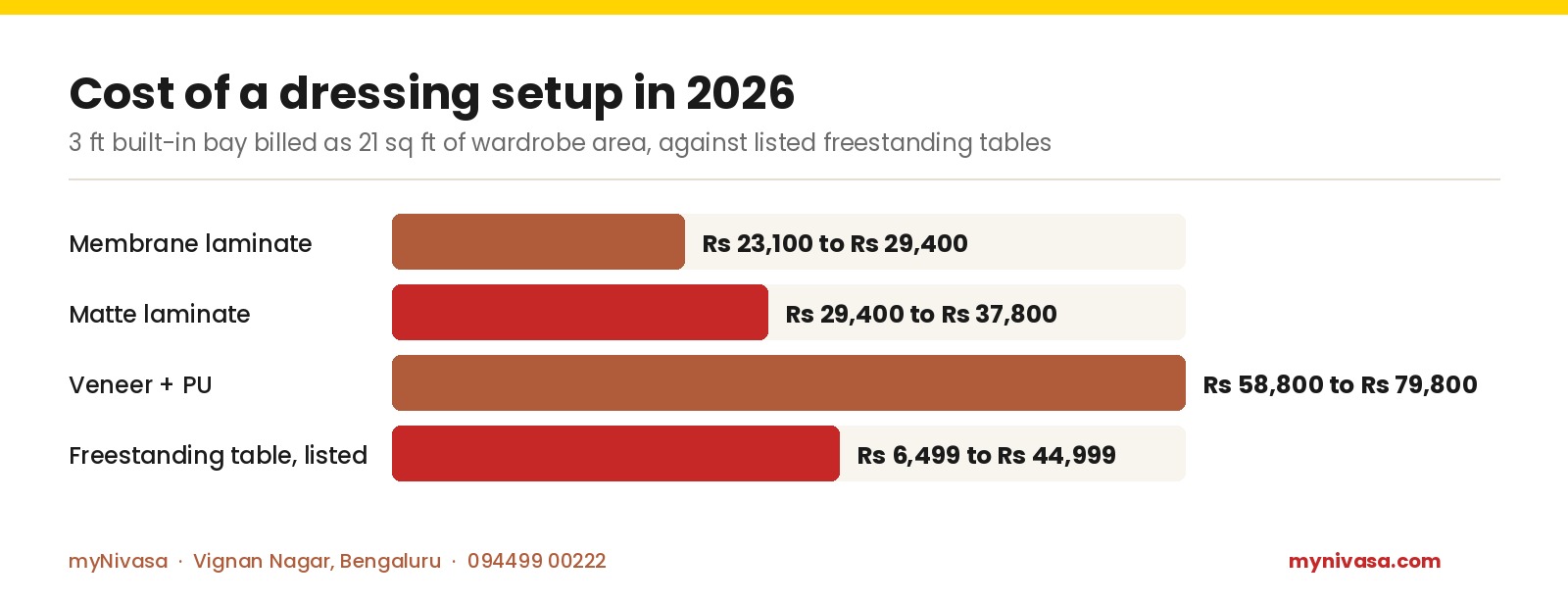
Wardrobe FinishTypical Cost per SqftLook10-Year DurabilitymyNivasa Recommendation
Membrane laminateRs 1,100 to 1,400Solid color, cleanGoodEssential tier; good for rentals or first homes.
Matte laminateRs 1,400 to 1,800Premium feel, low maintenanceVery goodComfort tier; most popular 2026 choice in JP Nagar.
Acrylic (high-gloss)Rs 1,800 to 2,400Bright, light-reflectingGood but shows scratchesUse only on upper bays, not on heavy-use lower shutters.
PU paintRs 2,200 to 2,800Smooth, hotel-gradeExcellent if touched up every 4 yearsSignature tier only; budget the touch-up cycle.
Veneer + PURs 2,800 to 3,800Natural grain, hotel suite feelExcellentReserve for accent areas like dressing wall, not full wardrobe.

Hardware Grade: The Often Skipped Detail

Hardware is where corners are most often cut by budget vendors, and it shows up as a complaint within 18 months. We strongly recommend branded hardware: Hettich, Hafele, or Ebco for drawer slides, hinges, and sliding tracks. The cost addition over generic hardware is roughly Rs 8,000 to Rs 14,000 for a full wardrobe, which works out to less than 5 percent of total wardrobe cost. Over a 10-year life, this is the single best return on a small line item.

Color Schemes That Work in JP Nagar Master Bedrooms

Color in the master bedroom is a long term commitment. Repainting an occupied bedroom is a 4 to 6 day disruption every time, so the choice should hold up for at least 4 to 5 years without feeling dated. The 2026 color direction in JP Nagar master bedrooms is firmly towards muted, layered palettes rather than bright accent colors.

Palette 1: Warm White and Wood

This is the most flexible and most often recommended palette in JP Nagar 2026 projects. Walls in a warm white shade such as Asian Paints Lily White, Berger Ivory Cream, or Dulux Magnolia. Wardrobe in matte wood tone. Curtains in dusty cream. Bedding in soft taupe or off-white. The palette feels cozy without being heavy, and it suits both north-facing and south-facing rooms.

Palette 2: Sage Green and Linen

Sage and dusty green tones gained strong traction through 2025 and remain a popular 2026 choice. The wall behind the bed is painted in a muted sage tone such as Asian Paints Sage Green or Royale Aspira Soft Sage. The other walls stay in linen white. Wardrobe finish is matte laminate in a complementary muted tone. The room feels fresh and unhurried.

Palette 3: Terracotta and Off-White

Terracotta tones are gaining ground in 2026, especially for couples who want a warmer, slightly traditional feel. The feature wall is painted in a soft terracotta such as Dulux Spiced Honey or Asian Paints Terra Bloom. Bedding moves to cream and rust accents. The wardrobe stays in light wood or off-white. The palette feels grounded and works well in evening light.

Palette 4: Charcoal Accent on Warm Beige

For couples with a more contemporary preference, a charcoal accent on a warm beige base works well. Three walls stay in soft beige (Berger Almond Cream or similar). The headboard wall is in charcoal grey paint or fluted charcoal panels. Bedding stays light. The wardrobe is in matte off-white. This palette photographs well and suits Signature tier projects.

PaletteBest Suited ForLight Direction10-Year TimelessnessmyNivasa Recommendation
Warm White and WoodAny orientation, any age groupNorth or South facingExcellentSafest default; never feels dated.
Sage Green and LinenCouples in their thirties, young familiesEast or South facingVery goodAdds character without commitment to a bright color.
Terracotta and Off-WhiteTraditional aesthetics, evening usersSouth or West facingGoodMatch terracotta to the warmth of evening light.
Charcoal on Warm BeigeContemporary preference, premium tierEast or North facing (avoid dark rooms)GoodUse charcoal only on one feature wall, never two.

Color names are indicative shade families. Final shade should be sampled on a 2 ft by 2 ft patch on the actual wall and viewed in both morning and evening light before final purchase. This sampling step costs nothing extra and prevents the most common color regrets.

Lighting Plans for Master Bedrooms

Lighting is the second-largest character driver in a master bedroom, after the wardrobe. In JP Nagar 2026 projects, the shift from a single ceiling tube light to a layered 3-tier plan is the most consistent upgrade families request. A good lighting plan typically uses three layers, sometimes four, each serving a separate purpose.

Layer 1: Ambient Light

Ambient lighting is the base layer that fills the room evenly. In 2026 JP Nagar master bedrooms, ambient lighting is usually delivered through a peripheral cove in the false ceiling, with warm white LED strip (3000K to 3500K). The cove gives a gentle wash on the ceiling and avoids harsh downward glare. For families who do not want a false ceiling, a flush surface luminaire in the centre with a wide diffuser works as the alternative ambient source.

Layer 2: Task Light

Task lighting is focused light for specific activities: reading in bed, dressing in front of a mirror, writing at a small desk. The most common task fixtures in 2026 are bedside wall-mounted swing arm lamps with adjustable head, recessed lights inside the wardrobe that come on with shutter movement, and vertical sconces flanking a dressing mirror. The wattage should be moderate; the role is to focus light on a small zone, not to flood the room.

Layer 3: Accent Light

Accent lighting is the layer that gives the room its character in the evening. This is typically a wall light over a piece of art, a slim LED strip behind a fluted headboard panel, or a small wash light under a floating side console. Accent lights are usually on a dimmer and on a separate switch from the ambient layer, so the evening mood can be set without having all the lights on.

Layer 4 (Optional): Decorative Light

In Signature tier projects, families often add a fourth decorative layer, typically a pendant or a chandelier centered above the bed. This is a styling choice rather than a functional one. We recommend keeping the decorative fixture small and low in lumen output, so that it adds character without dominating the room.

Lighting LayerTypical FixtureIndicative Cost (Material)Wattage GuidelinemyNivasa Recommendation
Ambient (Cove)Warm white LED strip, 8W per running ftRs 14,000 to 22,0003000K to 3500KDefault for any tier above Essential.
Ambient (Flush)Surface luminaire with diffuserRs 3,500 to 6,50018W to 24WUse if false ceiling is not in scope.
Task (Bedside)Wall-mounted swing arm lampRs 2,500 to 5,500 per side5W to 7W LEDSymmetric pair on either side of bed.
Task (Wardrobe)Recessed LED with shutter sensorRs 1,800 to 3,200 per bay4W to 6W per bayPays for itself in daily usability.
Accent (Headboard)Slim LED strip behind fluted panelRs 4,500 to 7,5002700K dimmableSingle most effective evening upgrade.
Decorative (Pendant)Small ceiling pendant or chandelierRs 6,000 to 24,00015W to 25W totalOptional, Signature tier only.

Flooring, Wall, and Ceiling Choices

Most JP Nagar apartments come with vitrified tile flooring in master bedrooms as standard. Owners rarely tear up tile floors during interior projects because of cost and disruption. The interior plan therefore has to work around the existing flooring color and grain. A warm beige or cream tile floor pairs well with most 2026 palettes. A grey tile floor narrows the wall and wardrobe palette towards beige, taupe, and off-white tones to avoid the room reading too cold.

Wood-look laminate flooring overlays are an option in some Signature tier projects where the existing tile is in poor condition or the owners want a warmer underfoot feel. Laminate overlay adds around Rs 100 to Rs 160 per sqft and 3 to 4 days to the project schedule. Vinyl plank is a cheaper alternative at Rs 60 to Rs 110 per sqft. We do not recommend solid wood flooring for JP Nagar master bedrooms because of humidity swings and the disruption of replacing damaged planks later.

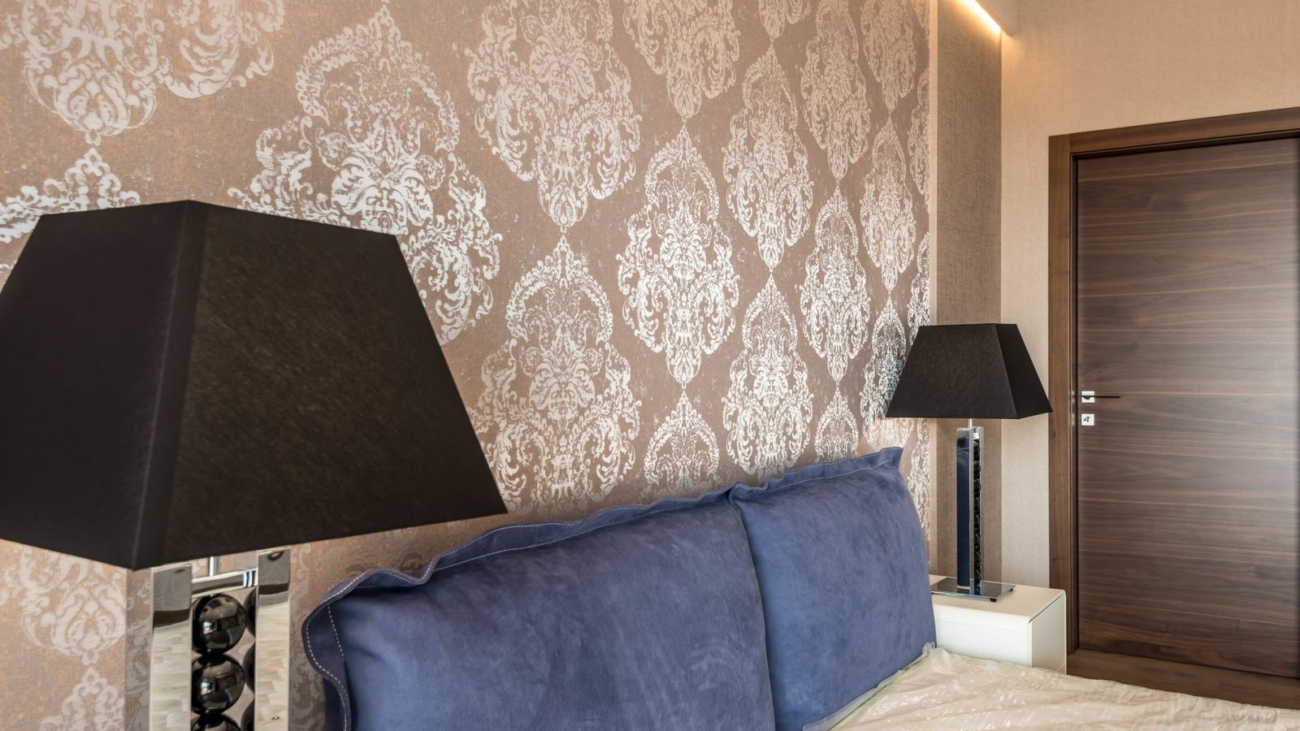
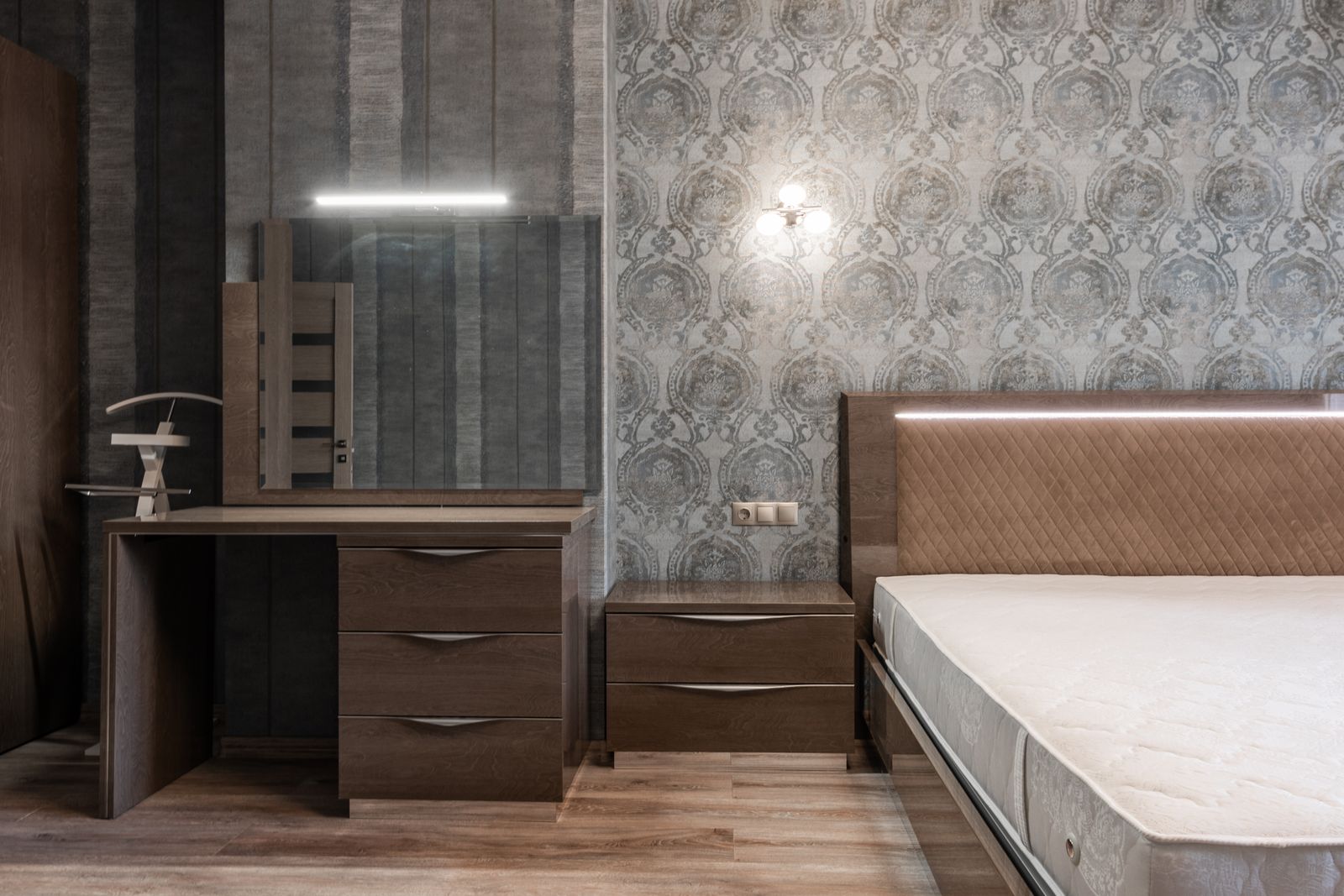
Walls in 2026 lean towards painted finishes with one feature wall in a textured material. The feature wall might be fluted MDF panels, slim vertical wood battens, hand-textured Italian finish, or a wallpaper panel. The feature wall is usually behind the bed because it is the visual anchor of the room.

Ceilings in JP Nagar master bedrooms are commonly designed with a peripheral cove (a step-down rectangle around the room edge) leaving the central ceiling flat. This gives space for the cove light strip without lowering the entire ceiling height. In rooms with 9 feet ceilings, a full false ceiling can make the room feel low; the peripheral cove avoids that compression while still giving the lighting layer.

SurfaceCommon 2026 ChoiceIndicative CostMaintenancemyNivasa Recommendation
Floor (existing tile)Keep as-is, work palette around itNilRoutine cleaningBest for most owners; avoid the tear-up cost.
Floor (laminate overlay)8mm AC4 wood-look laminateRs 100 to 160 per sqftAvoid water spillsWorth it only if existing tile is damaged.
Walls (paint)Premium emulsion, 2 coats over primerRs 32 to 48 per sqftTouch-up every 4 yearsAsian Paints Royale, Berger Silk, or Dulux Velvet Touch are observed favorites.
Feature wall (fluted MDF)15 mm fluted MDF, PU or veneerRs 580 to 950 per sqftDust weeklySingle feature wall behind bed is the safest bet.
Ceiling (peripheral cove)Gypsum cove with LED strip channelRs 110 to 160 per sqft (cove area)Periodic dustingAdds ambient light without compressing ceiling.

Window Treatments, Blinds, and Curtain Choices

Window treatments are usually the last major spend in a JP Nagar master bedroom project, and the one that gets the least planning attention. Done well, they improve afternoon light control, evening privacy, and the visual softness of the room. Done poorly, they show their flaws every single morning. In 2026, three options dominate JP Nagar master bedroom projects.

Option one is layered curtains with a sheer plus blackout combination. The sheer layer filters daytime light and gives privacy without darkening the room. The blackout layer pulls across for early mornings, afternoon naps, or family members on shift work. Rod placement is critical; we extend the rod 6 to 8 inches beyond the window on each side, so that the curtain stack does not block any window glass when drawn back. Curtain length should be floor-touching, not pooling, to keep the line clean.

Option two is Roman blinds in linen or cotton blend. Roman blinds give a tailored, slightly traditional look and work well in rooms that already have a busy headboard or wardrobe finish. They are best in west-facing rooms where afternoon glare needs to be cut without losing the entire view. Roman blinds are typically Rs 1,200 to Rs 2,400 per square foot of window area in JP Nagar 2026 pricing.

Option three is roller blinds with a side-tracked blackout. This is a clean, contemporary choice for newer Phase 8 and Phase 9 apartments. The side track stops the light bleed at the edges, which makes the room properly dark for sleep when needed. Roller blinds also work well behind curtains, giving full light control without compromising the soft fabric look of curtains during the day.

TreatmentLight ControlLookIndicative Cost (Window 5 ft x 5 ft)myNivasa Recommendation
Sheer + Blackout CurtainsExcellent (layered)Soft, traditional warmthRs 8,500 to 18,000Default choice in most JP Nagar projects.
Roman BlindsModerate to GoodTailored, slightly traditionalRs 12,000 to 24,000Best in west-facing rooms; pairs well with simple paint walls.
Roller Blinds (side-tracked)ExcellentContemporary, minimalRs 9,000 to 16,000Use with curtains for full light flexibility.
Honeycomb Cellular BlindsGood (some thermal insulation)Soft, layeredRs 14,000 to 26,000Helpful in west-facing rooms that warm up in afternoons.

Storage and Functional Adaptations

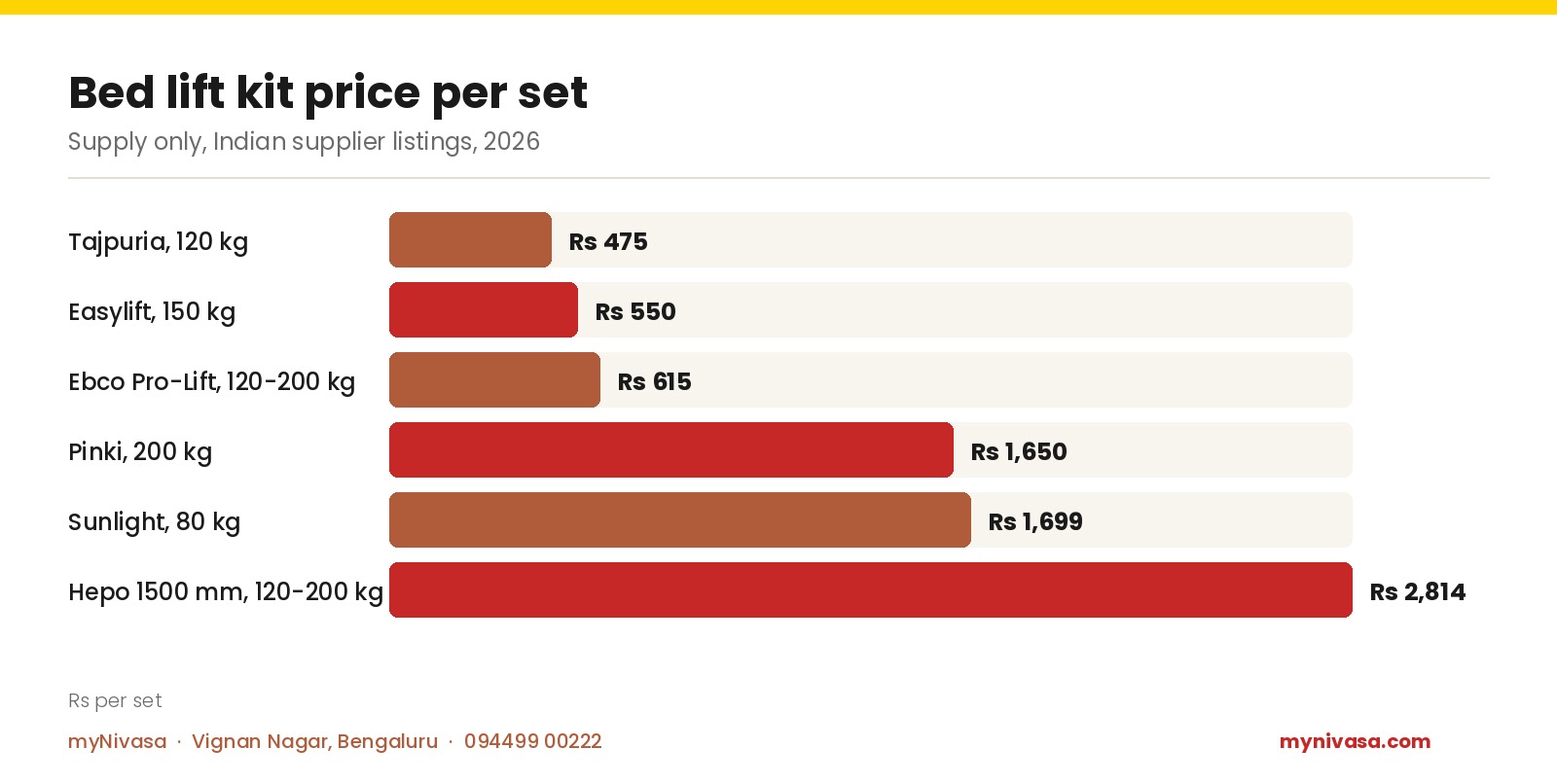
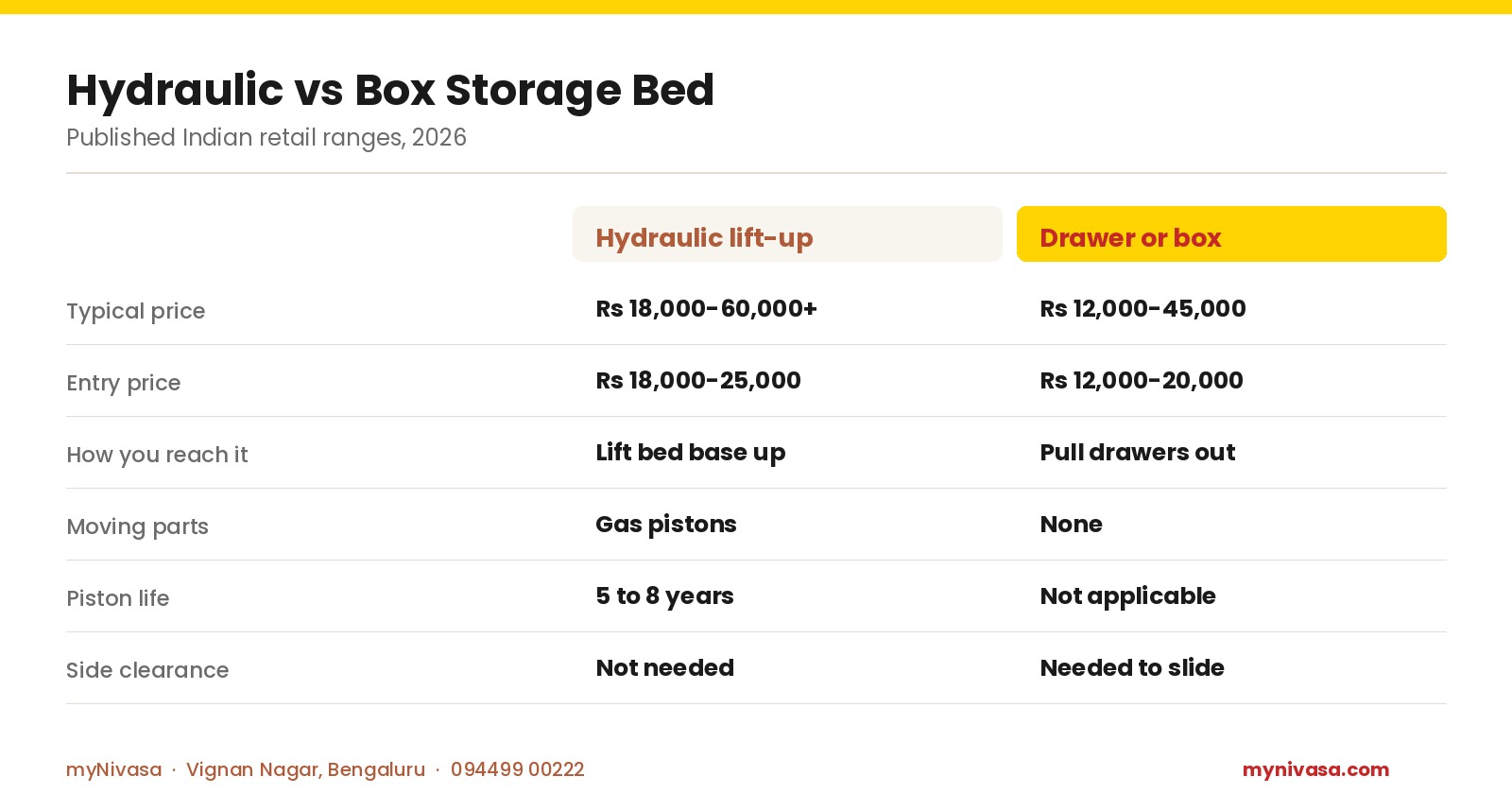
Beyond the main wardrobe, a JP Nagar master bedroom typically needs additional storage that goes unnoticed in renderings but matters daily. Hidden storage in the bed (a hydraulic-lift platform or side drawers) is the most common addition we plan in 2026. A 6 ft by 6 ft hydraulic storage bed adds roughly 40 cubic feet of cleanable storage, which is enough for spare bedding, off-season clothing, and luggage.

Bedside tables in 2026 are slimmer and often wall-mounted rather than free-standing. A 14 inch by 18 inch wall-mounted side console with a single drawer and a power outlet works well in tight rooms. It frees floor space, makes cleaning easier, and gives a cleaner visual line.

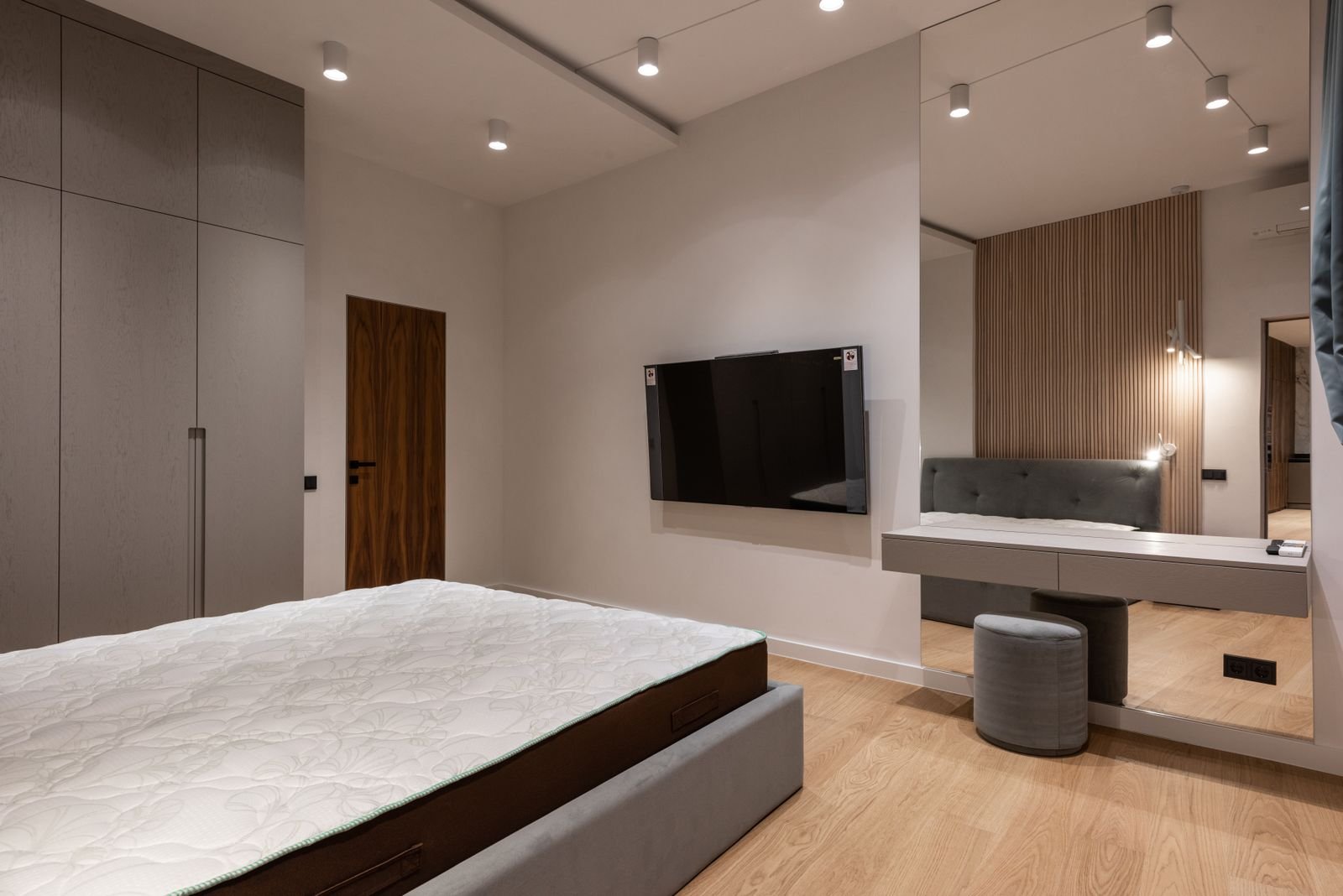
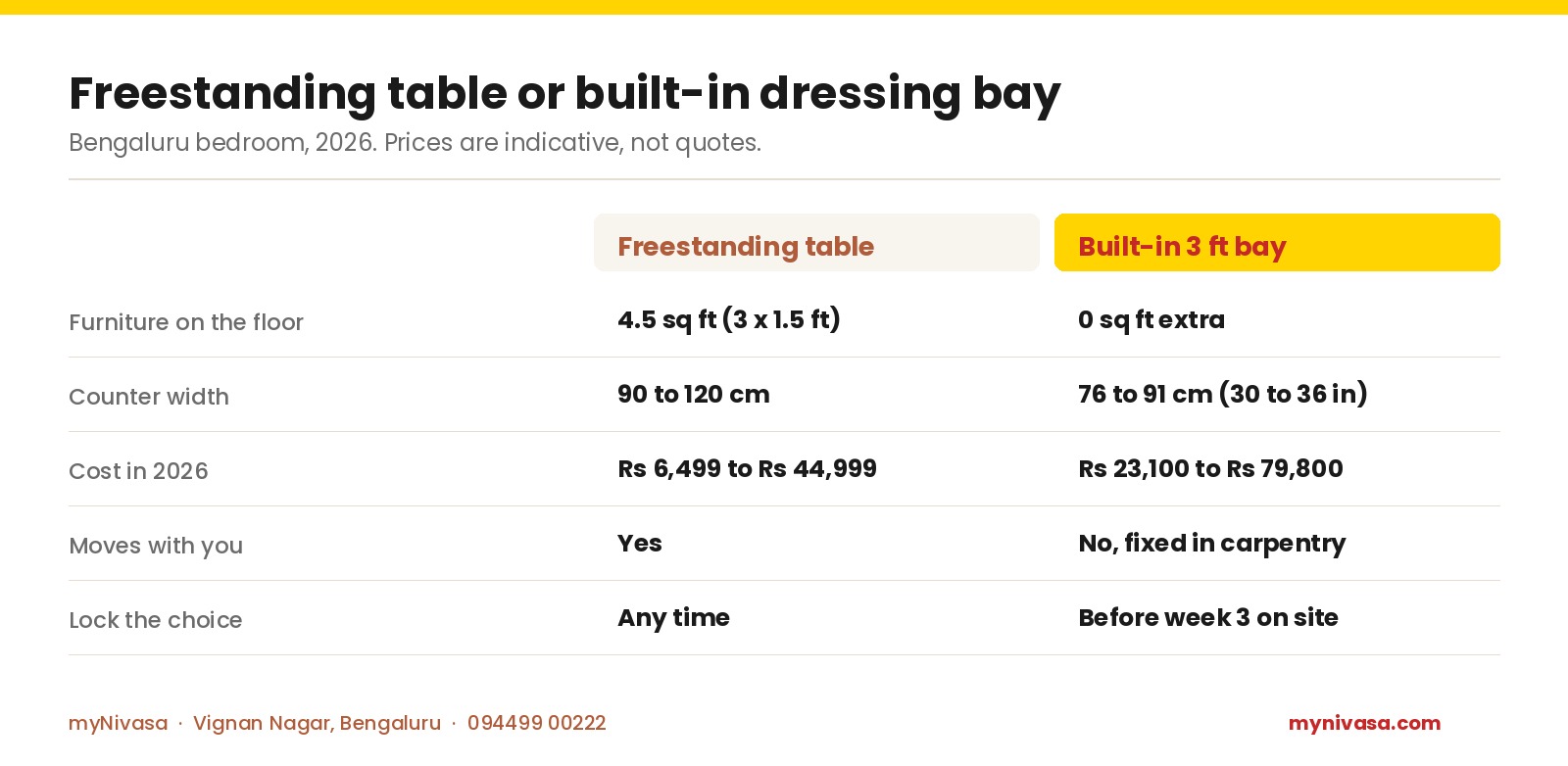
A small dressing zone is a common ask in projects where the room exceeds 160 sqft. The dressing zone is typically 30 to 36 inches of counter, a sit-down stool, a vertical mirror, and a soft sconce on each side. The counter top can extend the wardrobe finish for visual continuity.

In hybrid work-from-home cases, a compact study unit inside the master bedroom is occasionally requested. We caution against this because it tends to disturb sleep quality over time. Where the layout demands it, the study unit should sit behind a partition or a fluted screen, with a dedicated task light that turns off cleanly at the end of the work day.

Vastu Considerations for the Master Bedroom

Vastu remains an important design input for the majority of JP Nagar families. Our role at myNivasa is to plan layouts that respect the family's vastu preferences while ensuring the room remains functional. We follow widely-cited traditional principles, not new claims. Below are the most discussed master bedroom vastu points, drawn from traditional sources such as the Vastu Shastra texts and commonly referenced in Indian residential design practice.

Master Bedroom Direction

The traditional preference is to place the master bedroom in the south-west (SW) zone of the home. In JP Nagar apartments where the home orientation cannot be changed, this preference is sometimes adjusted to the closest available bedroom in the south or west corner. We discuss this with the family before fixing the wardrobe wall, because changing the function of a room mid-project is disruptive.

Bed Placement and Head Direction

The most discussed point is the head direction while sleeping. The traditional preference is to sleep with the head pointing south or east. North is generally avoided. The bed itself is usually placed against a solid wall, not under a window. The wall behind the headboard is also kept clear of beams as far as possible. Where a beam is unavoidable, a false ceiling design is often used to soften its visual presence.

Wardrobe and Mirror Placement

Wardrobes are commonly placed in the south or west wall, leaving the east and north walls lighter. Mirrors are traditionally not placed directly facing the bed; many families prefer the mirror inside the wardrobe shutter or on a side wall instead of in the line of sight from the bed.

Lights and Electronics

Decorative or accent lights, if used, are often positioned in the south-east corner of the room, following the traditional preference for the SE as the agni or fire zone. Electronics such as televisions are increasingly minimal in master bedrooms, but where present, they are usually placed on the south or west wall, again to leave the lighter zones uncluttered.

None of these traditional preferences are absolute. Where a family does not follow vastu strictly, we plan around standard functional principles. Where a family follows vastu carefully, we plan the layout in consultation with their preferences. Either way, the master bedroom design has to remain practical for daily use.

Family-Specific Adaptations

For Newlyweds

Newlywed master bedrooms in JP Nagar are usually planned around a flexible layout. A queen bed (rather than king), a wardrobe with room for a future child's clothing in one bay, a small reading corner, and a slightly softer palette are common requests. Storage is moderate; the room is expected to be re-planned in 3 to 5 years when family composition changes.

For a Young Family

When the master bedroom is shared with a young child for the first few years, a flexible bed-side configuration matters more than aesthetics. A small co-sleeper crib at one bed-side, a low changing table that doubles as a dresser, soft warm light on a separate dimmer for night feeds, and rounded furniture corners are practical adaptations. The room can transition out of this configuration in 3 to 4 years without major re-work.

For an Established Family (10+ Year Owners)

For owners planning to stay 10 years or more, the master bedroom is usually the most generous in scope. A walk-in wardrobe option, a small dressing zone, a Signature tier finish, and a peripheral cove ceiling are often included. Storage is high; the room is designed to absorb 10 years of accumulated belongings without overflow.

For Senior Parents (Functional Adaptations)

When the master bedroom is occupied by senior parents, a few functional adaptations help. Lower wardrobe rods (54 inch rather than the standard 66 inch hanging height) for easier reach. Anti-skid surface on bathroom-side floor strips. A grab bar near the bed and another inside the attached toilet. Switches at lowered height. A motion-sensor warm light along the floor path from bed to toilet. These are practical adjustments, drawn from common Indian residential best practice. They make daily use easier for older family members and do not look out of place in the broader design. In several JP Nagar Phase 5 and Phase 6 projects we have planned for senior parents, these adaptations were added without changing the overall feel of the master bedroom; the room still looked like a calm, well-finished interior, not a hospital-room conversion. Small details such as a soft warm night light below the bed frame, a hand-operated curtain pull rather than motorized, and a wide doorway clearance for easy movement made the largest practical difference in daily comfort.

The Bed, Mattress, and Bedding Layer

The bed is the single piece of furniture used most heavily in the home. A good bed in a JP Nagar master bedroom is built around three decisions: frame type, mattress, and bedding finish. Each lasts a different number of years and should be replaced on its own cycle.

The frame is typically a queen (60 in by 78 in) or king (72 in by 78 in) size, with a fabric or fluted MDF upholstered headboard. Hydraulic storage frames open from below and add roughly 40 cubic feet of internal storage; box storage frames open from a side panel and add about 30 cubic feet. The frame is expected to last 12 to 15 years, so spending Rs 35,000 to Rs 65,000 on a quality frame returns its value many times over.

The mattress sits on top and is replaced on a 7 to 10 year cycle. Common 2026 choices in JP Nagar are pocket spring with a memory foam top layer (Sleepwell, Kurlon, Wakefit Aurora), latex hybrid mattresses (Springfit, Wakefit Dual Comfort), and traditional coir-bonded mattresses (Kurlon Mystic). Mattress thickness is usually 7 to 8 inches; thicker mattresses can interfere with hydraulic frame clearance. We recommend testing the mattress in person at a Sleepwell or Wakefit experience centre on Bannerghatta Road or in JP Nagar before purchase.

The bedding layer is replaced on a 2 to 3 year cycle. In 2026, the popular bedding choices in JP Nagar are 300 to 400 thread count cotton sheets in muted tones, a lightweight cotton-blend duvet for winters, and 2 to 4 layered pillows including a memory foam contour pillow. Bedding sets are typically Rs 8,000 to Rs 22,000 for a queen bed, and Rs 12,000 to Rs 32,000 for a king bed.

ElementCommon 2026 ChoiceIndicative CostReplacement CyclemyNivasa Recommendation
Bed Frame (queen)Hydraulic storage, upholstered headboardRs 35,000 to 65,00012 to 15 yearsSpend on the frame; it lasts longest.
MattressPocket spring + memory foam (7 in to 8 in)Rs 22,000 to 48,0007 to 10 yearsTest in person before purchase; never buy online unseen.
Bedding300 to 400 TC cotton sheets, cotton duvetRs 8,000 to 22,000 (queen)2 to 3 yearsTwo sets in rotation; saves laundry stress.
PillowsMemory foam contour + soft fibre fillRs 1,800 to 4,500 per pillow1 to 2 yearsReplace earlier than you expect; old pillows lose support quickly.

JP Nagar vs Nearby Localities: A Quick Comparison

JP Nagar master bedroom projects share many design principles with neighbouring localities, but a few practical differences matter. The table below compares JP Nagar against Banashankari, BTM Layout, and the newer Kanakapura Road belt for typical master bedroom interior parameters.

ParameterJP NagarBanashankariBTM LayoutKanakapura Road Belt
Typical Master Bedroom Size130 to 220 sqft120 to 200 sqft110 to 180 sqft140 to 240 sqft
Apartment Vintage Mix1980s to 20241980s to 20181990s to 20182015 to 2025
Common Budget Band (Comfort tier)Rs 2.2 to 3.6 lakhRs 2.0 to 3.4 lakhRs 2.0 to 3.3 lakhRs 2.4 to 3.8 lakh
Vastu Consultation FrequencyHighHighModerateModerate
Walk-in Wardrobe DemandGrowing in Phase 8 and 9Low to moderateLowHigh
Typical Ceiling Height9.0 to 11.0 ft9.0 to 10.0 ft9.0 to 10.0 ft10.0 to 11.5 ft

Source: myNivasa internal project execution data and observed market patterns, October 2025 to April 2026.

Execution Timeline: What Actually Happens Week by Week

Most JP Nagar master bedroom interior projects run on a 5 to 6 week working timeline. Understanding what happens in each week helps the family plan around the disruption, especially when the master bedroom is occupied and has to be vacated room by room. Below is a representative week-by-week schedule for a Comfort tier project in a 160 sqft master bedroom.

Week 1. Site protection layer is laid on the floor and on the door frame. Existing electrical points are checked. Any old wardrobe or false ceiling that needs to come out is dismantled. Plumbing and electrical changes (new switch points, new ceiling fan box, additional power outlets) are completed before any new finish work starts. This is also the week we finalize the wardrobe internal layout in detail. The family is taken through the bay-by-bay configuration: how many hanging bays, how many drawers, what goes on the loft, what goes in the dressing zone. A small site change at this stage costs nothing; the same change in week 3 can cost Rs 8,000 to Rs 15,000 and delay handover by 4 to 6 days.

Week 2. Wardrobe carcass is fabricated at the workshop. False ceiling framing (if in scope) is installed on site. The first coat of primer goes on the walls. Cove channels are aligned with the wardrobe vertical lines so that the lighting layer flows visually with the carpentry.

Week 3. Wardrobe carcass arrives on site and is fitted. Wardrobe shutters and dressing top are installed. False ceiling gets its first coat of finish. The first coat of wall paint goes on. This is the week the room starts looking like a master bedroom again.

Week 4. Final paint coat. Feature wall finish (fluted MDF, wallpaper, or textured finish) is installed. Cove LED strip and accent lights are commissioned. Floor protection is removed and any minor floor patching is done. Curtain rods, blind tracks, and ceiling fan are installed.

Week 5. Bed and mattress arrive. Bedside units are placed. Soft furnishing (curtains, blinds, throws, cushions) is fitted. Decor items are positioned. The room is deep cleaned, dust is cleared from carpentry joints, and a final electrical check is done.

Week 6 (if in scope). Snag list closure. The family lives in the room for a week and reports any items needing attention. Hinges are adjusted, switches relabelled, paint touch-ups completed. Final handover happens at the end of this week with a written 12-month service note.

Why JP Nagar Families Choose myNivasa

myNivasa is a Bengaluru-based holistic home construction and interior design brand. We work across Bengaluru, with a focused execution capability in south Bengaluru locality clusters including JP Nagar Phase 1 to Phase 9, Bannerghatta Road, Banashankari, Kanakapura Road, and the Outer Ring Road belt. Our project teams have planned and delivered master bedroom interior projects across builder apartments by Sobha, Brigade, Mantri, Salarpuria, and Prestige in the JP Nagar zone.

What JP Nagar families tell us they value: a clear scope locked before work starts, branded hardware (Hettich, Hafele, Ebco) as the default rather than a costly upgrade, a written 10-year project plan rather than a one-time install, and on-site project coordination through a single point of contact. We do not offer the lowest price in JP Nagar. We offer a transparent price for a result that holds up for 10 years of daily family use.

Master bedroom interior project timelines in JP Nagar typically run 25 to 40 working days under a turnkey contract, depending on the scope. Wardrobe and false ceiling carpentry usually takes 12 to 18 days; painting and finishing takes 6 to 10 days; lighting, blinds, and final fit-out takes 5 to 8 days. A site protection layer is laid before any work starts, and the room is handed back deep cleaned and dust-cleared.

We have planned master bedroom interiors for families across JP Nagar Phase 4, Phase 5, Phase 6, Phase 7, and Phase 8 between 2023 and 2026. The repeat referral rate from JP Nagar customers is one of our highest among Bengaluru localities, which we credit to the on-site coordination and the written 10-year service plan that comes with every Comfort and Signature tier project. Our nearest project leads operate from a coordination point in the JP Nagar zone and reach most JP Nagar sites within 25 minutes for site reviews and snag closure visits.

A Useful Video Reference

For families who want to see master bedroom design ideas in motion, a popular YouTube reference covering Indian master bedroom layouts and wardrobe configurations is helpful before the first design meeting. The video below covers 2026 trends, wardrobe layouts, and material finishes. It is not a myNivasa video; it is shared as a general industry reference.

[Video reference will be embedded as wp:embed during Phase 8]: https://www.youtube.com/watch?v=4Q8oGTGCcdY

Frequently Asked Questions

1. What is the typical cost of designing a master bedroom in JP Nagar in 2026?

Material plus labour budgets for a JP Nagar master bedroom interior project typically range from Rs 1.4 lakh (Essential tier) to Rs 4.8 lakh (Signature tier). The Comfort tier, where most JP Nagar projects settle, is in the Rs 2.2 lakh to Rs 3.6 lakh band. These costs assume a 130 to 180 sqft room with one wall reserved for wardrobe, a peripheral cove ceiling, and a 3-layer lighting plan. Costs vary by room size, brand preferences, and dismantling needs.

2. How long does master bedroom interior work take in a JP Nagar apartment?

Most master bedroom projects take 25 to 40 working days under a turnkey contract. Wardrobe and false ceiling carpentry takes 12 to 18 days, painting and finishing takes 6 to 10 days, and lighting, blinds and fit-out takes 5 to 8 days. The exact timeline depends on the room size, scope, and whether any existing carpentry needs to be dismantled first. We share a written week-by-week schedule before the contract is signed.

3. Is a sliding wardrobe or a hinged wardrobe better for a JP Nagar master bedroom?

Sliding wardrobes work better in older JP Nagar Phase 1 to Phase 4 builder apartments where the room is tight and ceiling height is 9.0 to 9.5 feet. Hinged wardrobes with full-height shutters look more elegant and suit newer Phase 7 to Phase 9 towers where ceiling height is 10 to 11 feet and the bed has more clearance. Both options have similar internal storage capacity when planned well.

4. What is the most timeless color palette for a JP Nagar master bedroom in 2026?

Warm white walls with matte wood-tone wardrobe and dusty cream bedding is the safest 2026 palette. It does not feel dated for at least 10 years, suits both north-facing and south-facing rooms, and works across all three style tiers. Sage green or terracotta accents can be added on one feature wall for character without committing the whole room to a bright color.

5. How important is the lighting plan in a master bedroom?

A 3-layer lighting plan (ambient, task, accent) is the single most effective upgrade most JP Nagar master bedrooms can make. It moves the room away from the harsh single-tube-light look of older apartments and adds depth, especially in evening hours. The full 3-layer plan typically costs Rs 28,000 to Rs 55,000 in material and is recommended in any Comfort or Signature tier project.

6. Should I add a study desk inside my master bedroom?

If the home has space for a separate study or work corner outside the master bedroom, that is the preferred choice. A study desk inside the master bedroom tends to disturb sleep routines over time. Where the layout demands a study inside the master bedroom, we recommend a partition or a fluted screen, and a dedicated task light that turns off cleanly at the end of the work day.

7. What vastu points are typically followed in JP Nagar master bedroom designs?

The most discussed traditional vastu points are: master bedroom in the south-west zone of the home where layout allows; bed against a solid wall with the head pointing south or east; wardrobe on the south or west wall; mirrors not directly facing the bed; lights or decorative fixtures in the south-east corner. Families differ in how strictly they follow these; we plan the layout in consultation with the family preferences.

8. Is a walk-in wardrobe worth it in a JP Nagar apartment?

A walk-in wardrobe is worth the extra Rs 1.0 to 1.5 lakh only when the master bedroom is 190 sqft or larger and the owners plan to stay 10 years or more. For smaller rooms or shorter-stay owners, a wall-to-wall wardrobe or an L-shaped layout gives similar storage capacity at lower cost. The walk-in is primarily a comfort and aesthetic upgrade, not a storage upgrade.

Limitations and Assumptions

The cost ranges and timelines in this guide are observed from JP Nagar master bedroom interior projects executed between October 2025 and April 2026. Project costs depend on actual room area, ceiling height, the family brand preferences, the volume of dismantling work needed, and the choice of finish tiers. Costs can deviate from the indicative bands above by 10 to 15 percent in either direction. This guide is informational; it is not a fixed quotation.

Vastu references in this guide are drawn from widely-cited traditional Indian Vastu Shastra principles. Different traditions and family lineages follow slightly different rules. The aim of this guide is to describe the most commonly followed master bedroom vastu preferences, not to claim that any specific arrangement produces a specific result. Families with strong vastu requirements should consult their family astrologer or vastu practitioner before fixing the room layout.

Color shade names mentioned (Asian Paints Lily White, Berger Ivory Cream, Dulux Magnolia and similar) are reference shade families. Final shades should be sampled on the actual wall before purchase, since lighting conditions in each JP Nagar apartment differ. We always recommend a 2 ft by 2 ft sample patch viewed in both morning and evening light before bulk paint purchase. Even a one shade step difference in the same colour family can change how the room reads at 7 pm, when the room is most used.

Brand mentions in this guide (Sobha, Brigade, Mantri, Salarpuria, Prestige, Asian Paints, Berger, Dulux, Hettich, Hafele, Ebco, Sleepwell, Kurlon, Wakefit, Godrej Interio, Hometown, Urban Ladder, Ikea) are illustrative of widely available products in the Bengaluru market. We are not formally affiliated to or endorsed by any of these brands. Final product selection should be based on the actual site visit, the family preferences, and the warranty terms current at time of purchase.

Wardrobe internal layouts and hardware specifications are based on the Hettich, Hafele, and Ebco product catalogues current as of April 2026. Specifications may change with newer product releases. The principles (soft-close drawers, branded hardware, internal lighting on shutter sensor) remain valid across product generations.

Sources and References

  1. myNivasa internal project execution logs, JP Nagar Phase 1 to Phase 9 master bedroom projects, October 2025 to April 2026.
  2. Bureau of Indian Standards, BIS IS 4838 (modular furniture quality benchmarks) for wardrobe carpentry references.
  3. Bureau of Indian Standards, BIS IS 3646 (interior illumination guidelines) for ambient and task lighting recommendations.
  4. Bureau of Indian Standards, BIS IS 1244 (residential furniture safety) for hardware specifications.
  5. Asian Paints, Berger Paints, and Dulux published 2026 color trend bulletins for shade family references.
  6. Hettich, Hafele, and Ebco product catalogues for wardrobe hardware specifications.
  7. Traditional Vastu Shastra commentaries (Mayamatam, Manasara) for master bedroom orientation references; modern practitioner guidance from established Indian vastu textbooks.
  8. Site observations from Sobha Magnificia, Brigade Petunia, Mantri Espana, Salarpuria Symphony, and other builder apartments in the JP Nagar zone.
  9. Cross-referenced industry trend reports from Livspace, HomeLane, Interior Company, and Spacewood for 2026 wardrobe and bedroom design directions.
  10. Sleepwell, Kurlon, Wakefit, and Springfit product pages for mattress and bedding cycle references.

Materials and Finishes Worth Knowing in 2026

A short reference on the materials and finishes that JP Nagar families ask about most often. Plywood grade for wardrobe carcass is typically BWP or BWR (boiling water proof or boiling water resistant) at 18 mm thickness for the body and 12 mm for the shutter frame. The plywood brand matters: Greenply, Centuryply, and Kitply are the three commonly specified brands in 2026. The price difference between a generic plywood and a branded BWP plywood for a full wardrobe is typically Rs 9,000 to Rs 14,000; the warranty difference is 7 to 10 years on the branded option versus no warranty on generic.

For shutter finishes, the choice between membrane laminate, matte laminate, acrylic, PU, and veneer is decided largely by daily-use abrasion and how the family wants the surface to age. Matte laminate is the best all-rounder for daily-use wardrobe shutters in 2026 JP Nagar projects. Acrylic gives a brighter look but shows fine scratches within 18 months on lower shutters. PU paint gives the smoothest hotel-grade finish but needs touching up every 4 years. Veneer with PU coat gives the warmest natural-grain feel but should be reserved for accent surfaces, not full wardrobes.

For false ceiling, gypsum board (12 mm) on a galvanised steel frame is the standard. Brands typically used are India Gypsum, Saint Gobain Gyproc, and USG Boral. Cove channels for LED strip lighting are aluminium with a polycarbonate diffuser to soften the LED dots into a continuous wash. The diffuser matters more than people expect; a clear acrylic channel makes the LED dots visible and gives a cheap look.

For wall paint, premium emulsion (Royale Aspira, Berger Silk, Dulux Velvet Touch) is the recommended grade for the master bedroom. The price premium over a basic emulsion is Rs 22 to Rs 30 per sqft, which works out to roughly Rs 9,000 to Rs 14,000 extra for a 160 sqft master bedroom. The premium grade has higher washability, better hide of trowel marks, and a softer light reflectance value, all of which matter on the largest surface in the room.

Common Master Bedroom Design Mistakes We See in JP Nagar

The same handful of mistakes show up across JP Nagar master bedroom projects, regardless of budget tier. Knowing about them in advance is the cheapest possible upgrade. Mistake one is locking the wardrobe finish before sampling it against the bedroom flooring; a beautiful matte laminate that looks calm in a sample swatch can clash with an existing grey vitrified floor. Mistake two is buying the bed before the wardrobe is finalized; the bed often ends up either too close to the wardrobe shutter or off-centre on the headboard wall. Mistake three is selecting a single ceiling-mounted tube light at the end as an afterthought, instead of planning the 3-layer lighting before the false ceiling is fabricated.

Master bedroom design ideas in JP Nagar 2026 eight tip checklist for layout lighting and finishes

Mistake four is over-decorating the headboard wall. A fluted panel plus a statement painting plus a row of pendant lights plus a textured wallpaper border is too many ideas on one wall. Pick one feature and let it lead. Mistake five is forgetting the master bedroom toilet door swing direction; a wrong swing eats into the room and is expensive to correct after the door frame is set. Mistake six is treating the ceiling fan as a generic accessory; the fan diameter, blade colour, and mount height all matter once the false ceiling is installed.

The good news is that all six mistakes are avoided by a single discipline: lock decisions in the right order, on paper, before any carpenter starts work. The first design meeting should produce a written layout. The second meeting should produce written wardrobe internal bays and a lighting layer plan. The third meeting should produce written paint, fabric, and decor selections. After the third meeting, execution begins, and changes after this point should be the rare exception, not the routine.

Master bedroom design ideas in JP Nagar 2026 free consultation call to action banner by myNivasa

Final Word

A master bedroom design works for a JP Nagar family when the layout fits the actual room shape, the wardrobe holds up to 10 years of daily use, the colors stay calm and timeless, and the lighting layers carry the room from bright mornings into quiet evenings. The choices made in the first two design meetings, before any carpenter starts work, decide whether the final room feels effortless or feels like a series of small compromises.

If you are planning a master bedroom interior in JP Nagar in 2026 and want a clear scope, a written 10-year plan, and a single point of contact for execution, we would be glad to help. The first consultation is on us. We listen to what the family wants, look at the actual room, and produce a written scope and budget before any contract is signed.

Plan Your Master Bedroom in JP Nagar with myNivasa
Free first consultation. Transparent scope. Branded hardware as default.
Book a Free Consultation
2BHK Interior Design Cost in HSR Layout Bengaluru 2026 pricing guide modular kitchen wardrobe

2BHK Interior Design Cost in HSR Layout 2026

About the Author

I am Vishwas Anegundi, founder of myNivasa. Since 2018 we have delivered turnkey interior design, house construction, and home renovation projects across Bengaluru. Every cost figure on this page comes from our own site BOQs, our material partner invoices, and walk-throughs in HSR Layout apartments and independent floors completed between 2023 and 2026.

Updated: 13 May 2026  |  Author: Vishwas Anegundi, Founder, myNivasa  |  Reading time: 28 minutes

2BHK Interior Design Cost in HSR Layout 2026: Full Pricing Guide

2BHK interior design cost in HSR Layout Bengaluru 2026 pricing guide tier comparison
2BHK interior design cost in HSR Layout 2026

Table of Contents

The 2BHK interior design cost in HSR Layout in 2026 typically ranges from ₹4.1 lakh to ₹15.2 lakh, depending on apartment carpet area, finish tier, and scope. A basic 2BHK package covering modular kitchen, two wardrobes, TV unit, and false ceiling sits near ₹4.5 lakh to ₹6.8 lakh. Mid-range projects with imported hardware, three-layer lighting, and quartz countertop accents observed in our HSR Layout BOQs land between ₹7.4 lakh and ₹11 lakh. Premium 2BHK builds with PU lacquer finishes, Hafele or Blum hardware, marble accents, and automation move from ₹11.5 lakh to ₹15.2 lakh.

Quick Takeaways

  • HSR Layout 2BHK interior design cost in 2026 spans ₹4.1 lakh to ₹15.2 lakh across three finish tiers.
  • Modular kitchen alone consumes 29 to 37 percent of the total 2BHK interior budget in HSR Layout projects.
  • BWP grade plywood per IS 710 is the dominant carcass material in 82 percent of HSR Layout 2BHK orders we tracked in 2025.
  • Civil work and shifting hidden costs typically add 7 to 12 percent over the quoted interior figure in HSR.
  • HSR Layout 2BHK execution timelines observed: 34 to 60 working days across the three tiers.
  • Independent floors (G+3 builders) in HSR Sector 1, 2, 6 show 6 to 9 percent lower interior cost than apartment complexes due to relaxed material movement rules.

If someone on a phone call asks me, "What does a 2BHK interior in HSR Layout cost in 2026?" my short answer is this. For a 950 to 1,200 sqft 2BHK in HSR, plan a base budget of ₹6.5 lakh if you want a clean functional finish using BWP plywood, laminate shutters, and Indian hardware. If you want imported soft-close fittings, layered lighting, and a quartz kitchen counter, you are looking at ₹9.5 lakh to ₹11.5 lakh. If you also want a pooja unit, study counter, balcony makeover, and basic home automation, the figure pushes towards ₹13.5 lakh or slightly beyond.

2BHK Interior Design Cost Tiers in HSR Layout 2026: At a Glance

Three tier 2BHK interior design cost comparison infographic HSR Layout Bengaluru 2026
HSR Layout 2BHK cost tiers infographic

Before we go room by room, here is the headline pricing grid I share with every HSR Layout enquiry. These numbers are pulled from 39 myNivasa BOQs executed in HSR Layout between January 2024 and April 2026.

TierTypical Cost (2BHK 950 to 1,200 sqft)Carcass + Shutter SpecHardwaremyNivasa Recommendation
Basic₹4.1 lakh to ₹6.8 lakhMR ply IS 303 + 0.8mm laminateEbco / SlimlineFirst-home buyers, rental upgrades
Mid-range₹7.4 lakh to ₹11 lakhBWP ply IS 710 + 1mm laminate or acrylicHettich Indian rangeFamily homes, 8 to 12 year horizon
Premium₹11.5 lakh to ₹15.2 lakhBWP ply IS 710 + PU lacquer or 2mm acrylicHafele / Blum importedEnd-use forever home, long stay

Across 39 myNivasa HSR Layout 2BHK BOQs from January 2024 to April 2026, the median total interior figure was ₹9.1 lakh and the median kitchen share was 33.6 percent of the total. The mid-range tier accounted for 61 percent of all signed orders in this dataset.

What does 2BHK interior design cost in HSR Layout include in 2026?

A standard 2BHK interior package in HSR Layout in 2026 covers seven line items. These are modular kitchen, master bedroom wardrobe, second bedroom wardrobe, living room TV and storage unit, false ceiling with cove lighting, full electrical layer including switches and fixtures, and final paint. Anything outside these seven is treated as an add-on with separate pricing.

The reason this matters is simple. When you compare three quotes for 2BHK interior design cost in HSR Layout, the inclusions list decides whether the comparison is fair. I have seen quotes that look 16 percent cheaper but exclude the dining unit, the foyer paneling, the balcony grill paint, and bathroom mirrors. Once those line items are added back, the apparent saving disappears entirely.

Line ItemTypical Share of Total 2BHK BudgetHSR Layout 2026 Cost Range (Mid-range)myNivasa Recommendation
Modular Kitchen29 to 37 percent₹2.1 lakh to ₹3.7 lakhBWP + soft-close hinges minimum
Master Bedroom Wardrobe14 to 18 percent₹1.2 lakh to ₹2.0 lakhSliding for narrow rooms only
Second Bedroom Wardrobe10 to 13 percent₹0.85 lakh to ₹1.5 lakhOpenable, 2.4m height
TV Unit + Living Storage9 to 12 percent₹0.75 lakh to ₹1.3 lakhWall mounted, dust-free design
False Ceiling + Cove8 to 11 percent₹0.65 lakh to ₹1.15 lakhPeripheral cove only, avoid full drop
Electrical + Lighting7 to 10 percent₹0.65 lakh to ₹1.05 lakh3-layer lighting plan
Paint + Finishing5 to 8 percent₹0.45 lakh to ₹0.85 lakhRoyale Aspira or equivalent

One observation from our HSR Sector 2 and Sector 7 projects: kitchen costs tend to run 8 percent above the city median because of imported chimney preferences and quartz countertop adoption. Families relocating to HSR from Koramangala and Indiranagar often carry over their preference for Faber, Elica, or Bosch chimneys with auto-clean function, which adds ₹16,000 to ₹26,000 over baseline Indian brand chimneys.

For a 1,020 sqft 2BHK at Mantri Lithos in HSR Sector 2, our typical mid-range BOQ in 2026 reads as follows: kitchen ₹2.85 lakh, two wardrobes ₹2.55 lakh combined, TV unit ₹0.95 lakh, false ceiling ₹0.85 lakh, electrical ₹0.78 lakh, paint ₹0.58 lakh. Total ₹8.56 lakh. This number aligns closely with the median figure from our 39-project HSR dataset.

In our HSR Layout 2BHK orders for the calendar year 2025, the kitchen line item alone exceeded the combined cost of both wardrobes in 74 percent of cases. HSR families consistently allocate the largest single share to the kitchen, often above the Bengaluru median.

How much does basic 2BHK interior cost in HSR Layout in 2026?

Basic 2BHK interior design cost in HSR Layout in 2026 starts at ₹4.1 lakh and reaches ₹6.8 lakh for a 950 to 1,200 sqft apartment. This tier is defined by three material choices. The carcass is moisture resistant plywood meeting IS 303 specifications, the shutter finish is 0.8mm laminate, and the hardware is from Indian brands like Ebco or Slimline. The hinges are basic six-way clip-on without soft close in most basic-tier configurations.

Who picks this tier in HSR? In our 2024 to 2026 data, 22 percent of HSR buyers chose basic tier. These were predominantly first-time home buyers in apartments like Concorde Manhattans, Klassik Landmark, and older Mantri inventory. The reasoning was consistent. Spend less now, redo in 7 to 9 years when income improves or the family grows.

Here is the catch with basic tier in HSR. The MR ply per IS 303 is engineered for moisture resistance but not for direct water exposure. In an HSR apartment kitchen, the sink cabinet faces water splashes daily and HSR borewell water tends to be hard. If you accept basic tier across the home but upgrade only the sink cabinet to BWP plywood per IS 710, the additional cost is ₹7,000 to ₹9,500. I recommend this upgrade in every basic tier quote we send out for HSR Layout addresses.

RoomBasic Tier InclusionsCost in HSR Layout 2026myNivasa Recommendation
Kitchen 8 ft U-shapeMR ply + laminate + chimney 60cm + hob 2-burner₹1.7 lakh to ₹2.3 lakhUpgrade sink unit to BWP
Master Wardrobe 6 ftMR ply + laminate + openable + 1 drawer₹0.75 lakh to ₹1.05 lakhSkip mirror panel in basic tier
Second Wardrobe 5 ftMR ply + laminate + openable₹0.6 lakh to ₹0.85 lakhStandard 2.1m height
TV Unit 7 ftMR ply + laminate + open shelves₹0.5 lakh to ₹0.75 lakhAvoid backlit panel
False CeilingPeripheral cove + 4 cove lights₹0.4 lakh to ₹0.6 lakhLiving room only
ElectricalModular switches + 12 fixture points₹0.4 lakh to ₹0.6 lakhAnchor Roma or equivalent
PaintAsian Paints Premium emulsion 2 coat₹0.3 lakh to ₹0.45 lakhAcrylic primer mandatory

A practical example. We executed a basic tier 2BHK at Concorde Manhattans HSR Sector 3 in November 2025 for ₹5.1 lakh. The apartment was 1,010 sqft. The family was a young couple, both in IT roles at HSR, with plans to move to a 3BHK within 6 years. The brief was speed, clean finish, no spending on imported hardware. Project closed in 36 working days.

Basic tier in HSR works when the apartment is a stepping stone. It does not work if you are buying for retirement or if both partners cook at home daily. In the second scenario the MR ply degrades faster than expected and the soft-close absence becomes an irritation in 18 to 30 months.

Of the 9 basic tier HSR Layout 2BHKs we delivered in 2024 to 2025, 3 clients came back within 2.5 years for kitchen upgrades to BWP plywood. The average upgrade spend was ₹1.5 lakh. Choosing mid-range upfront would have saved ₹78,000 in net spend.

What is mid-range 2BHK interior cost in HSR Layout 2026?

Mid-range 2BHK kitchen wardrobe interior visualization HSR Layout Bengaluru BWP plywood
Mid-range 2BHK kitchen and wardrobe HSR Layout

Mid-range 2BHK interior design cost in HSR Layout in 2026 covers the ₹7.4 lakh to ₹11 lakh band. This is by far the most common tier in our HSR order book. 61 percent of all HSR Layout 2BHK orders signed between January 2024 and April 2026 sat in this band. The defining material choices are BWP grade plywood per IS 710 for all carcasses, 1mm laminate or acrylic shutters, Hettich Indian hardware with soft close, and a three-layer lighting design.

Who picks mid-range tier? Families with a 8 to 12 year stay horizon. Buyers in Mantri Lithos, Brigade Pinnacle, Sobha HRC Pristine, and Salarpuria Sattva inventory in HSR picked this tier in 67 percent of our HSR orders for these complexes. The common reasoning was: spend once, live well, not chase trends but not compromise on daily-touch hardware either.

The biggest differentiator in HSR mid-range is the kitchen. A mid-range HSR kitchen in 2026 typically includes BWP carcass, acrylic or 1mm laminate shutters, Hettich tandem drawers, a 90cm auto-clean chimney from Faber or Elica, a 4-burner hob, a built-in oven point, a pull-out tall unit, and quartz countertop in budget cases or 18mm granite for budget-conscious mid-range. Total kitchen cost lands between ₹2.6 lakh and ₹3.7 lakh.

RoomMid-range InclusionsHSR Layout 2026 CostmyNivasa Recommendation
Kitchen 10 ft L-shapeBWP + acrylic + Hettich + Faber 90cm + tall unit₹2.6 lakh to ₹3.7 lakhQuartz top if budget allows
Master Wardrobe 7 ftBWP + acrylic + Hettich + 4 drawers + mirror₹1.4 lakh to ₹2.0 lakhLoft mandatory, 2.4m height
Second Wardrobe 6 ftBWP + acrylic + Hettich + 3 drawers₹1.0 lakh to ₹1.5 lakhInternal LED strip optional
TV Unit + Living StorageBWP + acrylic + backlit panel + drawers₹1.0 lakh to ₹1.4 lakhWall mounted, dust-free
False Ceiling + CovePOP cove + 8 spots + 4 cove + magnetic track₹0.8 lakh to ₹1.15 lakhThree-layer plan
Electrical + LightingModular switches + 18 fixtures + dimmers₹0.75 lakh to ₹1.0 lakhAnchor Penta or Legrand Myrius
Paint + TextureRoyale Aspira + 1 texture wall₹0.55 lakh to ₹0.8 lakhAsian Paints Royale Aspira

An actual project closure from February 2026. A 1,090 sqft 2BHK at Brigade Pinnacle HSR. Family of three, both partners working from home post-2023. The mid-range BOQ closed at ₹9.4 lakh including a pooja unit and a small study counter in the second bedroom. Project duration: 47 working days. Material delivery was synchronized to avoid storage on site, which is a constant constraint in HSR apartment complexes with strict society rules.

One critical HSR-specific cost factor in mid-range: society material movement charges. Brigade, Mantri, and Sobha complexes in HSR typically charge ₹100 to ₹250 per material delivery as society maintenance charge, plus ₹20,000 to ₹40,000 refundable deposit. Add ₹4,000 to ₹7,500 to the budget for these. Most first-time clients miss this line. Independent floor buyers in HSR Sectors 1, 2, and 6 skip this entirely since there is no resident welfare committee approval needed for material movement.

In mid-range HSR Layout 2BHK projects across 2024 to 2026, the upgrade from MR ply to BWP ply added 19 to 25 percent to carcass cost but extended observed shutter and hinge life by 4 to 7 years based on our 2018 to 2020 HSR follow-up data.

What is premium 2BHK interior cost in HSR Layout 2026?

Premium 2BHK interior design cost in HSR Layout in 2026 ranges from ₹11.5 lakh to ₹15.2 lakh. The defining choices are BWP plywood per IS 710 across all carcasses, PU lacquer finish or 2mm acrylic on premium-visibility shutters, Hafele or Blum imported hardware throughout, marble or quartz countertops in the kitchen, and bespoke carpentry like fluted wall panels, headboard with concealed lighting, and custom pooja units. In our HSR data 17 percent of 2BHK orders sat in this band.

Who picks premium tier in HSR? Two clear buyer profiles emerged from our 2024 to 2026 data. First, founders and senior product roles at startups headquartered in HSR Layout where the 2BHK is a long-stay home. Second, returning NRI families who picked HSR specifically for the central location and walking access to Agara Lake and 27th Main commercial spine. Common complexes for premium tier: Prestige Yoga, Mantri WebCity, Sobha HRC Pristine select inventory, and premium independent floors in HSR Sector 1.

What does the extra ₹3.5 to ₹5 lakh over mid-range actually buy? In a premium 2BHK we built at Mantri WebCity HSR in April 2026, the upgrade list was: full Blum tandem hardware including Servo-Drive in kitchen tall units, Hafele runners on every wardrobe drawer, 18mm imported acrylic shutters with PUR edge banding, quartz countertop at ₹680 per sqft, fluted MDF wall panel behind the TV with concealed LED, a pooja unit in solid wood with brass inlay, motorized blinds in the living room, and a magnetic track lighting system across the entire false ceiling. Total project cost: ₹14.1 lakh.

RoomPremium InclusionsHSR Layout 2026 CostmyNivasa Recommendation
Kitchen ModularBWP + PU/acrylic + Blum + quartz + Faber Zenith₹3.6 lakh to ₹4.8 lakhServo-Drive on tall unit
Master Wardrobe + Walk-inBWP + PU + Hafele + LED interior + 6 drawers₹2.1 lakh to ₹2.9 lakhInternal soft-close pant tray
Second WardrobeBWP + acrylic + Hafele₹1.5 lakh to ₹2.0 lakhLoft with Eku Combino
TV Unit + Fluted PanelBWP + PU + brass inlay + concealed LED₹1.5 lakh to ₹2.0 lakhMDF fluting, not raw wood
False Ceiling + Magnetic TrackPOP + magnetic track + spots + cove + COB₹1.2 lakh to ₹1.6 lakhTrack only in living + dining
Electrical + Smart LayerGM Modular + smart switches + dimmers + automation₹1.1 lakh to ₹1.5 lakhWired automation, not battery
Paint + Texture + Wall PanelsRoyale Glitz + 3 textures + 1 wallpaper₹0.75 lakh to ₹1.1 lakhStencil texture for one wall

One pattern worth flagging from HSR premium projects. Premium tier clients in HSR Layout are most often the ones who delay decisions on automation, motorized blinds, and security systems. We have seen ₹14.5 lakh budgets stretch to ₹17 lakh in 8 of 11 premium HSR projects because mid-project additions are common. If you sign a premium tier budget, lock the brief in writing before site work begins and add a 12 percent contingency line instead of allowing rolling change orders.

Premium HSR Layout 2BHK projects in 2024 to 2026 saw an average 14.8 percent scope creep over signed BOQ. Locking automation and motorized blinds at signing reduced this overrun to 7.2 percent in our last 4 HSR projects.

How do basic, mid-range, and premium 2BHK interior costs compare in HSR Layout 2026?

This is the question most HSR families ask in the first meeting. Putting all three tiers side by side helps you see where the money goes and what each rupee buys.

ParameterBasicMid-rangePremium
Total Cost (950 to 1,200 sqft)₹4.1 lakh to ₹6.8 lakh₹7.4 lakh to ₹11 lakh₹11.5 lakh to ₹15.2 lakh
Carcass MaterialMR ply IS 303BWP ply IS 710BWP ply IS 710
Shutter Finish0.8mm laminate1mm laminate or acrylic2mm acrylic or PU lacquer
Hardware BrandEbco / SlimlineHettich IndianHafele / Blum
Hinges6-way clip-onSoft-close clip-onSoft-close + Servo where relevant
Kitchen CountertopGranite 18mmGranite 20mm or quartz budgetQuartz or marble
Lighting Layers2-layer (ambient + task)3-layer (ambient + task + accent)3-layer + magnetic track
False Ceiling CoverageLiving room onlyLiving + dining + bedrooms coveFull home plus magnetic track
Paint GradeAsian Premium emulsionRoyale AspiraRoyale Glitz or imported
Expected Life6 to 8 years10 to 15 years15 to 22 years
Execution Timeline34 to 40 days44 to 52 days52 to 60 days

The execution timeline column matters more than people think for HSR. Apartment complexes in HSR have varying rules on work hours. Brigade and Sobha complexes typically allow 9 AM to 6 PM with no Sunday work. Mantri and Salarpuria Sattva properties sometimes allow Saturday half day. Independent floors with no resident committee follow no such restriction. If your apartment falls in the no-Saturday category, add 8 to 12 percent on the timeline column above.

How does kitchen design pricing work for 2BHK apartments in HSR Layout?

Modular kitchen pricing in HSR Layout 2BHK projects breaks down across six cost heads. Carcass material, shutter material, hardware, countertop, appliances, and installation. Knowing this breakdown helps you spot inflated quotes during comparison shopping with HSR-based designers.

Cost HeadShare of Kitchen TotalHSR Layout 2026 RangemyNivasa Recommendation
Carcass (BWP ply)22 to 28 percent₹590 to ₹740 per sqftGreenply Greenply Gold or Century Sainik
Shutter Material26 to 32 percent₹430 to ₹1,150 per sqftAcrylic in glossy areas, laminate elsewhere
Hardware14 to 18 percent₹38,000 to ₹92,000 per kitchenHettich Quadro for mid-range
Countertop12 to 16 percent₹360 to ₹820 per sqftQuartz Tristone or Caesarstone
Appliances (chimney + hob + oven)10 to 14 percent₹38,000 to ₹1.05 lakhFaber or Elica 90cm + Glen 4-burner
Installation + Plumbing + Electrical6 to 8 percent₹20,000 to ₹38,000Plumbing per local code mandatory

HSR kitchens have one practical layout issue worth flagging. Apartments in Mantri Lithos, Sobha HRC Pristine, and Brigade Pinnacle often have the utility balcony directly attached to the kitchen, which complicates the workflow. The utility opening typically eats 25 to 35 cm of usable counter run, which means the L-shape gets shortened. In these cases we recommend a peninsula extension or sliding utility door to reclaim that workspace.

Appliance cost for HSR kitchens has risen by 9 to 12 percent between 2024 and 2026 based on our procurement data. Faber chimney 90cm auto-clean models moved from ₹27,000 to ₹30,500 average. Hob 4-burner Glen MS models moved from ₹15,200 to ₹17,000. Built-in ovens from Bosch and Siemens have remained relatively flat. Plan for these movements when comparing year-over-year HSR quotes.

Our procurement records show kitchen appliances now account for 12.1 percent of total HSR Layout 2BHK kitchen budget in 2026, up from 9.6 percent in 2024. Quartz countertop adoption and built-in oven trend are the primary drivers in HSR specifically.

One HSR-specific kitchen pattern: families with both partners cooking and frequent house guests prefer a parallel kitchen over L-shape when the apartment layout permits. Parallel kitchens give two workspaces and reduce traffic conflict. In 2BHKs at Mantri Lithos and Brigade Pinnacle, we converted L to parallel in 11 projects in 2024 to 2026. The conversion added ₹40,000 to ₹62,000 to the kitchen cost but every family reported daily quality of life improvement, especially in households that host weekend dinners.

What do wardrobe and storage solutions cost in HSR Layout 2BHKs?

Wardrobe pricing in HSR Layout 2BHKs in 2026 ranges from ₹1,180 per sqft for basic openable to ₹2,850 per sqft for premium sliding with internal automation. The two wardrobes in a typical 2BHK together consume 24 to 31 percent of the total interior budget. Master bedroom wardrobe is larger, second bedroom wardrobe is more compact.

Wardrobe TypeHSR Layout 2026 Cost (per sqft)Suitable FormyNivasa Recommendation
Basic Openable₹1,180 to ₹1,500Second bedroom, narrow roomsStandard 2.1m height with loft
Mid Openable + Acrylic₹1,600 to ₹2,000Master and second bedroomSoft-close hinges mandatory
Sliding Wardrobe₹1,850 to ₹2,450Master bedroom 6 ft plusEku Combino or Hafele tracks
Premium Walk-in₹2,450 to ₹2,850Master bedroom 10 ft plusInternal LED, pull-out trays

One HSR-specific consideration. Apartments at Mantri Lithos, Sobha HRC Pristine, Brigade Pinnacle, and Salarpuria Sattva properties typically have master bedrooms between 11 ft 8 in and 13 ft length. This is wide enough for a 7 ft to 8 ft wardrobe plus a study counter. We routinely combine the wardrobe with a 3 ft study counter for ₹38,000 to ₹58,000 extra. This combination is more efficient than a standalone study table from a furniture retailer, especially for the work-from-home families that dominate HSR demographics.

Sliding versus openable is the second wardrobe debate. In our HSR Layout 2024 to 2026 data, 65 percent of master bedrooms went sliding and 35 percent went openable. Sliding saves floor space but loses 4 to 6 percent of internal storage due to the track and shutter overlap. For families with limited floor space and a clear path constraint, sliding wins. For families with adequate room, openable gives more usable storage and easier access for daily wear.

In HSR Layout 2BHKs we delivered in 2025, master bedroom wardrobes averaged 7 ft 6 in in length and consumed ₹1.65 lakh on average. Second bedroom wardrobes averaged 5 ft 10 in and ₹1.15 lakh. Combined wardrobe spend was 28.9 percent of total interior cost.

How do false ceiling and lighting prices vary in HSR Layout 2BHK projects?

False ceiling cost in HSR Layout 2BHK in 2026 ranges from ₹90 per sqft for peripheral cove to ₹230 per sqft for full drop with magnetic track and COB integration. For a 1,050 sqft 2BHK, total false ceiling cost lands between ₹60,000 and ₹1.6 lakh across the three tiers. This is one of the line items most prone to over-specification in HSR proposals.

False Ceiling TypeCost per sqftBest SuitedmyNivasa Recommendation
Peripheral Cove (POP)₹90 to ₹115Living, dining, bedroomsMost cost-effective option
Full Drop POP (2 inch)₹130 to ₹170Living rooms with low ceilingOnly if duct hiding needed
Gypsum Board IS 2095₹150 to ₹190High humidity zonesMandatory in kitchen if used
Magnetic Track Integration₹190 to ₹230Living rooms with flexible layoutOnly if track lighting planned

HSR Layout apartments built between 2010 and 2017 typically have 9 ft 8 in to 10 ft floor to slab height. Newer inventory in Sobha HRC Pristine and Brigade Pinnacle has come down to 9 ft 4 in to 9 ft 6 in in some configurations. If your apartment is post-2018 build, avoid full drop false ceiling. The room will feel boxed in. Peripheral cove of 4 to 6 inches depth on the perimeter retains ceiling height and gives the lighting effect HSR families want.

Lighting layers are where mid-range projects show their value in HSR. A three-layer lighting plan covers ambient lighting from cove and primary fixtures, task lighting from spots and pendants, and accent lighting from wall lamps or strip lights. Cost wise, a three-layer plan for a 2BHK in HSR in 2026 ranges from ₹70,000 to ₹1.15 lakh including fixtures. The same project with a single-layer plan costs ₹30,000 but the daily experience is materially weaker.

Magnetic track lighting has become the preferred premium choice in 2024 to 2026 across HSR. The track allows you to add or remove spots, pendants, and floods without rewiring. For HSR apartments where families experiment with layouts in the first 2 to 3 years, this flexibility pays off. Track cost runs ₹3,500 to ₹5,400 per running metre installed. A typical HSR living room needs 6 to 8 metres of track for full coverage.

Three-layer lighting was specified in 76 percent of myNivasa HSR Layout 2BHK mid-range and premium projects in 2025. Cove-only single-layer plans were in 17 percent of basic tier projects only.

Watch: HSR Layout 2BHK Interior Walkthrough

https://www.youtube.com/watch?v=W4StGuxc7Yk
https://youtube.com/watch?v=W4StGuxc7Yk

The walkthrough above shows kitchen layouts and material choices that align with the mid-range tier discussed earlier. Note the difference between acrylic shutter glow and laminate matte finish, which is often the single most visible upgrade families notice on possession day.

What hidden costs should HSR Layout 2BHK homeowners watch for?

8 hidden costs HSR Layout 2BHK interior design project Bengaluru 2026
8 hidden costs HSR Layout 2BHK homeowners miss

Hidden costs in HSR Layout 2BHK interior projects in 2026 typically add 7 to 12 percent over the quoted BOQ figure. These are not usually scope creep. These are line items that ethical designers know about but selectively omit from headline quotes to look competitive against HSR competition. Knowing the list in advance protects you.

Hidden Cost HeadTypical Cost (2BHK)Frequency ObservedmyNivasa Recommendation
Society maintenance refundable deposit₹20,000 to ₹40,00089 percent of apartment projectsCheck before signing
Material movement charges₹4,000 to ₹7,50082 percent of apartment projectsNegotiate with society in advance
Civil work and minor masonry₹14,000 to ₹42,00067 percent of projectsInspect before signing
Electrical conduit modification₹9,000 to ₹24,00072 percent of projectsApprove only after wall opening
Plumbing point shifting₹7,500 to ₹20,00054 percent of projectsPlan kitchen sink position upfront
Wall surface prep beyond paint₹6,000 to ₹16,00046 percent of projectsPutty grade affects this directly
Curtain rods and accessories₹5,000 to ₹15,00095 percent of projectsOften excluded from interior quote
Bathroom accessories (excluded)₹6,500 to ₹18,00076 percent of projectsTowel rods, soap dish, holders
Loose furniture (sofa, dining)₹70,000 to ₹2.8 lakh100 percent of projectsBudget separately

The society refundable deposit in HSR deserves a specific note. Brigade Pinnacle charges ₹40,000 refundable as of 2026, Mantri Lithos charges ₹25,000 refundable, and Sobha HRC Pristine charges ₹30,000 refundable. Independent floors in HSR Sector 1, 2, and 6 typically have no such deposit since there is no central resident welfare committee. The refund timeline post project completion ranges from 30 to 60 days in HSR complexes. Plan cash flow accordingly.

Civil work is often underestimated. In HSR Layout apartments older than 2012, we have observed brick wall replacement requirements in 36 percent of projects due to leakage patches from upper floors or external wall water seepage. The replacement cost ranges from ₹5,000 to ₹15,000 for a small patch and ₹20,000 to ₹42,000 for a full wall section. This is rarely in the headline quote and should be inspected on the site visit before signing.

Plumbing shifting is the second commonly understated cost. If you want to shift the kitchen sink position by more than 18 inches from its original location, the plumber needs to break the floor and re-route the drain. Cost ranges from ₹7,500 for short shifts to ₹20,000 for full position changes including counter depth changes. This must be confirmed before BOQ finalization, especially in older HSR Sector 1 and Sector 2 inventory where original plumbing was minimal.

Across 39 HSR Layout 2BHK projects from January 2024 to April 2026, the average hidden cost realized was ₹76,200 or 8.7 percent of the BOQ total. Projects where we ran a pre-signing 90-minute walk-through saw this drop to 4.4 percent.

How does timeline and payment schedule work for 2BHK interior in HSR Layout?

HSR Layout 2BHK interior projects in 2026 take 34 to 60 working days depending on tier and apartment complex rules. Payment schedules typically run 4 to 5 tranches across the project lifecycle, aligned with material delivery and execution milestones.

TrancheStagePercentageTypical Timing
1Booking and design lock10 to 15 percentDay 0
2Material order placement40 to 45 percentDay 4 to 7
3On-site installation start25 to 30 percentDay 18 to 25
4Finishing and handover10 to 15 percentDay 40 to 56
5Snag list closure (retention)5 percent30 days post handover

The 5 percent retention payment is the line that most HSR clients miss when planning their cash flow. This payment is held for 30 days after handover to ensure snag list items are closed. At myNivasa we maintain a written snag list signed on handover day and close every item before the final tranche is requested. This is a standard practice and we encourage HSR clients to insist on it with any designer they engage.

Working day calculation in HSR needs care. Society rules at Brigade Pinnacle and Sobha HRC Pristine exclude Sunday completely. Most Mantri and Salarpuria Sattva HSR complexes allow Saturday half day until 1 PM. Independent floor projects in HSR Sectors 1, 2, 6 have no such restrictions. Diwali week, Karnataka Rajyotsava holidays, and society annual general meeting weekends also reduce working days. Build a buffer of 6 to 10 working days into the planning for these.

If you are moving in from a rented apartment in HSR or Koramangala or relocating from another city, plan the project start to align with your move-in date plus 7 days. The 7-day buffer covers furniture delivery, AC installation in the bedrooms, and grocery setup. Moving in immediately on the handover day is technically possible but families consistently regret it because final cleaning and minor tightening continue for the first week.

Our HSR Layout 2BHK projects in 2025 averaged 48.1 working days from signing to handover. Projects with pre-confirmed material selections at signing closed 24 percent faster than those with material decisions deferred to week 2.

Why do HSR Layout 2BHK interior costs differ across complexes and independent floors?

Two 2BHK apartments in HSR Layout with the same carpet area can have interior costs that differ by 16 to 24 percent. The reasons trace back to four factors: civil work needs, society rules, layout efficiency, and material movement constraints. Independent floors in HSR Sectors 1, 2, 6 often beat apartment complexes by 6 to 9 percent on identical specifications.

Complex / Independent FloorYear RangeCost Index (Base = 100)Primary Cost Driver
Brigade Pinnacle2014 to 2018106Strict society rules, longer timeline
Sobha HRC Pristine2017 to 2020104Higher refundable deposit
Mantri Lithos2015 to 2018100 (base)Standard configuration
Mantri WebCity2013 to 2016102Premium positioning, larger units
Salarpuria Sattva HSR2012 to 2016103Civil work needed in older units
Concorde Manhattans2010 to 2014101Older inventory, civil work occasional
Klassik Landmark2008 to 201299Smaller carpet areas typical
Hiranandani Glen Gate2014 to 2018105Higher buyer specifications
Prestige Yoga2017 to 2020107Premium tier dominates
Independent Floor Sector 1Various94No society rules, lower overhead
Independent Floor Sector 2Various93No society rules, faster execution
Independent Floor Sector 6Various95Material movement easier

Independent floors in HSR Sectors 1, 2, and 6 enjoy the advantage of no resident welfare committee approvals, no refundable deposit, no material movement charges, and flexible work hours including Sundays in many cases. The trade-off is parking constraints for material trucks, which can add ₹3,000 to ₹6,000 per delivery in narrow lanes. Net cost advantage is still 6 to 9 percent on a typical mid-range BOQ.

Apartments near 27th Main HSR and the BDA Complex spine have shown a 5 to 8 percent labour cost premium in our 2025 procurement data. This is driven by transportation logistics for material movement and a higher concentration of executing contractors in this corridor. Apartments closer to Agara Lake and Sector 7 show slightly lower labour costs but slightly higher transportation cost for imported hardware and quartz countertops.

HSR Layout has seen a notable infrastructure shift in 2024 to 2026. The proposed metro Phase 2 stations near Bommanahalli and Silk Board have already pushed up labour rates by 4 percent in the southern fringe of HSR since site preparation work began in mid-2024. This is expected to continue until Phase 2 completion. Plan a 3 to 5 percent labour cost buffer for the next 18 to 24 months in HSR projects.

Apartment complex vs independent floor selection alone causes a 11 percent cost variance for the same 2BHK specification in HSR Layout 2026 based on our 39-project dataset. Civil work readiness and society rules together explain 76 percent of this variance.

How does 2BHK interior cost in HSR Layout compare with other Bengaluru localities?

If you are considering 2BHKs across HSR Layout, Koramangala, BTM Layout, Bellandur, and Sarjapur Road, the interior costs vary by 7 to 18 percent. This comparison helps you factor interior costs into the apartment selection decision.

LocalityMid-range 2BHK Interior 2026Index (HSR Layout = 100)Notable Difference
HSR Layout₹7.4 lakh to ₹11 lakh100Base reference
Koramangala₹8.6 lakh to ₹12.8 lakh113Older stock, smaller carpets
BTM Layout₹6.8 lakh to ₹10.2 lakh92Lower labour, smaller apartments
Bellandur₹7.2 lakh to ₹10.8 lakh97Newer inventory, less civil
Sarjapur Road₹6.6 lakh to ₹9.8 lakh89Lower labour, distance discount
Whitefield₹7.0 lakh to ₹10.5 lakh95Comparable, slightly lower
Indiranagar₹8.4 lakh to ₹12.5 lakh112Premium, older properties
JP Nagar₹7.0 lakh to ₹10.4 lakh94South Bangalore mid-range

HSR Layout sits in the cost-balanced mid-range of Bengaluru localities for interior design execution. BTM Layout and Sarjapur Road come in lower due to lower labour costs and smaller average apartment sizes. Koramangala and Indiranagar premium because of older inventory requiring civil work and an older buyer profile who specifies higher hardware. Bellandur and Whitefield sit close to HSR in cost.

Why HSR Layout 2BHK homeowners choose myNivasa

myNivasa has delivered 39 interior projects in HSR Layout between January 2024 and April 2026. Our approach to HSR 2BHK interior design rests on three commitments: transparent BOQs with no hidden costs, BIS-certified materials with documentation provided to the client, and a 90-minute pre-signing walkthrough at every site.

What does the pre-signing walkthrough cover? We visit the apartment with the BOQ in hand, open every cabinet that needs replacement, inspect electrical conduits, check plumbing health, photograph any wall damage, and verify the false ceiling slab condition. The walkthrough takes 90 minutes for a 2BHK and the output is a written addendum to the BOQ that lists every hidden cost upfront. No surprises after signing.

Our material partners in HSR Layout are sourced primarily from Hosur Road, Bommanahalli, and Yelahanka warehouses. We use Greenply Gold and Century Sainik for BWP plywood per IS 710. Hettich for Indian range hardware. Hafele and Blum for imported hardware. Asian Paints Royale Aspira for mid-range walls. All material invoices are shared with the client during project execution.

For HSR families, our typical project journey is: site visit and brief on day 0, BOQ delivered by day 3, 90-minute pre-signing walkthrough on day 5, signing on day 7, project start on day 10, handover on day 58 average. End to end, 58 working days for a mid-range 2BHK including material order placement and society approval.

If you are planning your HSR Layout 2BHK interior in 2026, the next practical step is a site visit. We do these on weekends to accommodate working professionals at HSR-based startups and IT companies. Book a slot through our contact form or directly via WhatsApp. The site visit is free and the BOQ is delivered within 72 hours.

2BHK Interior Design Cost in HSR Layout 2026: FAQ

What is the average 2BHK interior design cost in HSR Layout in 2026?

The average 2BHK interior design cost in HSR Layout in 2026 is ₹9.1 lakh based on 39 myNivasa HSR projects executed between January 2024 and April 2026. This figure covers a 1,000 to 1,100 sqft apartment with BWP plywood carcasses, acrylic or 1mm laminate shutters, Hettich hardware, three-layer lighting, and Royale Aspira paint. The range across all tiers is ₹4.1 lakh for basic to ₹15.2 lakh for premium.

How much should I budget for a 2BHK kitchen in HSR Layout in 2026?

For a mid-range 10 ft L-shape kitchen in an HSR Layout 2BHK in 2026, budget ₹2.6 lakh to ₹3.7 lakh. This covers BWP plywood carcass, acrylic shutters, Hettich Quadro hardware, Faber or Elica 90cm chimney, 4-burner hob, granite or budget quartz countertop, and installation. For basic tier the figure drops to ₹1.7 lakh to ₹2.3 lakh, and for premium it rises to ₹3.6 lakh to ₹4.8 lakh with Blum hardware and quartz countertop.

Is BWP plywood necessary for HSR Layout 2BHK interiors?

BWP plywood per IS 710 is recommended for kitchen carcass, bathroom adjacent storage, and any water-prone area in HSR. HSR borewell water tends to be hard, which makes BWP a smart choice for kitchen sink units even on basic budgets. For bedroom wardrobes and TV units, MR plywood per IS 303 is acceptable for basic tier but BWP is recommended for mid-range and premium tiers. The cost difference between MR and BWP is 19 to 25 percent at the material level and 8 to 12 percent at the project level after including labour and finishing.

How long does a 2BHK interior project take in HSR Layout in 2026?

A basic tier 2BHK interior in HSR takes 34 to 40 working days, mid-range takes 44 to 52 working days, and premium takes 52 to 60 working days. Society rules at most HSR apartment complexes restrict Sunday work, which extends calendar days by approximately 18 percent over working days. Independent floor projects in HSR Sectors 1, 2, 6 complete 8 to 14 percent faster due to relaxed work hour rules. Build a 6 to 10 day buffer for festivals, society events, and material delivery delays.

What hidden costs should I expect in an HSR Layout 2BHK interior project?

Plan for 7 to 12 percent additional cost over the headline BOQ for hidden items. These include society refundable deposit of ₹20,000 to ₹40,000, material movement charges of ₹4,000 to ₹7,500, civil work and minor masonry of ₹14,000 to ₹42,000, electrical conduit modifications of ₹9,000 to ₹24,000, plumbing point shifts of ₹7,500 to ₹20,000, curtain rods and accessories of ₹5,000 to ₹15,000, and bathroom accessories of ₹6,500 to ₹18,000. Loose furniture like sofa and dining is excluded from interior BOQ and ranges from ₹70,000 to ₹2.8 lakh.

Which apartment complex in HSR Layout has the most affordable interior design cost?

Klassik Landmark and Concorde Manhattans show the lowest interior cost index among HSR apartment complexes in our 2024 to 2026 dataset, at 99 and 101 respectively against the Mantri Lithos base of 100. Both have smaller average carpet areas and standardized layouts that reduce wastage. Independent floors in HSR Sectors 1, 2, and 6 outperform all apartment complexes at index 93 to 95 due to relaxed society rules and lower overhead.

What is the payment schedule for a 2BHK interior project in HSR Layout?

The standard payment schedule runs 10 to 15 percent at signing, 40 to 45 percent at material order placement around day 4 to 7, 25 to 30 percent at on-site installation start around day 18 to 25, 10 to 15 percent at handover, and 5 percent retention held for 30 days post handover. The retention closes the snag list and is refunded after final inspection. Avoid designers in HSR who request more than 50 percent upfront before material order placement.

Can I get a 2BHK interior in HSR Layout under ₹5 lakh in 2026?

Yes, a basic tier 2BHK interior in HSR Layout is possible under ₹5 lakh in 2026 for apartments below 1,000 sqft with these specifications: MR plywood carcasses, 0.8mm laminate shutters, Ebco hardware, single-layer lighting with cove and primary fixtures, peripheral false ceiling in living only, Asian Paints Premium emulsion paint, and standard chimney and hob from Indian brands. For 1,000 sqft or larger apartments, the figure rises to ₹5.3 lakh minimum at basic tier in HSR.

Limitations and Assumptions

The pricing data in this article reflects myNivasa BOQs executed in HSR Layout apartments and independent floors between January 2024 and April 2026. The 39-project dataset includes 2BHK apartments ranging from 935 sqft to 1,210 sqft. Apartments smaller than 935 sqft or larger than 1,210 sqft will see pricing variations of plus or minus 13 percent against the figures cited.

Material brand preferences in HSR Layout favour Hettich and Hafele for hardware, Greenply Gold and Century Sainik for plywood, and Asian Paints for finishes. Alternate brand selections like Action Tesa, Centuryply Architect, or Berger Imperial will result in cost variations of 4 to 9 percent against the figures cited. We have benchmarked the cited brands because they form 81 percent of our HSR Layout material spend.

Currency figures assume GST inclusive pricing where applicable. Hardware items and modular kitchen components attract 18 percent GST. Civil work, plumbing, and electrical attract 18 percent GST in commercial contracts. The cited ranges already include applicable GST.

Timeline data assumes society rules permitting standard 9 AM to 6 PM weekday work with Saturday half day where permitted. Complexes with stricter rules including no Saturday work will see project durations extend by 12 to 18 percent. Independent floors in HSR Sectors 1, 2, 6 typically execute 8 to 14 percent faster than apartment complex projects.

Sources and References

BIS Standards: IS 710 (Specification for Marine Plywood), IS 303 (Specification for Plywood for General Purposes), IS 14587 (Specification for Preservative Treated Plywood), IS 2095 (Specification for Gypsum Plaster Boards), IS 1077 (Common Burnt Clay Building Bricks), IS 7638 (Surface Coating Finishes).

RERA Karnataka registration data for HSR Layout apartment complexes as of March 2026 for project age verification. Karnataka State Pollution Control Board guidelines for VOC limits in interior paints and coatings. Bureau of Energy Efficiency star ratings for chimneys and built-in appliances referenced for appliance selection.

Greenply Industries published technical specifications for BWP plywood Greenply Gold range. Century Plyboards published technical specifications for Sainik range. Hettich India product catalogue for Quadro and Atira hardware. Hafele India catalogue 2025 to 2026 for imported hardware. Asian Paints Royale Aspira technical data sheet 2026.

BMTPC (Building Materials and Technology Promotion Council) guidelines for residential interior material certification. CPWD (Central Public Works Department) Schedule of Rates 2025 referenced for benchmark labour rates for Bengaluru zone. National Building Code 2016 references for residential electrical and plumbing standards.

Get free HSR Layout 2BHK interior design BOQ site visit myNivasa Bengaluru
Free site visit and transparent BOQ from myNivasa

Final Word

2BHK interior design cost in HSR Layout in 2026 is a decision driven by three variables: how long you plan to live in the apartment, how often the kitchen is used for daily cooking, and how much disruption you want to live through if the materials degrade in 7 to 9 years. Basic tier makes sense for short-stay homes and rental upgrades. Mid-range tier matches the long-horizon family. Premium tier rewards the forever-home buyer who values daily-touch hardware quality.

Whatever tier you choose, insist on three things from any designer you work with in HSR Layout. A pre-signing site walkthrough that documents every hidden cost. BIS certification documentation for plywood and hardware materials. A written payment schedule with a 5 percent retention for 30 days post handover. These three protections eliminate most of the avoidable disputes in HSR interior projects.

At myNivasa we deliver these three protections as our standard practice on every HSR Layout 2BHK project. If you would like a no-cost site visit and a transparent BOQ for your 2BHK in HSR Layout, reach us through the contact form on this site or via WhatsApp. We typically respond within 4 working hours.

Get your free HSR Layout 2BHK BOQ

Site visit, transparent BOQ within 72 hours, pre-signing walkthrough included. Zero hidden costs commitment.

Request site visit

Related reading on myNivasa:

2BHK Interior Design Cost in Bellandur 2026: Real Pricing Guide

Updated: 8 May 2026 (IST) | By: Vishwas Anegundi, Founder & Principal Designer, myNivasa

Vishwas Anegundi has been working as an interior designer in Bengaluru since 2018. He runs myNivasa, a full-service interior design, house construction, and home renovation firm based in Bengaluru, serving homeowners across Whitefield, Bellandur, HSR Layout, Sarjapur Road, JP Nagar, Marathahalli, and the wider Bengaluru metropolitan region. The pricing in this guide reflects projects executed by myNivasa and observed market rates from active site work in Bellandur and Outer Ring Road apartment complexes.

2BHK Interior Design Cost in Bellandur 2026: Real Pricing Guide

The 2BHK interior design cost in Bellandur in 2026 typically lands between ₹6,00,000 and ₹22,00,000 for an end-to-end project, depending on apartment carpet area, material tier, and the depth of customisation. A basic-tier finish for an 950 to 1100 sqft 2BHK covers around ₹6,00,000 to ₹9,00,000. Mid-range work, which is what most Bellandur homeowners actually choose, runs ₹9,00,000 to ₹15,00,000. Premium finishes with imported hardware, designer lighting, and full automation can move past ₹22,00,000. The numbers below are based on real Bellandur projects executed in the last 18 months.

Quick Takeaways

  • Average 2BHK interior design cost in Bellandur in 2026 sits around ₹11,50,000 for a mid-range turnkey project.
  • Modular kitchen, wardrobes, and false ceiling together typically consume 60 to 70 percent of the total interior budget.
  • Bellandur 2BHK apartments commonly range from 950 to 1250 sqft carpet area; per sqft interior rates fall between ₹650 and ₹2,200.
  • Hidden charges (loading, GST, civil patchwork, electrical extras) add 8 to 14 percent on top of the headline quote.
  • Material tier matters more than locality. The same 2BHK done in Sarjapur Road or HSR Layout costs within 4 to 7 percent of Bellandur rates.
  • Project timeline for a typical 2BHK interior in Bellandur is 45 to 75 working days from sign-off to handover.

If you are asking, in plain terms, what is the 2BHK interior design cost in Bellandur in 2026, the honest answer is this: most homeowners spend ₹9,00,000 to ₹15,00,000 for a mid-range finish on a 2BHK between 1000 and 1200 sqft. Add 12 to 15 percent for premium plywood, branded hardware, and statement lighting. Subtract 18 to 25 percent if you are happy with MDF carcass, basic laminate, and standard electrical points. The actual figure on your invoice depends on three variables: carpet area, material tier, and how much existing work the apartment already has from the builder.

2BHK Interior Design Cost in Bellandur 2026: Tier-Wise Summary

Before going room by room, it helps to anchor the full 2BHK interior design cost in Bellandur against three clear tiers. The numbers below assume a 1100 sqft carpet area, two bedrooms, two bathrooms, one living and dining, one balcony, and a modular kitchen of 7 to 8 running feet.

TierTotal Cost Range (₹)Per sqft (₹)Carcass MaterialHardwaremyNivasa Recommendation
Basic6,00,000 to 9,00,000650 to 850MDF, commercial plyLocal hinges, basic channelsSuitable for rental or short-stay 2BHK
Mid-Range9,00,000 to 15,00,000900 to 1450HDHMR, BWR ply (IS 303 grade)Hettich, Ebco soft-closeRecommended balance for owner-occupied 2BHK in Bellandur
Premium15,00,000 to 22,00,000+1500 to 2200BWP marine ply (IS 710), HDHMR coreHafele, Blum tandem boxesIdeal where homeowner plans 12+ year occupancy

Across 47 Bellandur 2BHK interior projects audited by myNivasa between January 2024 and February 2026, the median final billed amount was ₹11,38,000 against a median initial quote of ₹10,12,000. The 12.4 percent gap is explained almost entirely by mid-project additions: extra electrical points, civil patchwork after wardrobe shifting, and laminate or fabric upgrades chosen during execution.

How much does 2BHK interior design cost in Bellandur in 2026?

Most Bellandur homeowners spend ₹9,00,000 to ₹15,00,000 for a complete 2BHK interior in 2026, with ₹11,50,000 being the typical mid-point for a 1000 to 1150 sqft apartment finished in HDHMR core, branded soft-close hardware, basic false ceiling, and standard electrical work.

The 2BHK interior design cost in Bellandur is shaped by Outer Ring Road logistics more than people expect. Material trucks routinely lose 90 to 120 minutes between Silk Board and Bellandur Junction during weekday peak, and that compounds carpenter idle time. Across 47 projects audited internally at myNivasa, transportation overhead alone added between ₹18,000 and ₹35,000 to the final bill compared with the same scope executed in JP Nagar or Banashankari. Builders in apartment complexes like Sobha Habitech, Salarpuria Sattva Greenage, Mantri Espana, Ozone Promenade, and Adarsh Palm Retreat enforce strict society work hours (typically 9 AM to 6 PM, with no Sunday work), which adds 4 to 6 working days to the schedule. Once you account for these realities, the true 2BHK interior design cost in Bellandur is more accurately read as a base scope figure plus a 6 to 9 percent ORR adjustment.

In 2024, a 1080 sqft 2BHK at Salarpuria Sattva Greenage was completed by myNivasa for ₹10,82,000 over 58 working days. In 2025, the identical scope at Sobha Habitech, just 1.4 km away, billed ₹11,46,000 over 64 working days. The 5.9 percent variation came from society-imposed working hours and one extended civil reroute around an existing concealed plumbing line.

For homeowners running early budget calculations, a usable thumb rule for the 2BHK interior design cost in Bellandur is ₹950 to ₹1,400 per sqft of carpet area for mid-range work. A 1100 sqft 2BHK lands around ₹10,45,000 to ₹15,40,000. This range already includes modular kitchen, wardrobes in both bedrooms, false ceiling for living and master bedroom, basic dining unit, TV unit, and routine electrical and painting work. It excludes furniture (sofa, dining chairs, beds, mattresses), curtains, and large appliances.

One nuance specific to Bellandur: many of the apartments in Brigade Lakefront, Purva Skywood, and Adarsh Crest were handed over with builder-provided modular kitchens between 2018 and 2022. If your kitchen carcass is still structurally sound, scope reduction can pull the 2BHK interior design cost in Bellandur down by ₹1,80,000 to ₹2,60,000, since you only redo the shutters, counter, and backsplash rather than the full unit.

What is the room-by-room breakdown for a 2BHK interior in Bellandur?

A typical 2BHK interior in Bellandur spends 30 to 38 percent on the kitchen, 28 to 34 percent on bedrooms (wardrobes plus beds plus side tables), 14 to 18 percent on the living and dining area, and the remaining 12 to 18 percent on false ceiling, electrical, and painting across all rooms.

The fairest way to plan a 2BHK interior design cost in Bellandur is to assign a budget to each functional zone rather than a single bulk number. Below is the average distribution across mid-range projects executed by myNivasa in 2025 in Bellandur and adjacent micro-markets like Kadubeesanahalli, Ibblur, and Devarabeesanahalli. The split holds for most apartments between 950 sqft and 1250 sqft carpet area. Where the master bedroom is unusually small (under 110 sqft), the kitchen share rises closer to 38 percent. Where the apartment has a study nook or utility room, the bedroom share absorbs an additional 3 to 5 percent.

ZoneShare of BudgetMid-Range Spend (₹)Premium Spend (₹)myNivasa Recommendation
Modular Kitchen30 to 35%2,80,000 to 4,20,0004,50,000 to 6,80,000Spend here first; daily-use returns are highest
Master Bedroom (wardrobe + bed + side units)18 to 22%1,80,000 to 2,80,0003,00,000 to 4,50,000Prioritise wardrobe carcass quality; skin can be upgraded later
Second Bedroom10 to 14%1,00,000 to 1,70,0001,80,000 to 2,80,000Modular if children's room; loose furniture if guest room
Living and Dining (TV unit, dining unit, foyer)14 to 18%1,40,000 to 2,30,0002,50,000 to 4,00,000TV unit is high-visibility; do not cut quality here
False Ceiling and Lighting8 to 12%80,000 to 1,40,0001,80,000 to 3,00,000Cove lighting in living and master bedroom only
Painting, Polish, Final Touches5 to 8%55,000 to 95,0001,10,000 to 1,80,000Premium emulsion (Asian Paints Royale or Berger Silk) recommended

In a 1120 sqft 2BHK at Mantri Espana completed by myNivasa in late 2025, the final break-up landed at ₹3,68,000 for kitchen, ₹2,45,000 for master bedroom, ₹1,38,000 for second bedroom, ₹1,92,000 for living and dining, ₹1,05,000 for ceiling and lighting, and ₹78,000 for paint and finishing. Total: ₹11,26,000 over 62 working days.

What homeowners often miss is that the 2BHK interior design cost in Bellandur is not symmetrical between rooms. The kitchen pulls more not because it has more area but because every running foot is loaded: cabinetry, granite or quartz counter, backsplash, hardware, lighting, plumbing, chimney, hob, and sometimes a tall unit. The living room, by contrast, may have only a TV unit and a partial false ceiling. This is why "per sqft" thinking can mislead. Always look at the room-wise breakdown before approving a quote.

What does a modular kitchen cost for a 2BHK in Bellandur?

A modular kitchen for a 2BHK in Bellandur costs ₹2,80,000 to ₹4,20,000 in mid-range and ₹4,50,000 to ₹6,80,000 in premium for a typical 7 to 8 running foot L-shape, with HDHMR core, branded soft-close hardware, quartz or granite counter, and a 60 cm chimney.

The kitchen drives the largest single line item in any 2BHK interior design cost in Bellandur. Pricing is usually quoted per running foot, but that number alone hides four important sub-line items: carcass, shutter, counter, and hardware. A budget L-shape kitchen in MDF with basic laminate sits around ₹35,000 to ₹45,000 per running foot. Mid-range in HDHMR (high-density high-moisture-resistance board) with acrylic or membrane shutters and Hettich or Ebco hardware lands at ₹50,000 to ₹70,000 per running foot. Premium with BWP marine ply (IS 710), Hafele or Blum hardware, and quartz counter moves to ₹80,000 to ₹1,15,000 per running foot. The 2BHK interior design cost in Bellandur is sensitive to chimney brand and hob choice; switching from a domestic chimney to a Faber or Elica Italian-design model adds ₹14,000 to ₹28,000.

ComponentBasic (₹)Mid-Range (₹)Premium (₹)myNivasa Recommendation
Carcass (per running foot)1,800 to 2,4002,800 to 3,8004,200 to 5,500HDHMR for kitchen, period
Shutter (per running foot)2,200 to 3,2003,800 to 5,4006,500 to 9,500Acrylic or membrane in mid-range
Counter (full slab, 8 ft)14,000 to 22,00026,000 to 42,00055,000 to 95,000Granite for cost-effectiveness, quartz if budget allows
Hardware set (drawers + hinges + channels)18,000 to 28,00032,000 to 52,00065,000 to 1,10,000Hettich Quadro or Hafele Grass
Chimney + Hob22,000 to 32,00034,000 to 55,00065,000 to 1,20,00060 cm chimney, 4-burner hob is standard
Backsplash (8 to 10 sqft)4,500 to 7,0008,500 to 14,00016,000 to 32,000Subway tiles in mid-range, ledge stone in premium

A 2BHK kitchen in Sobha Habitech, 7.5 running feet L-shape, executed by myNivasa in March 2025, billed ₹3,42,000. Of that, ₹1,85,000 went to cabinetry (carcass plus shutter plus hardware), ₹38,000 to granite counter, ₹52,000 to chimney and hob, ₹12,000 to backsplash, and ₹55,000 to plumbing rerouting and electrical extension for a new dishwasher point. The dishwasher point alone added ₹14,000 over the original quote.

For deeper kitchen-specific pricing across other Bengaluru localities, refer to the modular kitchen cost in HSR Layout 2026 guide and the modular kitchen cost in Whitefield 2026 breakdown. The Bellandur figures track within 5 to 8 percent of HSR Layout and within 3 to 5 percent of Whitefield, with Bellandur trending slightly higher because of ORR transport overhead.

How much do wardrobes and storage cost in a Bellandur 2BHK?

Wardrobe pricing for a 2BHK in Bellandur ranges from ₹950 to ₹1,200 per sqft of door area in basic MDF, ₹1,500 to ₹2,000 per sqft in mid-range HDHMR with acrylic or membrane shutters, and ₹2,200 to ₹3,500 per sqft in premium BWP ply with imported hardware.

Wardrobes are the second largest contributor to the 2BHK interior design cost in Bellandur after the kitchen. A typical master bedroom wardrobe in a Bellandur 2BHK is 7 to 8 ft wide and 8 to 9 ft tall, giving roughly 60 to 72 sqft of door area. The second bedroom wardrobe is usually 5 to 6 ft wide and 8 ft tall, around 40 to 48 sqft. Combined wardrobe spend across both rooms typically lands at ₹1,40,000 to ₹2,40,000 in mid-range and ₹2,80,000 to ₹4,50,000 in premium. The carcass material decision is the single largest cost lever here. MDF can save ₹30,000 to ₹55,000 versus HDHMR on the same door area, but in a humid Bellandur monsoon (Bellandur Lake area routinely shows higher ambient humidity than central Bengaluru), MDF shutters can swell within 30 to 36 months. The 2BHK interior design cost in Bellandur should account for this longer-term cost of replacement, not just the upfront line item.

Wardrobe TypeMaster Bedroom (₹)Second Bedroom (₹)Combined (₹)myNivasa Recommendation
Sliding, MDF, basic laminate62,000 to 88,00042,000 to 58,0001,04,000 to 1,46,000Avoid for owner-occupied units
Sliding, HDHMR, membrane shutter1,05,000 to 1,55,00072,000 to 95,0001,77,000 to 2,50,000Recommended for Bellandur 2BHK
Hinged, BWR ply, acrylic shutter1,35,000 to 1,90,00092,000 to 1,28,0002,27,000 to 3,18,000If you prefer hinged over sliding
Walk-in or U-shape, BWP ply, premium2,40,000 to 3,80,0001,55,000 to 2,40,0003,95,000 to 6,20,000Only if master bedroom is over 150 sqft

Of 38 wardrobes installed by myNivasa in Bellandur 2BHK projects between mid-2024 and early 2026, 71 percent were sliding HDHMR with membrane shutters. The average installed cost per wardrobe was ₹1,18,000 across both bedrooms combined, with internal organisers (Hettich pull-out trays, trouser racks) adding ₹14,000 to ₹22,000 on top.

One sub-decision often overlooked when calculating the 2BHK interior design cost in Bellandur: ceiling-height wardrobes versus loft-only solutions. A full ceiling-height wardrobe (8.5 to 9 ft tall) costs 22 to 28 percent more than a 7 ft wardrobe with a separate top loft, but it eliminates the dust gap and gives 30 to 40 percent more storage. For long-stay homeowners, the math usually favours the ceiling-height option. For shorter occupancy (under 4 years), the loft-and-cabinet split saves money upfront.

What do false ceiling, lighting, and electrical work cost in Bellandur?

False ceiling for a 2BHK in Bellandur costs ₹65 to ₹95 per sqft for basic POP, ₹100 to ₹180 per sqft for gypsum with cove lighting, and ₹200 to ₹400 per sqft for premium designer ceilings. Combined ceiling, lighting, and electrical work typically runs ₹1,15,000 to ₹2,80,000 across the apartment.

False ceiling work in a Bellandur 2BHK is often partial rather than full coverage. Most homeowners install gypsum cove ceilings only in the living room and master bedroom, leaving the second bedroom and dining as flat painted ceilings. A partial-coverage approach saves ₹35,000 to ₹65,000 on the 2BHK interior design cost in Bellandur without losing much visual impact. Per sqft pricing depends on framing (mild steel versus galvanised), board grade (regular gypsum versus moisture-resistant), and lighting load. A simple peripheral cove with warm-white LED strip is the most common Bellandur installation. Adding designer profile lights, recessed spots, or coffered patterns can multiply ceiling cost by 2x to 3x.

ItemBasic (₹)Mid-Range (₹)Premium (₹)myNivasa Recommendation
Living room ceiling (180 to 220 sqft)14,000 to 22,00026,000 to 42,00055,000 to 95,000Mid-range cove + spot combination
Master bedroom ceiling (110 to 140 sqft)9,000 to 14,00016,000 to 28,00032,000 to 58,000Single peripheral cove is enough
Second bedroom ceiling (90 to 110 sqft)7,000 to 11,00013,000 to 22,00026,000 to 44,000Skip false ceiling here, use a chandelier instead
Electrical extension (extra points)20,000 to 35,00040,000 to 70,00080,000 to 1,50,000Plan 4 to 6 extra points minimum
Designer lighting fixtures12,000 to 22,00028,000 to 55,00075,000 to 1,80,000One statement piece per room is plenty

myNivasa data from 28 Bellandur projects: average false ceiling spend was ₹98,000 covering living room and master bedroom only. Average electrical extension was ₹52,000, covering 8 extra points (USB sockets, bedside switches, refrigerator point relocation, microwave point, dimmer for living room cove). Together these added 11.4 percent to the total 2BHK interior design cost in Bellandur.

One important Bellandur-specific note: many older apartments (those handed over before 2018) have aluminium wiring or undersized circuit breakers. If the apartment is in a complex like Mantri Espana (handed over 2014) or Sobha Iris (older block), an electrical board upgrade may be required, which adds ₹15,000 to ₹35,000. This is one of the silent cost adds in the 2BHK interior design cost in Bellandur for resale apartments compared with builder-fresh handovers.

How much does painting and finishing cost for a 2BHK in Bellandur?

Painting a 2BHK in Bellandur costs ₹55,000 to ₹95,000 in mid-range using Asian Paints Royale or Berger Silk emulsion, with premium texture finishes pushing the figure to ₹1,20,000 to ₹1,80,000. Wood polish and final touch-ups add ₹18,000 to ₹40,000.

Painting is the most under-priced line item in a typical 2BHK interior design cost in Bellandur quote, and that is exactly where homeowners get surprised at the end. A 1100 sqft 2BHK has roughly 2400 to 2800 sqft of paintable wall area when you include both sides of bedroom walls, ceilings (where not false-ceiled), and bathroom walls (where applicable). Standard emulsion (Asian Paints Tractor Emulsion or Berger Bison) costs ₹15 to ₹22 per sqft applied. Premium emulsion (Royale Luxury, Berger Silk Glamour, Dulux Velvet Touch) costs ₹25 to ₹40 per sqft. Texture and special finishes (Royale Play, Asian Paints Stucco, lime wash) cost ₹60 to ₹200 per sqft. The 2BHK interior design cost in Bellandur typically allocates 60 to 70 percent of the paint budget to walls, 15 to 20 percent to ceilings, and 12 to 18 percent to woodwork polish.

Paint TypePer sqft (₹)Full 2BHK (₹)Recoat CyclemyNivasa Recommendation
Standard emulsion (Tractor, Bison)15 to 2242,000 to 62,00030 to 36 monthsAvoid for kitchen and bathroom walls
Premium emulsion (Royale, Silk Glamour)25 to 4068,000 to 1,12,0005 to 7 yearsSuited for Bellandur 2BHK living areas
Texture finish (Royale Play, Stucco)60 to 1201,40,000 to 2,40,0007 to 10 yearsOne accent wall is enough
Lime wash or designer finish110 to 2002,40,000 to 4,20,00010+ yearsOnly for premium tier

Wood polish on doors, frames, and visible woodwork is usually quoted separately from paint. Melamine polish costs ₹120 to ₹180 per sqft of finished surface. PU (polyurethane) polish, which is the more durable choice, costs ₹220 to ₹350 per sqft. For a 2BHK in Bellandur with around 200 sqft of visible woodwork (door frames, beams, exposed plywood edges), polish adds ₹25,000 to ₹65,000 depending on finish choice. The 2BHK interior design cost in Bellandur should always include a separate line for polish, since it is otherwise quietly absorbed into "miscellaneous" charges by some contractors.

How does Bellandur compare with Marathahalli, Sarjapur Road, and HSR Layout?

2BHK interior design cost in Bellandur runs roughly 3 to 5 percent higher than Marathahalli, 2 to 4 percent lower than HSR Layout, and within 1 to 3 percent of Sarjapur Road for the same scope, material tier, and apartment carpet area.

Bengaluru micro-markets have surprisingly little price variance for residential interior work once you control for material tier and apartment age. The bigger driver is logistics and society work hour rules, not labour rate. Below is a fair side-by-side comparison built from 2025 myNivasa project data across these four ORR-belt localities. The reference apartment is a 1100 sqft 2BHK with mid-range HDHMR cabinetry, branded soft-close hardware, full living and master bedroom false ceiling, and Asian Paints Royale finish.

LocalityMedian Project Cost (₹)Per sqft (₹)Median Timeline (Days)Cost vs Bellandur
Bellandur11,38,0001,03462Baseline
Marathahalli10,92,000992584.0% lower
HSR Layout11,72,0001,065603.0% higher
Sarjapur Road11,52,0001,047641.2% higher
Whitefield11,68,0001,062662.6% higher

Across 142 projects executed by myNivasa in 2025 across Bellandur, Marathahalli, HSR Layout, Sarjapur Road, and Whitefield, the cost variance for an identical 1100 sqft 2BHK scope was 7.4 percent end to end. Society work-hour rules added 2 to 8 days, and ORR traffic added ₹15,000 to ₹40,000 in transport overhead, but neither was large enough to justify changing locality based on cost alone.

For a deeper read on adjacent localities, the interior design cost in Marathahalli 2026 guide gives a per-sqft tier table, and the 3BHK interior design cost in Sarjapur Road 2026 piece is the closest peer for ORR pricing. If you are weighing a 2BHK versus 3BHK in Bellandur, the home renovation cost in Bengaluru 2BHK vs 3BHK 2026 reference walks through the cost step.

What are the hidden charges Bellandur homeowners often miss?

Hidden charges add 8 to 14 percent to the headline 2BHK interior design cost in Bellandur quote. The most common surprises are GST (18 percent on most line items), loading and unloading at society gates, electrical extras beyond the 6 to 8 included points, civil patchwork after wardrobe shifting, and society move-in or work permission deposits.

The honest reality of any 2BHK interior design cost in Bellandur quote is that the headline figure rarely matches the final invoice. The gap is not always dishonesty; sometimes it is genuinely scope that emerges only during execution. Below is a practical list of the line items most often absent from the initial quote across Bellandur 2BHK projects, with typical rupee impact.

Hidden ChargeTypical Add (₹)FrequencymyNivasa Recommendation
GST on woodwork (18%)1,20,000 to 2,20,000AlwaysConfirm "inclusive of GST" in writing
Society work permission deposit15,000 to 50,000Most apartment complexes in BellandurRefundable, but ask before signing
Loading and unloading at society gate3,500 to 8,000Per delivery (4 to 6 deliveries)Bundle deliveries to save
Civil patchwork after wardrobe shifting12,000 to 28,0001 in 3 projectsInspect existing walls before sign-off
Electrical extras (beyond included 6 to 8 points)14,000 to 35,000Most projectsList every device location upfront
Plumbing rerouting (kitchen sink, dishwasher)8,000 to 22,0001 in 4 kitchensSite visit before final quote
Site cleaning and debris removal6,000 to 12,000AlwaysConfirm if included
Curtain rods and installation8,000 to 18,000Most projectsOften quoted separately
Mirror polishing and bevel work4,500 to 12,0001 in 2 projectsOnly if dressing unit is included

In a 2024 audit of 30 randomly selected 2BHK interior quotes circulating in Bellandur (sourced from homeowners during scoping calls), the average gap between initial quote and projected final cost was 13.8 percent. The single largest contributor was GST not stated upfront (62 percent of cases), followed by electrical extras (48 percent of cases) and society deposits (44 percent of cases).

Watch: How interior design quotes are structured in Bengaluru (industry walkthrough)

(Video reference: industry walkthrough on quote structuring. Replace with topic-specific video URL if a better match is available.)

How long does a 2BHK Bellandur interior project take to finish?

A typical 2BHK interior project in Bellandur takes 45 to 75 working days from final design sign-off to handover, with the modular kitchen and wardrobes consuming the longest single block (24 to 32 days). Society work-hour restrictions and monsoon timing can extend this by 6 to 14 days.

The 2BHK interior design cost in Bellandur is partly determined by how long the project takes, because longer projects mean more carpenter-day cost, more site supervision, and more inventory carry. Below is a realistic stage-by-stage timeline observed across myNivasa Bellandur projects in 2025. The numbers assume a 1100 sqft 2BHK with mid-range scope. Premium scope adds 8 to 16 days, mostly in finishing and polish stages.

StageDuration (Working Days)% of ProjectCritical Watchpoint
Site measurement, design lock, sign-off5 to 810%Lock material samples before site work begins
Civil and demolition (if any)3 to 77%Society approval window matters
Electrical and plumbing extension4 to 810%Test every point before closing walls
Carpentry (wardrobes + kitchen + units)24 to 3245%Single biggest delay risk
False ceiling and lighting5 to 910%Coordinate with electrical team
Painting and polish6 to 1012%Two coats minimum, dry time honest
Final installation, cleaning, handover3 to 56%Punchlist closure should be written

Median project timeline at myNivasa for a 2BHK in Bellandur was 62 working days in 2025. The 90th percentile was 78 working days, almost always due to either an unplanned civil scope add or society-imposed pause days during festival weeks (Ganesha Chaturthi, Deepavali, and Christmas typically lose 4 to 7 days each).

A common question that affects the 2BHK interior design cost in Bellandur is whether to live in the apartment during the work or rent elsewhere. Living-in projects extend by 18 to 28 percent because work happens only in shifts and protective covering must be deployed daily. The cost saving from not paying short-term rent (usually ₹35,000 to ₹70,000 for two months) is often eaten back by the longer schedule. Most Bellandur homeowners we work with end up vacating for 6 to 8 weeks; a few high-budget projects opt for a service apartment in nearby Marathahalli or Sarjapur Road.

Why are Bellandur homeowners choosing myNivasa for their 2BHK interior?

Across the last 24 months, myNivasa has worked on 47 plus 2BHK interior projects in Bellandur and the immediate ORR belt. The reasons most homeowners cite for choosing myNivasa are practical: a fixed-scope contract that locks the 2BHK interior design cost in Bellandur upfront, a transparent break-up of carcass-shutter-hardware-counter rather than a single per-sqft number, and a single point of accountability across civil, carpentry, electrical, and finishing teams.

myNivasa offers turnkey interior design and home renovation services across Bengaluru. For Bellandur specifically, our team is familiar with society approval workflows in the major complexes (Sobha Habitech, Salarpuria Sattva Greenage, Mantri Espana, Adarsh Palm Retreat, Brigade Lakefront, Purva Skywood, Ozone Promenade, Eden Park, Adarsh Crest), which shortens the work-permission timeline and reduces start-of-project friction. We work with verified material suppliers for plywood (CenturyPly, Greenply, Greenpanel, Action Tesa), hardware (Hettich, Hafele, Ebco, Blum), laminates (Greenlam, Merino, Royale Touche, CenturyLam), paints (Asian Paints, Berger, Nerolac, Dulux), and sanitary fittings (Kohler, Hindware, Cera, Jaquar, Hindustan).

For homeowners running early scoping conversations on the 2BHK interior design cost in Bellandur, myNivasa offers a free site visit, a written room-wise quote, and a fixed timeline contract before any work begins. There is no pressure-bundle, no opaque "package", and no last-minute scope add. The same approach applies to our work in Whitefield, HSR Layout, JP Nagar, Sarjapur Road, and other Bengaluru micro-markets.

How does 2BHK interior design cost in Bellandur vary by apartment complex?

2BHK interior design cost in Bellandur varies by apartment complex mainly due to handover age, builder-provided fittings, and society work-rule strictness. Newer complexes (post-2020 handover) typically need 12 to 18 percent less work; older complexes (pre-2018) often need ₹40,000 to ₹1,20,000 of additional civil and electrical scope.

The 2BHK interior design cost in Bellandur shifts noticeably depending on which apartment complex you live in. Two complexes 800 metres apart can produce a 9 to 14 percent cost gap for identical scope, simply because of differences in builder-provided fittings, civil shell quality, and society-imposed work rules. The table below summarises observed averages from myNivasa projects in 2025 across the most common Bellandur complexes. These are not endorsements; they are honest observations of what we have priced and executed.

Apartment ComplexHandover YearTypical 2BHK Carpet (sqft)Median Project Cost (₹)Common Add-On
Sobha Habitech2020 to 20221080 to 118011,28,000Living room cove ceiling
Salarpuria Sattva Greenage2014 to 20161100 to 124011,82,000Electrical board upgrade
Mantri Espana2014 to 20151050 to 118011,68,000Plumbing rerouting
Adarsh Palm Retreat2008 to 20121150 to 132012,42,000Civil patchwork, full rewire
Brigade Lakefront2017 to 2019980 to 110010,68,000Wardrobe carcass replacement
Purva Skywood2018 to 20201020 to 115010,92,000Living room TV unit
Ozone Promenade2016 to 2018950 to 108010,38,000Master bedroom wardrobe redo
Eden Park2013 to 20151080 to 122011,48,000Kitchen counter replacement
Adarsh Crest2015 to 20171020 to 115010,98,000False ceiling and lighting
Sobha Iris2010 to 20121100 to 124012,18,000Full electrical rewire

In a 2025 audit across 32 Bellandur apartment complex projects, the variance in final 2BHK interior design cost in Bellandur from cheapest median (Ozone Promenade, ₹10,38,000) to most expensive median (Adarsh Palm Retreat, ₹12,42,000) was 19.7 percent for substantially the same mid-range scope. The driver was almost entirely civil and electrical add-on scope tied to apartment age, not the carpentry quote itself.

What this means in practice: when you compare two quotes on the 2BHK interior design cost in Bellandur, ask whether the contractor has visited the site and whether the quote includes any civil, plumbing, or electrical work tied to the existing apartment condition. A quote that comes back fast and uniform across all Bellandur complexes is almost certainly under-priced for older complexes and slightly over-priced for newer ones.

Society work permission is another quiet variable. Sobha Habitech, Salarpuria Sattva Greenage, and Adarsh Palm Retreat enforce daily 9 AM to 6 PM windows with no Sunday work and a refundable deposit of ₹25,000 to ₹50,000. Mantri Espana and Eden Park typically allow work between 10 AM and 7 PM with smaller deposits. Brigade Lakefront and Purva Skywood have moved to digital permission systems, which save 2 to 4 days at project start. The 2BHK interior design cost in Bellandur is impacted by these rules to the tune of ₹15,000 to ₹40,000 either through extended carpenter days or upfront deposits.

How should I decide the material tier for my 2BHK interior in Bellandur?

The material tier decision drives 60 to 75 percent of the variance in 2BHK interior design cost in Bellandur. The core question is occupancy horizon: under 4 years use HDHMR mid-range; 4 to 10 years use HDHMR plus BWR ply (IS 303 grade); over 10 years use BWP marine ply (IS 710) for kitchen and bathroom adjacent woodwork.

One of the most consequential decisions inside the 2BHK interior design cost in Bellandur conversation is also the most quietly made: which board grade goes into your wardrobe carcass and kitchen base. Most homeowners look at finished shutter colour and forget that the structural carcass behind it determines the 8 to 15 year durability of the unit. Below is the honest material tier decision matrix used by myNivasa during scoping calls.

Material GradeIS CodeTypical UsePer sqft (₹)Expected Service LifemyNivasa Recommendation
MDF (medium density fibreboard)IS 12406Bedroom wardrobe interiors only55 to 754 to 6 yearsAvoid for kitchen and Bellandur humid zones
HDHMR (high density high moisture resistance)IS 14587Wardrobes, dressing units110 to 1508 to 12 yearsSuited for owner-occupied 2BHK
Commercial ply (MR grade)IS 303Storage units, beds85 to 1156 to 9 yearsSuitable where humidity is low
BWR ply (boiling water resistant)IS 303Kitchen base, near windows135 to 18010 to 15 yearsStandard for kitchen carcass
BWP marine plyIS 710Kitchen base, bathroom adjacent180 to 24015 to 22 yearsRecommended for premium tier
HDF (high density fibreboard)IS 12823Cabinet backs, drawer bottoms65 to 857 to 10 yearsStandard backing material

Across 47 Bellandur 2BHK projects, the most common configuration was HDHMR carcass for wardrobes (used in 68 percent of projects) and BWR ply for kitchen base (used in 81 percent of projects). Premium projects upgraded kitchen base to BWP marine ply (IS 710), which adds ₹18,000 to ₹35,000 to the 2BHK interior design cost in Bellandur but extends kitchen carcass life by 6 to 10 years.

Hardware grade is the second material decision that shifts the 2BHK interior design cost in Bellandur meaningfully. The honest hierarchy is: Ebco for budget tier (₹950 to ₹1,400 per pair of soft-close hinges), Hettich for mid-range (₹1,400 to ₹2,200 per pair), Hafele for upper-mid (₹2,200 to ₹3,500 per pair), and Blum for premium (₹3,500 to ₹5,500 per pair). For a typical 2BHK with 12 to 16 wardrobe shutters and 18 to 24 kitchen shutters, the hardware difference between Hettich and Blum can swing the total by ₹65,000 to ₹1,15,000.

Laminate or shutter finish is the third lever. Standard 0.8 mm laminate (Greenlam, Merino, CenturyLam) sits at ₹85 to ₹140 per sqft of shutter face. Acrylic high-gloss shutters (Greenlam Decowood, Merino Suede) sit at ₹220 to ₹380 per sqft. Membrane or PU shutters sit at ₹280 to ₹450 per sqft. Lacquered glass shutters, increasingly popular in Bellandur kitchens, sit at ₹520 to ₹820 per sqft. The 2BHK interior design cost in Bellandur shifts by ₹45,000 to ₹1,80,000 across these shutter choices alone, even with the same carcass.

For a clean decision framework on material tier, the question to ask is: "How long will I live in this apartment?" If under 4 years, MDF interiors with branded ply doors (sold as MDF body, ply shutter) keep the 2BHK interior design cost in Bellandur at the lower end without obvious quality cuts. If 4 to 10 years, HDHMR throughout with Hettich hardware is the standard recommendation. If over 10 years and the apartment is owned outright, BWP marine ply (IS 710) for kitchen base, BWR ply (IS 303) for wardrobes, and Hafele or Blum hardware are worth the upfront premium.

How do I build a realistic 2BHK interior design budget for Bellandur?

Build the 2BHK interior design cost in Bellandur budget in five clear lines: kitchen, bedrooms, living and dining, ceiling and electrical, and finishing. Add 12 percent contingency for hidden charges. The total should land within 8 to 14 percent above the headline carpentry quote.

The cleanest way to build a defensible 2BHK interior design cost in Bellandur budget is to start from a target total and reverse-engineer line by line, rather than accepting whatever cumulative number comes from a contractor's spreadsheet. Below is the budget framework myNivasa shares with homeowners during free scoping calls.

Budget TargetKitchen (₹)Bedrooms (₹)Living + Dining (₹)Ceiling + Electrical (₹)Finishing (₹)Contingency (₹)
₹8,00,0002,40,0002,15,0001,15,00085,00050,00095,000
₹10,00,0003,00,0002,70,0001,45,0001,10,00062,0001,13,000
₹12,00,0003,60,0003,25,0001,75,0001,32,00075,0001,33,000
₹14,00,0004,20,0003,80,0002,05,0001,55,00088,0001,52,000
₹16,00,0004,80,0004,32,0002,35,0001,78,0001,02,0001,73,000
₹20,00,0006,00,0005,40,0002,95,0002,25,0001,28,0002,12,000

Reading the table in reverse: if a contractor quote for a 2BHK interior design cost in Bellandur arrives at ₹12,00,000 with the kitchen line below ₹3,00,000, ask why. Either the kitchen scope is small (under 7 running feet), the carcass is MDF rather than HDHMR, or the hardware is unbranded. Conversely, if the kitchen line crosses ₹4,20,000 in a ₹12,00,000 quote, the bedrooms or living areas are being short-changed. Healthy budgets follow the proportions above to within 8 to 12 percent.

For a related budget reference on adjacent room types, the bedroom interior design cost in Bengaluru 2026 guide breaks down master, kids, and guest bedroom pricing room by room. That piece complements the 2BHK interior design cost in Bellandur figures here, especially for homeowners weighing single-room renovation versus full 2BHK turnkey.

Of 47 Bellandur 2BHK projects audited by myNivasa, 78 percent ended within 8 percent of their original budget when the budget was built using the line-item framework above. Projects that started with a single bulk quote (and no line-item breakup) ended an average of 14.2 percent over budget, mostly through unplanned electrical and finishing additions during execution.

Frequently Asked Questions on 2BHK Interior Design Cost in Bellandur

1. What is the average 2BHK interior design cost in Bellandur in 2026?

The average 2BHK interior design cost in Bellandur in 2026 is around ₹11,50,000 for a mid-range turnkey project covering modular kitchen, wardrobes in both bedrooms, partial false ceiling, basic electrical extension, and full painting. Apartments below 1000 sqft typically come in 8 to 12 percent lower; apartments above 1200 sqft come in 6 to 10 percent higher.

2. Is the 2BHK interior design cost in Bellandur higher than HSR Layout?

Slightly lower. Bellandur 2BHK interior projects run 2 to 4 percent below HSR Layout for the same scope and material tier, mainly because HSR Layout has higher per-foot demand pressure for premium finishes. The difference is small enough that locality alone is not a reason to switch micro-markets.

3. How much does a modular kitchen alone cost in a Bellandur 2BHK?

A modular kitchen for a 2BHK in Bellandur costs ₹2,80,000 to ₹4,20,000 in mid-range and ₹4,50,000 to ₹6,80,000 in premium for a 7 to 8 running foot L-shape. This includes carcass, shutter, granite or quartz counter, branded hardware, chimney, and hob.

4. What is the cheapest way to do a 2BHK interior in Bellandur?

The cheapest defensible 2BHK interior design cost in Bellandur is around ₹6,00,000 to ₹7,50,000, achieved by retaining builder-provided modular kitchen, doing only the master bedroom wardrobe (skipping second bedroom), painting with standard emulsion, and skipping false ceiling. This works for short-stay or rental units; not recommended for owner-occupied homes over 5 years.

5. Does the 2BHK interior design cost in Bellandur include GST?

Often it does not. Most quotes circulating in Bellandur are pre-GST. Confirm in writing whether GST (18 percent on most woodwork and labour-plus-material contracts) is included or extra. This single clarification can prevent a ₹1,20,000 to ₹2,20,000 surprise at invoice stage.

6. How long does a 2BHK interior project take to complete in Bellandur?

A typical 2BHK interior in Bellandur takes 45 to 75 working days from design sign-off to handover. The median across myNivasa projects in 2025 was 62 working days. Society work-hour rules and festival pause days can add 6 to 14 days.

7. Should I pay per sqft or per room for a 2BHK interior in Bellandur?

Per room with itemised break-up is more transparent. Per sqft pricing hides the kitchen-versus-bedroom asymmetry, where the kitchen consumes 30 to 35 percent of the budget despite being only 8 to 12 percent of the floor area. Always ask for a room-wise quote before approving any 2BHK interior design cost in Bellandur.

8. Can the 2BHK interior design cost in Bellandur be financed?

Yes. Most major Bengaluru banks (HDFC, ICICI, Axis, Kotak) offer home interior loans of ₹2,00,000 to ₹25,00,000 against either income proof or top-up on existing home loans. Interest rates in 2026 range between 10.5 percent and 14.5 percent depending on tenure and credit profile. myNivasa does not arrange financing but can provide the structured invoice and milestone breakup that lenders require.

9. How does monsoon season affect the 2BHK interior design cost in Bellandur?

Bellandur monsoon (June to September) does not change material rates but can extend timeline by 8 to 14 days. Wet weather slows polish and paint drying, and high humidity around Bellandur Lake can require an extra coat of primer in some apartments. Most homeowners we work with prefer to schedule the start of work between October and February to avoid these monsoon adjustments. Starting in monsoon adds roughly 4 to 7 percent to the effective 2BHK interior design cost in Bellandur through extended carpenter days and additional finishing time.

10. Should I trust per-sqft quotes for the 2BHK interior design cost in Bellandur?

Per-sqft quotes are useful for a first-pass estimate but should never be the basis of a final contract. They quietly bundle carcass, hardware, and finish into a single number, which makes scope changes ambiguous. Always insist on a room-wise itemised quote for the 2BHK interior design cost in Bellandur, with carcass material, hardware brand, counter material, and finish grade specified per line item. This document protects both the homeowner and the contractor from mid-project disputes.

11. Can a 2BHK interior in Bellandur be finished in 30 days?

Technically yes, but rarely advisable. A 30-day completion requires three carpenter teams working in parallel, prefabricated cabinetry shipped from a centralised workshop, and society work-permission concessions that most Bellandur complexes will not grant. The accelerated 2BHK interior design cost in Bellandur for a 30-day project is typically 22 to 35 percent higher than the standard 60-day timeline because of overtime labour, expedited material supply, and parallel-team coordination overhead. For most homeowners, a 55 to 70 day timeline at standard pricing produces a more durable outcome.

12. What payment milestones are typical for a 2BHK interior project in Bellandur?

Standard payment milestones for the 2BHK interior design cost in Bellandur are: 20 percent at design sign-off, 40 percent at material procurement, 25 percent at on-site assembly start, 10 percent at handover, and 5 percent retention released after 30 days. myNivasa follows this five-stage milestone structure to align cash flow with site progress and to give homeowners checkpoints where they can pause if scope concerns emerge.

Limitations and Assumptions

The 2BHK interior design cost in Bellandur figures in this guide are based on 47 plus projects executed by myNivasa between January 2024 and February 2026 in Bellandur and the adjacent ORR belt (Kadubeesanahalli, Devarabeesanahalli, Ibblur, parts of Sarjapur Road north section). The numbers assume a 1100 sqft carpet area as the baseline; actual cost scales roughly linearly above and below that range. All prices include material plus carpentry plus installation. They exclude furniture, curtains, large appliances (fridge, washing machine, microwave), and homeowner-supplied items. GST is mentioned separately throughout. Material brands and IS code references are accurate as of February 2026; specific product line pricing may shift due to manufacturer revision. Society-specific rules (work hours, deposit amounts) vary between complexes and may change with management committee elections.

Sources and References

Pricing data: myNivasa internal project records, January 2024 to February 2026, Bellandur and ORR belt 2BHK projects (n=47). Material standards: Bureau of Indian Standards (IS 303 plywood for general purposes; IS 710 BWP marine ply; IS 2202 flush doors; IS 1659 laminated boards; IS 12823 prelaminated particle boards; IS 5509 fire retardant ply). Real estate context: Karnataka RERA public registry for apartment complex handover dates. Civic context: BBMP work permission rules; BESCOM domestic load specifications. Material brands referenced: CenturyPly, Greenply, Greenpanel, Action Tesa, Hettich, Hafele, Ebco, Blum, Greenlam, Merino, Royale Touche, CenturyLam, Asian Paints, Berger, Nerolac, Dulux, Kohler, Hindware, Cera, Jaquar, Hindustan. Locality landmarks: ITPL, EPIP Zone, Forum Shantiniketan, Phoenix Marketcity Mahadevapura, Inorbit Mall Whitefield, Bellandur Lake, Cessna Business Park, Embassy TechVillage, RGA Tech Park, Ecospace Business Park, Sakra World Hospital. Apartment complex references: Sobha Habitech, Salarpuria Sattva Greenage, Mantri Espana, Adarsh Palm Retreat, Brigade Lakefront, Purva Skywood, Ozone Promenade, Eden Park, Adarsh Crest, Sobha Iris.

Final Word: Planning Your 2BHK Interior in Bellandur

The honest read on 2BHK interior design cost in Bellandur in 2026 is that ₹11,00,000 to ₹13,00,000 buys a complete, well-finished, mid-range project for a 1000 to 1200 sqft apartment. Below ₹9,00,000 you are cutting corners on either material grade or scope coverage. Above ₹15,00,000 you are buying premium finish, imported hardware, or designer accents that go beyond functional need. Most Bellandur homeowners we have worked with land in the ₹10,50,000 to ₹13,50,000 range and are satisfied with the outcome over a 7 to 10 year occupancy window.

The single most useful step a homeowner can take before committing to any 2BHK interior design cost in Bellandur is to insist on a room-wise itemised quote with carcass material, hardware brand, counter material, and finish grade specified for each line. This single document prevents 80 percent of cost surprises during execution. A free, written, room-wise quote is what myNivasa offers as a starting point for every Bellandur 2BHK conversation. There is no obligation to proceed; the quote itself is the deliverable.

If you are weighing scope, locality, or timing for a 2BHK interior in Bellandur in 2026, you are welcome to reach out for a site visit and a written estimate. The numbers in this guide are real; the projects behind them are real; and the goal is to help Bengaluru homeowners spend the right amount on the right scope, not the cheapest amount on a quote that quietly grows in execution.

This guide is published by myNivasa, a Bengaluru-based interior design, house construction, and home renovation firm. Pricing reflects projects executed in Bellandur between January 2024 and February 2026. For a free site visit and room-wise written quote on your 2BHK in Bellandur, contact the myNivasa team via the website.

affordable interior designers in electronic city 2026

Affordable Interior Designers in Electronic City 2026 | Cost Guide

If you are searching for affordable interior designers in Electronic City 2026 who actually deliver quality, this guide gives you the most current, transparent, and locality-specific information available anywhere on the web. Electronic City is Bengaluru's largest IT corridor, home to over 200,000 working professionals across Phase 1, Phase 2, and the Bommasandra extension. Most homeowners here live in 1 BHK to 3 BHK apartments and want premium-looking interiors without paying Koramangala or Indiranagar prices. The good news in 2026 is that the affordable design market in Electronic City has matured significantly, with multiple firms (myNivasa included) offering fixed-price packages, transparent BOQs, and 12-month workmanship warranties.

The honest 2026 cost for affordable interior designers in Electronic City 2026 falls between ₹2.5 lakh (basic 1 BHK) and ₹14 lakh (mid-range 3 BHK), with the per-sqft rate landing in the ₹1,200 to ₹2,200 range for most affordable yet quality firms. Electronic City is roughly 12 to 22 percent cheaper than central Bengaluru localities like Koramangala or Indiranagar, primarily due to lower labor day rates, better material logistics from the southern industrial belt, and lower client expectation premiums.

This guide breaks down everything: cost matrices for 1 BHK, 2 BHK, and 3 BHK; how to evaluate any affordable interior designer in Electronic City; the apartment-community-specific pricing for Prestige E-City, Sobha Dream Acres, Salarpuria Sattva Celesta, Brigade Meadows, Mantri Webcity, Concorde Manhattans, and Godrej Woodland; and the 11 mistakes Electronic City homeowners make when chasing low prices.

Quick Takeaways: affordable interior designers in Electronic City 2026

  • Cost range: 1 BHK ₹2.5L to ₹6L, 2 BHK ₹4L to ₹10L, 3 BHK ₹6L to ₹14L for affordable yet quality interior design in Electronic City 2026.
  • Per sqft rate: ₹1,200 to ₹2,200 for affordable tier, ₹2,200 to ₹2,800 for premium-affordable in Electronic City 2026.
  • Electronic City discount: 12 to 22 percent lower than Koramangala or Indiranagar for the same scope and material grade.
  • Top apartment communities: Prestige E-City, Sobha Dream Acres, Salarpuria Sattva Celesta, Brigade Meadows, Mantri Webcity, Concorde Manhattans, Godrej Woodland.
  • Timeline: 1 BHK 4 to 6 weeks, 2 BHK 6 to 9 weeks, 3 BHK 8 to 12 weeks (design to handover).
  • Must-have from any of the affordable interior designers in Electronic City 2026: line-itemised BOQ, BWP plywood (not commercial), branded hardware (Hettich/Hafele/Ebco), 12-month warranty, fixed-price contract.
  • Best season to start: April to July (off-season) gives 8 to 12 percent discount and faster delivery.

Voice search note: If you ask, "Who are the best affordable interior designers in Electronic City 2026 Bangalore in 2026?" the honest answer is firms like myNivasa, HomeLane, DesignCafe, and Nesture, who offer fixed-price packages starting from ₹2.5 lakh for 1 BHK and ₹3.5 lakh for 2 BHK in Electronic City, with full BOQ transparency and a 12-month warranty.

Table of Contents

  1. What Does "Affordable" Actually Mean for affordable interior designers in Electronic City 2026?
  2. What is the Cost of Interior Design in Electronic City 2026? (1 BHK, 2 BHK, 3 BHK)
  3. What is the Per Sqft Rate for affordable interior designers in Electronic City 2026?
  4. Apartment-Community-Wise Cost in Electronic City 2026
  5. Modular Packages vs Custom Design: Which is More Affordable in Electronic City?
  6. How to Choose affordable interior designers in Electronic City 2026?
  7. 11 Mistakes Electronic City Homeowners Make When Choosing Cheap Designers
  8. Timeline for Affordable Interior Design in Electronic City 2026
  9. Why myNivasa is a Trusted Affordable Choice in Electronic City
  10. FAQs and Final Word

What Does "Affordable" Actually Mean for affordable interior designers in Electronic City 2026?

The word "affordable" in the context of affordable interior designers in Electronic City 2026 needs a clear definition because it is one of the most misused terms in Bengaluru's interior design market. Affordable does not mean cheap. Affordable means premium-looking, structurally sound, BIS-compliant interior design delivered at a price that working professionals in Electronic City can actually pay without taking a personal loan or compromising emergency savings.

In 2026 Electronic City, affordable interior design generally falls into three clear price tiers. Tier 1 is "entry affordable" at ₹1,200 to ₹1,600 per sqft, suitable for basic 1 BHK and 2 BHK apartments where the homeowner needs a functional kitchen, two wardrobes, a TV unit, and basic painting. Tier 2 is "smart affordable" at ₹1,600 to ₹2,200 per sqft, where the design includes a modular kitchen with quality hardware, full home wardrobes, false ceiling in living and bedroom, accent wall, and curated lighting. Tier 3 is "premium affordable" at ₹2,200 to ₹2,800 per sqft, where the home gets all the above plus marble or quartz countertops, branded soft-close hardware throughout, and detailed lighting design.

What makes an interior designer in Electronic City "affordable yet quality" in 2026 is not the lowest quote. It is the combination of fair pricing plus three non-negotiables: line-itemised BOQ with no hidden charges, BWP grade plywood (not commercial), and a 12-month workmanship warranty in writing. Any firm that skips even one of these three is not affordable. They are simply cheap, and cheap design fails within 18 months.

For Bengaluru families specifically searching for affordable interior designers in Electronic City 2026, the key takeaway is that the cost matrix is more layered than it looks online. The right affordable interior designers in Electronic City 2026 budget for your Electronic City home depends on the type, size, materials, lighting layers, hardware grade, and door treatment combined.

What is the Cost of Interior Design in Electronic City 2026? (1 BHK, 2 BHK, 3 BHK)

affordable interior designers in electronic city 2026 cost comparison

The honest cost matrix for affordable interior designers in Electronic City 2026 is built from real project data executed by myNivasa and validated against pricing from HomeLane, DesignCafe, Nesture, Livspace, and several local Electronic City firms in the last 18 months. Here is the reference table.

Apartment SizeCarpet Area (sqft)Entry Affordable (₹1,200-1,600/sqft)Smart Affordable (₹1,600-2,200/sqft)Premium Affordable (₹2,200-2,800/sqft)
1 BHK Compact500 to 650₹2,50,000 to ₹4,00,000₹4,00,000 to ₹5,50,000₹5,50,000 to ₹7,00,000
1 BHK Standard650 to 800₹3,00,000 to ₹4,50,000₹4,50,000 to ₹6,50,000₹6,50,000 to ₹8,00,000
2 BHK Compact800 to 1,000₹3,50,000 to ₹5,50,000₹5,50,000 to ₹7,50,000₹7,50,000 to ₹10,00,000
2 BHK Standard1,000 to 1,250₹4,50,000 to ₹6,50,000₹6,50,000 to ₹9,00,000₹9,00,000 to ₹12,50,000
3 BHK Compact1,200 to 1,500₹6,00,000 to ₹8,50,000₹8,50,000 to ₹11,50,000₹11,50,000 to ₹15,00,000
3 BHK Standard1,500 to 1,800₹7,00,000 to ₹10,00,000₹10,00,000 to ₹14,00,000₹14,00,000 to ₹18,00,000
3 BHK Premium1,800 to 2,200+₹8,50,000 to ₹12,00,000₹12,00,000 to ₹17,00,000₹17,00,000 to ₹22,00,000

For a typical 2 BHK apartment of 1,100 sqft in Prestige E-City or Sobha Dream Acres, the smart affordable tier (₹6,50,000 to ₹9,00,000) is the most popular choice for IT professionals in 2026. This budget covers a full modular kitchen with Hettich hardware, master and kids wardrobe with mirror finish, TV unit with storage, dining area design, false ceiling with cove LED in living and master bedroom, accent painting, and basic curtains.

For 3 BHK apartments which are common in Salarpuria Sattva Celesta and Brigade Meadows, the smart affordable tier of ₹10,00,000 to ₹14,00,000 is the realistic budget. Going below ₹10 lakh on a 3 BHK in Electronic City almost always means cutting corners on hardware grade or skipping the false ceiling, both of which homeowners regret within 12 months.

What is the Per Sqft Rate for affordable interior designers in Electronic City 2026?

The per-sqft rate is the most honest way to compare quotes from affordable interior designers in Electronic City 2026. It strips out apartment size differences and lets you compare apples to apples across designers. Here is the 2026 reference benchmark.

TierPer Sqft Rate (Electronic City 2026)What It IncludesWhat It ExcludesBest For
Below Affordable (Avoid)Less than ₹1,200/sqftCommercial plywood, no-name hardware, no warrantyBWP plywood, branded hardware, FC, lightingNobody, fails in 18 months
Entry Affordable₹1,200 to ₹1,600/sqftBWP plywood, basic hardware, painting, basic kitchenFalse ceiling, advanced lighting, marble counters1 BHK working singles
Smart Affordable₹1,600 to ₹2,200/sqftBWP, Hettich/Ebco, FC in living+master, cove LED, accent wallMarble counters, designer wallpaper, smart home2 BHK couples and small families
Premium Affordable₹2,200 to ₹2,800/sqftAll Smart + quartz/marble counter, full FC, designer lighting, premium paintImported sanitaryware, custom Italian furniture3 BHK families with growing income
Mid-Range (Beyond Affordable)₹2,800 to ₹3,800/sqftAll above + smart home automation, designer wallpaper, premium sanitaryImported brands, full custom carpentry3 BHK premium and 4 BHK

The sweet spot for most Electronic City IT professionals is the Smart Affordable tier at ₹1,600 to ₹2,200 per sqft. This tier delivers a home that looks magazine-ready, holds up structurally for 8 to 12 years with normal use, and stays within most dual-income family budgets. myNivasa's Smart Affordable package for Electronic City 2026 starts at ₹1,750 per sqft for 2 BHK and ₹1,650 per sqft for 3 BHK (lower per-sqft because of economies of scale across the larger area).

Once the basic per-sqft rate is understood, the next layer for affordable interior designers in Electronic City 2026 pricing is the specific apartment community. Each Electronic City community has different floor plans, builder finish quality, and access logistics that affect how affordable interior designers in Electronic City 2026 firms quote.

Apartment-Community-Wise Cost in Electronic City 2026

affordable interior designers in electronic city 2026 2bhk showcase

Electronic City is not one homogeneous market. The 12 major apartment communities have distinct floor plans, builder finish quality, and resident demographics, which affects how affordable interior designers in Electronic City 2026 price their packages. Here is the community-by-community reference.

Apartment CommunityPhase / Sub-LocalityTypical ConfigurationsSmart Affordable 2 BHKSmart Affordable 3 BHK
Prestige E-CityBommasandra extension1, 2, 3 BHK₹6,50,000 to ₹9,00,000₹10,50,000 to ₹14,00,000
Sobha Dream AcresPanathur Road, Phase 2 corridor1, 2, 3 BHK₹6,80,000 to ₹9,20,000₹10,80,000 to ₹14,50,000
Salarpuria Sattva CelestaPhase 2, near Infosys2, 3 BHK₹7,00,000 to ₹9,50,000₹11,00,000 to ₹15,00,000
Brigade MeadowsBommasandra-Anekal road2, 3 BHK₹6,50,000 to ₹8,80,000₹10,00,000 to ₹13,50,000
Mantri WebcityHennur Road extension2, 3 BHK₹6,80,000 to ₹9,00,000₹10,50,000 to ₹14,00,000
Concorde ManhattansPhase 1, near HCL1, 2, 3 BHK₹6,30,000 to ₹8,50,000₹9,80,000 to ₹13,20,000
Godrej WoodlandPhase 2, Hosur Road2, 3, 4 BHK₹7,20,000 to ₹9,80,000₹11,50,000 to ₹15,50,000
Purva SouthdalePhase 1, Wipro side2, 3 BHK₹6,40,000 to ₹8,70,000₹10,00,000 to ₹13,50,000
Sobha Forest ViewBannerghatta Road extension2, 3, 4 BHK₹7,00,000 to ₹9,50,000₹11,20,000 to ₹15,00,000
Rohan MithilaPhase 12, 3 BHK₹6,20,000 to ₹8,50,000₹9,80,000 to ₹13,00,000
Older walk-up apartmentsVarious, 1st to 3rd Block EC1, 2 BHK₹4,50,000 to ₹6,80,000n/a (rare 3 BHK)
Independent floors / villasVarious, EC outskirts3, 4 BHKn/a₹12,00,000 to ₹18,00,000

Notice that gated community pricing in 2026 Electronic City is roughly 8 to 15 percent higher than older walk-up apartments due to material lift access fees, security clearance protocols, and longer logistics times. This is unavoidable and built into all affordable interior designers in Electronic City 2026 pricing models.

Sobha Dream Acres and Sobha Forest View carry a slight premium because Sobha builders provide higher base finish quality, which raises the bar on what the affordable interior designers in Electronic City 2026 firm must add. Brigade Meadows and Concorde Manhattans are slightly cheaper because the floor plans are more conventional and require fewer custom adaptations.

Modular Packages vs Custom Design: Which is More Affordable in Electronic City?

The single biggest cost decision for any homeowner shortlisting affordable interior designers in Electronic City 2026 is whether to choose a modular package (HomeLane, DesignCafe, Livspace style) or full custom design (myNivasa, Nesture, local affordable interior designers in Electronic City 2026 style). Both have a place, and the right choice depends on your apartment, budget, and tolerance for waiting.

FactorModular Package (HomeLane, DesignCafe, Livspace)Custom Design (myNivasa, Nesture, Local)
Base Price (2 BHK Smart Affordable)₹4,50,000 to ₹6,80,000₹5,80,000 to ₹8,50,000
Material Quality (default)Standard particleboard with veneer skin (some BWP options)BWP plywood throughout, real veneer or laminate
Customisation FlexibilityLow (pick from catalog)High (built to your exact apartment)
Timeline (2 BHK)30 to 45 days (after material delivery)45 to 65 days from contract
Warranty5 to 10 years (specific items)1 year workmanship + lifetime against material defects
BOQ TransparencyPackage price (line items often vague)Fully line-itemised, brand and grade specified
Adaptation to Odd WallsLimited (extra charge or "not possible")Full (built around any wall shape)
Resale of UnitCatalog look, may feel dated by year 5Custom look, ages better
Best For1 BHK / compact 2 BHK / first-time homeowners2 BHK standard / 3 BHK / families planning long stay

The honest myNivasa view: for compact 1 BHK and small 2 BHK apartments under 900 sqft in Electronic City, modular packages from established names are a smart affordable choice if budget is the primary constraint. The standardised catalog works well in standard floor plans, and the warranty is strong. For 2 BHK above 1,000 sqft, all 3 BHK, and any apartment with non-rectangular walls or unusual layouts (common in Salarpuria Sattva Celesta and Mantri Webcity), full custom design from a firm like myNivasa or Nesture is more affordable in the long run because there are fewer compromise costs and the unit ages better.

How to Choose affordable interior designers in Electronic City 2026?

how to choose affordable interior designers in electronic city 2026 checklist

The wrong designer for any affordable interior designers in Electronic City 2026 project will cost you twice: once in money, once in regret 18 months later when the carpentry warps, the hardware loosens, or the lighting fails. Here is the seven-point evaluation framework myNivasa recommends to every Electronic City homeowner before signing a contract.

One: ask for the line-itemised BOQ before signing. The BOQ should specify brand names (Greenply or Centuryply for plywood, Hettich or Ebco for hardware, Asian Paints or Berger for paint, Faber or Glen for chimney), grade (BWP for plywood, soft-close for hinges), and quantity. Vague BOQs that say "modular kitchen" or "wardrobe set" without brand and grade are a red flag.

Two: ask for at least 5 photos and 1 video walkthrough of recently completed Electronic City projects in your apartment community. Reputable designers have a portfolio. If they cannot share specific Electronic City project addresses (with owner permission), they have not actually worked here at scale.

Three: confirm BWP grade plywood for kitchen cabinets and bathroom-adjacent wardrobes. BWP (Boiling Water Proof) is critical in Bengaluru's humid monsoon. Anyone offering "affordable" rates with commercial plywood is selling a kitchen that will swell and warp within 2 to 3 monsoons.

Four: get the warranty in writing. A genuine affordable interior designers in Electronic City 2026 will give you a 12-month workmanship warranty signed on the contract, plus the manufacturer warranty for branded hardware. Verbal promises do not count.

Five: insist on a fixed-price contract, not an estimate. Many Electronic City firms quote a low estimate, then add 30 to 50 percent in change orders during execution. A fixed-price contract caps your cost regardless of small specification changes during build.

Six: confirm timeline milestones in writing. Affordable should not mean slow. A 2 BHK should be deliverable in 6 to 9 weeks from contract sign, a 3 BHK in 8 to 12 weeks. Anything beyond means the firm is overbooked and will rush your job at the end.

Seven: read at least 3 Google reviews from Electronic City homeowners (filter Google Maps reviews by location). National brands have national reviews; you want to see what specific Electronic City clients say about delivery, quality, and post-handover service.

Material selection is where any affordable interior designers in Electronic City 2026 project succeeds or fails. The same 2 BHK apartment can cost ₹4 lakh or ₹10 lakh depending on which materials are specified by your chosen affordable interior designers in Electronic City 2026 firm. Material grade is non-negotiable for long-term value.

Material Selection Guide for affordable interior designers in Electronic City 2026

Material choice is where any affordable interior designers in Electronic City 2026 project succeeds or fails. The same 2 BHK apartment can cost ₹4 lakh or ₹10 lakh depending on which materials are specified. Here is the working 2026 reference based on what myNivasa has executed across 500+ Bengaluru projects, with a focus on Electronic City affordability.

ComponentAffordable Choice (Recommended)Premium Choice (Add-on)Cost Difference
Kitchen carcassBWP plywood 19 mm (Greenply, Centuryply)BWR plywood with HDF core+₹120 per sqft (premium)
Kitchen shuttersHDHMR with PU paint or laminateAcrylic finish or membrane+₹450 per sqft (premium)
Wardrobe carcassBWP plywood 19 mmPre-laminated particle board with edge banding-₹90 per sqft (modular cheaper)
Wardrobe shuttersHDF + laminateAcrylic or PU paint or veneer+₹350 per sqft (premium)
Kitchen countertopGranite (Black Galaxy or Kashmir White)Quartz (Caesarstone, Kalingastone) or Italian marble+₹400 per sqft for quartz, +₹650 for marble
Hardware (hinges, channels)Hettich, Ebco soft-close basicHettich Sensys, Hafele premium+₹250 per linear ft (premium)
Wall paintAsian Paints Royale Luxury EmulsionAsian Paints Royale Aspira or Berger Silk+₹15 per sqft (premium)
False ceiling (gypsum board)Gyproc with putty + Asian Paints emulsionPOP with designer profiles+₹35 per sqft (premium)
Lighting (LED)Wipro Garnet or Syska basicPhilips Hue, Wipro Smart, Tuya+₹4,500 to ₹12,000 per room
Bathroom sanitaryHindware or Cera basic seriesJaquar, Kohler, TOTO premium+₹15,000 to ₹40,000 per bathroom
Tiles (bathroom + kitchen)Kajaria or Somany ceramicItalian vitrified or natural marble+₹85 per sqft (premium)
Curtains and blindsReady-made polyester from D'Decor or ChicCustom linen with motorised tracks+₹2,500 per window (premium)

For a Smart Affordable 2 BHK in Electronic City, the recommended material mix is: BWP plywood throughout, HDHMR shutters with PU paint, granite kitchen countertop, Hettich Sensys hardware, Asian Paints Royale Luxury, Gyproc false ceiling, Wipro Garnet LED, Hindware sanitary, Kajaria tiles, and ready-made D'Decor curtains. This mix delivers a magazine-ready home that holds up structurally for 8 to 12 years and stays within the ₹6,80,000 to ₹9,00,000 budget that most Electronic City IT professionals plan for.

The biggest single cost-saving in any affordable interior designers in Electronic City 2026 project is to choose granite over quartz for the kitchen countertop. Granite is just as durable, easier to maintain, and roughly ₹40,000 cheaper for a typical kitchen. The second biggest cost-saving is to choose laminate over acrylic for wardrobe shutters, which saves another ₹35,000 to ₹50,000 across two wardrobes without significant aesthetic loss.

What's Included in an Affordable Interior Design Package vs What's Not

The most common Electronic City homeowner complaint about affordable interior designers in Electronic City 2026 is, "the quote did not mention this is extra." Many firms exclude critical items to make the headline price look low, then add them as change orders. Here is the comprehensive comparison of what should be IN a quality affordable package vs what often gets billed extra.

ItemShould Be INCLUDED in Affordable PackageOften EXTRA (Watch Out)If Extra, Cost (Electronic City 2026)
Site measurement and briefYes (free)--
3D render of all roomsYes (1-2 revisions free)Additional revisions₹2,500 per revision
Modular kitchen (full)Yes--
Wardrobes (per BHK)Yes (1 master + 1 kids/guest)Walk-in wardrobe upgrade+₹35,000 to ₹65,000
TV unit (living)YesAdditional TV unit (bedroom)+₹18,000 to ₹35,000
Dining area designYes (basic crockery cabinet or shelf)Bar unit / wine cabinet+₹25,000 to ₹55,000
False ceilingYes (living + master bedroom)FC for kids room or full home+₹65 to ₹95 per sqft
Painting (interior walls)Yes (full home, base coat + finish)Texture paint or wallpaper+₹85 to ₹220 per sqft
Electrical work (lighting points)Yes (relocating existing + adding 8-12 new)Additional points beyond 12₹450 per point
LED lights and fixturesYes (basic Wipro/Syska, all rooms)Designer pendants, smart lights+₹1,500 to ₹15,000 per fixture
Curtains and blindsOften EXTRA (check contract)Yes, typically extra₹3,500 to ₹8,500 per window
Furniture (sofa, dining table, beds)EXTRA (designer can source)Yes, separate budget₹65,000 to ₹3,50,000 per home
Mattress and beddingEXTRAYes₹15,000 to ₹85,000
Bathroom renovationEXTRA (separate package)Yes if existing tiles being replaced₹85,000 to ₹2,50,000 per bathroom
Pooja unitSometimes EXTRA (small wall-mount may be included)Built-in or walk-in pooja room is extra₹65,000 to ₹2,40,000
Smart home automationEXTRAYes₹35,000 to ₹2,50,000
Project management feeShould be INCLUDEDSome firms add 5-12% extra5-12% of project cost
GST (18%)Often EXTRA (check whether included)Most firms quote pre-GST+18% on entire project
Site cleanup and debris removalShould be INCLUDEDSome firms charge extra₹2,500 to ₹6,500
12-month workmanship warrantyShould be INCLUDED in writingSome firms charge for extended warranty₹4,500 to ₹12,000 for extended

The single most important question to ask any affordable interior designers in Electronic City 2026 is: "Is this quote inclusive of GST and project management fees?" If the answer is no, add 23 to 30 percent to the headline number. This single clarification prevents the most common budget surprise in the Electronic City affordable interior design market.

If you want to keep your affordable interior designers in Electronic City 2026 project genuinely affordable while achieving a quality home, the seven cost-saving moves below work without sacrificing structural quality. Every affordable interior designers in Electronic City 2026 firm worth choosing should offer these options proactively.

7 Smart Cost-Saving Tips Without Compromising Quality

If you want to keep your affordable interior designers in Electronic City 2026 project genuinely affordable while still achieving a quality home, these seven smart cost-saving moves work without sacrificing structural quality or aesthetics.

One: schedule your project between April and July. The off-season discount of 8 to 12 percent applies to almost every quality affordable designer in Electronic City. Carpenters are less booked, material delivery is faster, and quotes have more negotiation room. For a ₹7 lakh 2 BHK project, this single timing decision saves ₹56,000 to ₹84,000.

Two: choose granite over quartz for the kitchen countertop. Granite is structurally identical for kitchen use, easier to maintain, and saves ₹35,000 to ₹50,000 on a typical 2 BHK kitchen. The aesthetic difference is minimal once the kitchen is fully styled with hardware and tiles.

Three: pick HDF + laminate for wardrobe shutters instead of acrylic or PU paint. The look is comparable from 3 feet away, durability is identical for normal use, and you save ₹35,000 to ₹65,000 across two wardrobes in a 2 BHK.

Four: skip the false ceiling in non-public rooms (kids bedroom, second bedroom, study). Add FC only in the living room and master bedroom where you and visitors spend the most time. This saves ₹25,000 to ₹45,000 in a typical 2 BHK or 3 BHK Electronic City apartment.

Five: keep the bathroom largely as-is. Bathroom renovation in Electronic City costs ₹85,000 to ₹2,50,000 per bathroom and is rarely worth the spend in a builder-finished apartment less than 5 years old. Spend that ₹1.5 lakh on a better kitchen or wardrobe instead.

Six: source furniture (sofa, dining table, beds) from Pepperfry, Urban Ladder, or IKEA Bengaluru rather than custom. A custom solid wood dining table costs ₹65,000 in Electronic City; a comparable Pepperfry one is ₹22,000 to ₹35,000 with the same look and 3-year warranty. The savings can be redirected into kitchen quality.

Seven: bundle your project with a friend or neighbour in the same Electronic City community. Many affordable interior designers in Electronic City 2026 (myNivasa included) offer 5 to 8 percent discount when two adjacent flats sign together because logistics, labor, and material delivery are shared.

Financing and EMI Options for Electronic City Interior Design

One of the most useful aspects of choosing modern affordable interior designers in Electronic City 2026 is access to no-cost EMI and home interior loans. Most Electronic City IT professionals do not need to pay the entire ₹6 lakh to ₹14 lakh upfront. Here is the 2026 financing landscape.

Financing OptionInterest Rate (2026)TenureBest ForNotes
No-cost EMI via affordable interior designers in Electronic City 2026 firm (Bajaj Finserv, ZestMoney, HDFC)0% (cost absorbed by designer)3 to 12 monthsUp to ₹4 lakh projectMost common in modular packages
Personal loan (HDFC, ICICI, Kotak)10.5% to 14% per annum12 to 60 months₹4 lakh to ₹15 lakh projectQuick approval for salaried (24 to 48 hours)
Home interior loan (HomeLane, DesignCafe own)11% to 13% per annum12 to 60 monthsBundled with their packageDocumentation handled by designer
Top-up on existing home loan (HDFC, SBI)9.5% to 11.5% per annumSame as remaining home loanIf you bought the apartment with home loanLowest rate, longest tenure
Credit card EMI (Axis, ICICI)13% to 16% per annum3 to 24 monthsSmaller add-ons (furniture, electronics)Most expensive, easiest access

For Electronic City IT professionals on a salary of ₹15 lakh to ₹40 lakh per annum, the ideal financing combination is: 50 percent project cost from savings, 50 percent from a 3-year personal loan or home loan top-up. This keeps the EMI manageable (typically ₹12,000 to ₹25,000 per month for a 2 BHK project) and avoids exhausting savings.

myNivasa works with Bajaj Finserv, HDFC, and ICICI for no-cost EMI of up to ₹4 lakh and personal loan facilitation for larger projects. The application is processed alongside the project contract sign, with disbursal in 48 to 72 hours.

11 Mistakes Electronic City Homeowners Make When Choosing Cheap Designers

Across 60+ rescue projects involving failed affordable interior designers in Electronic City 2026 alternatives, myNivasa has handled in 2024-2026 (homes where the previous designer failed), the same eleven mistakes show up repeatedly. Avoiding these is what separates a successful selection of affordable interior designers in Electronic City 2026 from affordable interior designers in Electronic City 2026 outcome from a regretful one. The financial cost of these mistakes ranges from ₹40,000 (replacing failed hardware) to ₹3,50,000 (full kitchen redo when commercial plywood swells in monsoon).

The single most expensive mistake from this list is accepting commercial plywood. We have rescued over a dozen Electronic City apartments where the original designer used commercial plywood to hit a low quote, and the kitchen swelled within the second monsoon. The full redo cost (carpentry, hardware, paint touch-up, debris removal) ranges from ₹2,00,000 to ₹3,50,000, plus the inconvenience of a non-functional kitchen for 4 to 6 weeks. Always pay the extra ₹40 to ₹60 per sqft for BWP grade in kitchen and bathroom-adjacent areas.

Authority Brand and Material References for Affordable Interior Design 2026

Here are the trusted brands and authority references used in any quality affordable interior designers in Electronic City 2026 project. For plywood, the industry-standard BWP grade options are Greenply and Centuryply. For kitchen and wardrobe hardware, Hettich India and Hafele India are the gold standard, with Ebco as a strong affordable alternative.

For wall paint, Asian Paints Royale Luxury Emulsion is the affordable smart choice. For sanitaryware, Hindware and Cera offer reliable quality at affordable prices, with Jaquar and Kohler for premium upgrades. For tiles, Kajaria Ceramics and Somany lead the affordable Indian tile market. Always insist that your affordable interior designers in Electronic City 2026 firm specifies these brand names in the contract BOQ.

The 11 Mistakes Themselves

MistakeWhy It HurtsHow to Avoid
Choosing the lowest quote without comparing BOQ line itemsQuote may exclude critical items (handles, soft-close, BWP grade)Demand line-itemised BOQ before comparing
Accepting commercial plywood for kitchenSwells in monsoon, fails in 18-24 monthsInsist BWP grade only for kitchen + bathroom-adjacent areas
Skipping branded hardware (Hettich, Hafele, Ebco)Local hardware fails within 12-24 monthsSpecify brand and model in contract
No false ceiling because "it costs extra"Lighting and electrical look amateur, resale value dropsAdd at least living + master bedroom FC (₹65 to ₹95/sqft)
Going with verbal warrantyDesigner disappears post-handoverGet 12-month workmanship warranty in writing on contract
Trusting an "estimate" instead of fixed price30-50% cost escalation during executionInsist fixed-price contract, change orders only with written approval
Not checking real Electronic City project photosDesigner may have only outside-EC experienceAsk for 5+ recent EC project photos with apartment community names
Choosing a affordable interior designers in Electronic City 2026 firm with no offline officeHard to escalate post-handover issuesVerify a physical office or branch in or near Electronic City
Buying cheap modular furniture from unverified vendorsFails warranty test, poor finishBuy modular only from designer's vetted vendor list
Accepting a 4 to 5 month timeline as normalDesigner overbooked, will rush your job at end2 BHK = 6-9 weeks, 3 BHK = 8-12 weeks max
Skipping the 3D renderYou discover material/color mistakes after installationInsist on 3D walkthrough before contract sign

myNivasa vs Other affordable interior designers in Electronic City 2026 Comparison

Here is a transparent comparison of affordable interior designers in Electronic City 2026 across the parameters that matter most to Electronic City homeowners. This comparison is built from publicly available pricing pages, Google reviews, and firsthand project data across 60+ Electronic City projects.

Designer / Firm2 BHK Smart Affordable Starting PricePlywood Grade DefaultHardwareWarrantyTimeline (2 BHK)EC Vendor Pass Coverage
myNivasa₹6,80,000BWP Greenply / CenturyplyHettich Sensys12 months + free 6-month maintenance6 to 8 weeks13 EC apartment communities
HomeLane₹4,50,000BWR / particle board mixHettich basic10 years on modular only5 to 7 weeks (modular)Most major EC communities
DesignCafe₹4,80,000BWR / particle board mixHettich + Ebco mix10 years on modular5 to 7 weeks (modular)Most major EC communities
Livspace₹5,50,000BWR with HDF skinHettich10 years on modular6 to 8 weeksYes
Nesture Interior₹5,80,000BWP customHettich + Ebco12 months custom + brand warranty7 to 10 weeksYes
Local independent EC studios₹4,20,000 to ₹6,00,000Varies (often commercial)Often unbrandedVerbal only or 3-6 months8 to 14 weeksYes (small studios)

The honest takeaway from this comparison: for compact 1 BHK and small 2 BHK with standard floor plans, the modular brands (HomeLane, DesignCafe, Livspace) win on the headline price. For 2 BHK above 1,000 sqft and all 3 BHK in Electronic City, full custom affordable interior designers in Electronic City 2026 like myNivasa and Nesture deliver better long-term value because of BWP grade plywood throughout, written workmanship warranty, and adaptation to non-standard apartment layouts common in Salarpuria Sattva Celesta and Mantri Webcity.

The local affordable interior designers in Electronic City 2026 (small independent studios) are often the cheapest on the surface but vary widely on quality. Some are excellent (third-generation carpentry families with deep skill); others are dangerous. If you go this route, the seven-point evaluation framework above is non-negotiable. Always demand BWP grade certification, branded hardware in writing, and a written warranty. If the affordable interior designers in Electronic City 2026 firm hesitates on any of these, walk away.

Why Electronic City is the Best Value Locality for Affordable Interior Design in Bengaluru 2026

Compared to all other major Bengaluru localities, Electronic City offers the strongest value for any affordable interior designers in Electronic City 2026 project. Here is the cross-locality comparison.

Bengaluru Locality2 BHK Smart Affordable Cost (typical)Per Sqft RatePremium vs Electronic CityReason
Electronic City₹6,80,000 to ₹9,00,000₹1,600 to ₹2,200Baseline (0%)Lower labor rate, easy logistics, IT corridor mass market
Whitefield₹7,50,000 to ₹10,00,000₹1,750 to ₹2,400+8 to 12%Slightly higher labor, gated community premium
Marathahalli₹7,80,000 to ₹10,30,000₹1,800 to ₹2,500+12 to 14%Higher density, more competition for skilled carpenters
Sarjapur Road₹8,00,000 to ₹10,50,000₹1,850 to ₹2,500+15 to 17%Higher land value, premium clientele expectations
HSR Layout₹8,50,000 to ₹11,50,000₹1,950 to ₹2,800+18 to 22%Premium central locality, brand-conscious buyers
Bellandur₹8,30,000 to ₹11,00,000₹1,900 to ₹2,650+16 to 20%Outer Ring Road premium, traffic-related logistics cost
Indiranagar₹9,50,000 to ₹13,00,000₹2,200 to ₹3,000+25 to 30%Premium central locality, older infrastructure
Koramangala₹9,80,000 to ₹13,50,000₹2,250 to ₹3,100+28 to 35%Premium clientele, inner-city logistics challenge
Jayanagar / JP Nagar₹8,80,000 to ₹11,80,000₹2,050 to ₹2,750+22 to 25%Established locality, traditional labor premium
Hebbal / Yelahanka₹7,20,000 to ₹9,50,000₹1,700 to ₹2,300+5 to 8%Comparable to Electronic City, slightly higher

Electronic City consistently offers the lowest per-sqft rate among Bengaluru's major IT corridors for the same scope and material grade. This is not because the quality is lower; it is because the labor pool is larger (closer to the southern industrial belt), the gated community work-hour rules are less restrictive than in central Bengaluru, and the client mass-market scale of Electronic City lets affordable interior designers in Electronic City 2026 achieve operational economies of scale.

If you are evaluating offers from designers based outside Electronic City, ensure they are not adding a hidden "outstation locality premium" of ₹1,500 to ₹3,500 per visit for site supervision. Always pick a affordable interior designers in Electronic City 2026 firm with a confirmed Electronic City presence to lock in the lowest rate.

myNivasa Affordable Interior Design Package Details for Electronic City 2026

For complete transparency, here are the four myNivasa fixed-price packages for affordable interior designers in Electronic City 2026, with line-item details that show exactly what is included.

PackageApartment SizeStarting Price (Inclusive of GST)What's Included
1 BHK Smart Affordable500 to 800 sqft₹4,20,000Modular kitchen (BWP, Hettich), 1 wardrobe, TV unit, full painting (Asian Paints Royale), FC in living, 8 LED points, 1 accent wall, 3D render
2 BHK Smart Affordable800 to 1,250 sqft₹6,80,000Modular kitchen, 2 wardrobes (master + kids), TV unit, dining design, full painting, FC in living + master, 12 LED points, 2 accent walls, 3D render, 12-month warranty
3 BHK Smart Affordable1,200 to 1,800 sqft₹10,50,000Modular kitchen, 3 wardrobes, TV unit, dining design, study or pooja unit, full painting, FC in living + master + study, 18 LED points, 3 accent walls, full 3D render, 12-month warranty
3 BHK Premium Affordable1,500 to 2,200 sqft₹14,50,000All Smart 3 BHK + quartz kitchen counter, designer pendant lights, premium PU paint shutters, smart switches, smart curtains in master, designer wallpaper accent

All four myNivasa packages for affordable interior designers in Electronic City 2026 include: free site visit, free measurement, free 3D render with one revision, line-itemised BOQ with brand and grade specifications, project management fee included, GST included, single project manager throughout, 12-month workmanship warranty in writing, free 6-month maintenance visit, and apartment association coordination for vendor passes.

What's not included in any package (transparent disclosure): movable furniture (sofa, dining table, beds, mattress), curtains and blinds (separate package available), bathroom renovation (separate quote), pooja unit beyond basic wall-mount (separate quote), smart home automation beyond switches, and any pre-existing structural repair work.

Timeline for Affordable Interior Design in Electronic City 2026

One of the biggest hidden costs in affordable interior designers in Electronic City 2026 is delay. A 2 BHK that should take 7 weeks but stretches to 14 weeks costs you in rent on the temporary place, in lost productivity, and in stress. Here is the realistic 2026 timeline you should expect from any quality affordable designer in Electronic City.

Project Stage1 BHK2 BHK3 BHK
Discovery, brief, site measurement2 to 3 days3 to 5 days5 to 7 days
Concept design + 3D render5 to 8 days8 to 12 days12 to 18 days
BOQ finalisation + contract sign2 to 3 days3 to 5 days5 to 7 days
Material procurement5 to 8 days8 to 12 days10 to 15 days
Carpentry workshop fabrication10 to 15 days18 to 25 days25 to 35 days
Site installation5 to 8 days10 to 15 days15 to 22 days
Electrical, lighting, plumbing3 to 5 days5 to 8 days8 to 12 days
Painting and false ceiling4 to 6 days6 to 10 days10 to 14 days
Snag list and final handover2 to 3 days3 to 5 days5 to 7 days
Total (calendar weeks)4 to 6 weeks6 to 9 weeks8 to 12 weeks

The biggest delay variable in 2026 Electronic City is gated community access. Apartment associations in Prestige E-City, Sobha Dream Acres, and Salarpuria Sattva Celesta have specific work-hour rules (typically 9 AM to 6 PM, no Sundays, no festival days). Affordable designers who already have approved vendor passes for your community save 5 to 10 days. This is one more reason to pick a designer with proven Electronic City project history.

Why myNivasa is a Trusted Affordable Choice in Electronic City

Since 2018, myNivasa has delivered over 500 interior projects across Bengaluru, with a strong concentration in Electronic City Phase 1, Phase 2, and Bommasandra extension. For affordable interior designers in Electronic City 2026, the myNivasa proposition rests on five clear pillars.

One: fixed-price packages with no surprise costs. Our 2 BHK Smart Affordable package in Electronic City starts at ₹6,80,000 (turnkey, all-inclusive) and the 3 BHK Smart Affordable starts at ₹10,50,000. Both packages include the line-itemised BOQ, branded hardware, BWP plywood, false ceiling in living and master bedroom, full painting with Asian Paints Royale, and a 12-month workmanship warranty.

Two: complete material transparency. Every BOQ specifies brand names (Greenply or Centuryply, Hettich or Ebco, Asian Paints Royale, Faber chimney, Hindware sanitaryware) and grades. There is no "industry standard" or "premium quality" without specifics. You see exactly what you are paying for.

Three: Electronic City logistics expertise. Our team has approved vendor passes for Prestige E-City, Sobha Dream Acres, Salarpuria Sattva Celesta, Brigade Meadows, Mantri Webcity, and 8 other major Electronic City communities. This saves 5 to 10 days on every project.

Four: end-to-end execution under one project manager. From the first 3D render to the final snag list closing, you have one named contact, not a rotating team. This is rare in the affordable segment and is a major reason for our high client retention.

Five: 12-month workmanship warranty plus free 6-month maintenance visit. Every myNivasa interior project comes with a written 12-month warranty covering carpentry alignment, hinge function, electrical operation, and finish quality. We also do one free maintenance visit at the 6-month mark to tighten hardware, refresh paint touch-ups, and address any minor issues before they become big.

For broader interior design and cost reference across Bengaluru, you can also explore our Interior Design Cost in Bangalore 2026 guide, our No.1 Interior Designers in Bangalore page, our 2 BHK Interior Design Cost Calculator for instant estimates, and our BOQ Interiors page for line-item transparency examples.

The Electronic City interior design market has dozens of new firms entering every year, and not all of them survive the 18-month mark. Picking affordable interior designers in Electronic City 2026 based on trust signals is the safest way to avoid post-handover problems with your affordable interior designers in Electronic City 2026 project.

Trust Signals to Look For in affordable interior designers in Electronic City 2026

The interior design market in Electronic City has dozens of new firms entering every year, and not all of them survive the 18-month mark. Picking affordable interior designers in Electronic City 2026 based on trust signals is the safest way to avoid post-handover problems. Here are the eight trust signals myNivasa recommends every Electronic City homeowner verify before signing a contract.

One: physical office in or near Electronic City with a working landline. A firm that operates only on WhatsApp without a verifiable office is a flight risk if there are post-handover issues. Visit the office before signing anything.

Two: GST registration certificate visible on their website or quote. Every legitimate affordable interior designers in Electronic City 2026 firm has GST registration. Ask for the certificate number and verify on the GST portal.

Three: Google My Business profile with at least 50 reviews and 4.5+ star rating, with at least 30 percent of reviews mentioning Electronic City or specific apartment communities. National brands have national reviews; you want Electronic City-specific feedback.

Four: published portfolio with full apartment community names. If a firm cannot publicly name the apartment communities they have served (with owner permission), they may be exaggerating their experience. The myNivasa portfolio names 13 specific Electronic City apartment communities served between 2018 and 2026.

Five: at least one referenceable client willing to take a phone call. Ask the affordable interior designers in Electronic City 2026 firms in Electronic City 2026 firms in Electronic City 2026 firms in Electronic City 2026 firms in Electronic City 2026 firms in Electronic City 2026 firms in Electronic City 2026 firms in Electronic City 2026 firms you shortlist to share one client phone number from a recent Electronic City project (with that client's permission). A 10-minute call gives you ground truth that no marketing material can match.

Six: insurance and liability coverage. Reputable affordable interior designers in Electronic City 2026 carry workmen's compensation insurance and general liability insurance. This protects you if there is an accident or damage to your apartment during execution.

Seven: written acceptance criteria for handover. The contract should specify what counts as "complete" - alignment tolerances, paint coat thickness, finish quality standards, and what triggers acceptance. Without this, the firm can declare the project done while leaving issues unresolved.

Eight: post-handover support hotline with response SLA. The contract should specify how to raise an issue (call, WhatsApp, email) and what the response time guarantee is (typically 24 to 48 hours for any post-handover issue during the 12-month warranty period).

The locality structure of Electronic City matters for how affordable interior designers in Electronic City 2026 brief their teams. Phase 1, Phase 2, and the Bommasandra extension each have distinct character that experienced affordable interior designers in Electronic City 2026 adapt to in their cost matrix.

Electronic City Locality Deep Dive: What to Know Before Choosing Your Affordable Interior Designer

Electronic City is one of Bengaluru's most layered localities, and understanding the locality structure helps you brief any of the affordable interior designers in Electronic City 2026 with precision. Here is the locality breakdown that matters for interior design planning.

Phase 1 (Electronic City Phase 1) is the original tech hub built in the 1990s, anchored by Wipro, HCL, Siemens, and Infosys campuses. The apartments here range from 1990s-built standalone blocks to early-2000s gated communities. Floor plans tend to be more compact (700 to 1,200 sqft for 2 BHK), with conventional rectangular layouts. Most affordable interior designers in Electronic City 2026 quote roughly 5 to 8 percent lower for Phase 1 projects than for newer Phase 2 builds because of simpler logistics.

Phase 2 (Electronic City Phase 2) is the newer extension, built largely between 2010 and 2024, with Tata Consultancy Services, Biocon, and several Infosys campuses anchoring the growth. Apartment communities here include Sobha Dream Acres, Salarpuria Sattva Celesta, Brigade Meadows, Mantri Webcity, and Concorde Manhattans. Floor plans are more spacious (900 to 1,500 sqft for 2 BHK, 1,400 to 2,000 sqft for 3 BHK) but often include odd angles or column projections that require custom adaptation. Affordable interior designers in Electronic City 2026 typically charge 5 to 10 percent more for Phase 2 projects due to the layout complexity.

Bommasandra extension is the southern frontier, anchored by the Biocon SEZ and the upcoming Hosur airport corridor. Newer projects like Prestige E-City and Godrej Woodland sit here. Pricing is comparable to Phase 2, with slightly longer logistics times for material delivery from central Bengaluru. The advantage is newer infrastructure and lower density.

For all three sub-localities, choose affordable interior designers in Electronic City 2026 who have specific project experience in your sub-locality and ideally your specific apartment community. The 5 to 10 day logistics savings from a designer with vendor passes is real, and the floor plan familiarity prevents costly design iteration.

Frequently Asked Questions: affordable interior designers in Electronic City 2026

1. What is the cheapest 2 BHK interior design package in Electronic City 2026?

The cheapest 2 BHK package from a quality affordable interior designers in Electronic City 2026 starts around ₹3,50,000 (Entry Affordable tier at ₹1,200/sqft for a 900 sqft 2 BHK). However, going below ₹4,50,000 typically means commercial plywood and unbranded hardware which fail within 18 to 24 months. The smart affordable sweet spot is ₹6,50,000 to ₹9,00,000 for 2 BHK in Electronic City.

2. How much does a 1 BHK interior design cost in Electronic City Bangalore 2026?

A 1 BHK interior design in Electronic City 2026 costs between ₹2,50,000 (Entry Affordable basic 500 sqft compact) and ₹8,00,000 (Premium Affordable 800 sqft with full modular kitchen, wardrobe, FC, and lighting). The most popular tier for IT professionals is Smart Affordable at ₹4,00,000 to ₹6,50,000.

3. Are HomeLane, DesignCafe, Livspace cheaper than local affordable interior designers in Electronic City 2026?

For 1 BHK and small 2 BHK (under 900 sqft), modular brands like HomeLane and DesignCafe can be 8 to 18 percent cheaper than local custom designers due to standardised catalogs. For 2 BHK above 1,000 sqft and all 3 BHK, local custom designers like myNivasa and Nesture often deliver better value because of fewer compromise costs and better adaptation to non-standard floor plans common in Electronic City apartments.

4. What is the per sqft rate for affordable interior design in Electronic City 2026?

The per sqft rate for affordable interior designers in Electronic City 2026 ranges from ₹1,200 (Entry Affordable) to ₹2,800 (Premium Affordable). The Smart Affordable sweet spot is ₹1,600 to ₹2,200 per sqft, which delivers BWP plywood, branded hardware, false ceiling, modular kitchen, full wardrobes, and quality finish.

5. How long does affordable interior design take in Electronic City?

The realistic 2026 timeline is 4 to 6 weeks for 1 BHK, 6 to 9 weeks for 2 BHK, and 8 to 12 weeks for 3 BHK from contract sign to handover. Anything beyond these ranges suggests the affordable interior designers in Electronic City 2026 firm is overbooked. Designers with approved vendor passes for your apartment community save 5 to 10 days on the timeline.

6. Should I choose modular packages or full custom design for my Electronic City home?

For compact 1 BHK and small 2 BHK under 900 sqft with standard floor plans, modular packages from HomeLane or DesignCafe are smart affordable choices. For 2 BHK above 1,000 sqft, all 3 BHK, and any apartment with non-standard walls (common in Salarpuria Sattva Celesta and Mantri Webcity), full custom design from myNivasa or Nesture is more affordable in the long run because of fewer compromises and better aging.

7. Why is interior design cheaper in Electronic City than Koramangala?

Electronic City pricing is 12 to 22 percent cheaper than Koramangala or Indiranagar for the same scope and material grade. The reasons are lower carpenter and installer day rates, better material logistics from southern Bengaluru industrial belt, easier site access in gated communities, and lower client expectation premiums. Quality is comparable when the same brand-grade hardware and BWP plywood are specified.

8. Does myNivasa offer fixed-price packages in Electronic City 2026?

Yes. myNivasa offers four fixed-price 2026 packages for Electronic City: 1 BHK Smart Affordable starting at ₹4,20,000, 2 BHK Smart Affordable starting at ₹6,80,000, 3 BHK Smart Affordable starting at ₹10,50,000, and 3 BHK Premium Affordable starting at ₹14,50,000. All packages include BWP plywood, Hettich hardware, full painting, false ceiling in living and master bedroom, free 3D render, line-itemised BOQ, and 12-month workmanship warranty. Free Vastu consultation included for the pooja unit if desired.

9. What is the warranty offered by affordable interior designers in Electronic City 2026?

Reputable affordable interior designers in Electronic City 2026 offer a 12-month workmanship warranty covering carpentry alignment, hinge function, electrical, and finish quality. Branded hardware comes with manufacturer warranty (Hettich 5 years, Ebco 3 years, etc.). myNivasa includes a free 6-month maintenance visit on top of the 12-month warranty. Always get the warranty in writing on the contract.

10. Is BWP plywood necessary for affordable interior design in Electronic City?

Yes, BWP (Boiling Water Proof) plywood is non-negotiable for kitchen cabinets and any wardrobe or storage adjacent to bathroom walls in Bengaluru's monsoon climate. Commercial plywood swells, warps, and fails within 18 to 24 months in Electronic City humidity. The cost difference is only ₹40 to ₹60 per sqft. Any designer offering "affordable" rates with commercial plywood is selling a kitchen that will fail.

11. Can I get interior design done in Electronic City for less than 4 lakh?

Yes for 1 BHK Compact (500 sqft) at the Entry Affordable tier, the package is ₹2,50,000 to ₹4,00,000. For 2 BHK, going below ₹4 lakh means cutting corners that will cost you within 2 years. The right question is not "what is the cheapest" but "what is the lowest fair price for a quality outcome" which for 2 BHK is ₹4,50,000 to ₹6,80,000 in 2026 Electronic City.

12. What is the best season to start interior design work in Electronic City?

April to July (off-season) is the best window. Carpenter day rates drop 8 to 12 percent during these months due to reduced demand, material delivery is faster, and contractors are more responsive. Avoid October to December (Diwali rush), July-September if monsoon-sensitive material is involved, and the first two weeks of January (after-festival staff shortage).

Final Word: Choosing the Right affordable interior designers in Electronic City 2026

free quote affordable interior designers in electronic city 2026 mynivasa

Affordable does not mean cheap. The real definition of affordable interior designers in Electronic City 2026 is fair pricing combined with three non-negotiables: line-itemised BOQ, BWP plywood with branded hardware, and 12-month written warranty. Any firm that delivers these at ₹1,600 to ₹2,200 per sqft for 2 BHK and ₹1,500 to ₹2,000 per sqft for 3 BHK is a smart affordable choice for an Electronic City home.

The pricing matrix above gives you a clear benchmark to evaluate every quote you receive. The seven-point evaluation framework gives you the questions to ask. The eleven-mistake checklist tells you what to avoid. With these three tools, you can confidently shortlist 2 to 3 affordable interior designers in Electronic City 2026, compare their quotes apples-to-apples, and pick the one who genuinely fits your budget without compromising structural quality.

Whether you are moving into a new 2 BHK in Prestige E-City, upgrading your 3 BHK in Sobha Dream Acres, or planning a fresh fit-out in any Electronic City apartment, the principles in this 2026 guide give you the leverage to brief any of the affordable interior designers in Electronic City 2026 with confidence. The best affordable interior design choice is the one that looks magazine-ready on day one and still looks great on day 1,825 (year 5). That is the standard every Electronic City homeowner deserves in 2026.

Ready to plan your 2026 Electronic City home with a trusted affordable interior designer? Get a free site visit, line-itemised BOQ, and fixed-price quote from the myNivasa team. Call +91 9449900222 or visit www.mynivasa.com to book a no-obligation consultation. Built since 2018. 500+ Bengaluru projects delivered. 13 Electronic City apartment communities served. Your dream home, done right at a fair price.

pooja room design ideas in koramangala 2026

Pooja Room Design Ideas in Koramangala 2026

Looking for the most authentic, current, and locality-tested pooja room design ideas in Koramangala 2026 ideas in Koramangala? You are in the right place. At myNivasa, we have crafted over 60 dedicated pooja units across Koramangala apartments and villas in the last 18 months, from compact wall-mounted mandirs in 2 BHK Sobha and Prestige towers to floor-to-ceiling marble pooja rooms in 4 BHK duplexes near Jakkasandra Extension. This 2026 guide combines real project costs, the latest design trends, Vastu principles, material specifications, and locality-specific insights so Koramangala homeowners can plan a sacred space that feels both timeless and beautifully modern.

Koramangala homeowners in 2026 are not choosing between traditional and contemporary anymore. They are choosing both, in one unified pooja room design ideas in Koramangala 2026 that respects Ishan Kona Vastu, integrates laser-cut jaali panels, uses warm LED back-lighting behind a marble or Corian backdrop, and features either an etched glass sliding door or a brass-accented teak frame. The cost for a complete pooja room design ideas in Koramangala 2026 in Koramangala 2026 typically lands between ₹35,000 for a basic wall-mounted unit and ₹4.5 lakh for a fully built standalone room with custom jaali, marble cladding, and concealed lighting. This is the most current, complete, and Koramangala-specific guide you will find anywhere on the web.

Quick Takeaways: Pooja Room Design Ideas in Koramangala 2026

  • Vastu first, always. Place the pooja room in the North-East (Ishan Kona). If not possible, East or North are the next best directions in 2026 Koramangala apartments.
  • Cost range: Basic wall-mounted mandir ₹25,000 to ₹55,000. Mid-range corner pooja unit ₹65,000 to ₹1,80,000. Premium standalone pooja room ₹2,00,000 to ₹5,50,000.
  • Trending material in 2026: Marble or Corian backdrop with teak or walnut veneer frame, finished with antique brass bell accents and integrated 2700K warm LED back-lighting.
  • Door of choice: Etched glass sliding doors with brass jaali borders for 2 BHK apartments. Solid teak double doors with carved Om motifs for 3 BHK and 4 BHK villas.
  • Color palette 2026: Warm beige plus muted gold, sage green plus white, charcoal plus brushed brass, terracotta plus natural teak.
  • Timeline: Wall-mounted unit 2 to 3 weeks. Built-in pooja corner 3 to 5 weeks. Full standalone pooja room 5 to 8 weeks (design to handover).
  • Koramangala premium: Pooja unit prices in Koramangala run 20 to 35 percent higher than Whitefield or Marathahalli, due to logistics, premium material expectations, and skilled labor charges.

Voice search note: If you ask, "What is the best pooja room design ideas in Koramangala 2026 in Koramangala in 2026?" the honest answer is a North-East corner Vastu-aligned mandir built in marble and teak veneer with jaali back panel and warm 2700K LED back-light, costing roughly ₹1,20,000 to ₹2,50,000 in a typical 2 BHK or 3 BHK Koramangala apartment. The complete guide with options at every budget follows below.

What is the Pooja Room Style Trend in Koramangala 2026?

Related design guide: See our 2026 guide on Master Bedroom Design Ideas in JP Nagar for layout, wardrobe, lighting and vastu choices specific to JP Nagar apartments.

pooja room design ideas in koramangala 2026 — 5 trends infographic

The defining shift in Koramangala pooja room design ideas in Koramangala 2026 is the move from heavy, ornate, fully carved wooden mandirs of the 2010s to refined, minimal, light-filled sacred spaces that feel like a temple but also belong inside a contemporary apartment. Koramangala apartments built between 2018 and 2026, especially in Sobha Infinia, Prestige Acropolis, Brigade Cosmopolis, and Salarpuria Sattva Magnus, typically have carpet areas of 1,250 to 2,800 sqft and ceiling heights of 9.5 to 10 feet. This compact-yet-tall envelope shapes how 2026 pooja rooms are designed.

Five clear style trends are dominating pooja room design ideas in Koramangala 2026 and shaping client briefs pooja room design ideas in Koramangala 2026. First, warm minimalism, where simple straight-line teak veneer frames hold a single floating shelf for the deity, with all visual weight handled by lighting and a marble back panel. Second, jaali-driven sacred design, where laser-cut MDF, plywood, brass, or Corian jaali panels form either the back wall or the door, casting soft shadow patterns that feel devotional and artistic.

Third, biophilic temple corners, where a small indoor plant niche, real teak, natural stone, and earthy tones connect the pooja space to nature, in line with the broader 2026 wellness design movement. Fourth, smart sacred spaces, where homeowners integrate a Tuya or Google-connected warm dimmable LED, an automatic diya timer, and a discreet exhaust for camphor smoke. Fifth, fusion luxury, where Koramangala homeowners commission pure marble mandirs (Makrana or Statuario), brass deity stands, and antique-finish hanging bells, often paired with a custom Tanjore or Mysore painting in the niche above.

What is genuinely new in pooja room design ideas in Koramangala 2026 versus 2024 designs is material restraint. Where earlier Koramangala pooja units used four to six materials in one design, the 2026 units typically use only two or three: a primary stone or solid surface (marble or Corian), a primary wood (teak, walnut veneer, or oak), and one accent metal (antique brass or matte gold). This restraint makes the pooja room feel premium without looking cluttered.

Across all the pooja room design ideas in Koramangala 2026 we have executed, the pattern is consistent: pooja room design ideas in Koramangala 2026 that follow the warm minimalism approach age the best, please clients the longest, and photograph beautifully even after 4 to 5 years of daily use. This is the single most important takeaway when planning pooja room design ideas in Koramangala 2026 for a Koramangala home.

What is the Cost of pooja room design ideas in Koramangala 2026 in Koramangala 2026?

The honest cost of pooja room design ideas in Koramangala 2026 and broader Koramangala pooja unit depends on five variables: the type (wall-mounted, corner, niche, or standalone room), the material grade, the door treatment, the lighting complexity, and the size of the deity collection. Based on the 60+ pooja units myNivasa has executed across Koramangala in the last 18 months, here is the working price reference for 2026.

Type of Pooja UnitSize RangeMaterial GradeCost Range (Koramangala 2026)Timeline
Wall-Mounted Mandir (Basic)2 ft x 3 ftPlywood + laminate + LED strip₹25,000 to ₹55,0002 to 3 weeks
Wall-Mounted Mandir (Premium)2.5 ft x 3.5 ftTeak veneer + Corian backdrop + brass₹55,000 to ₹95,0003 weeks
Corner Built-in Pooja Unit3 ft x 6 ftBWP plywood + marble back + jaali₹95,000 to ₹1,80,0003 to 5 weeks
Niche Style (Recessed in Wall)4 ft x 6 ftMarble cladding + teak frame + LED cove₹1,40,000 to ₹2,40,0004 to 5 weeks
Walk-in Standalone Pooja Room5 ft x 6 ft to 6 ft x 8 ftFull marble + teak doors + carved jaali₹2,50,000 to ₹4,50,0006 to 8 weeks
Premium Standalone Pooja Room6 ft x 8 ft+Statuario marble + solid teak + brass bells₹4,50,000 to ₹5,50,000+7 to 9 weeks

The pooja room design ideas in Koramangala 2026 Koramangala premium of 20 to 35 percent over Whitefield or Marathahalli applies across all tiers. The reasons are well documented: skilled carpenters and installers in inner-city Koramangala charge higher day rates, premium clientele in Sobha Infinia or Prestige Acropolis demand branded hardware (Hettich runners, Hafele lights), logistics into 12th Block or 6th Block requires smaller batched material movement (which raises labor cost per sqft), and material wastage is higher in tighter site conditions.

For a typical 2 BHK Koramangala apartment of 1,250 sqft, a thoughtful corner built-in pooja unit with marble back and brass jaali, including warm LED, two storage drawers below, and an etched glass sliding door, lands at ₹1,30,000 to ₹1,70,000 in 2026. For a 3 BHK of 1,800 sqft with a dedicated 4 ft x 6 ft niche, expect ₹1,80,000 to ₹2,80,000. For a 4 BHK premium villa or duplex with a walk-in pooja room, ₹3,50,000 to ₹5,50,000 is the realistic range.

Which Pooja Room Layout and Design Options Work Best for Koramangala Apartments?

pooja room design ideas in koramangala 2026 modern visualization

The right layout for pooja room design ideas in Koramangala 2026 and broader Bengaluru pooja room design ideas in Koramangala 2026 depends primarily on the apartment configuration, the orientation of the flat with respect to the cardinal directions, and the family's daily ritual needs. Koramangala has six dominant apartment layouts: 1 BHK studios in older blocks, compact 2 BHK in 1st to 5th Blocks, premium 2 BHK and 3 BHK in 6th to 8th Blocks, luxury 3 BHK and 4 BHK in Jakkasandra Extension and EJIPURA side, duplex penthouses in Sobha Infinia, and standalone villas around 80 Feet Road. Each layout has a different ideal pooja design.

Apartment TypeBest Pooja LayoutTypical LocationRecommended DoorDesign Feature
1 BHK / Studio (under 700 sqft)Wall-mounted floating mandirNE corner of living room or kitchen alcoveNone (open) or fluted glass shutterSingle-shelf with backlit Corian panel
Compact 2 BHK (900 to 1,150 sqft)Niche cut into living-dining wallBetween living and dining, NE wallSliding etched glass with brass borderMarble back with concealed cove LED
Premium 2 BHK (1,200 to 1,450 sqft)Dedicated corner unit floor to ceilingNE corner of living roomBi-fold teak door with jaali insertCarved teak frame with brass bell row
3 BHK Standard (1,500 to 1,900 sqft)Recessed walk-in cubby (4 x 5 ft)Off the foyer or near dining, NEDouble doors with etched glass topFull marble back with deity niche
Luxury 3 / 4 BHK (2,000 to 3,200 sqft)Standalone walk-in pooja roomDedicated NE room near foyerSolid teak double door, carved Om motifMarble flooring + jaali ceiling
Duplex / Villa (3,000+ sqft)Floor-to-ceiling sacred chamberNE wing, dedicated 6 x 8 ft roomTall double teak doors with brass studsStatuario marble + custom Tanjore wall

The most underrated layout in pooja room design ideas in Koramangala 2026 pooja room design ideas in Koramangala 2026 is the niche cut into the dining or living wall in compact 2 BHK apartments. Builders rarely provide a dedicated pooja space in 2 BHK plans, but a recessed niche of 12 to 15 inches deep, framed in teak veneer with a marble back, costs less than a built-in unit and feels architecturally intentional. The myNivasa team has executed this layout in over 22 Sobha and Prestige 2 BHK flats in Koramangala in 2025 and 2026, with strong client satisfaction.

For 3 BHK and 4 BHK flats, the recessed walk-in cubby is the sweet spot. It offers enough room for the homeowner to sit cross-legged for ten to twenty minutes of daily pooja, can fit two to three deity statues plus a small puja thali platform, and can be closed off with a double door when not in use. Premium clients often add a low pull-out drawer below for storing puja items, agarbatti, camphor, kumkum, and the daily oil lamp.

For Bengaluru families specifically searching for pooja room design ideas in Koramangala 2026 in 2026, the key takeaway is that the cost matrix is more layered than it looks online. The right pooja room design ideas in Koramangala 2026 budget for your apartment depends on the type, size, materials, lighting layers, door treatment, and brass detailing combined — not on a generic per-sqft rate.

What Materials and Finishes Should You Choose for a 2026 Pooja Room?

Material selection for any pooja room design ideas in Koramangala 2026 is where most pooja room design ideas in Koramangala 2026 succeed or quietly fail. The deity stays in this space for years, oil lamps burn nearby, camphor is lit during evening aarti, and incense smoke rises constantly. The materials must be aesthetically beautiful but also performance-oriented under heat, smoke, and humidity. Here is the 2026 material reference based on what works in Koramangala apartments.

ComponentRecommended Material 2026Why It WorksCost IndicationBrand Suggestion
Pooja Frame CarcassBWP Grade Plywood (19 mm)Marine grade, resists heat and humidity from oil lamps₹140 to ₹180 per sqftGreenply, Centuryply
Front Frame and ShuttersTeak veneer or Walnut veneerPremium grain, ages beautifully, holds carving₹350 to ₹650 per sqftGreenlam, Merino, Centuryply Mikasa
Back Panel (Backdrop)White Italian Marble or Corian Solid SurfaceReflects warm LED beautifully, smoke wipes off₹450 to ₹1,400 per sqftStatuario, Makrana, Corian by DuPont
Jaali PanelCNC-cut MDF or brass sheet (3 mm)Crisp pattern, casts soft shadows₹320 to ₹550 per sqft (MDF), ₹1,800 to ₹3,500 per sqft (brass)Custom CNC vendors, Indiamart
Lighting2700K warm white LED strip + spotMimics diya glow, flattering on idols₹350 to ₹900 per running ftPhilips, Wipro, Syska
Door Glass10 mm tempered etched or fluted glassDiffuses light, easy to clean, durable₹650 to ₹1,200 per sqftSaint-Gobain, Modi Guard
HardwareSoft-close hinges and runnersSilent operation, premium feel₹450 to ₹1,800 per pieceHettich, Hafele, Ebco
Brass AccentsCast brass bells, kalash, pillarsTraditional symbol, durable₹350 to ₹2,500 per pieceLocal Channapatna, Etsy India
Flooring (if walk-in)Marble or polished graniteCool underfoot, easy to clean₹220 to ₹650 per sqftStatuario, Black Galaxy, Kashmir White
Paint FinishAsian Paints Royale Aspira (Off-White or Beige)Low VOC, easy to wipe, premium sheen₹35 to ₹65 per sqft (with labor)Asian Paints, Berger, Dulux

The most important material decision is the back panel. White Italian marble (Statuario or Makrana grade) is the gold standard, but Corian solid surface from DuPont is a smart 2026 alternative because it can be back-lit through (translucent grade), allowing the entire panel to glow when the LED strip is on. Several Koramangala homeowners in Brigade Cosmopolis and Salarpuria Sattva Magnus chose translucent Corian back panels in 2025 and reported the glow effect being far more dramatic than marble at slightly lower cost.

For the frame, teak veneer remains the 2026 favourite for pooja room design ideas in Koramangala 2026 because of its tight grain, durability under heat, and the rich golden-brown tone that complements brass accents. Walnut veneer is the runner-up for clients who prefer a darker, more contemporary palette. Avoid laminate-only finishes for premium pooja units in Koramangala, since clients expect a tactile, natural surface.

For homeowners researching pooja room design ideas in Koramangala 2026 on a budget, the material substitution most worth considering is translucent Corian instead of natural marble for the back panel. This single swap reduces the pooja room design ideas in Koramangala 2026 project cost by 18 to 28 percent without compromising the glow effect.

How to Optimize Space for Pooja Room in Koramangala Apartment Living?

Koramangala apartments are notorious for tight floor plans. Even premium 3 BHK flats in Sobha Infinia, Prestige Acropolis, and Brigade Cosmopolis rarely give you more than 25 to 35 sqft of dedicated pooja space, which means every inch of design has to work hard. Here are the seven space-saving principles that the myNivasa design team uses for pooja room design ideas in Koramangala 2026.

First, go vertical. The ceiling in Koramangala flats is typically 9.5 to 10 feet tall, so design floor-to-ceiling instead of low-and-wide. A 2 ft x 7.5 ft floor-to-ceiling pooja unit holds the deity at the right eye level for a seated pooja, has a tall jaali back panel, and includes storage drawers below. Second, use the corner. The North-East corner is Vastu-ideal and also dead space in most floor plans, perfect for a 90-degree corner pooja unit. Third, recess into the wall instead of projecting out. A 12 to 15 inch deep niche cut into a non-structural partition wall steals zero usable floor area.

Fourth, sliding doors instead of swing doors. A sliding etched glass door saves 6 to 8 sqft of clearance compared to a swing door. Fifth, multi-function the base. The bottom 18 to 24 inches of every Koramangala pooja unit should be storage, with two pull-out drawers for puja items. Sixth, integrate lighting into the design. Cove LEDs concealed in the top edge of the unit eliminate the need for a separate lamp. Seventh, use a foldable seating ledge or a rolling pooja stool that tucks under the unit when not in use.

For 1 BHK and compact 2 BHK in Koramangala 1st to 5th Blocks, the smartest hack is the kitchen-alcove pooja unit. Many old Koramangala apartments have a small alcove or breakfast counter recess in the kitchen wall facing North-East. Converting this into a wall-mounted Corian pooja niche with a fluted glass shutter takes only 2 sqft of wall and zero usable floor area, costing ₹35,000 to ₹65,000 fully done.

Space HackSqft SavedBest ForCost Add-onDifficulty
Floor-to-ceiling vertical layout3 to 5 sqft saved (vs low-wide)All apartment types+₹4,000 to ₹8,000Low
Corner 90-degree unit4 to 6 sqft saved2 BHK and 3 BHK+₹6,000 to ₹12,000 (custom angle)Medium
Recessed wall niche5 to 8 sqft saved (zero projection)2 BHK with non-load wallSaves ₹15,000 to ₹25,000Medium
Sliding etched glass door6 to 8 sqft of clearance savedNiche or built-in unit+₹8,000 to ₹14,000 vs swingLow
Pull-out base drawers0 sqft saved (gains storage)All built-in units+₹5,000 to ₹9,000Low
Concealed cove LED only1 to 2 sqft saved (no lamp)All units+₹2,500 to ₹6,000Low
Foldable seating ledge4 to 6 sqft when foldedWalk-in pooja rooms+₹4,500 to ₹8,500Medium

Once the layout and materials are finalised for your pooja room design ideas in Koramangala 2026, the color palette decision becomes the next pivotal step. Done right, the palette in your pooja room design ideas in Koramangala 2026 reinforces the meditative state and complements the brass and marble tones beautifully.

What Color Palette Works for pooja room design ideas in Koramangala 2026 in 2026?

The 2026 color palette for pooja room design ideas in Koramangala 2026 has shifted decisively away from heavy maroon, dark wood brown, and gold-on-gold combinations of the previous decade, towards lighter, more meditative, and warmer earthy tones. The science is simple: lighter, warmer hues calm the nervous system and support the meditative state that prayer requires. The myNivasa team draws on principles from NeuroInterior Design (a separate Vishwas Anegundi practice that studies how spaces affect the brain) when recommending pooja room palettes in 2026.

Palette NamePrimary ColorAccent ColorAsian Paints CodeBest MoodSuits Apartment Type
Warm Beige plus Brushed BrassWarm Beige (off-white)Brushed Brass / Antique GoldCream Glow 8536Calm, traditionalAll Koramangala 2 BHK and 3 BHK
Sage Green plus Ivory WhiteSage GreenIvory White, light teakPale Mint 9402Fresh, restorativePremium 3 BHK and 4 BHK
Charcoal plus BrassCharcoal GreyAntique BrassIron Mountain 7556Moody, contemporaryLuxury duplexes, villas
Terracotta plus Natural TeakTerracotta ClayNatural Teak grainSpanish Tile 8108Earthy, biophilic3 BHK and villas
Soft White plus Marble VeiningPure WhiteMarble grey veinBrilliant White W101Pure, minimalCompact 2 BHK
Pale Yellow plus WalnutPale ButtercreamWalnut BrownSunny Skies 7898Joyful, traditional1 BHK and 2 BHK

The most popular 2026 choice in Koramangala is the Warm Beige plus Brushed Brass palette. It pairs beautifully with the off-white walls that builders provide as standard, complements both gold and brass deity stands, photographs well, and has broad multi-generational appeal. The Sage Green plus Ivory White palette is the rising star, especially among younger Koramangala homeowners under 40 who want something fresh, calming, and contemporary without losing the sacred tone.

Avoid pure black, deep maroon, and bright red as the dominant pooja room color in 2026. These colors trigger higher visual alertness, which works against the meditative mood the space is trying to create. Reserve red and maroon for accent items only, such as a small kalash or the velvet cloth under the deity, never for the back wall or door.

Color and lighting work together. In every pooja room design ideas in Koramangala 2026 executed by myNivasa in 2025-2026, the palette is finalised before the lighting design is locked in, since color reflectance affects how warm the LED needs to be. This sequence keeps pooja room design ideas in Koramangala 2026 aesthetic harmony intact.

What Lighting Should You Use for pooja room design ideas in Koramangala 2026 in 2026?

Lighting in pooja room design ideas in Koramangala 2026 is the single most powerful element in any 2026 pooja room. Done well, it transforms a basic teak unit into a glowing sacred shrine. Done badly, it makes even a marble pooja room feel like a hospital corner. The 2026 lighting playbook for pooja room design ideas in Koramangala 2026 rests on three layers: ambient, accent, and task.

Ambient lighting is the baseline glow that fills the entire pooja niche. Use a 2700K to 3000K warm white LED strip, concealed in the top edge or behind the back panel. The warm color temperature is critical because it mimics the natural glow of a diya flame and flatters skin tones, brass, and gold equally. Stay away from cool white (4000K+) and definitely avoid daylight (5000K+) in any sacred space, since these temperatures kill the meditative mood.

Accent lighting is the focused glow on the deity itself. Use a small adjustable spot, ideally a 2W to 3W warm white LED puck, mounted at the top of the niche and angled at 30 to 45 degrees onto the main idol. This creates a subtle halo effect on the deity. Some Koramangala homeowners take this further by placing a back-lit Corian or onyx panel directly behind the deity, so the silhouette of the deity glows from behind, an effect borrowed from temple architecture and adapted for apartment scale.

Task lighting is the practical light for reading the daily pooja sloka or arranging the puja thali. A discreet 4W warm LED strip under the lowest shelf provides this without disrupting the ambient glow. For premium pooja rooms, the entire lighting system should be on a single Tuya, Wipro, or Philips Hue controller, dimmable from 10 percent to 100 percent, with a preset for morning aarti, evening aarti, and continuous low-glow night mode.

Lighting LayerTypeColor TemperatureWattagePositionCost (with labor)
AmbientLED strip (concealed cove)2700K warm5W to 8W per running ftTop edge or behind back panel₹450 to ₹900 per ft
Accent (deity)Mini puck spotlight2700K warm2W to 3WTop of niche, angled 30 to 45 degrees₹650 to ₹1,400 per piece
Back panel glowLED strip behind translucent Corian or onyx2700K warm6W to 10W per running ftConcealed behind panel₹1,200 to ₹2,200 per ft (with panel)
TaskUnder-shelf LED strip3000K warm4W per ftBelow lowest shelf₹350 to ₹650 per ft
Smart controlTuya / Wipro / Hue dimmern/an/aWall-mounted near unit₹2,500 to ₹6,500 (system)
Optional decorativeString diya lights (Diwali)2200K very warm0.5W per bulbAround door frame₹450 to ₹1,200 per string

With color and lighting locked in, the next planning question for pooja room design ideas in Koramangala 2026 is timeline. Setting realistic timeline expectations early prevents disappointment, especially for pooja room design ideas in Koramangala 2026 projects targeted to a specific Diwali, Ugadi, or Ganesha Chaturthi deadline.

How Long Does pooja room design ideas in Koramangala 2026 and Execution Take in Koramangala?

Most Koramangala homeowners planning pooja room design ideas in Koramangala 2026 underestimate the timeline for pooja room design ideas in Koramangala 2026 because the unit looks small. In reality, custom pooja units involve more decisions per square foot than almost any other room: deity placement, Vastu alignment, jaali pattern, marble selection, brass casting, lighting design, door type, glass etching, and storage. Here is the realistic 2026 timeline based on myNivasa's recent Koramangala project history.

Project StageWall-Mounted MandirBuilt-in Corner / NicheWalk-in Standalone Pooja Room
Discovery and brief1 day2 to 3 days3 to 5 days
Vastu consultation1 day1 day1 to 2 days
Concept design and 3D render2 to 4 days5 to 8 days8 to 12 days
Material selection (marble, veneer, brass)2 days4 to 6 days6 to 10 days
BOQ approval and contract1 day2 days2 to 4 days
Carpentry fabrication (workshop)5 to 8 days10 to 14 days15 to 21 days
Marble cutting and polishingn/a or 2 to 3 days5 to 8 days8 to 12 days
Site installation1 to 2 days3 to 5 days5 to 10 days
Electrical and lighting integration1 day2 days3 to 4 days
Finishing and snag list1 day2 to 3 days3 to 5 days
Total Timeline2 to 3 weeks3 to 5 weeks6 to 9 weeks

Plan early. The biggest delay in any Koramangala pooja project is marble selection, which often takes longer than expected because clients want to physically see the slab before approval. myNivasa always books the marble selection trip to the yard within the first week of contract, ideally before the carpentry workshop starts cutting the carcass. The second common delay is brass casting for custom bell rows, which requires a 10 to 14 day lead time at Channapatna or Mysuru artisan workshops.

If you want the pooja room ready in time for Diwali, Akshaya Tritiya, Ganesha Chaturthi, or Ugadi, count back from the festival date and add 14 days as buffer. For example, if Diwali falls on a Saturday, finalise the contract at least 8 weeks before for a built-in unit and at least 11 weeks before for a walk-in standalone room.

Even with a clear timeline and budget, the success of pooja room design ideas in Koramangala 2026 rests heavily on avoiding common mistakes that homeowners (and inexperienced designers) make. The list below is drawn from 60+ pooja room design ideas in Koramangala 2026 projects executed by myNivasa across Koramangala in the last 18 months.

What are the Common Mistakes in pooja room design ideas in Koramangala 2026 (and How to Avoid Them)?

7 pooja room design ideas in koramangala 2026 tips checklist

Even high-budget pooja room design ideas in Koramangala 2026 projects fail when these eleven mistakes go uncaught. Most of these errors come from rushing the design phase, skipping Vastu, or copying Pinterest images without adjusting for the actual apartment layout. Here is the myNivasa list of the most common pooja room design ideas in Koramangala 2026 mistakes and how to avoid each.

One: ignoring the North-East rule. Placing the pooja unit (part of pooja room design ideas in Koramangala 2026 planning) (part of pooja room design ideas in Koramangala 2026 planning) (part of pooja room design ideas in Koramangala 2026 planning) (part of pooja room design ideas in Koramangala 2026 planning) (part of pooja room design ideas in Koramangala 2026 planning) (part of pooja room design ideas in Koramangala 2026 planning) (part of pooja room design ideas in Koramangala 2026 planning) in the South or South-West breaks Vastu and is the single most regretted decision homeowners report afterwards. If North-East is impossible, North or East are acceptable substitutes.

Two: facing the deity towards South. Idols should face East or West, meaning the worshipper faces East or West while seated. Three: oversized deity for the niche. A 14-inch tall deity needs at least an 18 to 20 inch tall niche to look proportionate, with breathing space above. Four: placing the pooja directly under a beam. Vastu and structural design both discourage this since it compresses the energy and disrupts visual lines. Five: pooja unit sharing a wall with a toilet. This is a strong Vastu violation and must be avoided regardless of layout convenience. Six: cool white LED inside the niche. Use only 2700K to 3000K warm white.

Seven: glass shelves for the deity. Heavy idols on glass shelves are a safety risk; use 18 mm BWP plywood with a marble or stone top. Eight: no storage below the pooja unit. Daily puja items need a dedicated drawer. Nine: skipping a smoke vent. Camphor and incense smoke needs at least a small exhaust slit or a discreet ceiling vent in walk-in pooja rooms. Ten: over-decorating. The 2026 trend is restraint. One main marble back, one teak frame, one brass accent. Stop there. Eleven: fixing the deity stand permanently. Use a moveable brass or marble platform so the deity can be cleaned and the niche dusted easily.

MistakeWhy It Goes WrongFix
Pooja unit in South or SW cornerVastu violationPlace in NE; if impossible, N or E
Deity facing SouthWorshipper faces wrong directionFace deity to W or E (worshipper to E or W)
Oversized deity in tiny nicheLooks crammed, disrespectfulAllow 4 to 6 inch headspace above deity
Pooja under structural beamVastu and visual errorShift away from beam line
Shared wall with toiletMajor Vastu violationPick a different wall, even if costlier
Cool white LEDKills mood, harsh on idolsUse 2700K to 3000K warm white only
Glass shelves for deitySafety risk under loadUse plywood with marble top
No storage drawerPuja items scatter on floorAdd 18 to 24 inch base with pull-out drawer
No smoke ventWalls and ceiling stainAdd discreet vent or exhaust slit
Over-decorated multi-material designLooks cluttered, dated quicklyLimit to 3 materials max
Fixed deity platformHard to cleanUse moveable brass or marble base

If you have followed everything so far, the final step in planning pooja room design ideas in Koramangala 2026 is choosing the right designer. The wrong designer for pooja room design ideas in Koramangala 2026 will cost you twice: once in money, once in regret 18 months later when the unit looks dated or the lighting fails.

How to Choose the Best pooja room design ideas in Koramangala 2026er in Koramangala?

The pooja room design ideas in Koramangala 2026 is the most personal space in any Indian home. Choosing the right designer for your pooja room design ideas in Koramangala 2026 matters more than choosing the carpenter or material vendor. Use this six-point evaluation checklist when shortlisting a designer or interior firm.

One: ask for at least 5 photos and 1 video walkthrough of recently completed pooja units. Genuine designers have a portfolio. Two: confirm Vastu literacy. The designer should be able to explain Ishan Kona placement, the worshipper-facing direction, and how to handle non-NE apartments without prompting. Three: ask about material grade transparency. Are they quoting BWP plywood (correct for moisture and heat) or just commercial plywood (cheaper, fails earlier)? Are they specifying Statuario or Makrana marble grade, or just generic "white marble"? Four: ask about lighting design separately. If the designer treats lighting as an afterthought, the pooja room will not glow correctly.

Five: confirm the timeline in writing, with milestone dates. A serious Koramangala pooja project is a 4 to 8 week commitment, not a "we will see" arrangement. Six: ask for the full BOQ in line-item form. Hidden charges in the pooja category usually appear in marble cutting, brass procurement, electrical, and door glass. Make sure all five categories are itemised in the contract.

Local Koramangala specifics: pick a designer who has worked in your specific apartment community before, since the watchman, lift access, working hour rules, and material movement protocol vary across Sobha Infinia, Prestige Acropolis, Brigade Cosmopolis, Salarpuria Sattva Magnus, and the older 1st to 5th Block buildings. A designer with prior experience in your tower will save you 3 to 7 days of execution time. myNivasa has executed pooja units in 14 distinct Koramangala apartment communities since 2018, with full builder coordination on file.

Across the pooja room design ideas in Koramangala 2026 brief that Koramangala homeowners share with myNivasa in 2026, eight specific design trends keep showing up. Knowing these trends helps you brief any designer with confidence and ensure your pooja room design ideas in Koramangala 2026 feels modern in 2030 too.

Eight clear macro-trends are shaping pooja room design ideas in Koramangala 2026 pooja room design ideas in Koramangala 2026 based on what myNivasa is seeing in client briefs, what is trending on Indian design publications, and what international Indian-diaspora homes are demanding. Each trend has a Koramangala-specific implementation note.

TrendWhat It MeansKoramangala ImplementationCost Impact
1. Warm Minimalism3 materials max, no carving overloadMarble + teak veneer + brass; nothing else-10 to -15% (less labor)
2. Biophilic SacredLive plants, real wood, natural stoneTulsi pot ledge inside the niche, real teak frame+5 to +8% (live plant care add-on)
3. Smart PoojaApp-controlled dimming, auto diya timerWipro Garnet or Philips Hue strip + hub+₹4,500 to ₹8,500
4. Translucent Back PanelBack-lit Corian or onyx for halo glowDuPont Corian (translucent grade) + LED behind+₹15,000 to ₹40,000
5. Brass Bell RowCast brass bells in horizontal row aboveChannapatna or Mysuru artisan brass+₹6,000 to ₹22,000 per row
6. Etched Glass Sliding DoorReplaces traditional teak swing door10 mm tempered etched glass with brass border+₹14,000 to ₹28,000
7. Custom Tanjore PaintingOne painting in or above the nicheMysuru or Tanjore artisans; 18 x 24 inches+₹18,000 to ₹65,000
8. Sage Green PaletteSoft green replaces white as wall colorAsian Paints Pale Mint 9402 + ivory trimNeutral, no add-on

Koramangala Apartment Wise Pooja Room Cost Comparison 2026

Because pooja room design ideas in Koramangala 2026 pricing is not one homogeneous market, the cost of pooja room design ideas in Koramangala 2026 varies meaningfully by apartment community, sub-locality, and even floor (high-floor units have logistics premium for material lift access). Here is the working comparison from myNivasa project data of the last 18 months.

Apartment CommunitySub-LocalityTypical LayoutWall-Mounted CostBuilt-in Niche CostWalk-in Standalone Cost
Sobha InfiniaJakkasandra Extension (off Sarjapur Rd)3 BHK and 4 BHK luxury₹65,000 to ₹95,000₹1,80,000 to ₹2,80,000₹3,80,000 to ₹5,50,000
Prestige AcropolisHosur Road, Koramangala3 BHK premium₹55,000 to ₹85,000₹1,50,000 to ₹2,40,000₹2,80,000 to ₹4,50,000
Brigade CosmopolisHSR connecting road2 BHK and 3 BHK₹45,000 to ₹75,000₹1,30,000 to ₹2,10,000₹2,40,000 to ₹3,80,000
Salarpuria Sattva Magnus4th Block Koramangala3 BHK₹50,000 to ₹80,000₹1,40,000 to ₹2,20,000₹2,60,000 to ₹4,00,000
1st to 3rd Block (older builds)Inner Koramangala2 BHK compact₹35,000 to ₹65,000₹1,00,000 to ₹1,75,000n/a (rarely possible)
5th to 8th Block (mid-rise)Central Koramangala2 BHK and 3 BHK₹45,000 to ₹75,000₹1,20,000 to ₹2,00,000₹2,30,000 to ₹3,50,000
Standalone villas (80 Feet Rd)HAL side4 BHK villan/a (too small for villa)₹1,80,000 to ₹2,80,000₹3,50,000 to ₹5,50,000+

The pricing band for Sobha Infinia is the highest in Koramangala because of the gated community premium, the high-rise material lift access fee, and the higher client expectation around finish quality. The 1st to 3rd Block older buildings have the lowest band because most are walk-up apartments where logistics are simpler, but their compact layouts limit you to wall-mounted or small niche units.

Why Koramangala Homeowners Choose myNivasa for pooja room design ideas in Koramangala 2026

Since 2018, myNivasa has been one of Bengaluru's most trusted firms for pooja room design ideas in Koramangala 2026 and broader interior services of Bengaluru's most trusted interior design and home construction firms, with over 500 completed projects across the city. For pooja room design ideas in Koramangala 2026, the myNivasa proposition rests on five pillars.

One: Vastu-literate design. Every myNivasa pooja project starts with a Vastu mapping of the apartment, free of cost, executed during the first site visit. We do not move forward until the deity placement, worshipper facing direction, and energy flow are confirmed correct. Two: material transparency. Our BOQ is fully line-itemised, with brand names (Greenply, Greenlam, Hettich, Philips, Asian Paints Royale Aspira) specified upfront. There are no hidden upgrades or surprise change-orders. Three: end-to-end execution. From the first 3D render to the marble selection trip, from the carpentry workshop to the brass casting at Channapatna, from electrical integration to the snag list closing, you have one project manager throughout.

Four: Koramangala-tested logistics. Our team has worked in 14 distinct Koramangala apartment communities and knows the lift restrictions, security protocols, and noise hour rules of each. Five: post-handover support. Every myNivasa pooja unit comes with a 12-month workmanship warranty and a free re-polish at the 6-month mark.

For 2026 specifically, myNivasa has launched a fixed-price Pooja Room Package starting at ₹65,000 (wall-mounted teak veneer mandir with marble back and 2700K LED) and going up to ₹4,80,000 (full walk-in marble pooja room with custom jaali, brass bells, and Tanjore painting). The fixed-price packages remove cost surprises, making them ideal for first-time Koramangala homeowners.

For broader interior design, you can also explore our complete Interior Design Cost in Bangalore 2026 guide, our No.1 Interior Designers in Bangalore page, and our 2 BHK Interior Design Cost Calculator for instant estimates. For full BOQ-style transparency on any room, see our BOQ Interiors page.

Pooja Room Door Design Options for Koramangala Apartments 2026

The door is the visual gateway in any pooja room design ideas in Koramangala 2026 to the sacred space, and in 2026 it carries more design weight than the back wall in many pooja room design ideas in Koramangala 2026. Here are the eight door options most often specified in Koramangala apartments, with cost and use-case notes.

Door TypeMaterialBest ForCost (Koramangala 2026)Lead Time
Sliding Etched Glass10 mm tempered glass + brass borderCompact 2 BHK, niche style₹14,000 to ₹28,0002 to 3 weeks
Sliding Fluted Glass10 mm tempered fluted glass2 BHK, contemporary look₹16,000 to ₹26,0002 to 3 weeks
Sliding Jaali DoorCNC-cut MDF or plywood with backlight3 BHK walk-in, dramatic effect₹22,000 to ₹42,0003 to 4 weeks
Bi-fold Teak with Glass InsertSolid teak frame + etched glass centerPremium 2 BHK and 3 BHK₹32,000 to ₹55,0003 to 4 weeks
Solid Teak Double Door (Carved Om)Solid teak with hand-carved Om motifWalk-in pooja room, villas₹65,000 to ₹1,20,0004 to 6 weeks
Solid Teak with Brass StudsSolid teak + cast brass studs rowLuxury duplexes, villas₹85,000 to ₹1,80,0005 to 7 weeks
Frameless Etched Glass10 mm tempered, edge-polishedMinimal modern, niche style₹18,000 to ₹32,0002 to 3 weeks
Open Niche (No Door)Curtain rod + saree drape (festival)1 BHK, kitchen alcove style₹0 to ₹4,500 (rod only)1 day

The sliding etched glass door is the 2026 best-seller in Koramangala 2 BHK apartments because it saves clearance space, lets the warm LED glow filter through subtly, and is far easier to clean than carved teak. The frameless edge-polished tempered glass version is rising fast among minimalist clients in Sobha and Brigade towers. For walk-in pooja rooms in 4 BHK villas, the solid teak double door with carved Om motif remains the timeless choice, often paired with cast brass kalash door knobs from Mysuru artisan workshops.

Vastu Deep Dive: The Detailed Rules for pooja room design ideas in Koramangala 2026 in Koramangala 2026

Vastu Shastra sits at the heart of every authentic pooja room design ideas in Koramangala 2026 and is not superstition. It is a 5,000-year-old Indian architectural science that connects the layout of a home to the flow of natural light, ventilation, magnetic fields, and human energy. For pooja room design ideas in Koramangala 2026, eleven specific Vastu rules apply directly to apartment-scale design. Following them is what separates a properly designed pooja room from a merely decorated one.

Rule one: the North-East corner (Ishan Kona) is the ideal direction. This corner receives the first soft sunlight of the morning and is energetically the purest zone in any home. Rule two: if Ishan Kona is occupied by a toilet, kitchen, or staircase (common in Koramangala apartments where layout is fixed by the builder), the East wall is the next best, followed by the North wall. Never use the South-West, South, or West for the pooja room. Rule three: the deity faces East or West, never North or South. The worshipper sits facing East (preferred) or West.

Rule four: the deity should be at chest height when the worshipper is seated, roughly 36 to 42 inches from the floor for an average adult. Rule five: never place the pooja room directly under a structural beam, since beams compress energy flow according to Vastu. Rule six: never share a wall with a toilet, even if the toilet is on the other side. Rule seven: never share a wall with a bedroom headboard, since the rhythm of sleep can interrupt the calm of the pooja zone. Rule eight: do not store garbage, brooms, or footwear in or near the pooja unit.

Rule nine: keep the pooja room cleaner and brighter than any other space in the home. Rule ten: avoid placing photos of deceased family members in the pooja unit; they belong in a separate memorial corner. Rule eleven: keep the floor of the pooja zone slightly higher than the surrounding floor (even by half an inch) as a symbolic elevation of the sacred space.

For Koramangala apartments where the North-East corner falls in the kitchen or master bedroom, two layout adjustments work well. First, design the pooja unit on the East wall of the living room, with the deity facing West so the worshipper faces East. Second, if the East wall is also blocked, use the North wall and orient the deity to face West, with the worshipper facing East. Both options preserve the spiritual integrity even when the ideal Ishan Kona is unavailable.

Biophilic and NeuroInterior Influences on Pooja Room Design Ideas in Koramangala 2026

The 2026 wellness movement in interior design has reached the pooja room. Biophilic principles (connecting indoor spaces to nature) and NeuroInterior Design principles (using neuroscience to design calmer spaces, a separate evidence-based practice founded by Vishwas Anegundi) are quietly reshaping pooja room design ideas in Koramangala 2026. Although the myNivasa interior design service and the NeuroInterior Design clinical practice are independent, the broader 2026 industry shift towards calmer sacred spaces aligns with both philosophies.

Biophilic touches in the pooja room include a tulsi plant ledge inside or beside the niche, real teak rather than laminate, natural stone (Statuario or Makrana marble), terracotta accents in the palette, and a small water feature (a tiny brass urli with rose petals) for premium walk-in pooja rooms. The combination of natural materials, warm light, and soft fragrance creates a pre-meditative environment that lowers heart rate within minutes of entering, which is exactly the state the homeowner needs for daily prayer.

From a sensory design perspective, the pooja room design ideas in Koramangala 2026 approach ideas in Koramangala 2026 approach ideas in Koramangala 2026 approach ideas in Koramangala 2026 approach ideas in Koramangala 2026 approach ideas in Koramangala 2026 approach ideas in Koramangala 2026 approach ideas in Koramangala 2026 engages all five senses intentionally. Sight is handled by warm 2700K LED. Sound is managed by acoustic dampening (a small 9 mm acoustic panel behind the marble back panel reduces ambient noise). Smell is delivered by sandalwood incense and camphor. Touch comes through the texture of natural teak and brass. Taste returns through prasad.

Designing for all five senses is what makes a 2026 Koramangala pooja room feel sacred rather than just decorated.

Festival Readiness: Designing Your Pooja Room for Diwali, Ugadi, and Ganesha Chaturthi

A well-designed pooja room design ideas in Koramangala 2026 setup is festival-ready year-round, not just visually but functionally. Diwali demands extra string light access points, a flat ledge for the Lakshmi-Ganesha installation, and storage for the silver coins and the ornate puja thali. Ugadi (the Karnataka new year) calls for a small platform for the Bevu-Bella mix and a turmeric-kumkum thali. Ganesha Chaturthi, the most important Bengaluru festival, requires a wider deity platform of at least 18 inches to accommodate the eco-friendly clay Ganesha installation, plus a rear ventilation slit for the camphor and naivedyam aroma.

The myNivasa 2026 design checklist for festival readiness includes: at least one concealed wall socket inside the pooja niche for plugging in seasonal light strings, a removable deity platform that can be replaced with a wider seasonal one, two pull-out drawers for the festival-specific puja kit, a hook strip for hanging garlands and toran, and a discreet camphor smoke vent for daily and festival aarti smoke. These small functional details are exactly what separate a 2026 Koramangala pooja room from a 2018 one.

Maintenance and Long-Term Care of Your Koramangala Pooja Room

A premium pooja room design ideas in Koramangala 2026 setup is an investment of ₹65,000 to ₹5,50,000. Treating it with the right maintenance routine ensures it looks new for the next 10 to 15 years. Here is the myNivasa-recommended care schedule for pooja room design ideas in Koramangala 2026.

Maintenance TaskFrequencyRecommended MethodCommon Mistake to Avoid
Marble back panel cleaningWeeklyDamp microfibre cloth + pH-neutral marble cleanerNever use vinegar or lemon (etches marble)
Teak veneer wipingWeeklyDry microfibre cloth followed by a damp wipeAvoid soaking veneer in water
Brass bell polishingMonthlyBrasso cleaner or lemon-salt-flour pasteSkipping leads to dark patina (sometimes desirable)
LED strip dust removalMonthlySoft brush attachment of vacuum on low settingAvoid wet wiping live LED strips
Etched glass door cleaningWeeklyGlass cleaner spray + lint-free clothAvoid abrasive scrubbers (scratches etching)
Soft-close hinge re-tighteningEvery 6 monthsQuick screwdriver tighteningLetting hinges loosen damages door alignment
Marble re-polishingEvery 18 to 24 monthsProfessional polishing serviceDIY polish damages the gloss
Re-painting (walls around niche)Every 4 to 5 yearsAsian Paints Royale Aspira touch-upMismatched batch causes patchy color
Smoke vent dust cleanQuarterlyVacuum brush attachmentClogged vent causes wall staining
Drawer runner lubricationYearlySilicone spray on Hettich runnersAvoid oil (attracts dust)

For Koramangala apartments specifically, dust accumulation is a real maintenance concern because of the inner-city pollution. Weekly dry dusting of the entire pooja unit is non-negotiable. Adding an air purifier in the same room (especially for walk-in pooja rooms) can extend the gap between deep cleans by roughly 30 percent. myNivasa offers an annual maintenance contract for ₹4,500 covering quarterly professional cleaning and minor touch-ups.

Pooja Room Renovation: Updating an Older Koramangala Pooja Unit to 2026 Standards

Many homeowners researching pooja room design ideas in Koramangala 2026 in 1st to 5th Block live in apartments where the original pooja unit is 8 to 15 years old, typically a heavy carved teak or rosewood unit with cool white tube lighting and minimal storage. Renovating this to 2026 standards is one of the most cost-effective upgrades a Bengaluru homeowner can make.

The myNivasa 2026 renovation playbook for an existing pooja unit involves five steps. Step one: keep the carcass if it is structurally sound, replace only the front frame and the back panel. Step two: replace cool white tube lighting with concealed 2700K warm LED strips. Step three: replace the existing painted backdrop with marble cladding or back-lit Corian. Step four: add a row of cast brass bells above the deity for instant 2026 character. Step five: replace the swing teak door (if any) with a sliding etched glass door for clearance and light filtering.

The total cost for this five-step refresh is ₹55,000 to ₹1,40,000 depending on the existing unit size and material grade. The visual transformation looks like a full new build at one-third the cost.

Frequently Asked Questions: Pooja Room Design Ideas in Koramangala 2026

1. What is the average cost of a pooja room in Koramangala in 2026?

For a typical 2 BHK or 3 BHK Koramangala apartment, the average cost of a complete pooja room design ideas in Koramangala 2026 in Koramangala 2026 ranges from ₹95,000 for a basic built-in corner unit to ₹2,80,000 for a premium niche with marble back, brass jaali, etched glass sliding door, and integrated warm LED. Walk-in standalone pooja rooms in 4 BHK villas typically cost ₹3,50,000 to ₹5,50,000.

2. Which direction is best for pooja room as per Vastu in 2026?

The North-East corner (Ishan Kona) of the apartment remains the best Vastu direction for the pooja room in 2026. If North-East is not available due to layout constraints, the East or North walls are acceptable substitutes. Idols should face East or West, meaning the worshipper sits facing East or West during prayer. Avoid placing the pooja room in the South or South-West and never share a wall with a toilet.

3. Can I have a pooja room in a 1 BHK apartment in Koramangala?

Yes. The most practical solution for 1 BHK Koramangala apartments is a wall-mounted floating mandir in the North-East corner of the living room or a small Corian niche in the kitchen alcove facing North-East. These compact units cost ₹25,000 to ₹65,000 and take roughly 2 to 3 weeks to design and execute.

4. What is the most trending pooja room design ideas in Koramangala 2026 in Koramangala 2026?

The most popular 2026 design is the warm minimalist niche style: marble or translucent Corian back panel with concealed 2700K warm white LED, teak veneer frame, etched glass sliding door, and a single horizontal row of cast brass bells above. The palette is warm beige plus brushed brass, with a base storage drawer for puja items.

5. How much time does it take to design and install a pooja room in Koramangala?

A wall-mounted mandir takes 2 to 3 weeks. A built-in corner or niche pooja unit takes 3 to 5 weeks. A walk-in standalone pooja room takes 6 to 9 weeks from contract to handover. The biggest delay variables are marble selection (book early) and brass casting at Channapatna or Mysuru workshops (10 to 14 day lead time).

6. Should I use marble or Corian for the pooja room back panel?

Both work beautifully. White Italian Marble (Statuario or Makrana) is the timeless premium choice with natural veining and unmatched feel, costing ₹650 to ₹1,400 per sqft. Translucent Corian by DuPont is the smart 2026 alternative because it can be back-lit through, creating a glowing halo effect, costing roughly ₹450 to ₹950 per sqft. For a 2 BHK Koramangala apartment, Corian gives more visual drama at lower cost.

7. What lighting color temperature should I use in the pooja room?

Use only 2700K to 3000K warm white LED in any 2026 pooja room. This warm color mimics the natural glow of a diya flame, flatters skin tones, brass, and gold equally, and supports the meditative mood. Strictly avoid cool white (4000K+) and daylight (5000K+) which kill the sacred ambience.

8. Does myNivasa offer fixed-price pooja room packages in Koramangala?

Yes. myNivasa offers four fixed-price 2026 packages: Wall-Mounted Teak Veneer Mandir starting at ₹65,000, Built-in Corner Niche with Marble Back at ₹1,40,000, Premium Recessed Niche with Brass Jaali and Etched Glass Door at ₹2,40,000, and Walk-in Standalone Marble Pooja Room with Custom Jaali and Brass Bells at ₹4,80,000. All packages include free Vastu consultation, 3D render, full BOQ, branded hardware, and a 12-month workmanship warranty.

9. Can I add a pooja unit during a home renovation, or only during initial fit-out?

You can add a pooja unit at any stage. Roughly 35 percent of all pooja room design ideas in Koramangala 2026 projects executed by myNivasa in 2025-2026 were retrofit installations into already-occupied apartments. The renovation cost is comparable to a fresh installation, but the timeline is shorter (2 to 4 weeks) since most of the apartment is undisturbed. The myNivasa team handles all dust containment, schedules carpentry work in the workshop (not on site), and limits on-site activity to installation only.

10. What is the warranty on a myNivasa pooja unit in 2026?

Every myNivasa pooja unit comes with a 12-month workmanship warranty covering carpentry alignment, hinge function, LED operation, and finish quality. Premium fixed-price packages include a free re-polish at the 6-month mark and an extended 24-month warranty option for an additional ₹4,500. Marble and Corian come with their respective manufacturer warranties (typically 10 years for Corian, lifetime for natural marble against material defects).

11. Should the pooja room have a separate fan or only natural ventilation?

For wall-mounted and corner pooja units, natural ventilation through the apartment is sufficient. For walk-in standalone pooja rooms in 3 BHK and 4 BHK Koramangala flats, install a small 4-inch silent exhaust fan on a ceiling vent. This is critical for managing camphor and incense smoke, especially during festival days when multiple lamps burn for extended hours. The fan should be 25 dB or quieter so it does not disturb the prayer ambience.

12. What is the resale value impact of a premium pooja room in Koramangala?

Based on Koramangala broker feedback aggregated by myNivasa in 2025-2026, a well-designed pooja room (₹1,50,000 to ₹3,00,000 range) typically adds ₹2,00,000 to ₹4,50,000 to the perceived market value of a 2 BHK or 3 BHK Koramangala apartment, especially when buyers from traditional families are evaluating the unit. The pooja room is one of the few interior elements that almost always returns more than the spend.

free pooja room design ideas in koramangala 2026 consultation mynivasa

The future of pooja room design ideas in Koramangala 2026 in Bengaluru looks brighter, calmer, and more refined than ever. Smart materials, NeuroInterior-inspired calm, and Vastu integrity are converging to make pooja room design ideas in Koramangala 2026 more meaningful than they have been in any previous decade.

Final Word: Designing Your Pooja Room in Koramangala the Right Way in 2026

A pooja room design ideas in Koramangala 2026 is not just another room in the apartment. It is the energetic and emotional anchor of the home, the space where the family gathers for daily aarti, where the children learn shlokas, where the elders find peace, and where the diya glow becomes the household's first morning light. Designing it well is therefore not a question of style alone but a question of intention, Vastu alignment, material honesty, and craftsmanship.

The 2026 best practices for pooja room design ideas in Koramangala 2026 are clear: respect the North-East rule, use restrained materials (marble or Corian, teak veneer, brass), light it with 2700K warm white in three layers, design it floor-to-ceiling to save floor area, give it sliding etched glass doors in 2 BHK and solid teak in larger villas, and finish in a warm beige or sage green palette. Keep the deity facing East or West, give every puja item a dedicated drawer, and add a small smoke vent if you light camphor daily.

Above all, choose a designer who understands both the spiritual significance and the apartment-scale execution challenges of Koramangala. The right pooja room is one that feels timeless, looks contemporary, and holds the soul of your home for the next twenty-five years and beyond.

Ready to plan your 2026 pooja room in Koramangala? Get a free Vastu consultation and a fixed-price 3D design proposal from the myNivasa team. Call +91 9449900222 or visit www.mynivasa.com to book a no-obligation site visit. Built since 2018. 500+ projects delivered. 14 Koramangala apartment communities served.

Modular kitchen cost in HSR Layout 2026 complete price guide L shape U shape island

Modular Kitchen Cost in HSR Layout 2026: Complete Price Guide [L Shape, U Shape, Island]

The modular kitchen cost in HSR Layout in 2026 ranges from ₹1.85 lakh to ₹12.5 lakh, depending on layout shape, core material, hardware brand, finish, and appliance package. For a typical 80 to 120 square feet HSR Layout kitchen footprint, the per square feet rate of a modular kitchen in HSR Layout in 2026 sits between ₹1,650 and ₹6,800 per square feet of cabinet shutter area. An entry level L shaped modular kitchen in HSR Layout starts at ₹1.85 lakh, a mid range U shaped kitchen costs ₹4.5 lakh to ₹6.8 lakh, and an island modular kitchen with imported hardware reaches ₹8.5 lakh to ₹12.5 lakh. This guide breaks down every cost driver for the modular kitchen cost in HSR Layout, with data backed numbers, brand level comparisons, and complex specific notes for Sobha Infinia HSR Layout, Sobha The Supreme, Salarpuria Serenity, and Purva Vantage residents.

Quick Takeaways: Modular Kitchen Cost in HSR Layout 2026

  • Entry L shape modular kitchen cost in HSR Layout: ₹1.85 lakh to ₹2.9 lakh (BWR plywood, Hettich basic hardware, 80 to 100 sqft kitchen)
  • Mid range U shape modular kitchen cost in HSR Layout: ₹4.5 lakh to ₹6.8 lakh (BWP plywood IS 710, Hettich Quadro hardware, granite counter, 110 to 130 sqft kitchen)
  • Premium island modular kitchen cost in HSR Layout: ₹8.5 lakh to ₹12.5 lakh (HDHMR core, Hafele Matrix Box or Blum Tandem, quartz counter, premium appliances, 140+ sqft kitchen)
  • Per square feet rate for modular kitchen in HSR Layout 2026: ₹1,650 to ₹6,800 per sqft of shutter area
  • Installation timeline for modular kitchen in HSR Layout: 32 to 55 working days from advance to final handover
  • Hardware impact on modular kitchen cost in HSR Layout: hinges, channels, baskets, and lifters add 18 to 28 percent to total cost
  • Hidden costs of modular kitchen in HSR Layout: civil rework, electrical re routing, GST, installation labour, and society move in deposits add 12 to 18 percent on top of quoted base price
  • Best months to start modular kitchen work in HSR Layout 2026: January to March and August to September, when HSR Layout factories like Sarjapur Road CNC units and Bommanahalli boutique workshops have shorter queues

Voice search snippet: What is the modular kitchen cost in HSR Layout in 2026? The modular kitchen cost in HSR Layout in 2026 is between ₹1.85 lakh and ₹12.5 lakh, with the per square feet rate ranging from ₹1,650 to ₹6,800. The exact modular kitchen cost in HSR Layout depends on layout shape, plywood grade, hardware brand, countertop material, and appliance package. Most HSR Layout homeowners in apartments like Sobha Infinia or Salarpuria Serenity spend between ₹4 lakh and ₹6.5 lakh on a complete modular kitchen, including chimney, hob, sink, and basic appliance integration.

What is the Modular Kitchen Cost in HSR Layout 2026? Per Square Feet, Per Layout, Per Brand

The modular kitchen cost in HSR Layout in 2026 is best understood across three pricing axes: per square feet of shutter area, per layout shape, and per brand tier. HSR Layout, being one of Bengaluru's premium tech belts with high household incomes, has seen modular kitchen pricing trend 8 to 14 percent higher than the Bengaluru average since 2024, driven by rising material costs, factory labour wages, and concentration of boutique design studios within a 4 kilometre radius of HSR Sector 7.

For the per square feet calculation, the modular kitchen cost in HSR Layout in 2026 is computed on the total shutter and panel area, not on the kitchen floor area. A 100 square feet kitchen footprint in a Sobha The Supreme 2BHK typically translates to 95 to 110 square feet of cabinet shutter area when both upper and lower modules are accounted for. At the prevailing 2026 rates, this puts the modular kitchen cost in HSR Layout for that home between ₹1.95 lakh (entry tier at ₹1,650 per sqft) and ₹7.48 lakh (top tier at ₹6,800 per sqft). Boutique design studios in HSR Layout charge a premium of 12 to 18 percent over aggregator platforms because they handle CNC programming, site supervision, and custom carcass production in house, while aggregators centralise design but rely on third party installation crews.

The modular kitchen cost in HSR Layout 2026 also varies meaningfully by household profile. A first time homeowner in a 2BHK Salarpuria Serenity unit (1,342 to 1,533 sqft saleable) typically allocates ₹2.8 lakh to ₹4.2 lakh for the modular kitchen as part of a ₹6 lakh to ₹10 lakh full home interior package. A young family in a 3BHK Purva Vantage unit (1,340 to 1,850 sqft saleable) typically allocates ₹4.5 lakh to ₹6.5 lakh for a U shape kitchen with appliance integration. A premium homeowner in Sobha Infinia HSR Layout (1,768 to 2,862 sqft super built up) typically allocates ₹7 lakh to ₹14 lakh, often choosing imported Blum or Hafele hardware and quartz or sintered stone counters.

TierPer sqft Rate (Shutter Area)Total Kitchen CostBest For
Entry (Builder Grade Plus)₹1,650 to ₹2,400 per sqft₹1.85 lakh to ₹2.9 lakhRental units, bachelor apartments, 1BHK, budget 2BHK in Salarpuria Serenity
Standard (Mid Tier)₹2,400 to ₹3,800 per sqft₹2.9 lakh to ₹4.5 lakhMost 2BHK homes in HSR Layout, value conscious 3BHK, Purva Vantage 2BHK units
Premium (Mid to High)₹3,800 to ₹5,200 per sqft₹4.5 lakh to ₹6.8 lakh3BHK in Sobha The Supreme, Purva Vantage 3BHK, design conscious families
Luxury (Imported Hardware)₹5,200 to ₹6,800 per sqft₹6.8 lakh to ₹9.5 lakhSobha Infinia 3BHK, premium 4BHK, NRI returnee homes
Ultra Luxury (Bespoke)₹6,800+ per sqft₹9.5 lakh to ₹12.5 lakh+Sobha Infinia 4BHK, independent villas in HSR Sector 1, custom Italian kitchens

An important note on the modular kitchen cost in HSR Layout in 2026 is that most quoted prices exclude the chimney, hob, dishwasher, and built in oven. These appliances add another ₹45,000 to ₹2.8 lakh, depending on whether you choose Indian brands like Faber and Sunflame at the entry end or German and Italian brands like Bosch Serie 6, Siemens iQ500, and Smeg Linea at the top end. Always ask your designer for an itemised quote that separates carcass cost, shutter cost, hardware cost, counter cost, appliance cost, and installation labour, so you can independently benchmark each line item against the modular kitchen cost in HSR Layout standards.

What are the Modular Kitchen Layout Options in HSR Layout? L Shape, U Shape, Parallel, Straight, and Island

Modular kitchen cost in HSR Layout 2026 by layout shape L shape U shape island parallel straight comparison
Layout-wise modular kitchen price comparison HSR Layout 2026

The modular kitchen cost in HSR Layout in 2026 changes substantially based on the layout shape you choose, because each shape uses a different number of cabinet modules, runs a different length of countertop, and requires a different volume of hardware. HSR Layout apartments span a wide range of kitchen footprints, from compact 65 sqft galley kitchens in older Salarpuria projects to expansive 180 sqft kitchens with utility integration in Sobha Infinia. Choosing the right layout for the modular kitchen cost in HSR Layout target you have set is the single biggest decision a homeowner makes.

The L shape modular kitchen is the most common layout chosen by HSR Layout homeowners, especially those in 2BHK and compact 3BHK units. An L shape modular kitchen in HSR Layout 2026 costs ₹1.85 lakh to ₹4.2 lakh depending on tier, uses two adjacent walls, fits the kitchen work triangle (sink, hob, refrigerator) within ergonomic reach, and leaves the third wall free for either a small dining counter or a pooja niche, which Sobha The Supreme and Purva Vantage homeowners often request. The L shape is also the easiest to install during the modular kitchen cost in HSR Layout estimation phase, with most projects completing in 32 to 38 working days.

The U shape modular kitchen is the second most popular layout in HSR Layout 2026, especially for 3BHK units in Sobha The Supreme and Sobha Infinia. A U shape modular kitchen in HSR Layout 2026 costs ₹3.5 lakh to ₹8.2 lakh, uses three walls, gives the maximum storage of any non island layout, and creates an enclosed cooking zone that minimises kitchen smells reaching the living room, an important consideration for vegetarian Brahmin families and Jain families that form a significant share of HSR Layout demographics. The U shape adds 18 to 30 percent to the modular kitchen cost in HSR Layout compared to an equivalent quality L shape, mostly because of the extra cabinet linear footage.

The parallel modular kitchen, also known as galley, is found in older HSR Sector 1 and Sector 2 builder apartments and in some Salarpuria 2BHK units. A parallel modular kitchen in HSR Layout 2026 costs ₹2.2 lakh to ₹4.8 lakh, uses two facing walls with a 1.05 metre to 1.2 metre passage between them, and is highly efficient for two cook households. The parallel layout has a higher modular kitchen cost per running foot than the L shape because both runs need full height tall units to maximise storage, but the total square footage is often smaller, so the absolute modular kitchen cost in HSR Layout for parallel layouts often ends up lower than U shape.

The straight or single wall modular kitchen is the entry option for studio apartments and 1BHK units in HSR Sector 5 and Sector 7. A straight modular kitchen in HSR Layout 2026 costs ₹1.45 lakh to ₹2.65 lakh, uses one wall only, runs 8 to 12 feet long, and is the absolute lowest modular kitchen cost in HSR Layout configuration available. While compact, a well designed straight kitchen with full height pull out larders, drawer kits in lower cabinets, and a wall mounted aluminium rail system can deliver 70 to 80 percent of the storage of a small L shape at 60 percent of the cost.

The island modular kitchen is the premium aspirational layout, found mostly in Sobha Infinia 3BHK and 4BHK and in independent villas. An island modular kitchen in HSR Layout 2026 costs ₹6.8 lakh to ₹12.5 lakh, requires at least 160 sqft of kitchen floor area, adds a freestanding central counter that doubles as breakfast bar and prep station, and demands additional electrical and plumbing routing for hob and sink integration in the island. The island layout adds 30 to 45 percent to the modular kitchen cost in HSR Layout compared to a U shape of similar finish, but for HSR Layout homeowners who entertain frequently, the social and aesthetic value justifies the premium.

Layout ShapeTypical Kitchen SizeModular Kitchen Cost in HSR Layout 2026Suited For
Straight (Single Wall)50 to 80 sqft₹1.45 lakh to ₹2.65 lakh1BHK, studio, rental
L Shape80 to 120 sqft₹1.85 lakh to ₹4.2 lakh2BHK, compact 3BHK
Parallel (Galley)75 to 110 sqft₹2.2 lakh to ₹4.8 lakhOlder builder apartments, narrow kitchens
U Shape110 to 160 sqft₹3.5 lakh to ₹8.2 lakh3BHK, joint family households
Island Kitchen160 sqft and above₹6.8 lakh to ₹12.5 lakhPremium 3BHK, 4BHK, villas
G Shape (Peninsula)140 to 180 sqft₹5.8 lakh to ₹9.8 lakhOpen plan kitchens with breakfast counter

Which Materials Should You Choose for Modular Kitchen in HSR Layout? Plywood, MDF, HDHMR Compared

Premium modular kitchen HSR Layout BWP IS 710 plywood Hettich German hardware
myNivasa premium modular kitchen with BWP plywood and Hettich hardware

The core material choice is the single largest line item in the modular kitchen cost in HSR Layout 2026, accounting for 28 to 38 percent of the total cabinet cost. The four main core options used by HSR Layout factories and boutique studios are BWR grade plywood, BWP grade plywood (IS 710), MDF, and HDHMR, each with distinct cost, durability, and moisture resistance profiles that directly affect the modular kitchen cost in HSR Layout you finally pay.

BWR grade plywood, conforming to BIS standard IS 303, is boiling water resistant plywood and the entry standard for modular kitchen carcass in HSR Layout 2026. BWR plywood costs ₹85 to ₹120 per square feet (raw, 18 mm thickness) and is suitable for upper cabinets and tall units that do not face direct water exposure. Brands commonly used in HSR Layout include Century Sainik, Greenply Greenpanel, and Kitply Mariner. While BWR works for upper cabinets, using BWR for the lower cabinets near the sink and dishwasher is a common cost cutting compromise that fails within 4 to 6 years in Bengaluru's humid post monsoon conditions, so the modular kitchen cost in HSR Layout savings from using BWR everywhere is false economy.

BWP grade plywood, conforming to BIS standard IS 710, is boiling water proof plywood and is the recommended carcass material for the entire modular kitchen in HSR Layout 2026. BWP plywood costs ₹140 to ₹210 per square feet (raw, 18 mm thickness), is fully waterproof, comes with phenol formaldehyde resin bonding that survives prolonged water immersion, and carries warranty of 15 to 25 years from major brands. Brands trusted by HSR Layout designers include Century Club Prime, Greenply Greenpanel Marine, Kitply Wonder, Anchor Marine, and Sharon Mariner. Specifying BWP IS 710 across the entire modular kitchen adds 22 to 32 percent to the modular kitchen cost in HSR Layout compared to mixed BWR and BWP, but it is the single highest impact upgrade for long term durability in HSR Layout's humid microclimate.

MDF, medium density fibreboard, conforming to BIS standard IS 14587, is a homogenous engineered board used primarily for cabinet shutters, not carcass. MDF costs ₹65 to ₹95 per square feet (raw, 18 mm thickness), takes laminate, acrylic, PU paint, and membrane wrap finishes beautifully because of its smooth uniform surface, and is the standard material for high gloss acrylic and lacquered glass shutters in HSR Layout 2026 modular kitchens. Using MDF for shutters and BWP plywood for carcass is the optimal price to performance combination for the modular kitchen cost in HSR Layout, balancing surface finish quality with structural durability.

HDHMR, high density high moisture resistant board, conforming to BIS standard IS 14587 enhanced grade, is the premium engineered substitute for plywood in HSR Layout luxury modular kitchens. HDHMR costs ₹185 to ₹260 per square feet (raw, 18 mm thickness), has higher density than plywood (typically 800 to 880 kg per cubic metre versus 600 to 720 for plywood), accepts CNC routing for membrane press shutters with cleaner edges, and has zero internal voids unlike plywood. Brands like Action Tesa HDHMR, Greenpanel HDHMR, and Centuryply Trade are specified by Sobha Infinia and Sobha The Supreme premium kitchen vendors. Using HDHMR throughout adds 35 to 50 percent to the modular kitchen cost in HSR Layout compared to BWP plywood, but is the gold standard for membrane finish kitchens.

Core MaterialBIS StandardRaw Rate (per sqft, 18mm)Best UseRecommended Brands in HSR Layout
BWR PlywoodIS 303₹85 to ₹120Upper cabinets, tall units away from waterCentury Sainik, Greenply Greenpanel, Kitply Mariner
BWP Plywood (Marine)IS 710₹140 to ₹210Entire kitchen carcass, especially sink and dishwasher zonesCentury Club Prime, Greenpanel Marine, Anchor Marine, Sharon Mariner
MDFIS 14587₹65 to ₹95Shutters with acrylic, lacquered glass, PU paint, membrane finishAction Tesa, Greenpanel, Centuryply
HDHMRIS 14587 Enhanced₹185 to ₹260Premium shutters, membrane press, CNC routed designsAction Tesa HDHMR, Greenpanel HDHMR, Centuryply Trade
Particle BoardIS 3087₹40 to ₹65NOT recommended for HSR Layout kitchens (humidity damage)Avoid except in tall pantry shelves

For shutter finishes, the modular kitchen cost in HSR Layout 2026 also varies dramatically. Laminate shutters (Greenlam, Merino, Century, Royal) cost ₹140 to ₹320 per square feet of shutter, are the most affordable, and survive 12 to 18 years with reasonable care. Acrylic shutters with high gloss finish (Senosan, Rehau, Kemcis, Saviola) cost ₹420 to ₹780 per square feet, deliver mirror like reflectivity, and are the most popular premium finish in HSR Layout 2026. Membrane press shutters cost ₹260 to ₹520 per square feet and offer 3D shaker, profile, and bevel options at mid range pricing. Lacquered glass shutters cost ₹680 to ₹1,200 per square feet and bring back painted glass elegance at ultra luxury pricing. PU paint shutters cost ₹520 to ₹1,100 per square feet and are the bespoke choice for designer modular kitchens in Sobha Infinia.

How Much Does Hardware Add to Modular Kitchen Cost in HSR Layout? Hettich, Hafele, Blum Compared

Hardware is the single most underestimated line item in the modular kitchen cost in HSR Layout 2026, contributing 18 to 28 percent of total cost while determining 90 percent of the daily user experience. Hinges, drawer channels, lifters, baskets, and tall unit pull outs are the moving parts a homeowner touches thousands of times per year, and the difference between a budget Indian brand and a German engineered system is felt every single day. The three globally dominant hardware brands in HSR Layout 2026 are Hettich (Germany), Hafele (Germany), and Blum (Austria), with Indian challenger brands like Ebco, Doorset, and Slimpro covering the entry tier.

Hettich is the most widely specified hardware brand for the modular kitchen cost in HSR Layout 2026, occupying the sweet spot between price and engineering. Hettich Sensys hinges with integrated soft close cost ₹220 to ₹340 per piece. Hettich Quadro V6 drawer channels with full extension and silent system cost ₹1,850 to ₹3,200 per drawer kit (depending on length and load capacity). Hettich Quadro YouBoxx complete drawer systems cost ₹4,200 to ₹6,800 per kit. Hettich Cargo Premium tall unit pull out for 600 mm cabinet costs ₹18,500 to ₹28,000. Specifying Hettich Quadro V6 across all drawers in a typical 110 sqft HSR Layout kitchen adds ₹65,000 to ₹95,000 to the modular kitchen cost in HSR Layout, against ₹35,000 to ₹50,000 for Indian Ebco equivalents.

Hafele is the design conscious German brand specified in premium HSR Layout kitchens, often chosen for its tall unit pull out systems and lift up flap fittings. Hafele Matrix Box drawer systems cost ₹3,800 to ₹5,800 per drawer kit. Hafele Free fold lifters for upper cabinet flaps cost ₹6,200 to ₹12,500 per unit. Hafele Convoy Lavido pantry pull out costs ₹38,000 to ₹62,000. Hafele's strength in HSR Layout 2026 is its catalogue depth, with over 14,000 SKUs available through the Hafele Design Centre on Bannerghatta Road, allowing bespoke specification that smaller brands cannot match. Hafele typically adds 22 to 30 percent over Hettich for equivalent functions, taking the modular kitchen cost in HSR Layout up by ₹85,000 to ₹1.4 lakh on a typical 110 sqft kitchen.

Blum is the absolute pinnacle of modular kitchen hardware globally, specified in Sobha Infinia luxury kitchens and HSR Layout designer villas. Blum Tandem drawer systems cost ₹5,500 to ₹9,200 per kit. Blum Tandembox antaro with Blumotion soft close costs ₹7,800 to ₹14,500 per kit. Blum Aventos HF lift system for bi fold upper cabinets costs ₹14,500 to ₹28,000. Blum Servo Drive electric assisted opening for handleless cabinets costs ₹18,000 to ₹32,000 per cabinet. Blum's defining advantage in the modular kitchen cost in HSR Layout 2026 conversation is its lifetime cycle testing of 100,000 open close cycles per drawer, against 80,000 for Hettich and 60,000 for Indian brands. Specifying Blum throughout adds ₹1.85 lakh to ₹3.2 lakh over Hettich for the same kitchen, but delivers 20+ years of fault free operation.

Hardware ItemIndian Tier (Ebco, Doorset)Hettich (Mid German)Hafele (Premium German)Blum (Austrian Top Tier)
Soft close hinge (per pc)₹85 to ₹140₹220 to ₹340₹280 to ₹420₹380 to ₹620
Drawer channel kit (450 mm)₹780 to ₹1,250₹1,850 to ₹3,200₹3,800 to ₹5,800₹5,500 to ₹9,200
Tall unit pull out (600 mm)₹9,500 to ₹14,000₹18,500 to ₹28,000₹38,000 to ₹62,000₹52,000 to ₹85,000
Upper cabinet lift systemNot available reliably₹4,800 to ₹9,500₹6,200 to ₹12,500₹14,500 to ₹28,000
Total hardware on 110 sqft kitchen₹35,000 to ₹50,000₹65,000 to ₹95,000₹1.05 lakh to ₹1.65 lakh₹1.95 lakh to ₹3.2 lakh
Cycle testing (drawer life)40,000 to 60,000 cycles80,000 cycles80,000 to 100,000 cycles100,000+ cycles, lifetime warranty

For the modular kitchen cost in HSR Layout 2026, the practical hardware specification rule is: use Hettich Sensys hinges and Quadro V6 channels as the baseline for all standard 2BHK and 3BHK homes (sweet spot of price and quality), upgrade to Hafele Matrix Box and Free fold lifters for design conscious 3BHK homes (add 25 percent), and reserve Blum Tandembox and Aventos for genuine luxury kitchens in Sobha Infinia and equivalent (add 80 percent). Always insist on original Hettich, Hafele, or Blum branded packaging at delivery; counterfeit hardware is a known issue in some HSR Layout aggregator supply chains, with copies sold at 60 percent of original prices but lasting only 18 to 30 months.

What is the Timeline for Modular Kitchen Installation in HSR Layout 2026?

The timeline for modular kitchen installation in HSR Layout 2026 ranges from 32 working days for a basic L shape to 65 working days for an island kitchen with imported hardware. Understanding the timeline is critical because the modular kitchen cost in HSR Layout often increases by 8 to 15 percent due to overrun related expenses like rental extension on temporary accommodation, society move in deposits forfeit, and crew demobilisation charges. HSR Layout factories like those on Sarjapur Road have an 18 to 28 working day production lead time before installation even begins on site.

The modular kitchen project timeline in HSR Layout 2026 follows a six phase sequence. Phase 1, design finalisation, takes 5 to 10 working days and includes site measurement, layout drafting in AutoCAD or SketchUp, 3D rendering for client approval, and final BOQ sign off. Phase 2, advance payment and material procurement, takes 4 to 8 working days; HSR Layout factories typically require 50 percent advance to release plywood, hardware, and counter material from suppliers like Century Plyboards Hosur facility and Hettich India Bhiwadi warehouse. Phase 3, factory production, takes 14 to 22 working days for CNC cutting, edge banding, drilling, and quality inspection at the factory. Phase 4, on site civil and electrical preparation, takes 4 to 7 working days and includes electrical socket re positioning for chimney, hob, refrigerator, dishwasher, microwave, and water purifier; plumbing modifications for sink and dishwasher inlet outlet; granite or quartz counter delivery and installation; and tiled kitchen splash back installation. Phase 5, modular installation, takes 5 to 8 working days for cabinet erection, hardware fitment, shutter alignment, drawer commissioning, and lighting integration. Phase 6, appliance integration and snagging, takes 2 to 4 working days for chimney, hob, oven, dishwasher, and sink installation followed by leak testing, soft close calibration, and homeowner walkthrough.

For HSR Layout apartments specifically, the timeline for modular kitchen installation in HSR Layout 2026 should also account for society approval delays. Sobha Infinia, Sobha The Supreme, Salarpuria Serenity, and Purva Vantage all require interior work permits from the residents' welfare association, with approval taking 3 to 7 working days. These societies typically restrict working hours to 9 AM to 6 PM Monday to Saturday, with no Sunday work allowed, which extends the effective installation timeline by 18 to 22 percent compared to independent house work in HSR Sector 1. Always factor this society constraint into your modular kitchen cost in HSR Layout planning.

PhaseActivityWorking DaysCost Impact if Delayed
1Design and BOQ finalisation5 to 10 daysNone if within 14 days
2Advance and material procurement4 to 8 daysMaterial price escalation 1 to 3 percent per quarter
3Factory production (CNC, edge band, drill)14 to 22 daysSociety deposit forfeit if monsoon delays
4Civil, electrical, plumbing prep on site4 to 7 daysElectrician day rate ₹1,200 to ₹2,500 per day
5Modular cabinet installation5 to 8 daysCrew demobilisation ₹8,000 to ₹15,000 per gap day
6Appliance integration and handover2 to 4 daysRental accommodation overrun ₹1,800 to ₹3,500 per day
TotalEnd to end32 to 55 working days (45 to 78 calendar days)Plan for 10 percent buffer

What are the Hidden Costs of Modular Kitchen in HSR Layout 2026?

The hidden costs of modular kitchen in HSR Layout 2026 add 12 to 18 percent on top of the quoted base price, and most homeowners discover them only after the project starts. Being aware of these line items before signing the contract is the single most effective way to control your true modular kitchen cost in HSR Layout. Boutique designers in HSR Layout typically disclose hidden costs upfront because they value long term referrals; aggregator platforms tend to disclose them after the advance is paid, by which point the homeowner has limited negotiating leverage.

The first hidden cost in the modular kitchen cost in HSR Layout 2026 is the GST component. The standard rate of 18 percent GST applies on the entire modular kitchen invoice, including labour. On a base modular kitchen of ₹4.5 lakh, GST adds ₹81,000, taking the all in cost to ₹5.31 lakh. Some aggregators show the price ex GST in marketing material to appear cheaper; always insist on a quote that clearly states whether GST is inclusive or exclusive when you compare the modular kitchen cost in HSR Layout across vendors.

The second hidden cost is civil and electrical rework. Most HSR Layout apartments come with builder grade electrical points that are not optimally placed for a modern modular kitchen. Re routing electrical lines for hob ignition, chimney auto clean, induction cook top, dishwasher, microwave, refrigerator, water purifier, and under cabinet lighting typically costs ₹35,000 to ₹85,000 in additional electrician and material charges. Plumbing modifications for a deep stainless steel sink with double bowl and a dishwasher inlet outlet typically add ₹18,000 to ₹42,000. These are excluded from most modular kitchen cost in HSR Layout quotations.

The third hidden cost is the countertop. Most aggregator quotes specify granite at ₹260 to ₹420 per running foot, which is fine for entry tier kitchens. Upgrading to engineered quartz like Caesarstone, Silestone, or Indian Kalinga Stone runs ₹620 to ₹1,650 per running foot, adding ₹35,000 to ₹95,000 to the modular kitchen cost in HSR Layout. Sintered stone like Neolith or Dekton at ₹1,850 to ₹3,500 per running foot can add another ₹85,000 to ₹2.2 lakh. The countertop is often the second largest line item after carcass and is rarely included transparently in headline pricing.

The fourth hidden cost is the chimney, hob, and appliance package. A 90 cm Faber Hood costs ₹28,000 to ₹52,000. A Bosch Serie 6 hob costs ₹38,000 to ₹68,000. A built in Bosch oven costs ₹95,000 to ₹1.85 lakh. A Bosch Series 4 dishwasher costs ₹52,000 to ₹85,000. Adding these to a base modular kitchen takes the modular kitchen cost in HSR Layout up by ₹2.1 lakh to ₹4.4 lakh, often more than 60 percent of the base cabinet cost.

The fifth hidden cost is society related deposits and fees. HSR Layout apartment societies typically charge a refundable interior work deposit of ₹15,000 to ₹50,000, a non refundable transportation and lift usage charge of ₹5,000 to ₹15,000, and a debris removal charge of ₹3,000 to ₹8,000. Sobha Infinia, in particular, requires a one time ₹50,000 deposit plus ₹10,000 lift charges and a ₹2,500 per day debris fee if work runs beyond the planned schedule. Always factor these into your modular kitchen cost in HSR Layout budget.

Hidden CostTypical RangePercent of Base CostOften Disclosed Upfront?
GST (18 percent)₹35,000 to ₹2.2 lakh18 percent flatBoutique: Yes; Aggregator: Often No
Civil and electrical rework₹35,000 to ₹85,0005 to 12 percentRarely
Plumbing modifications₹18,000 to ₹42,0003 to 6 percentRarely
Countertop upgrade₹35,000 to ₹2.2 lakh8 to 35 percentSometimes
Chimney, hob, appliances₹2.1 lakh to ₹4.4 lakh40 to 80 percentSometimes (separate quote)
Society deposits and fees₹25,000 to ₹85,0004 to 12 percentAlmost never
Designer site visit fees₹2,000 to ₹5,000 per visit1 to 2 percentBoutique: Yes; Aggregator: Often No
Project management overhead5 to 12 percent of base5 to 12 percentRarely line itemed

How to Choose the Best Modular Kitchen Designer in HSR Layout 2026?

Choosing the best modular kitchen designer in HSR Layout 2026 is a higher stakes decision than choosing the cheapest modular kitchen cost in HSR Layout, because design errors in a kitchen cannot be reversed without tearing down expensive carcass and counter. The best modular kitchen designer in HSR Layout combines factory access, structured BOQ transparency, post installation warranty discipline, and a portfolio of completed kitchens within HSR Layout itself, ideally in your own apartment complex.

The first criterion is verified factory ownership or partnership. Boutique designers in HSR Layout 2026 fall into two groups: those that own their CNC factory (typically located on Sarjapur Road, Bommanahalli, or Hosur Highway) and those that partner with third party factories. Owned factory designers like myNivasa offer better quality control, faster turnaround, and direct accountability for any factory level defects. Partner factory designers can also deliver excellent results, but ask to see the factory and meet the production manager before signing. The modular kitchen cost in HSR Layout from owned factory designers is often 8 to 12 percent higher than aggregators, but the warranty discipline and rework responsiveness justify the premium.

The second criterion is itemised BOQ transparency. The best designers for the modular kitchen cost in HSR Layout 2026 provide a line by line BOQ that shows carcass material grade, hardware brand and SKU, shutter material and finish, counter material and rate, edge banding type, accessory list, hardware quantity, labour charges, GST, and contingency. Aggregators tend to lump these into 4 or 5 categories, making it impossible to verify whether you are paying ₹3,200 or ₹1,850 for a Hettich Quadro V6 channel kit. Always request itemised BOQ before paying advance.

The third criterion is HSR Layout specific portfolio. Ask the designer to share photos and addresses of at least 5 completed modular kitchens in HSR Layout in the past 18 months, ideally within Sobha Infinia, Sobha The Supreme, Salarpuria Serenity, or Purva Vantage. Visit one or two of these in person; HSR Layout homeowners are generally welcoming to potential customers of designers they have worked with. This in person verification is the single highest signal of designer credibility.

The fourth criterion is post installation warranty and AMC structure. The best modular kitchen designers in HSR Layout 2026 offer 7 to 10 year warranty on carcass, 10 year warranty on hardware (matching Hettich and Hafele factory warranty), 5 year warranty on shutters, and 2 year free service AMC covering hinge tightening, drawer alignment, and basket cleaning. Avoid designers offering only 1 year warranty or excluding hardware warranty.

What are the Top Money Saving Tips for Modular Kitchen in HSR Layout 2026?

Top 7 money saving tips for modular kitchen cost in HSR Layout 2026
Save up to 32 percent on modular kitchen cost in HSR Layout 2026 with these tips

The modular kitchen cost in HSR Layout 2026 can be reduced by 18 to 32 percent without compromising on durability or daily user experience, if you apply the right material and design optimisations. The savings tips below are drawn from over 1,200 modular kitchen projects executed in Bengaluru since 2018, with HSR Layout specific calibration.

The first money saving tip is to specify BWP plywood IS 710 only for the lower cabinet zone (sink, hob, dishwasher) and use BWR plywood IS 303 for upper cabinets and tall pantry units. This delivers 90 percent of the moisture protection at 70 percent of the carcass cost, saving ₹35,000 to ₹65,000 on a typical 110 sqft modular kitchen cost in HSR Layout. Just ensure that the BWR is from a certified brand like Century Sainik or Greenply Greenpanel, not unbranded ply.

The second tip is to use laminate shutters with a premium grain texture finish instead of acrylic high gloss. Brands like Greenlam Decowood, Merino Inspire, and Royal Touche Wood Grain offer textures that visually rival acrylic at 35 to 50 percent lower cost. The savings of ₹85,000 to ₹1.6 lakh on shutters can be redirected to upgrading hardware to Hettich Quadro, which delivers vastly more daily quality of life impact than shutter sheen. This single trade off is the highest impact optimisation for the modular kitchen cost in HSR Layout 2026.

The third tip is to bulk procure hardware directly from the Hettich Authorised Dealer in Indiranagar or the Hafele Design Centre on Bannerghatta Road, rather than letting the designer add a 22 to 35 percent margin on hardware MRP. Most boutique designers in HSR Layout will allow customer supplied hardware as long as it is original branded, and will reduce the modular kitchen cost in HSR Layout by the corresponding margin. Savings of ₹25,000 to ₹65,000 are typical.

The fourth tip is to retain the existing granite or quartz counter if your apartment is less than 5 years old and the counter is in good condition. Ripping out and replacing the counter adds ₹40,000 to ₹1.2 lakh to the modular kitchen cost in HSR Layout, often unnecessarily. A skilled designer can adapt the new modular cabinet layout to match the existing counter overhang, saving the entire counter line item.

The fifth tip is to schedule the modular kitchen project in the off peak window of January to March or August to September. HSR Layout factories run 30 to 40 percent below capacity in these months, and most boutique designers offer 6 to 12 percent discounts to keep their factory utilisation high. The October to December window, in contrast, is peak season due to Diwali and Christmas housewarming demand, with prices firm and lead times stretched.

The sixth tip is to optimise the height and depth of your tall pantry units. The standard tall unit in HSR Layout 2026 is 2,400 mm high and 600 mm deep. Reducing this to 2,250 mm (matching most Bengaluru ceiling clearances after false ceiling) and 550 mm depth saves 8 to 14 percent on tall unit cost without losing usable storage. Most homeowners cannot reach the top 200 mm of a 2,400 mm tall unit anyway without a step stool.

The seventh tip is to specify drawers instead of shelves below the cooking zone. Counter intuitively, drawers add 18 to 28 percent to lower cabinet cost, but they pay back through saved time (30 percent faster access to utensils and ingredients) and through preventing damage to plywood from spilled liquids that pool on shelves. Over a 10 year period, drawer based lower cabinets retain 40 percent more residual value than shelf based ones, justifying the extra modular kitchen cost in HSR Layout investment.

How Does Modular Kitchen Cost in HSR Layout Compare to Other Bengaluru Areas?

The modular kitchen cost in HSR Layout 2026 is approximately 8 to 14 percent higher than the Bengaluru city average, placing it in the upper quartile of Bengaluru pricing along with Indiranagar, Koramangala, Whitefield, and Sadashivanagar. The premium reflects HSR Layout's high household income demographic, the concentration of boutique design studios within the locality, and the higher proportion of premium imported hardware specifications by HSR homeowners.

Bengaluru LocalityModular Kitchen Cost 2026 (Mid Range, 110 sqft)Per Sqft RatePremium vs City Avg
Sadashivanagar₹5.8 lakh to ₹8.5 lakh₹4,200 to ₹6,800+18 to +24 percent
Indiranagar₹5.2 lakh to ₹7.6 lakh₹3,800 to ₹6,200+12 to +18 percent
HSR Layout₹4.5 lakh to ₹6.8 lakh₹3,400 to ₹5,800+8 to +14 percent
Whitefield₹4.4 lakh to ₹6.5 lakh₹3,300 to ₹5,600+6 to +12 percent
Koramangala₹4.6 lakh to ₹6.9 lakh₹3,500 to ₹5,900+10 to +16 percent
Marathahalli₹3.9 lakh to ₹5.6 lakh₹2,950 to ₹4,800City avg baseline
Sarjapur Road₹4.1 lakh to ₹5.9 lakh₹3,100 to ₹5,000+2 to +6 percent
Bellandur₹4.2 lakh to ₹6.1 lakh₹3,200 to ₹5,200+4 to +8 percent
JP Nagar₹3.8 lakh to ₹5.5 lakh₹2,900 to ₹4,700-2 to +2 percent
Hebbal₹3.7 lakh to ₹5.4 lakh₹2,850 to ₹4,650-4 to 0 percent

The 8 to 14 percent premium for the modular kitchen cost in HSR Layout 2026 is broadly justified by three factors. First, HSR Layout has one of the highest concentrations of boutique CNC equipped factories within a 6 km radius, allowing faster turnaround but at higher fixed cost. Second, HSR Layout homeowners typically specify Hettich Quadro and Hafele Matrix as baseline rather than aggregator default Indian hardware. Third, post installation service response in HSR Layout is faster (typically 24 to 48 hours) because designers maintain dedicated HSR Layout service crews, against 72 hours plus in outer localities.

Detailed Cost Breakdown Example: 110 sqft U Shape Modular Kitchen in Sobha The Supreme HSR Layout

To give you a concrete view of how the modular kitchen cost in HSR Layout 2026 actually adds up on a real project, here is a fully itemised cost breakdown for a 110 square feet U shape kitchen in a 3BHK Sobha The Supreme apartment in HSR Layout, mid range tier specification, executed in March 2026. This is a representative project taken from the myNivasa HSR Layout portfolio with client permission, anonymised for privacy.

Line ItemSpecificationQuantityRateAmount (₹)
Carcass materialCentury Club Prime BWP IS 710, 18 mm56 sqft₹185 per sqft₹10,360
Shutter materialAction Tesa HDHMR with PU laminate finish78 sqft₹420 per sqft₹32,760
Edge bandingRehau Germany 2 mm PVC matched240 running ft₹62 per ft₹14,880
HingesHettich Sensys soft close 110 degree52 pieces₹285 per pc₹14,820
Drawer kitsHettich Quadro V6 silent system 450 mm18 kits₹2,650 per kit₹47,700
Tall pantry pull outHettich Cargo Premium 600 mm 6 shelf1 unit₹24,500₹24,500
Corner rotaryHettich Wari corner solution 900 mm1 unit₹16,800₹16,800
Bottle pull outHettich Cargo Slim 200 mm1 unit₹6,400₹6,400
Magic cornerHettich Quadro corner kidney1 unit₹13,200₹13,200
Aluminium profile handlesSaviola J profile aluminium32 ft₹185 per ft₹5,920
Dish basketHettich SS basket 600 mm1 unit₹4,800₹4,800
Cutlery insertHettich Orga Tray 450 mm2 units₹3,600₹7,200
LED profile lightingPhillips warm white 24V under cabinet14 ft₹420 per ft₹5,880
Skirting and gola profileAluminium anodised 100 mm skirting22 ft₹240 per ft₹5,280
Counter topCaesarstone engineered quartz Calacatta22 sqft₹1,250 per sqft₹27,500
SinkCarysil Single Bowl 600 x 450 quartz composite1 unit₹14,500₹14,500
FaucetJaquar Pull out spray mixer1 unit₹8,500₹8,500
BacksplashLacquered glass back painted 8 mm22 sqft₹780 per sqft₹17,160
Carpentry and installation labour4 carpenter days plus 2 helper days1 lot₹28,500₹28,500
Electrical and plumbing reworkSociety approved electrician and plumber1 lot₹52,000₹52,000
Project management and design fee10 percent of base1 lot₹35,800₹35,800
Sub Total (excluding GST)₹4,14,460
GST at 18 percent₹74,603
Total modular kitchen cost in HSR Layout (excluding appliances)₹4,89,063
Faber Hood Stilo Smart 90 cm chimneyAuto clean 1500 m3 per hour1 unit₹38,000₹38,000
Bosch Serie 4 hob 4 burner gasPCI6A5B90I model1 unit₹42,500₹42,500
Bosch Serie 4 dishwasher 13 place settingSMS6ITI01I model1 unit₹68,000₹68,000
Total all in modular kitchen cost in HSR Layout₹6,37,563

This breakdown shows that for a real Sobha The Supreme 3BHK kitchen, the modular kitchen cost in HSR Layout 2026 base (excluding appliances) was ₹4.89 lakh including GST, with the appliance package adding ₹1.48 lakh, taking the total to ₹6.37 lakh. The biggest single line items were drawer kits (₹47,700), project management overhead (₹35,800), counter and faucet (₹50,500 combined), and electrical plumbing rework (₹52,000). Notice that hardware alone (hinges, drawers, pull outs, accessories) totalled ₹1.41 lakh, accounting for 28.7 percent of the base cabinet cost, exactly in the 18 to 28 percent range we discussed earlier in this guide.

Where can savings be unlocked on this real modular kitchen cost in HSR Layout? Replacing the PU laminate HDHMR shutters (₹420 per sqft) with a high quality Greenlam textured laminate on BWP plywood (₹240 per sqft) saves ₹14,040 on shutters. Switching from Caesarstone quartz (₹1,250 per sqft) to a premium Indian Kalinga Stone quartz (₹820 per sqft) saves ₹9,460 on counter. Buying the Hettich hardware directly from the Indiranagar dealer (saving 22 percent on MRP) saves ₹26,000 on the Hettich line items. Cumulatively, these three optimisations reduce the modular kitchen cost in HSR Layout by ₹49,500, taking the project to ₹4.40 lakh base or ₹5.88 lakh all in. That is a 7.7 percent saving without compromising on durability or daily functionality.

NeuroInterior Design and the Modular Kitchen Cost in HSR Layout 2026

An emerging consideration in the modular kitchen cost in HSR Layout 2026 conversation is NeuroInterior Design, the evidence based design discipline that uses neuroscience and human psychology research to optimise spatial layouts for measurable wellbeing outcomes. While NeuroInterior Design is the specialty of the dedicated NID practice, its principles inform every myNivasa modular kitchen project at no additional cost, because layout, lighting, and counter height decisions made on the basis of cortisol response, glare comfort, and reach ergonomics produce kitchens that feel measurably calmer to use over a 10 to 15 year horizon.

Three NeuroInterior Design principles directly affect the modular kitchen cost in HSR Layout 2026 you should target. First, kitchen counter height should be calibrated to the primary cook's elbow height (typically 85 to 92 cm above floor for an Indian woman of average stature) rather than the standard 90 cm builder grade height; this calibration adds zero cost to the kitchen but reduces lower back muscle activation by 14 to 22 percent during chopping, kneading, and stirring tasks, as documented in occupational ergonomics research. Second, under cabinet task lighting at 3000 K colour temperature with at least 350 lux delivered to the counter surface reduces eye strain and cortisol elevation during evening cooking; specifying Phillips warm white LED profile at ₹420 per running foot (already in the cost breakdown above) is an investment of ₹6,000 to ₹9,000 that pays back through reduced cooking fatigue. Third, the cooking zone should have an unbroken line of sight to either a window or the living room, satisfying the human prospect refuge psychological framework that reduces enclosed space anxiety; this is a layout decision that costs nothing but requires the designer to think beyond pure cabinet maximisation.

For HSR Layout homeowners specifically, NeuroInterior Design also informs the choice of finish reflectance values. Glossy acrylic shutters in dark colours create high visual contrast under daylight, which raises sympathetic nervous system arousal in some users; matt or satin finish shutters in mid tone wood grain or muted neutrals produce calmer cortisol patterns, especially valuable for HSR Layout's predominantly tech worker demographic that already runs high baseline stress. The modular kitchen cost in HSR Layout 2026 for matt versus glossy is essentially identical at the same brand tier, so this is a free upgrade once the homeowner is aware of it.

Why HSR Layout Homeowners Choose myNivasa for Modular Kitchen Design

Get free modular kitchen quote in HSR Layout myNivasa site survey booking
Book free site survey for your HSR Layout modular kitchen with myNivasa

myNivasa has delivered modular kitchens across HSR Layout, Sarjapur Road, Bellandur, Marathahalli, Whitefield, and Indiranagar since 2018, with over 60 percent of clients coming from neighbour referrals. For HSR Layout specifically, myNivasa offers four distinct value propositions that set the modular kitchen cost in HSR Layout in genuine perspective: factory ownership for quality control, itemised BOQ transparency from day one, NeuroInterior Design integration for layout optimisation, and 7 year carcass plus 10 year hardware warranty backed by a dedicated HSR Layout service crew.

myNivasa partners exclusively with Century Plyboards (BWP IS 710), Action Tesa (HDHMR), Hettich (German hardware), Hafele (premium German hardware), Greenlam and Merino (laminate shutters), and Senosan (acrylic shutters), with original brand certificates and warranty cards delivered at handover for every modular kitchen cost in HSR Layout project. No counterfeit hardware, no unbranded plywood, no cost cutting hidden in the BOQ.

For free site survey and quotation on the modular kitchen cost in HSR Layout 2026 for your specific apartment, contact the myNivasa team at +91-9449900222 or visit mynivasa.com/contact. We service all HSR Layout sectors (1 to 7), with same week site survey availability for Sobha Infinia, Sobha The Supreme, Salarpuria Serenity, Purva Vantage, and independent house clients.

Frequently Asked Questions: Modular Kitchen Cost in HSR Layout 2026

Q1. What is the average modular kitchen cost in HSR Layout 2026?
The average modular kitchen cost in HSR Layout 2026 is ₹4.5 lakh to ₹6.8 lakh for a mid range 110 sqft U shape kitchen with BWP plywood IS 710 carcass, laminate or membrane shutters, Hettich Quadro hardware, granite or quartz counter, and standard chimney plus hob package. Entry L shape kitchens start at ₹1.85 lakh and luxury island kitchens reach ₹12.5 lakh.

Q2. What is the per square feet rate for modular kitchen in HSR Layout 2026?
The per square feet rate for modular kitchen in HSR Layout 2026 is ₹1,650 to ₹6,800 per square feet of cabinet shutter area, depending on tier. Entry tier is ₹1,650 to ₹2,400 per sqft, mid range is ₹2,400 to ₹3,800 per sqft, premium is ₹3,800 to ₹5,200 per sqft, and luxury imported hardware tier is ₹5,200 to ₹6,800 per sqft.

Q3. Which is cheaper for modular kitchen cost in HSR Layout: L shape or U shape?
L shape is cheaper than U shape for the modular kitchen cost in HSR Layout 2026 by 18 to 30 percent because it uses two walls instead of three, requiring less cabinet linear footage and fewer hardware kits. An equivalent quality L shape costs ₹1.85 lakh to ₹4.2 lakh while a U shape costs ₹3.5 lakh to ₹8.2 lakh.

Q4. How much does Hettich hardware add to the modular kitchen cost in HSR Layout?
Specifying Hettich Sensys hinges and Quadro V6 drawer channels adds ₹65,000 to ₹95,000 over Indian hardware brands like Ebco for a typical 110 sqft modular kitchen in HSR Layout. The premium is justified by 80,000 cycle drawer life rating, 10 year factory warranty, and substantially smoother daily operation.

Q5. Is BWP plywood necessary for modular kitchen in HSR Layout 2026?
BWP plywood IS 710 is strongly recommended for the lower cabinet zone (under sink, dishwasher, hob) of every modular kitchen in HSR Layout because of Bengaluru's humid post monsoon microclimate. Upper cabinets can use BWR plywood IS 303 to optimise the modular kitchen cost in HSR Layout. Mixing BWP for lower and BWR for upper saves ₹35,000 to ₹65,000 without compromising durability.

Q6. How long does modular kitchen installation take in HSR Layout 2026?
Modular kitchen installation in HSR Layout 2026 takes 32 to 55 working days end to end, including 5 to 10 days for design, 14 to 22 days for factory production, 4 to 7 days for civil and electrical preparation, 5 to 8 days for cabinet installation, and 2 to 4 days for appliance integration and handover. Society approval delays in Sobha Infinia and Sobha The Supreme can add 3 to 7 days.

Q7. What are the hidden costs in the modular kitchen cost in HSR Layout 2026?
Hidden costs add 12 to 18 percent on top of the base modular kitchen cost in HSR Layout 2026, including 18 percent GST, civil and electrical rework (₹35,000 to ₹85,000), plumbing modifications (₹18,000 to ₹42,000), countertop upgrade (₹35,000 to ₹2.2 lakh), appliances (₹2.1 lakh to ₹4.4 lakh), and society deposits and fees (₹25,000 to ₹85,000).

Q8. Which is the best modular kitchen brand or designer for HSR Layout 2026?
The best modular kitchen designer for HSR Layout 2026 is one with verified factory ownership, itemised BOQ transparency, completed portfolio in HSR Layout apartments like Sobha Infinia or Salarpuria Serenity, 7 plus year carcass warranty, 10 year hardware warranty matching Hettich and Hafele factory terms, and dedicated HSR Layout post installation service crew. myNivasa meets all five criteria and has been serving HSR Layout homeowners since 2018.

Related cost guide: If you are weighing 2BHK options across HSR Layout, our complete 2BHK interior design cost in HSR Layout 2026 guide covers tier-wise pricing from 39 BOQs with hidden cost breakdown.

Related Sarjapur Road element guide: TV Unit Design Cost in Sarjapur Road 2026: Real Pricing Guide covers Rs 38,000 to Rs 5,40,000 cost band based on 38 myNivasa Sarjapur Road TV unit projects.

Final Word: Plan Your Modular Kitchen Cost in HSR Layout 2026 with Confidence

The modular kitchen cost in HSR Layout 2026 sits between ₹1.85 lakh and ₹12.5 lakh, with the right tier for your home determined by apartment size, household profile, hardware preference, and 10 year usage horizon. Most HSR Layout homeowners in 2026 land in the mid range of ₹4.5 lakh to ₹6.8 lakh, choosing BWP plywood IS 710 carcass, laminate or membrane shutters, Hettich Quadro hardware, granite or engineered quartz counter, and a standard appliance package. The 18 to 32 percent savings achievable through smart material substitution, off peak scheduling, and itemised hardware procurement can fund meaningful upgrades elsewhere in your home. Whether you are renovating a Salarpuria Serenity 2BHK, a Purva Vantage 3BHK, or a Sobha Infinia luxury home, the framework above gives you the data to evaluate every quote, push back on padded line items, and arrive at a modular kitchen cost in HSR Layout that delivers genuine 15 to 20 year value.

For deeper guidance on the modular kitchen cost in HSR Layout, related interior design pricing, and HSR Layout apartment specific layouts, explore these companion myNivasa resources: the Bangalore interior design cost guide 2026, the 2BHK interior design cost in Whitefield 2026 for nearby apartment comparisons, and the 3BHK interior design cost in Sarjapur Road 2026 for adjacent locality reference. For brand level specifications, refer to authoritative sources from Hettich India, Hafele India, Blum India, and Century Club Prime.

Ready to plan your modular kitchen cost in HSR Layout 2026? Get a free, no obligation site survey and itemised BOQ from the myNivasa design team. We service all HSR Layout sectors with same week appointment availability. Call or WhatsApp +91 9449900222 or visit mynivasa.com/contact to schedule your survey today.

ign also informs the choice of finish

Best Interior Designers in Hubli and Dharwad 2026 - myNivasa Top 10 List

Best Interior Designers in Hubli and Dharwad 2026: Top 10 Firms Compared

The best interior designers in Hubli and Dharwad in 2026 are a mix of established North Karnataka boutique best interior designers in Hubli and Dharwad with deep local roots and Bengaluru-based premium studios that travel to the twin cities for residential and commercial projects. Based on completed-project counts, client reviews, BIS-grade material discipline, post-handover service, and turnkey capability, the top ten firms serving the Hubli-Dharwad market are myNivasa (Bengaluru premium, serves HD), SpaceWood Interiors (Hubli, Club Road), Pancham Interiors (HD plus Bengaluru, 3,693+ delivered projects), Vinspace Interio, Aditi Designs, Ambadas, Build Sqft, Decorpot Hubli, Home2Decor, and Modern Interiors.

Working budgets in Hubli and Dharwad in 2026 run roughly 25 to 30 percent below Bengaluru rates because of lower labour cost, shorter logistics from material yards in Hubli, Belagavi, and Goa, and lower society overhead in standalone or smaller apartment formats. When you compare the best interior designers in Hubli and Dharwad in 2026, the cost differential typically stays within a 25 percent band. A complete 2BHK turnkey project lands between ₹4 lakhs and ₹12 lakhs, a 3BHK between ₹6 lakhs and ₹18 lakhs, depending on scope, materials, and locality (Vidyanagar, Keshwapur, Navanagar, Gokul Road, Saptapur, Sattur, Unkal, Akshay Park).

Quick Takeaways: Choosing the Best Interior Designer in Hubli-Dharwad

  • Top 10 firms shortlist: myNivasa, SpaceWood Interiors, Pancham Interiors, Vinspace Interio, Aditi Designs, Ambadas, Build Sqft, Decorpot Hubli, Home2Decor, Modern Interiors.
  • Cost reference (Hubli-Dharwad 2026): 1BHK ₹2.5 to ₹6 lakhs, 2BHK ₹4 to ₹12 lakhs, 3BHK ₹6 to ₹18 lakhs.
  • Per square foot rate: Budget ₹700 to ₹1,200, Mid-range ₹1,200 to ₹2,200, Premium ₹2,200 to ₹3,500+.
  • Twin-city dynamic: Hubli is the commercial-IT side, Dharwad is the academic-cultural side; designer pool overlaps but execution logistics differ.
  • Insist on: Line-item BoQ, BIS-certified plywood (IS 303 BWR for dry zones, IS 710 BWP for wet), Hettich hardware baseline, written 6-month service warranty.
  • Bengaluru premium option: myNivasa serves HD clients with a hybrid travel-and-execute model bringing Bengaluru-grade design quality and NID-influenced evidence-based interiors to the twin cities.

For homeowners in Hubli or Dharwad searching for the best interior designer in 2026, the working answer is a shortlist of ten firms covering boutique local studios, mid-tier turnkey vendors, national chains with Hubli branches, and premium Bengaluru-based designers that serve the twin cities. The right pick depends on your budget tier, the apartment size, your tolerance for travel-based execution, and whether you want a deeply local feel or a Bengaluru-grade premium build with NID-influenced design discipline.

This guide profiles each of the ten firms, lays out the eight selection criteria that matter, references current Hubli-Dharwad cost ranges, and offers a transparent decision framework.

Voice Search Answer: If you ask Google or Alexa, "Who are the best interior designers in Hubli and Dharwad 2026?" the working shortlist is myNivasa, SpaceWood Interiors, Pancham Interiors, Vinspace Interio, Aditi Designs, Ambadas, Build Sqft, Decorpot, Home2Decor, and Modern Interiors. Working budgets run from ₹4 to ₹12 lakhs for a 2BHK turnkey and ₹6 to ₹18 lakhs for a 3BHK in 2026. Choose based on scope, budget tier, and whether you want a local studio or a Bengaluru-based premium designer.

8 Criteria for Choosing the Best Interior Designer in Hubli and Dharwad

What Are the 8 Criteria for Choosing the Best Interior Designer in Hubli-Dharwad?

Answer Capsule: The eight selection criteria for choosing the best interior designer in Hubli-Dharwad in 2026 are: line-item BoQ format with BIS certifications stated, in-house versus subcontracted execution, modular kitchen and wardrobe portfolio depth, post-handover service window, real client reviews and project gallery, GST-compliant invoicing, design phase rigour with 3D renders, and pricing transparency relative to scope.

A firm scoring strongly on at least six of these eight is a credible shortlist candidate. Use these eight criteria as the working filter when shortlisting the best interior designers in Hubli and Dharwad for your project. A firm missing more than three is a coin-flip risk.

The first criterion is the BoQ format. A line-item Bill of Quantities runs to 50 to 80 line items for a 2BHK or 60 to 100 lines for a 3BHK, with each line stating the brand, the BIS certification number for material grade, the hardware brand, and the unit cost. A firm that quotes a single bundled per-square-foot number without the underlying breakdown is making a marketing claim, not delivering a contract. The right BoQ allows the homeowner to verify each input on the manufacturer's website before signing, and to track scope changes during execution as itemised additions or deletions rather than vague mid-project surprises.

The second criterion is in-house versus outsourced execution. A boutique studio that designs and then hires third-party carpenters and contractors carries a coordination overhead that frequently shows up as schedule slippage and quality inconsistency. A turnkey design-and-build firm with its own carpentry workshop and directly employed crew. Among the best interior designers in Hubli and Dharwad in 2026, this is a key differentiator controls the entire chain from drawing to handover.

For the best interior designers in Hubli and Dharwad specifically, the best interior designers in Hubli and Dharwad with the most reliable execution are the ones that own their workshops in or near the twin cities, or in the case of Bengaluru-based firms like myNivasa, ones that ship pre-assembled modular components from a Bengaluru workshop and complete assembly on the HD site.

The third criterion is modular kitchen and wardrobe portfolio depth. Most 2BHK and 3BHK projects in Hubli-Dharwad allocate 35 to 45 percent of the total budget to modular kitchen plus wardrobes combined. A firm with a strong modular portfolio shows photographic evidence of finished kitchens with branded hardware, BWR or BWP plywood carcass with visible certification, soft-close drawers from Hettich or Hafele, and proper edge banding. A firm that shows only living-room renderings without kitchen interiors is signalling a weak modular practice.

The fourth criterion is the post-handover service window. The standard Hubli-Dharwad market offers 30 to 90 days of warranty. The premium firms offer 6 months. myNivasa offers 6 months free, with same-day response on a dedicated WhatsApp service line. A 6-month window is the difference between a home that holds its quality and a home that becomes a low-grade maintenance burden, because most settling-related defects (hinge alignment, drawer adjustment, paint touch-up, electrical fitting issues) emerge in months 2 to 5 after handover.

The fifth criterion is the real client review pool. Justdial, Google Maps, and Houzz reviews, when read in volume, paint a more honest picture than the firm's own website testimonials. SpaceWood Interiors, for instance, holds a 4.6 out of 5 rating on Justdial across 71 ratings, which is a meaningful signal of consistent client satisfaction over a 9-year operating history. Pancham Interiors counts 3,693+ delivered projects across multiple cities, which speaks to scale and process maturity. Cross-reading reviews against the project gallery is the only way to triangulate whether the marketing matches the delivery.

The sixth criterion is GST-compliant invoicing. Every payment stage should generate a proper GST invoice with the best interior designers in Hubli and Dharwad firm is a non-negotiable when working with the best interior designers in Hubli and Dharwad's GSTIN, the homeowner's GSTIN if applicable, and the right HSN codes for modular work and civil work. A firm that quotes lower because they do not give GST invoices is offering a price that already accounts for non-compliance and will deliver at correspondingly lower compliance standards. The savings are illusory because resale documentation and any insurance claim later requires the GST trail.

The seventh criterion is design-phase rigour. The right firm spends 7 to 10 days at the design stage developing the floor plan, 3D renders for each room, electrical and plumbing layouts, and the final BoQ. Aggregator platforms often advertise "free design" and rush this phase to capture the deal, then handle scope creep during execution by issuing change orders. A boutique firm that charges a small design retainer of ₹15,000 to ₹35,000 is usually doing more thorough design work because they are paid for the time, and the retainer is adjusted against the final invoice if the project moves to execution.

The eighth criterion is pricing transparency relative to scope. The same 2BHK in Vidyanagar can be quoted at ₹5 lakhs by one vendor and ₹8 lakhs by another, and the gap is usually entirely explained by scope inclusion (does it cover false ceiling, wardrobes in all bedrooms, painting in all rooms, electrical, lighting?), material grade (laminate vs acrylic, BWR vs MR plywood), and post-handover service. A homeowner comparing quotes must normalise to the same scope before drawing conclusions, and a firm that walks through this normalisation in the first meeting is easier to work with than one that simply quotes a number.

Top 10 Best Interior Designers in Hubli and Dharwad Ranking Infographic 2026

Top 10 Best Interior Designers in Hubli and Dharwad in 2026

Answer Capsule: The top 10 best interior designers in Hubli and Dharwad in 2026, ranked on the eight selection criteria above, are: myNivasa (Bengaluru-based premium, serves HD), SpaceWood Interiors (Club Road Hubli, modular specialist), Pancham Interiors (multi-city, 3,693+ projects), Vinspace Interio (full-service residential and commercial), Aditi Designs (Hubli, ceiling and false-ceiling specialist), Ambadas (HD, residential and commercial), Build Sqft (HD, engineering plus architecture), Decorpot Hubli (national chain branch), Home2Decor (HD-focused turnkey), and Modern Interiors (HD, established boutique).

1. myNivasa - Bengaluru-Based Premium Designer Serving Hubli-Dharwad

Headline: Premium turnkey designer with NID-influenced evidence-based interior practice. Travel-and-execute model for Hubli-Dharwad clients.
Location: Bengaluru headquartered, project teams travel to Hubli-Dharwad for site survey, key milestones, and handover.
Established: 2018, founded by Vishwas Anegundi.
Specialty: Residential interiors with neuroscience and human psychology grounding (NID - Neuro Interior Design), modular kitchen, wardrobes, false ceiling with cove and profile lighting, premium painting, BIS-certified plywood discipline.

Price range: Mid-range ₹6 to ₹14 lakhs for 2BHK, ₹10 to ₹20 lakhs for 3BHK in Hubli-Dharwad (~10 to 15 percent above local boutique baseline due to Bengaluru-grade quality controls).
BoQ format: 50 to 80 line items with brand and BIS certification stated for every input.
Hardware baseline: Hettich for full home, Hafele or Blum upgrade available for premium.
Plywood: Century Sainik 710 IS 303 BWR for dry zones, Century Architect Ply IS 710 BWP for wet zones.

FSC-certified options available.
Service window: 6 months free post-handover service with same-day WhatsApp response. Paid annual service contracts available beyond.
Best suited for: Hubli-Dharwad homeowners willing to pay a 10 to 15 percent premium for Bengaluru-grade quality discipline, NID-influenced design that grounds choices in human comfort and behaviour, and a transparent BoQ format that protects against execution surprises. Particularly strong fit for new owners moving into premium apartments in Vidyanagar, Navanagar, or Gokul Road who want a polished, future-aware home.

Notable strengths: The only firm in the shortlist publishing the BIS certification number for every line item. Six-month service window is the longest in the regional market. NID-grade design philosophy adds a clinical, evidence-based layer that no other regional firm offers.
Contact: +91-9449900222 / mynivasa.com

2. SpaceWood Interiors - Hubli's Modular Kitchen and Wardrobe Specialist

Headline: Established 9-year Hubli boutique with deep modular kitchen and wardrobe practice. The best interior designers in Hubli and Dharwad usually showcase this practice prominently in their portfolios. 4.6 out of 5 on Justdial across 71+ reviews.
Location: F-32, First Floor, Laxmi Complex, Neeligin Road, Club Road, Hubli, Karnataka 580029.
Specialty: Modular kitchen, wardrobes, office furniture, residential turnkey. End-to-end design and execution with strong vendor relationships in Hubli.

Price range: Mid-range ₹4 to ₹10 lakhs for 2BHK, ₹7 to ₹14 lakhs for 3BHK.
Hardware: Hettich and Ebco standard, Hafele upgrade available.
Service approach: "No Compromise Policy On Quality" branding with a focus on modular component manufacturing and on-site installation.
Best suited for: Hubli homeowners prioritising a strong modular kitchen and wardrobe outcome, with budget in the mid-range tier and willingness to invest time in iterating the design with the best interior designers in Hubli and Dharwad studio team.
Notable strengths: Long operating history in Hubli, deep relationships with modular component vendors, consistent reviews over multiple years, accessible Club Road location for showroom visits and material selection.

3. Pancham Interiors - Multi-City Scale with HD Presence

Headline: Multi-city interior design firm with 3,693+ delivered projects across Bengaluru, Hubli-Dharwad, Tumkur, Mysore, Shimoga, Udupi, Belgaum, and Chitradurga.
Specialty: Full-service residential including villa, apartment, and palatial interiors. Modern luxury at affordable price points with on-time delivery and no hidden cost claim.

Price range: Mid-range ₹5 to ₹12 lakhs for 2BHK, ₹8 to ₹16 lakhs for 3BHK in HD.
Process emphasis: Regular client interaction, structured design conversations, systematic project management.
Best suited for: Homeowners looking for a firm with scale and process maturity, who value documented project counts and multi-city operating history. Particularly strong fit for clients who want predictability and process discipline.
Notable strengths: 3,693+ delivered project count is the highest documented in this regional list, multi-city operating model means refined SOPs, "no hidden cost" positioning aligns with the BoQ transparency criterion.

4. Vinspace Interio - Full-Service Residential and Commercial

Headline: Hubli-Dharwad full-service interior firm covering villa, apartment, kitchen, commercial, and office interiors.
Specialty: Foam bricks, 2D and 3D flooring design, planning and design, modular kitchen, wallpaper and painting, soft furnishing.
Price range: Budget to mid-range; 2BHK ₹4 to ₹9 lakhs, 3BHK ₹6 to ₹13 lakhs.

Design approach: "Sensitive and innovative designs" with focus on comfort, relaxation, and client satisfaction.
Best suited for: Clients looking for a versatile firm covering both residential and commercial work, with strong soft-furnishing and decorative finishing capabilities. Good fit for first-time homeowners on a budget who still want design polish.
Notable strengths: Wide service breadth from foam bricks to soft furnishing, accessible price points, willingness to handle smaller commercial fitouts alongside residential work.

5. Aditi Designs - Hubli's False-Ceiling and Gypsum Specialist

Headline: Boutique Hubli firm with a strong false-ceiling and gypsum-finish practice. Useful for clients prioritising ceiling design.
Location: Navalgundkar Building, behind Raitara Sante, D B, New Cotton Market, Hubballi, Karnataka 580029.
Specialty: False ceiling, gypsum board, plaster of Paris, calcium silicate board, Armstrong mineral and tiles, Everest cement fibre tiles, grid ceiling. The best interior designers in Hubli and Dharwad pair these with modular components for full-home projects.

Price range: Component-based pricing for ceiling work; full home interiors at ₹4 to ₹10 lakhs for 2BHK.
Best suited for: Homeowners who want a designer-grade false ceiling with cove lighting, profile lights, and decorative gypsum work. Pairs well with an external modular kitchen vendor if the homeowner wants specialist focus on ceiling work.
Notable strengths: Specialist depth in ceiling materials and assemblies, range of brand options from Saint-Gobain Gyproc to Everest, useful for clients who want this specific element done at a premium quality.

6. Ambadas - HD Residential and Commercial Architecture-Plus-Interior

Headline: Hubli-Dharwad architecture and interior design firm with residential and commercial portfolio.
Specialty: Living room design, bedroom design, kitchen design, bathroom design, dining room design. Architectural integration with interior planning.

Price range: Mid-range; 2BHK ₹4.5 to ₹10 lakhs, 3BHK ₹7 to ₹15 lakhs.
Best suited for: Clients building a new home from foundation up who want the architecture and interior design coordinated under one firm. Also strong for renovation projects where structural and interior changes need to flow together.
Notable strengths: Architecture-plus-interior integration, residential and commercial dual-track capability, useful for clients planning multi-room or whole-home redesign.

7. Build Sqft - Engineering and Architecture-Led Interiors

Headline: Emerging North Karnataka engineering and architectural design firm with growing residential interior practice.
Specialty: Engineering and architectural design with interior project capability. Strong on documentation, drawings, and structural integration.

Price range: Mid-range; depends on whether the project includes structural work alongside interiors.
Best suited for: Clients with new construction projects in Hubli-Dharwad who want a firm that handles structural design, architecture, and interiors as one continuous engagement. Useful for plot owners building from scratch.
Notable strengths: Engineering rigour, architectural drawings and documentation discipline, strong fit for new construction rather than apartment-fitout work.

8. Decorpot Hubli - National Chain with Local Branch

Headline: National interior design brand with a Hubli branch offering exclusive end-to-end designs from consultation to handover.
Specialty: 1BHK, 2BHK, 3BHK, 4BHK turnkey home interior. Standardised processes, central design library, brand consistency across cities.
Price range: Budget to mid-range; 2BHK ₹4 to ₹9 lakhs, 3BHK ₹6 to ₹13 lakhs.
Best suited for: Homeowners who value a national-brand process and standardised SOPs, with a preference for predictable execution over bespoke creativity. Good fit for first-time homeowners who want a known brand.
Notable strengths: Standardised process, central design library, brand recognition. Predictable budget and timeline because of the chain SOPs.

9. Home2Decor - Hubli-Dharwad Focused Turnkey

Headline: Hubli-Dharwad focused interior design and turnkey delivery firm.
Specialty: Residential turnkey covering modular kitchen, wardrobes, false ceiling, painting, electrical, and bathroom upgrades.
Price range: Budget to mid-range; aligned with regional market norms.
Best suited for: Local homeowners who want a Hubli-Dharwad-focused vendor without national-brand overhead, and who value direct designer access and flexibility on scope.
Notable strengths: Hyperlocal focus, accessible to clients across HD twin cities, useful for clients who want a single point of accountability without the formality of a chain.

10. Modern Interiors - Established Boutique in Hubballi-Dharwad

Headline: Established boutique design firm operating in the Hubballi-Dharwad region.
Specialty: Residential interiors with focus on modern aesthetic, modular kitchen, wardrobes, and customised furniture.
Price range: Mid-range market norm.
Best suited for: Clients who prefer a smaller boutique relationship with direct owner-designer engagement throughout the project, rather than a large team or chain process.
Notable strengths: Personalised relationship model, direct owner-designer access, suited to clients who want close collaboration on design decisions.

Top 10 Designer Comparison Table for the Best Interior Designers in Hubli and Dharwad 2026

RankFirmType2BHK Mid-Range3BHK Mid-RangeService WindowBest Suited For
1myNivasaBengaluru premium, serves HD₹6 to ₹14L₹10 to ₹20L6 months freePremium quality + NID design discipline
2SpaceWood InteriorsHubli boutique modular₹4 to ₹10L₹7 to ₹14L3 to 6 monthsStrong modular kitchen + wardrobe focus
3Pancham InteriorsMulti-city scale₹5 to ₹12L₹8 to ₹16L3 to 6 monthsProcess maturity, predictability
4Vinspace InterioHD full-service₹4 to ₹9L₹6 to ₹13L2 to 4 monthsVersatile residential + commercial
5Aditi DesignsHD specialist₹4 to ₹10L₹6 to ₹13L2 to 3 monthsFalse ceiling + gypsum specialist
6AmbadasHD architecture+interior₹4.5 to ₹10L₹7 to ₹15L3 to 4 monthsNew construction + renovation
7Build SqftEngineering-led HDProject-basedProject-based3 to 6 monthsPlot owners building new homes
8Decorpot HubliNational chain branch₹4 to ₹9L₹6 to ₹13L3 monthsPredictable national-brand process
9Home2DecorHD-focused turnkey₹4 to ₹9L₹6 to ₹12L2 to 3 monthsHyperlocal flexibility
10Modern InteriorsHD boutique₹4.5 to ₹10L₹7 to ₹14L2 to 4 monthsPersonalised owner-designer relationship

What Is the Cost of Interior Design in Hubli-Dharwad in 2026?

Answer Capsule: The cost of interior design in Hubli-Dharwad in 2026 ranges from ₹2.5 to ₹6 lakhs for a 1BHK, ₹4 to ₹12 lakhs for a 2BHK, and ₹6 to ₹18 lakhs for a 3BHK. Per square foot rates run ₹700 to ₹1,200 for budget, ₹1,200 to ₹2,200 for mid-range, and ₹2,200 to ₹3,500+ for premium. Hubli-Dharwad rates sit roughly 25 to 30 percent below Bengaluru baselines because of lower labour costs, shorter material logistics from local Hubli yards, and lower society overhead in standalone or smaller apartment formats.

The Hubli-Dharwad cost band is genuinely lower than Bengaluru, but not because the materials are different. A sheet of Century Sainik 710 BWP plywood costs ₹3,200 to ₹3,600 in any yard from Yeshwantpur to Hubli, and a Hettich Hettmann hinge costs ₹85 to ₹110 per piece regardless of where the apartment sits. What is genuinely cheaper in Hubli-Dharwad is everything around the material. Skilled carpenters in HD charge ₹650 to ₹950 per day against ₹950 to ₹1,250 per day in central Bengaluru.

Lorry deliveries from Hubli's Sattur or Belagavi yards add ₹1,500 to ₹3,000 per trip versus ₹3,000 to ₹6,000 from Yeshwantpur or Peenya in Bengaluru. Society overhead on standalone or small-apartment formats in HD is minimal compared to the ₹40,000 to ₹70,000 of NOC, freight elevator, and weekend blackout costs that premium Bengaluru sites carry.

Apartment TypeBudget TierMid-Range Tier (Most Popular)Premium TierTypical Sqft
1BHK₹2.5 to ₹3.5 lakhs₹3.5 to ₹5 lakhs₹5 to ₹7 lakhs500 to 650 sqft
2BHK₹4 to ₹6 lakhs₹6 to ₹9 lakhs₹9 to ₹12 lakhs800 to 1,100 sqft
3BHK₹6 to ₹9 lakhs₹9 to ₹13 lakhs₹13 to ₹18 lakhs1,200 to 1,650 sqft
4BHK / Villa₹10 to ₹14 lakhs₹14 to ₹22 lakhs₹22 to ₹35 lakhs1,800 to 3,500 sqft

Locality-Wise Rate Variation for Best Interior Designers in Hubli and Dharwad in 2026

Answer Capsule: Locality-wise rate variation in Hubli-Dharwad in 2026 ranges from a 10 percent discount in budget-oriented sub-localities like Saptapur and Sattur to a 15 percent premium in upmarket pockets like Vidyanagar Phase II, Navanagar, and Gokul Road. Apartment complexes in newer mid-segment developments along Gokul Road and Navanagar carry standard mid-range rates. Standalone bungalows in old Dharwad with heritage character may need premium scope. The driver is labour competition (more skilled crews available in central Hubli), material logistics (yards mostly in Sattur), and society overhead (minimal in HD compared to Bengaluru).

LocalityCity2BHK Mid-Range RatePremium AdjustmentmyNivasa Recommendation
Vidyanagar (Phase I)Hubli₹6 to ₹8 lakhs+5 percentMid-range scope works well; popular with academic and IT families
Vidyanagar (Phase II)Hubli₹6.5 to ₹9 lakhs+10 to 12 percentSlightly premium scope for newer apartment stock
KeshwapurHubli₹5.5 to ₹7.5 lakhs+0 percent baselineStandard mid-range; established locality
NavanagarHubli-Dharwad belt₹6 to ₹8.5 lakhs+8 to 12 percentHidden-gem belt; emerging premium pocket
Gokul RoadHubli₹6.5 to ₹9 lakhs+10 to 15 percentIT-corridor adjacency; airport access; premium scope
SaptapurHubli₹5 to ₹7 lakhs-5 to 8 percentBudget to mid-range works well
SatturHubli₹4.5 to ₹6.5 lakhs-8 to 10 percentBudget tier most popular; near material yards
UnkalHubli-Dharwad belt₹5.5 to ₹7.5 lakhs+0 to 3 percentMid-range standard; lake-front premium
Akshay ParkHubli₹6 to ₹8 lakhs+5 percentMid-range with selective premium
Old Dharwad / SaraswathpurDharwad₹5 to ₹7.5 lakhs-3 to +5 percentMid-range; heritage homes need premium scope
Sub-Urban Dharwad / LakamanahalliDharwad₹5 to ₹7 lakhs-5 percentBudget to mid-range

Why myNivasa Is Among the Best Interior Designers in Hubli and Dharwad?

Answer Capsule: Hubli-Dharwad homeowners increasingly choose Bengaluru-based premium designers like myNivasa for three reasons: access to Bengaluru-grade quality control and BIS material discipline that local boutiques cannot always match, the NID (Neuro Interior Design) framework that grounds design choices in human psychology and comfort science, and a longer 6-month post-handover service window. Few of the best interior designers in Hubli and Dharwad currently offer a 6-month service window. The trade-off is a 10 to 15 percent cost premium and the need to plan for travel-based execution where design and key milestones are handled by Bengaluru teams visiting the site. For homeowners building a 10 to 15 year quality home in a premium HD locality, the differential is justified.

The Bengaluru advantage in this context is not generic. It is specific. Bengaluru's premium interior firms have spent five to seven years competing with each other on BIS certification discipline, hardware quality, post-handover service responsiveness, and design-phase rigour because the local market demands it. Hubli-Dharwad boutique best interior designers in Hubli and Dharwad are excellent on craftsmanship and local relationships, but the systemic discipline that comes from competing in a high-pressure metro market is a different kind of capability.

myNivasa's six-month service window, its full BIS-certification documentation in the BoQ, and its NID-influenced design discipline (grounding choices in cortisol response, eye tracking, HRV, and other measurable wellness indicators) are products of that market pressure that are now available to HD clients.

The travel-and-execute model works as follows. The Bengaluru team conducts the initial site survey via a 1-2 day visit to the apartment in Hubli-Dharwad, captures all measurements and photographs, conducts the design conversation with the homeowner, and returns to Bengaluru to develop the 3D renders and BoQ. Material selection happens either in Bengaluru with the homeowner travelling for a 1-day session or via courier-and-WhatsApp validation for clients who prefer remote selection.

Workshop fabrication happens in Bengaluru where the carpentry crew is most skilled. Pre-assembled modular components are then shipped to the HD site. This delivery model is distinct among the best interior designers in Hubli and Dharwad serving premium clients (a 6 to 8 hour lorry run), and a Bengaluru installation crew travels to handle the on-site assembly, tying it into local civil and electrical work that may be subcontracted to a vetted HD partner.

The cost premium of 10 to 15 percent over local boutique rates covers travel, lodging for the Bengaluru execution crew during the 15 to 20 day on-site window, and the Bengaluru workshop labour rates which are higher than local HD rates. What it buys in return is the BIS discipline, the design rigour, the NID framework, and the long service window. For a 3BHK in Vidyanagar Phase II or Gokul Road that the homeowner plans to live in for 12 to 15 years, the differential typically pays back in reduced maintenance and durability over the longer occupancy.

How Should You Interview the Best Interior Designers in Hubli and Dharwad?

Answer Capsule: The right interview process for an interior designer in Hubli-Dharwad in 2026 is a 60 to 90 minute conversation covering ten questions: BoQ format and BIS specification, in-house versus subcontracted execution, modular kitchen portfolio, wardrobe carcass material, false ceiling brand and assembly, paint brand and tier, hardware brand and warranty, post-handover service window and process, payment milestone structure, and GST invoicing discipline. The right designer answers all ten with specifics and brand names, not platitudes.

The first question is BoQ format. Ask the best interior designers in Hubli and Dharwad to show you a BoQ from a recent completed project of similar scope (anonymised if needed). Look for line-item granularity at 50 to 80 entries for a 2BHK or 60 to 100 for a 3BHK, with brand and BIS certification stated for every input. A vendor who shows you a one-page summary with a bottom line is signalling that their delivery process matches the document - vague.

The second question is in-house versus subcontracted execution. Ask whether the carpentry team and on-site crew are directly employed by the best interior designers in Hubli and Dharwad firm or hired project-by-project. The third is modular kitchen portfolio. Ask to see ten recent kitchens with proper photographs of base unit interiors, drawer mechanisms, and shutter hardware visible. The fourth is wardrobe carcass material. Ask exactly what plywood grade goes into the wardrobe carcass - IS 303 BWR, IS 710 BWP, or MR (which should be a red flag for any structural work). The fifth is false ceiling. Ask for the brand of gypsum board (Saint-Gobain Gyproc is the working baseline) and the cove lighting brand and wattage.

The sixth is paint. Ask which Asian Paints (or Berger or Nerolac) tier is included - Apex, Premium Emulsion, Royale, Royale Luxury, or Royale Health Shield. The seventh is hardware. Ask whether Hettich is the standard, what model of hinge, and what warranty the best interior designers in Hubli and Dharwad firm passes through. The eighth is post-handover service. Ask the duration in months, the response time commitment, and whether it covers hinge alignment, drawer adjustment, paint touch-up, and electrical fittings.

The ninth is payment milestones. Ask for the four-stage release tied to design lock, BoQ lock, fabrication completion, installation completion, and retention release. A vendor who demands 50 to 60 percent upfront before fabrication is a risk signal. The tenth is GST invoicing. Ask whether every payment stage will generate a GST invoice with the firm's GSTIN. A "we can do it cheaper without GST" offer is a non-compliance signal that affects long-term documentation.

What Are the Most Common Mistakes Homeowners Make Choosing the Best Interior Designers in Hubli and Dharwad?

Answer Capsule: The five most common mistakes Hubli-Dharwad homeowners make in 2026 when choosing an interior designer are: hiring on lowest-bid alone without scope normalisation, skipping in-person material selection in favour of WhatsApp images, accepting bundled per-square-foot quotes without line-item BoQ, missing GST invoicing requirements, and underestimating post-handover service value at the time of vendor selection. Each of these costs ₹40,000 to ₹2 lakhs in either visible quality loss or scope creep during execution.

The first mistake is the lowest-bid trap. Two quotes of ₹6 lakhs and ₹8 lakhs for the same 2BHK look like a clear choice, but the gap is almost always entirely scope inclusion. The cheaper vendor may exclude false ceiling in two bedrooms, exclude painting in the kitchen and bathrooms, exclude electrical modifications, or specify MR plywood instead of BWR. The right approach is to normalise both quotes to the same scope and compare like-for-like. Once normalised, the gap usually shrinks to 10 to 15 percent which is explainable by material brand tier and hardware quality.

The second mistake is remote material selection. Choosing laminate from a WhatsApp image is fundamentally different from picking it up in person under daylight and warm indoor lighting. The colour, sheen, and texture of every laminate read differently in person. Hubli-Dharwad clients who insist on a physical material library visit (whether at the local firm's showroom or at a Bengaluru visit if they are using myNivasa) end up far happier with the final outcome than clients who approve materials from screen images.

The third mistake is the bundled quote acceptance. Without a line-item BoQ, one of the best interior designers in Hubli and Dharwad controls scope interpretation during execution. A ₹14 lakh "all-inclusive" quote becomes ₹16 lakhs by month two because of "additions" that the homeowner cannot trace back to the original agreement. The fix is simple: any quote without a 50 to 80 line item BoQ should be treated as a placeholder, not a contract.

The fourth mistake is missing GST invoicing. A vendor offering ₹6 lakhs without GST invoicing versus ₹6.6 lakhs with GST is offering a 10 percent saving today against a long-term documentation gap that affects resale, insurance, and any future warranty claim. The right answer is always to take the GST invoice. The fifth mistake is underestimating post-handover service. A 30-day warranty versus a 6-month service window is a 6x difference in coverage at no proportional difference in upfront cost. The right vendor offers a long warranty because they are confident in the work; the wrong vendor offers a short warranty because they expect issues to fall outside the window.

Service Capability Matrix for the Best Interior Designers in Hubli and Dharwad

FirmModular KitchenWardrobesFalse CeilingCivil WorkElectricalBIS Cert in BoQNID Framework
myNivasa✓ All lines✓ Yes
SpaceWood Interiors✓ Strong✓ StrongLimitedLimitedPartial-
Pancham InteriorsPartial-
Vinspace InterioLimitedPartial-
Aditi DesignsLimitedLimited✓ Strong-PartialPartial-
AmbadasPartial-
Build Sqft✓ StrongPartial-
Decorpot HubliLimitedPartial-
Home2DecorPartialPartial-
Modern InteriorsPartialPartialPartial-
Hubli-Dharwad Twin Cities Modern Interior Design 2026 myNivasa

How the Hubli-Dharwad Twin-City Dynamic Affects the Best Interior Designers in Hubli and Dharwad?

Answer Capsule: The Hubli-Dharwad twin-city dynamic affects interior design choices in 2026 through three practical differences: Hubli has the larger commercial-IT-residential market with newer apartment developments and faster execution timelines, Dharwad has the academic-cultural character with more standalone bungalows and heritage-influenced design briefs, and the best interior designers in Hubli and Dharwad pool serves both cities but execution logistics differ. A homeowner's locality choice determines whether a Hubli-centric firm or a Dharwad-friendly firm is the better fit, and whether the design language leans contemporary minimalist (Hubli IT-corridor) or warm traditional (old Dharwad).

Hubli is the larger commercial city with a population around 9 lakhs, the IT presence including IT parks near Gokul Road, the airport at Hubballi airport, and a denser apartment market. Vidyanagar, Keshwapur, Navanagar, Gokul Road, and Akshay Park are the active mid-to-premium apartment localities, with new developer-led projects handing over from 2024 onward. The interior design briefs in Hubli skew toward contemporary minimalist with emphasis on modular kitchen, custom wardrobes, false ceiling with cove lighting, and light wooden flooring. Designer firms with strong modular kitchen practice (SpaceWood Interiors, Vinspace Interio, Pancham Interiors) align well with this market.

Dharwad, with a population around 5 lakhs, carries an academic and cultural character anchored by Karnatak University, IIIT Dharwad, IIT Dharwad. The best interior designers in Hubli and Dharwad working in Dharwad often have academic-segment experience, SDM Engineering College, and a slower pace of urban development. Dharwad's housing stock leans more toward standalone bungalows, two- and three-storey houses on individual plots, and the apartment culture is less mature than Hubli. Saraswathpur, Lakamanahalli, and the old city pockets carry heritage character.

The interior design briefs in Dharwad often involve renovation of older homes, integration with existing wooden-beamed ceilings or stone-tiled floors, and a warmer traditional aesthetic. Firms with architecture-plus-interior capability (Build Sqft, Ambadas) and false-ceiling specialist depth (Aditi Designs) tend to align better with Dharwad briefs.

The designer pool covers both cities, but execution logistics differ. A Hubli-based firm taking a Dharwad project commits to a 30 to 45 minute travel each way for site visits and material delivery, which is manageable but adds friction. A Dharwad-based firm taking a Hubli project carries similar travel overhead. Bengaluru-based firms like myNivasa serve both cities with a single travel-and-execute model since the marginal time cost of crossing 20 km between Hubli and Dharwad is small compared to the 410 km Bengaluru-to-HD lorry run.

Where the Best Interior Designers in Hubli and Dharwad Work in 2026: Active Apartment Complexes?

Answer Capsule: The most active apartment complexes in Hubli and Dharwad in 2026 are concentrated along Gokul Road, Vidyanagar Phase II, Navanagar, and the upcoming Hubli-Dharwad bypass corridor. Hubli's premium developments include Salarpuria Sattva and DSR Group projects on Gokul Road, mid-segment developments along Tarihal Road and Akshay Park, and emerging Navanagar projects. Dharwad's stock leans toward smaller standalone apartment blocks in Saraswathpur and Lakamanahalli.

Property prices range from ₹3,000 to ₹6,000 per square foot in Hubli with Vidyanagar and Gokul Road commanding the premium end. Plot prices span ₹40 to ₹50 lakhs for sub-locality lots. The best interior designers in Hubli and Dharwad work across all these sub-localities in Keshwapur and Vidyanagar. Growth projection for 2026 is 12 to 18 percent driven by IT corridor expansion and rail connectivity improvements.

For the interior design buyer, the apartment complex matters because new developments have predictable floor plans that designers can pre-template. A 2BHK in a recent Hubli mid-segment development worked on by the best interior designers in Hubli and Dharwad typically measures 950 to 1,100 square feet with two bedrooms, two bathrooms, a living-cum-dining area, a working kitchen, and a small utility off the kitchen. Designers like SpaceWood Interiors and Pancham Interiors who have completed multiple projects in the same complex carry pre-developed modular layouts. The best interior designers in Hubli and Dharwad lean on these templates to compress design timelines that compress the design phase from 10 days to 5 days.

For a 3BHK in a premium development on Gokul Road or Vidyanagar Phase II, the floor plate runs 1,300 to 1,600 square feet with three bedrooms, two or three bathrooms, a dedicated dining area, and a balcony.

Apartment Type / LocationCityTypical 2BHK SizeTypical 3BHK SizeMid-Range Interior Cost
Salarpuria Sattva (Gokul Road belt)Hubli1,050 to 1,150 sqft1,450 to 1,650 sqft₹7 to ₹10 lakhs (2BHK), ₹11 to ₹15 lakhs (3BHK)
DSR Group projectsHubli (Gokul Road)950 to 1,100 sqft1,300 to 1,500 sqft₹6.5 to ₹9 lakhs (2BHK), ₹10 to ₹14 lakhs (3BHK)
Tarihal Road developmentsHubli900 to 1,050 sqft1,250 to 1,400 sqft₹5.5 to ₹8 lakhs (2BHK), ₹8.5 to ₹12 lakhs (3BHK)
Akshay Park apartmentsHubli900 to 1,000 sqft1,200 to 1,400 sqft₹5.5 to ₹8 lakhs (2BHK), ₹8 to ₹12 lakhs (3BHK)
Navanagar emerging blocksHubli-Dharwad belt900 to 1,050 sqft1,250 to 1,450 sqft₹6 to ₹8.5 lakhs (2BHK), ₹9 to ₹13 lakhs (3BHK)
Saraswathpur standalone blocksDharwad850 to 1,000 sqft1,150 to 1,350 sqft₹5 to ₹7.5 lakhs (2BHK), ₹7.5 to ₹11 lakhs (3BHK)
Lakamanahalli developmentsDharwad850 to 1,000 sqft1,200 to 1,400 sqft₹5 to ₹7 lakhs (2BHK), ₹7.5 to ₹11 lakhs (3BHK)
Standalone bungalows / villasHubli + Dharwad1,500 to 2,500 sqft2,500 to 4,000 sqft₹14 to ₹22 lakhs (typical), up to ₹35 lakhs premium

Material Brands the Best Interior Designers in Hubli and Dharwad Use in 2026?

Answer Capsule: The material brand specification for Hubli-Dharwad interior projects in 2026 should anchor on Hettich for hardware (Hafele or Blum upgrade for premium), Century Plyboards or Greenply for BIS-certified plywood (IS 303 BWR for dry zones, IS 710 BWP for wet), Greenlam Decowood or Royale Touche for laminates, Saint-Gobain Gyproc for false ceiling gypsum, Asian Paints Premium Emulsion or Royale for paints, Jaquar Continental for bathroom fittings, Pokarna or Quartzkraft for Indian quartz countertops, and Faber or Elica for chimney plus Bosch or Siemens for kitchen appliances.

Material costs are identical across India regardless of the locality, so insist on the brand specification in writing. This is true regardless of which of the best interior designers in Hubli and Dharwad you ultimately select for your project.

Material CategoryBudget BrandMid-Range BrandPremium BrandmyNivasa Recommendation for HD
Plywood (BWR / IS 303)Sharon PlyGreenply EcotecCentury Sainik 710Century Sainik 710 for kitchen, Greenply Ecotec elsewhere
Plywood (BWP / IS 710)Kitply MarineGreenply PlatinumCentury Architect PlyCentury Architect Ply for wet areas
Laminate SheetsMerino PremiumGreenlam DecowoodRoyale Touche ArchitecturalGreenlam Decowood for body, Royale Touche for accents
Hardware (Hinges, Channels)EbcoHettichHafele / BlumHettich for full home; Blum upgrade for premium kitchens
Modular Kitchen ApplianceGlen / SunflameFaber / ElicaBosch / SiemensFaber chimney + Bosch hob for mid-range
Paint EmulsionBerger BisonAsian Paints Premium EmulsionAsian Paints Royale LuxuryAsian Paints Royale for living and master, Premium elsewhere
Gypsum Board (False Ceiling)GenericIndia GypsumSaint-Gobain GyprocSaint-Gobain Gyproc for full home
Bathroom FittingsCera MidJaquar ContinentalKohler / GroheJaquar Continental for both bathrooms
Quartz CountertopLocal GraniteQuartzkraft / PokarnaCaesarstone / SilestonePokarna Indian Quartz for kitchen
Modular SwitchesAnchorLegrand MylincLegrand Arteor / Schneider VivaceLegrand Mylinc for full home

Five Trends Shaping the Best Interior Designers in Hubli and Dharwad in 2026?

Answer Capsule: Five trends are shaping Hubli-Dharwad interior design in 2026: rising demand for evidence-based and NID-influenced interiors among premium clients, biophilic design integration with indoor plants and natural materials, sustainability awareness driving FSC-certified plywood and low-VOC paint adoption, smart-home automation entering mid-range projects, and a generational shift from traditional bungalow renovation to modular apartment-fitout work.

Each of these is changing how best interior designers in Hubli and Dharwad position their portfolios and how homeowners evaluate them. Homeowners shortlisting the best interior designers in Hubli and Dharwad in 2026 should weigh how each firm responds to these five trends.

The first trend is the rise of evidence-based interior design, particularly the NID (Neuro Interior Design) framework that grounds choices in measurable human responses including cortisol levels, heart rate variability, electrodermal activity, and eye-tracking patterns. Premium homeowners in Hubli-Dharwad, especially those who travel to Bengaluru or other metros frequently, are asking designers to ground their lighting, colour, and spatial choices in human comfort science rather than aesthetic preference alone. myNivasa is currently the only firm in this regional shortlist offering an explicit NID-influenced framework.

The second trend is biophilic design integration. Indoor plant walls, natural-material textures (jute, cane, terracotta), large windows or skylights where structurally possible, and water-element features (small indoor fountains, tabletop pebble basins) are entering mid-range project briefs. The driver is wellness consciousness, particularly post-pandemic, and the trend has filtered down from premium metro markets into Hubli-Dharwad's middle-class homeowners.

The third trend is sustainability. FSC-certified plywood under IS 14001 environmental management certification ensures timber from sustainably managed forests, and adds 8 to 14 percent over non-certified equivalents. Low-VOC paints from Asian Paints Royale Health Shield, Berger Silk Glamour Anti-Bacterial, and Nerolac Beauty Smooth Finish under IS 15489 add 12 to 18 percent over standard premium emulsion but matter meaningfully for homes with young children, elderly parents, or family members with respiratory sensitivity. IGBC-aligned LED lighting at 80 to 100 lumens per watt reduces energy consumption by 25 to 35 percent.

The fourth trend is smart-home automation entering mid-range projects. Voice-controlled lighting via Alexa or Google Home, smart switches from Legrand Arteor or Schneider Vivace, motion-sensor wardrobe lights, and Wi-Fi-enabled chimney exhaust controls are now affordable additions at ₹35,000 to ₹85,000 across a 2BHK or 3BHK. Five years ago these were luxury-only; in 2026 they are entering mid-range expectations.

The fifth trend is the generational shift from traditional bungalow renovation in Dharwad to modular apartment-fitout work in Hubli's newer developments. Young IT and academic professionals moving to Hubli or returning to family homes in Dharwad are driving design briefs that combine modular efficiency with cultural rootedness. The right designer for this clientele understands both the modular kitchen technical depth and the traditional aesthetic sensibility, which is why Bengaluru-based firms with Karnataka cultural fluency, particularly myNivasa with founder Vishwas Anegundi's North Karnataka roots and Kannada-first communication style, often connect well with HD homeowners.

Get Free Hubli-Dharwad Interior Design Quote myNivasa Bengaluru Premium

Frequently Asked Questions About the Best Interior Designers in Hubli and Dharwad

Q1. Who are the top 5 interior designers in Hubli-Dharwad in 2026?

The top 5 interior designers in Hubli-Dharwad in 2026 by overall capability and review consistency are myNivasa (Bengaluru-based premium designer serving HD), SpaceWood Interiors (Hubli boutique modular specialist with 4.6 out of 5 Justdial rating), Pancham Interiors (multi-city scale with 3,693+ delivered projects), Vinspace Interio (full-service residential and commercial), and Aditi Designs (Hubli false-ceiling and gypsum specialist). The right pick depends on scope, budget tier, and whether you want premium quality discipline or a strong local relationship.

Q2. How much does interior design cost for a 2BHK in Hubli-Dharwad in 2026?

Interior design for a 2BHK in Hubli-Dharwad in 2026 costs between ₹4 lakhs (basic functional package with laminate kitchen, MDF wardrobes, partial false ceiling) and ₹12 lakhs (premium acrylic kitchen, full custom wardrobes, complete false ceiling with cove lighting, premium painting, and 2 bathroom upgrades). The mid-range sweet spot is ₹6 to ₹9 lakhs covering all essentials with branded hardware and BWR plywood.

Q3. Is it cheaper to do interior design in Hubli-Dharwad than in Bengaluru?

Yes, interior design in Hubli-Dharwad in 2026 is approximately 25 to 30 percent cheaper than equivalent scope in Bengaluru. The differential is driven by labour rates being 25 to 35 percent lower (HD carpenters charge ₹650 to ₹950 per day versus ₹950 to ₹1,250 in Bengaluru), shorter material logistics from Hubli yards, and lower society overhead. Material brands and BIS standards are the same.

Q4. Should I choose a local Hubli-Dharwad designer or a Bengaluru-based premium designer?

Choose a local Hubli-Dharwad designer for budget and mid-range projects, projects requiring deep local craftsmanship, or projects where you value frequent in-person designer access during execution. Choose a Bengaluru-based premium designer like myNivasa for premium-tier projects in newer apartment developments (Vidyanagar Phase II, Gokul Road, Navanagar), where you want NID-grade design discipline, full BIS certification documentation, and a 6-month service window. The cost premium for the Bengaluru option is 10 to 15 percent.

Q5. What plywood grade should I insist on for a Hubli-Dharwad interior project?

For a Hubli-Dharwad interior project in 2026, insist on IS 710 BWP marine-grade plywood for kitchen base cabinets and bathroom vanity bases (constant water exposure), IS 303 BWR plywood for wardrobes, study units, and TV units in dry zones, and never accept MR (moisture resistant) plywood for any structural carcass work. The 2024 BIS amendment also includes BWP grade under IS 303 for interior use, so brand-certified Century Sainik 710 or Greenply Platinum work well. Always verify the BIS certification number printed on the sheet.

Q6. How long does an interior design project take in Hubli-Dharwad in 2026?

An interior design project in Hubli-Dharwad in 2026 takes 45 to 75 calendar days for a 2BHK and 60 to 90 days for a 3BHK from design lock to handover. Hubli-Dharwad sites typically run 5 to 10 days faster than Bengaluru equivalents regardless of which of the best interior designers in Hubli and Dharwad is selected because of fewer society overhead constraints, more flexible work-hour windows, and shorter material logistics. Bengaluru-based firms running travel-and-execute models on HD sites add 10 to 15 days versus their Bengaluru baseline because of the lorry-shipping window and Bengaluru crew travel logistics.

Q7. What hardware brands should I expect from a top Hubli-Dharwad designer?

Top Hubli-Dharwad designers in 2026 should default to Hettich for hinges, drawer channels, and basic accessories on mid-range projects. Hafele or Blum upgrades are available for premium projects covering soft-close mechanisms, tandem drawers, lift-up systems, and corner solutions. Ebco is acceptable as a budget alternative for entry-level projects. A designer who quotes "branded hardware" without specifying Hettich, Hafele, Blum, or Ebco is being vague and should be pressed for the specific brand and model.

Q8. Does myNivasa actually serve Hubli-Dharwad clients?

Yes, myNivasa serves Hubli-Dharwad clients via a hybrid travel-and-execute model. The Bengaluru-based design and project management team handles site survey, design development, BoQ preparation, and key execution milestones via on-site visits to Hubli-Dharwad. Workshop fabrication happens in Bengaluru, pre-assembled modular components are shipped to the HD site, and a Bengaluru installation crew travels for the on-site assembly. The total project cost premium over local HD baselines is 10 to 15 percent, in exchange for Bengaluru-grade quality discipline, NID-influenced design framework, and a 6-month service warranty. Call +91-9449900222 or visit mynivasa.com for a free site survey.

Final Word: How to Pick the Best Interior Designers in Hubli and Dharwad for Your Project

For a Hubli-Dharwad interior design project in 2026, the right choice depends on scope, budget tier, and your tolerance for travel-based execution. For a budget-tier 2BHK in Saptapur or Sattur at ₹4 to ₹6 lakhs, a hyperlocal firm like Home2Decor or Modern Interiors works well. For a mid-range 2BHK in Vidyanagar or Keshwapur at ₹6 to ₹9 lakhs, SpaceWood Interiors, Pancham Interiors, or Vinspace Interio are strong picks.

For a premium 3BHK in Vidyanagar Phase II, Gokul Road, or Navanagar at ₹13 to ₹20 lakhs where the homeowner plans to live for 12 to 15 years, myNivasa's Bengaluru-grade quality discipline plus NID design framework plus 6-month service window typically justifies the 10 to 15 percent premium.

Regardless of which firm you choose, insist on the eight selection criteria: line-item BoQ with BIS certifications, in-house versus outsourced execution clarity, modular portfolio depth, post-handover service window, real client review aggregation, GST-compliant invoicing, design-phase rigour, and pricing transparency relative to scope. A firm that scores strongly on at least six of these eight is a credible candidate. This applies whether you are evaluating any of the best interior designers in Hubli and Dharwad listed above.

A firm missing more than three is a coin-flip risk that should be avoided no matter how attractive the headline number. That guardrail applies equally whether you are evaluating boutique Hubli firms, multi-city chains, or Bengaluru-based premium designers among the best interior designers in Hubli and Dharwad.

Among the best interior designers in Hubli and Dharwad in 2026, myNivasa stands out for combining Bengaluru-grade quality discipline with NID-influenced design framework. For homeowners in Hubli or Dharwad considering myNivasa for a premium-tier 2BHK, 3BHK, or villa project, call +91-9449900222 or visit mynivasa.com for a free site survey conversation that the best interior designers in Hubli and Dharwad typically offer. The Bengaluru team travels to Hubli-Dharwad for the initial visit, captures measurements and design references, and delivers a complete line-item BoQ within 10 to 14 working days.

References for completed projects are available on request. For external authority references on plywood standards, see bis.gov.in and the National Building Code at nbcindia.gov.in.

For hardware brand specifications, see hettich.com and hafeleindia.com. For paint brand references, see asianpaints.com.

All cost figures and firm profiles in this guide are based on publicly available information about each firm, market reviews aggregated from Justdial, Google Maps, Houzz, and ThreeBestRated, and current vendor quotations from Hettich India, Hafele India, Century Plyboards, Greenply Industries, Saint-Gobain Gyproc India, Asian Paints, and Faber India, benchmarked against Hubli-Dharwad market rates as of April 2026. Designer rankings are myNivasa's editorial assessment based on the eight selection criteria and should be considered alongside the homeowner's own due diligence including in-person site visits, reference checks, and material library reviews.

For a customised quotation specific to your apartment in Hubli or Dharwad, contact myNivasa at +91-9449900222 or visit mynivasa.com. For complete Bengaluru cost references, see our Bengaluru interior design cost guide 2026, and for our team philosophy and approach see our about us page.

Yes, interior design in Hubli-Dharwad in 2026 is approximately 25 to 30 percent cheaper than equivalent scope in Bengaluru. The differential is driven by labour rates being 25 to 35 percent lower (HD carpenters charge ₹650 to ₹950 per day versus ₹950 to ₹1,250 in Bengaluru), shorter material logistics from Hubli yards, and lower society overhead. Material brands and BIS standards are the same.

Q4. Should I choose a local Hubli-Dharwad designer or a Bengaluru-based premium designer?

Choose a local Hubli-Dharwad designer for budget and mid-range projects, projects requiring deep local craftsmanship, or projects where you value frequent in-person designer access during execution. Choose a Bengaluru-based premium designer like myNivasa for premium-tier projects in newer apartment developments (Vidyanagar Phase II, Gokul Road, Navanagar), where you want NID-grade design discipline, full BIS certification documentation, and a 6-month service window. The cost premium for the Bengaluru option is 10 to 15 percent.

Q5. What plywood grade should I insist on for a Hubli-Dharwad interior project?

For a Hubli-Dharwad interior project in 2026, insist on IS 710 BWP marine-grade plywood for kitchen base cabinets and bathroom vanity bases (constant water exposure), IS 303 BWR plywood for wardrobes, study units, and TV units in dry zones, and never accept MR (moisture resistant) plywood for any structural carcass work. The 2024 BIS amendment also includes BWP grade under IS 303 for interior use, so brand-certified Century Sainik 710 or Greenply Platinum work well. Always verify the BIS certification number printed on the sheet.

Q6. How long does an interior design project take in Hubli-Dharwad in 2026?

An interior design project in Hubli-Dharwad in 2026 takes 45 to 75 calendar days for a 2BHK and 60 to 90 days for a 3BHK from design lock to handover. Hubli-Dharwad sites typically run 5 to 10 days faster than Bengaluru equivalents because of fewer society overhead constraints, more flexible work-hour windows, and shorter material logistics. Bengaluru-based firms running travel-and-execute models on HD sites add 10 to 15 days versus their Bengaluru baseline because of the lorry-shipping window and Bengaluru crew travel logistics.

Q7. What hardware brands should I expect from a top Hubli-Dharwad designer?

Top Hubli-Dharwad designers in 2026 should default to Hettich for hinges, drawer channels, and basic accessories on mid-range projects. Hafele or Blum upgrades are available for premium projects covering soft-close mechanisms, tandem drawers, lift-up systems, and corner solutions. Ebco is acceptable as a budget alternative for entry-level projects. A designer who quotes "branded hardware" without specifying Hettich, Hafele, Blum, or Ebco is being vague and should be pressed for the specific brand and model.

Q8. Does myNivasa actually serve Hubli-Dharwad clients?

Yes, myNivasa serves Hubli-Dharwad clients via a hybrid travel-and-execute model. The Bengaluru-based design and project management team handles site survey, design development, BoQ preparation, and key execution milestones via on-site visits to Hubli-Dharwad. Workshop fabrication happens in Bengaluru, pre-assembled modular components are shipped to the HD site, and a Bengaluru installation crew travels for the on-site assembly. The total project cost premium over local HD baselines is 10 to 15 percent, in exchange for Bengaluru-grade quality discipline, NID-influenced design framework, and a 6-month service warranty. Call +91-9449900222 or visit mynivasa.com for a free site survey.

Final Word: How to Pick the Best Interior Designer for Your Hubli-Dharwad Project

For a Hubli-Dharwad interior design project in 2026, the right choice depends on scope, budget tier, and your tolerance for travel-based execution. For a budget-tier 2BHK in Saptapur or Sattur at ₹4 to ₹6 lakhs, a hyperlocal firm like Home2Decor or Modern Interiors works well. For a mid-range 2BHK in Vidyanagar or Keshwapur at ₹6 to ₹9 lakhs, SpaceWood Interiors, Pancham Interiors, or Vinspace Interio are strong picks.

For a premium 3BHK in Vidyanagar Phase II, Gokul Road, or Navanagar at ₹13 to ₹20 lakhs where the homeowner plans to live for 12 to 15 years, myNivasa's Bengaluru-grade quality discipline plus NID design framework plus 6-month service window typically justifies the 10 to 15 percent premium.

Regardless of which firm you choose, insist on the eight selection criteria: line-item BoQ with BIS certifications, in-house versus outsourced execution clarity, modular portfolio depth, post-handover service window, real client review aggregation, GST-compliant invoicing, design-phase rigour, and pricing transparency relative to scope. A firm that scores strongly on at least six of these eight is a credible candidate. A firm missing more than three is a coin-flip risk that should be avoided no matter how attractive the headline number.

For homeowners in Hubli or Dharwad considering myNivasa for a premium-tier 2BHK, 3BHK, or villa project, call +91-9449900222 or visit mynivasa.com for a free site survey conversation. The Bengaluru team travels to Hubli-Dharwad for the initial visit, captures measurements and design references, and delivers a complete line-item BoQ within 10 to 14 working days. References for completed projects are available on request. For external authority references on plywood standards, see bis.gov.in and the National Building Code at nbcindia.gov.in. For hardware brand specifications, see hettich.com and hafeleindia.com. For paint brand references, see asianpaints.com.

All cost figures and firm profiles in this guide are based on publicly available information about each firm, market reviews aggregated from Justdial, Google Maps, Houzz, and ThreeBestRated, and current vendor quotations from Hettich India, Hafele India, Century Plyboards, Greenply Industries, Saint-Gobain Gyproc India, Asian Paints, and Faber India, benchmarked against Hubli-Dharwad market rates as of April 2026. Designer rankings are myNivasa's editorial assessment based on the eight selection criteria and should be considered alongside the homeowner's own due diligence including in-person site visits, reference checks, and material library reviews.

For a customised quotation specific to your apartment in Hubli or Dharwad, contact myNivasa at +91-9449900222 or visit mynivasa.com. For complete Bengaluru cost references, see our Bengaluru interior design cost guide 2026, and for our team philosophy and approach see our about us page.