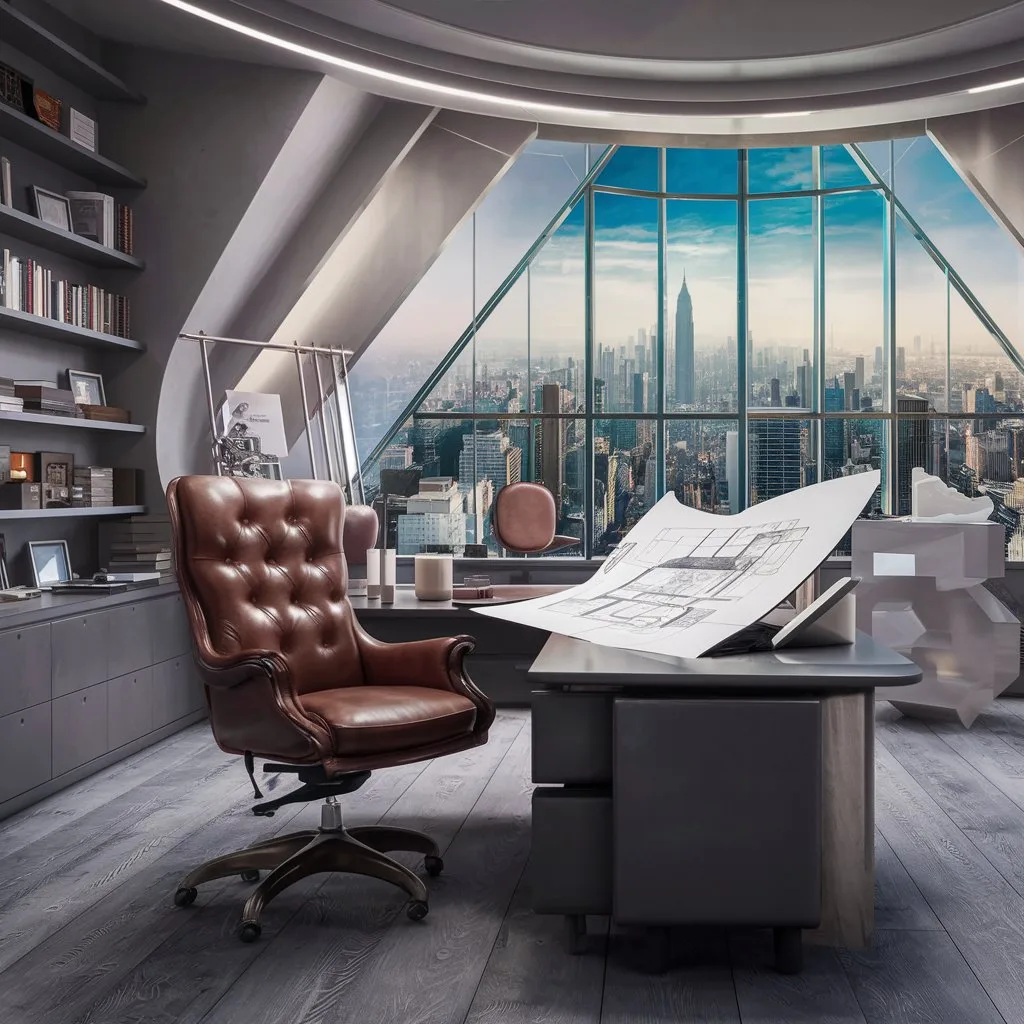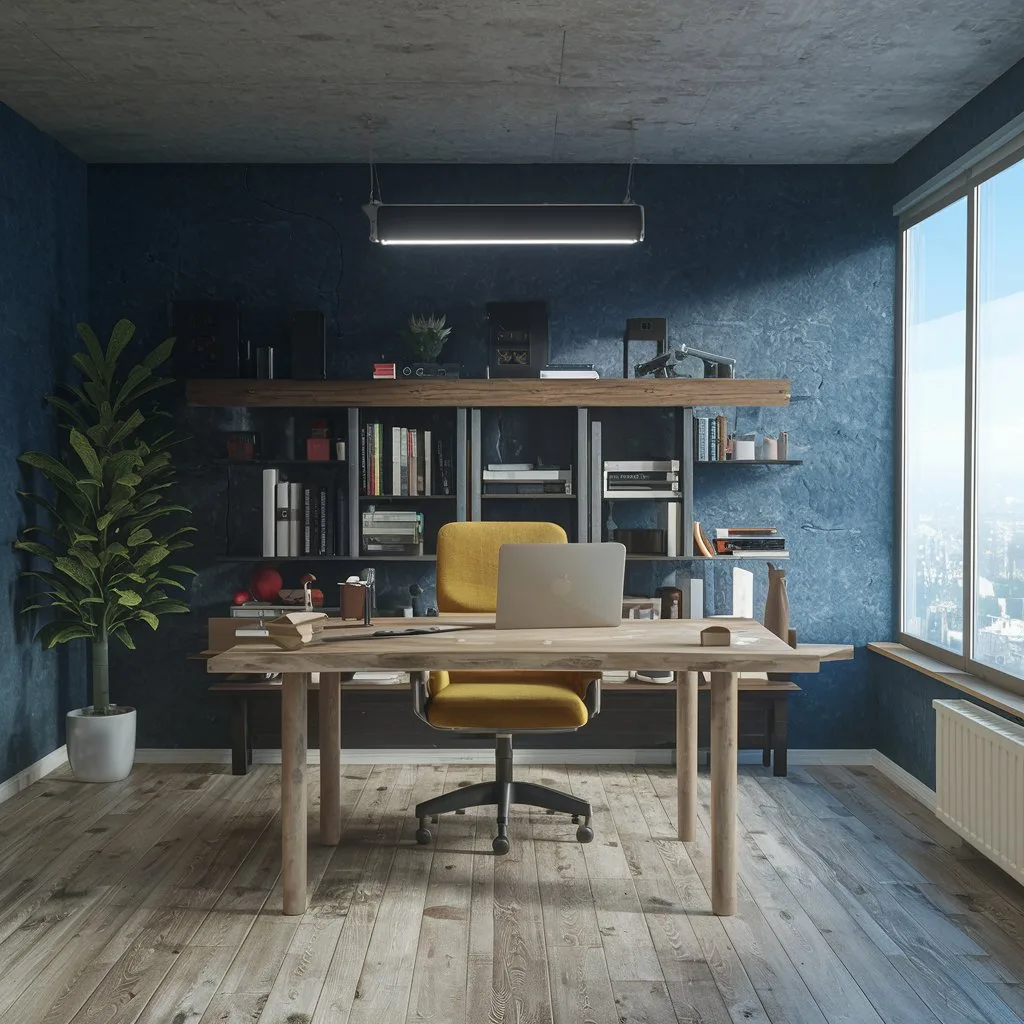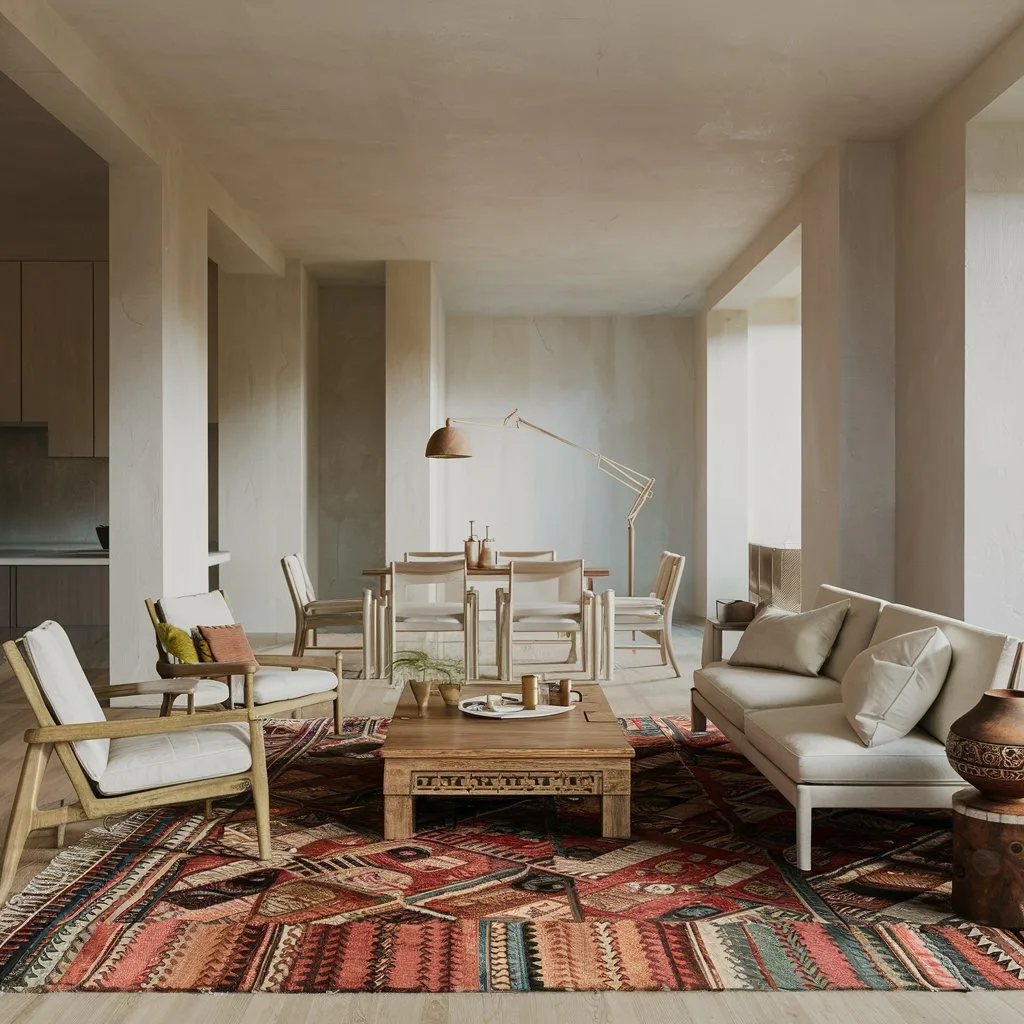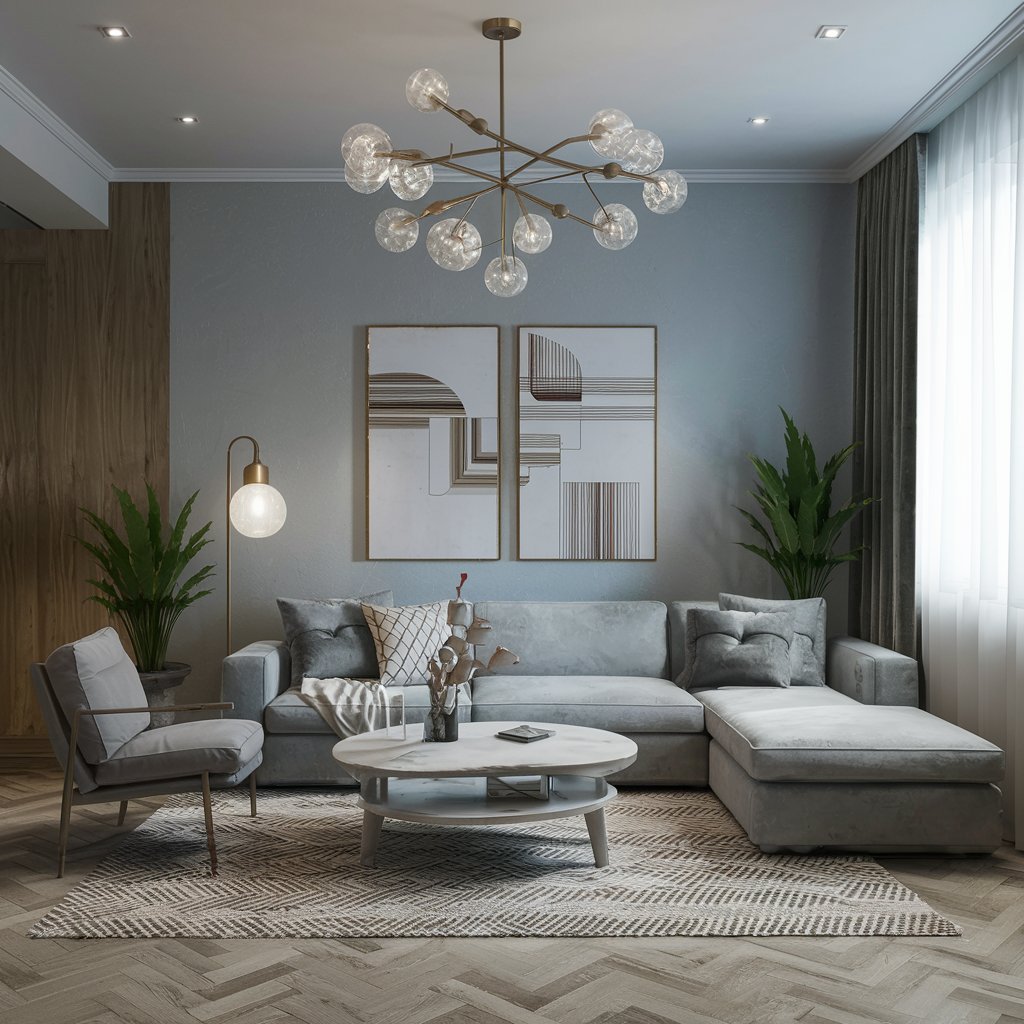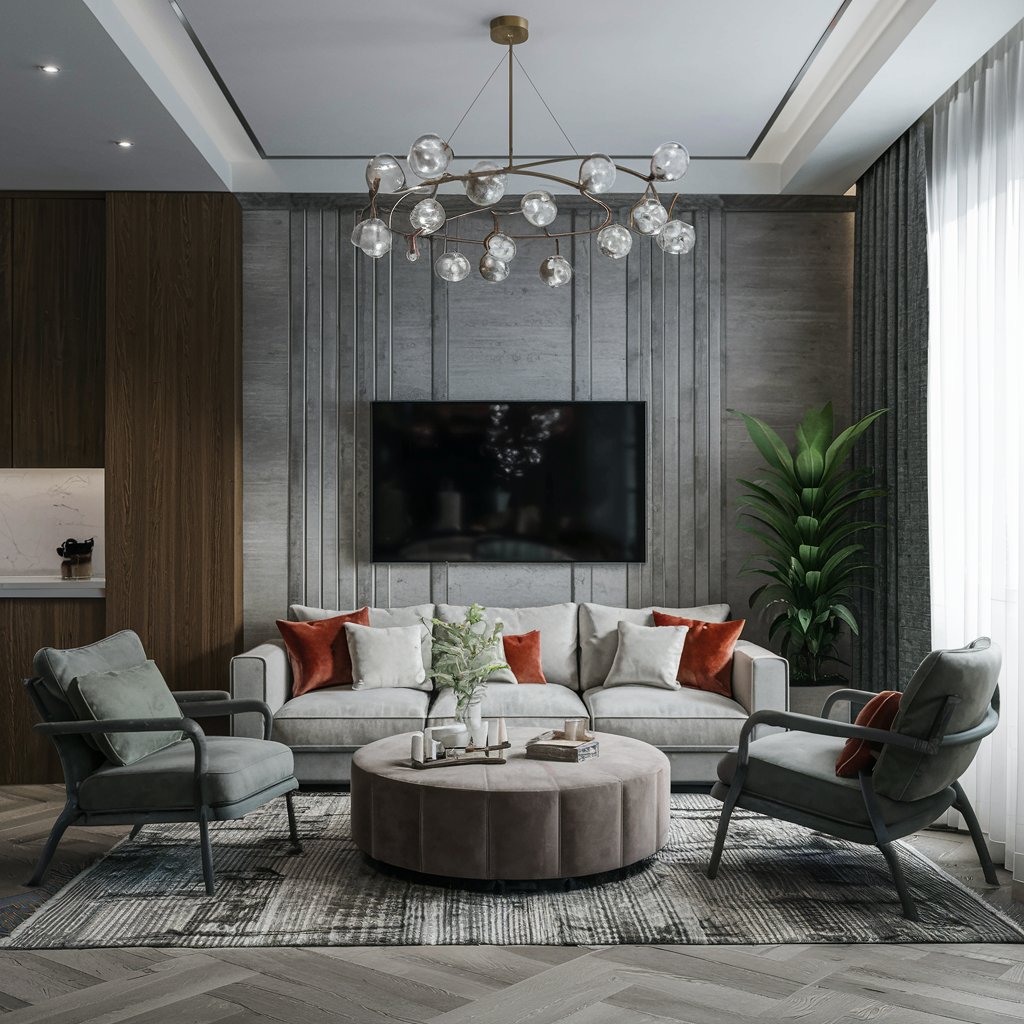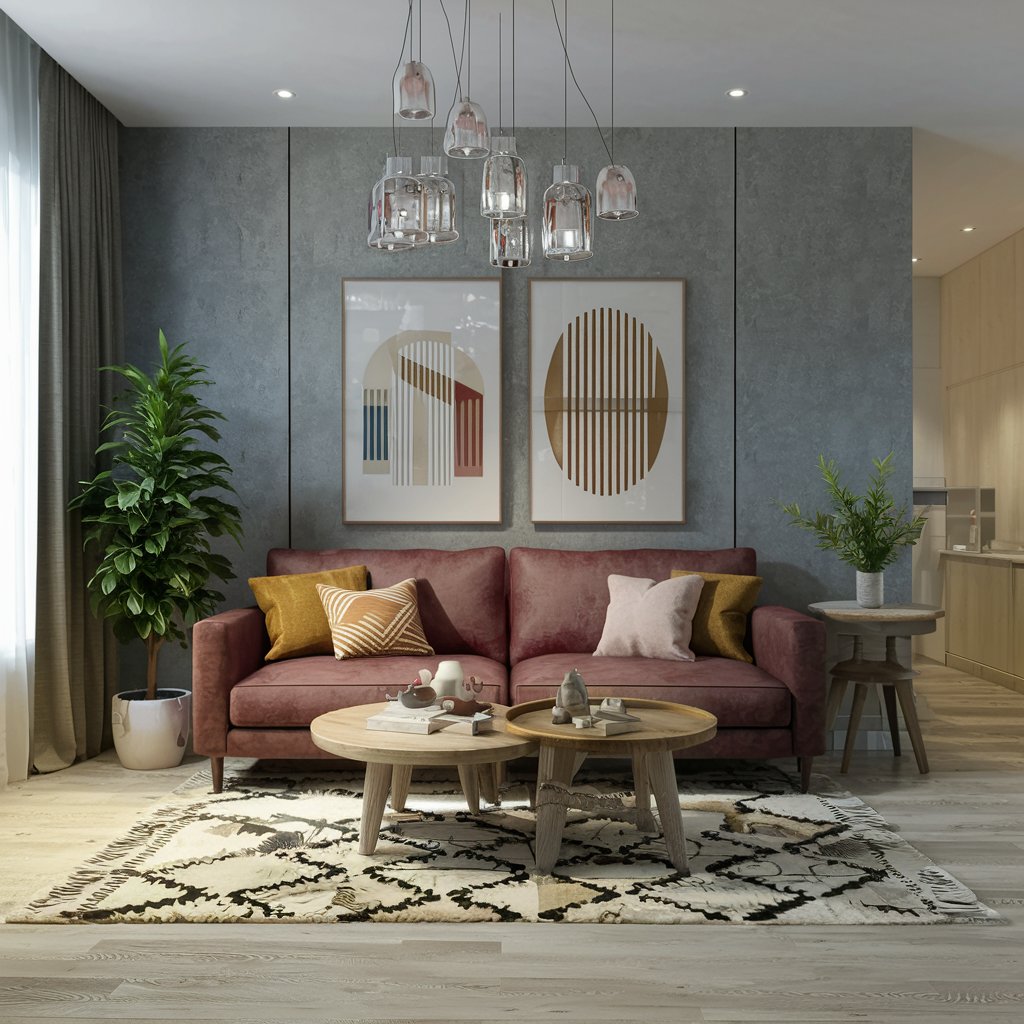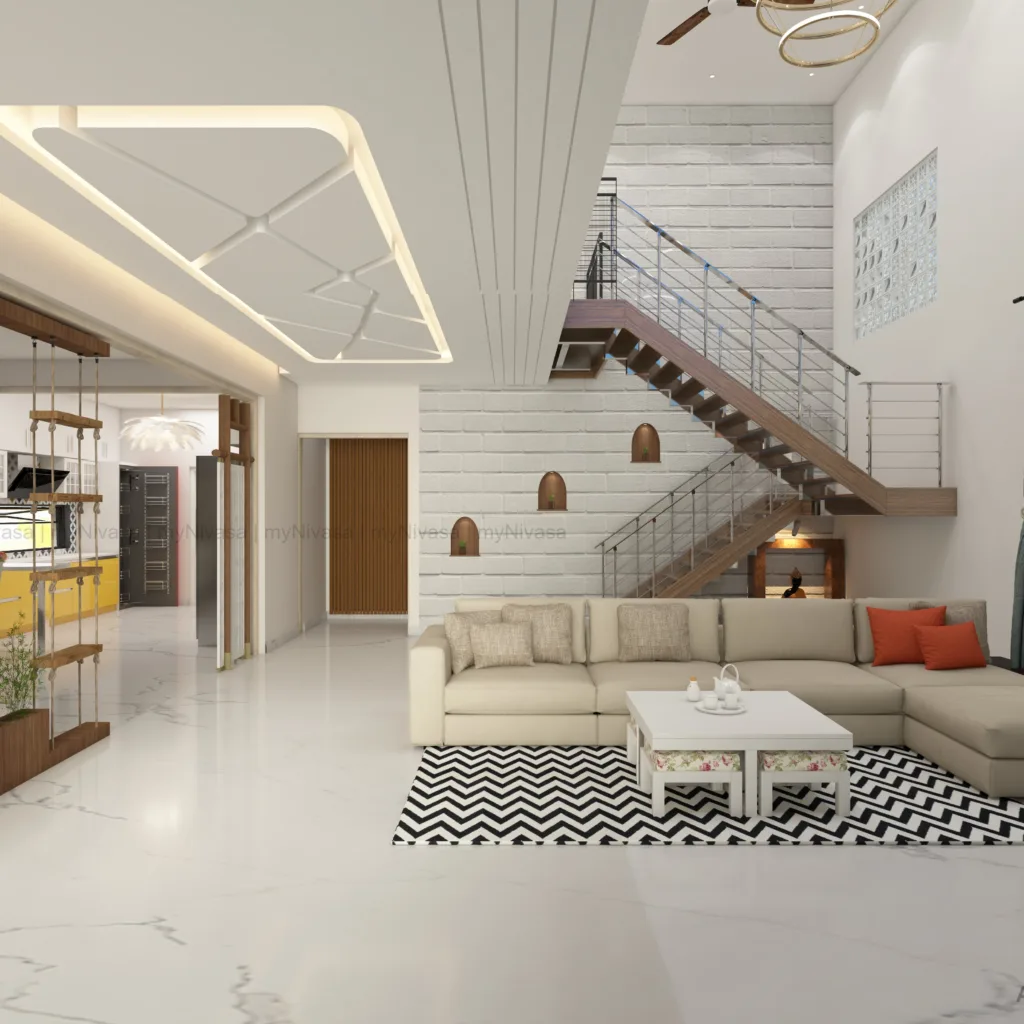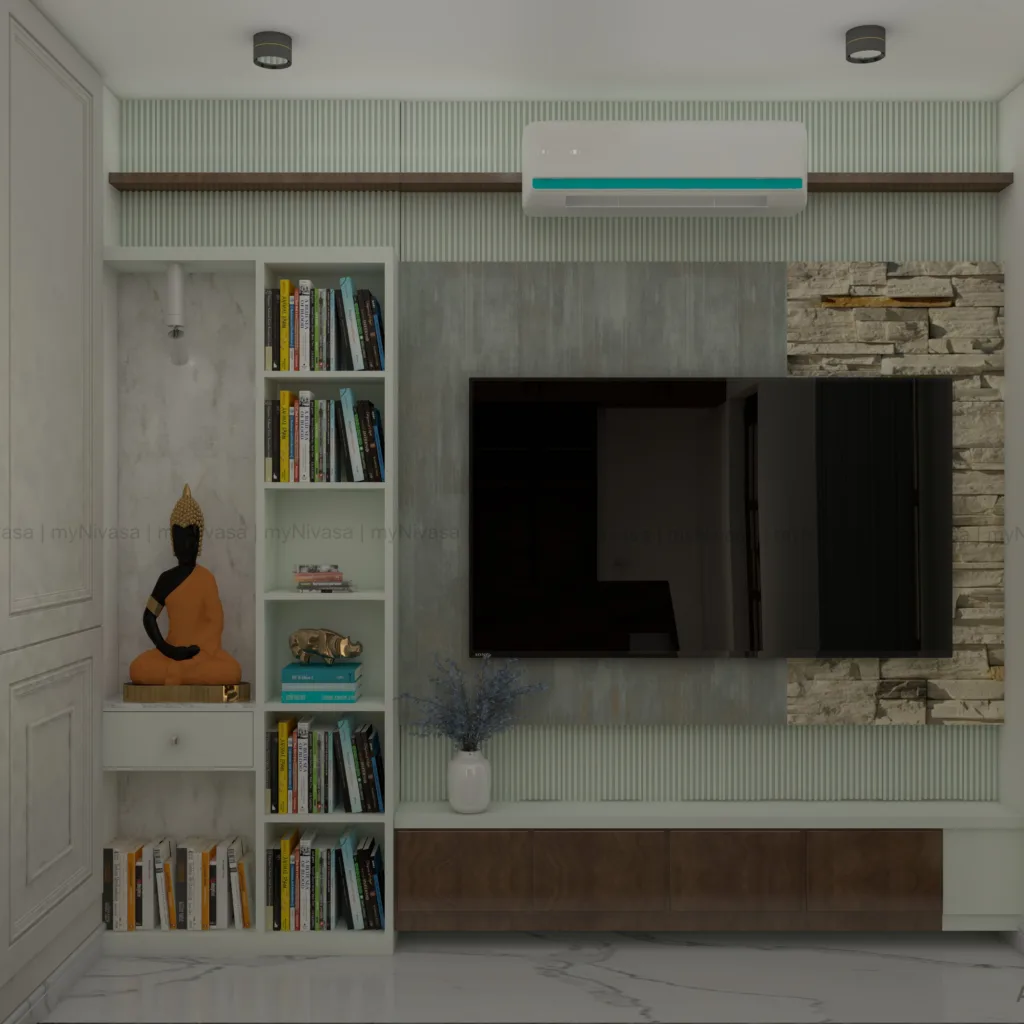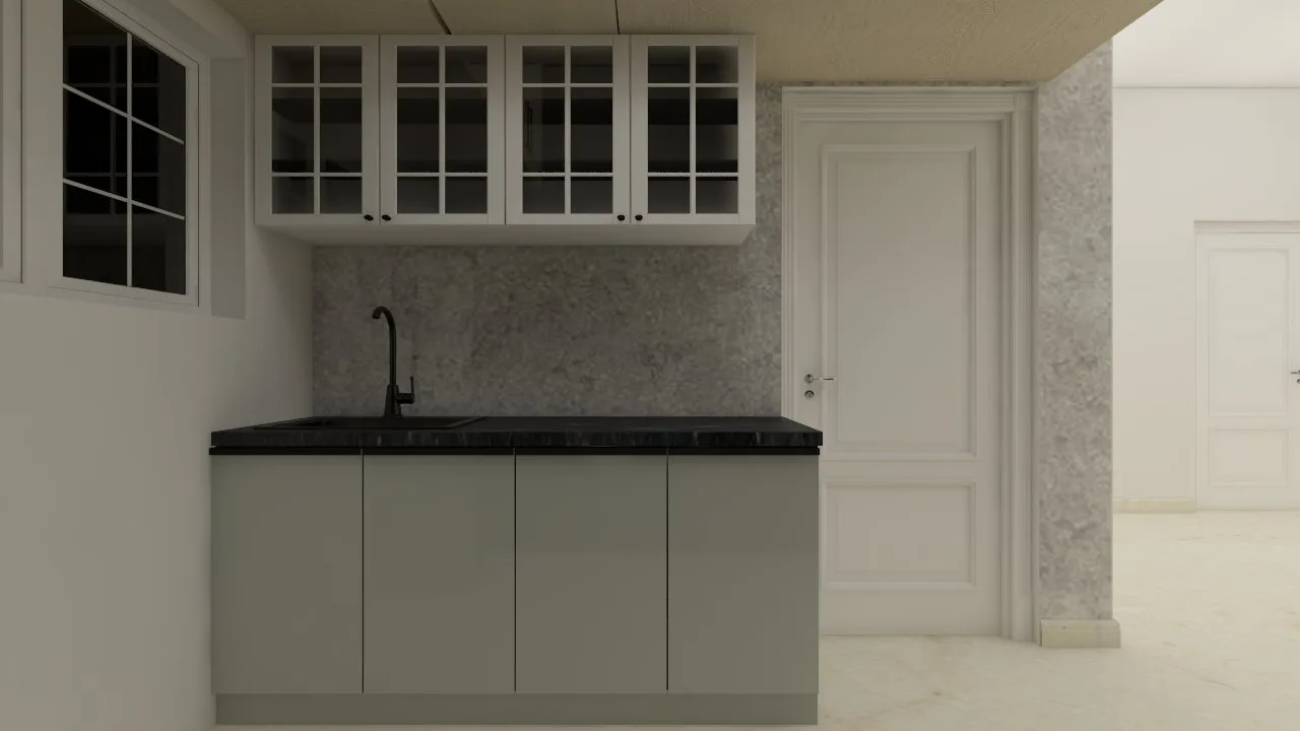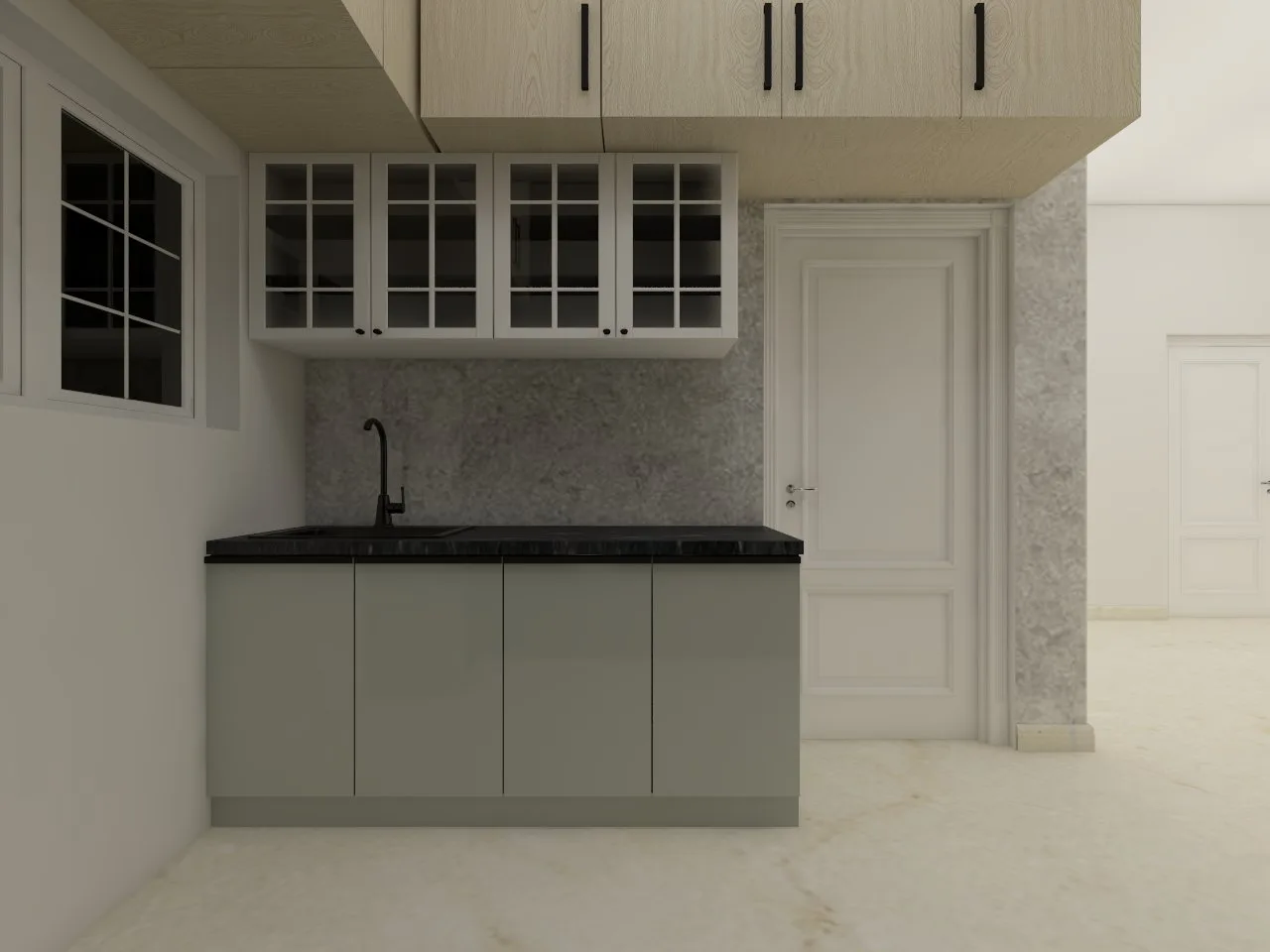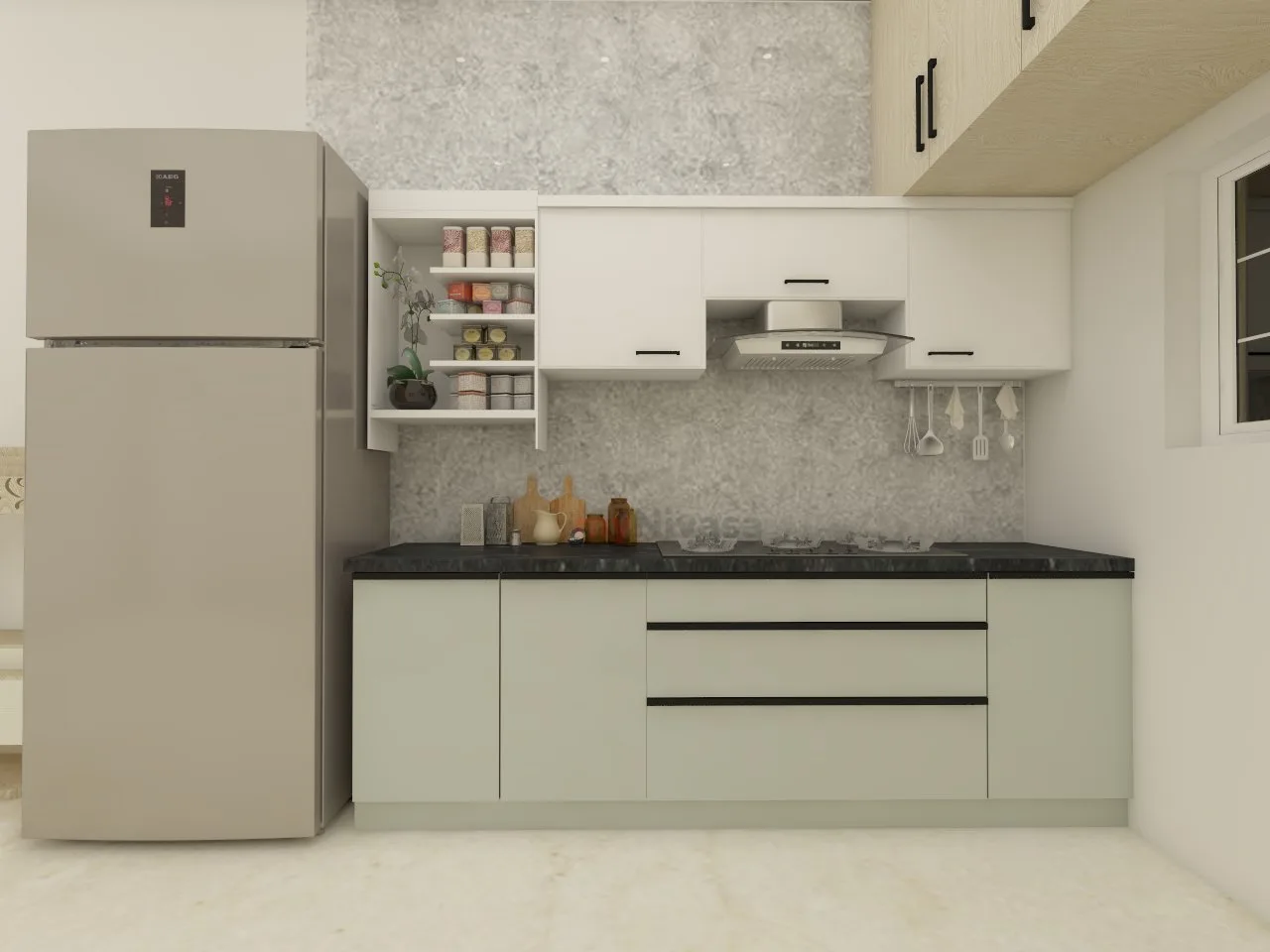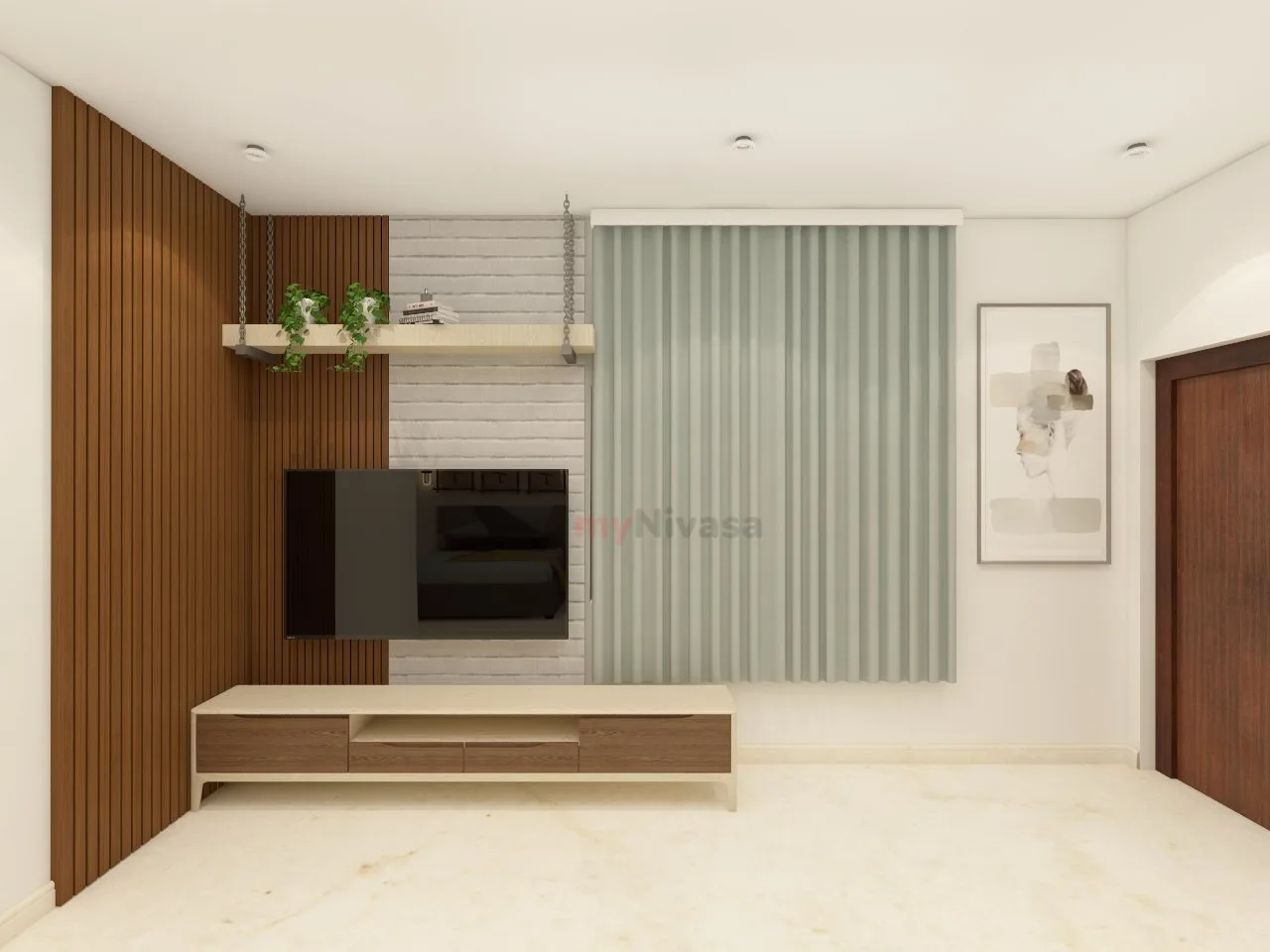
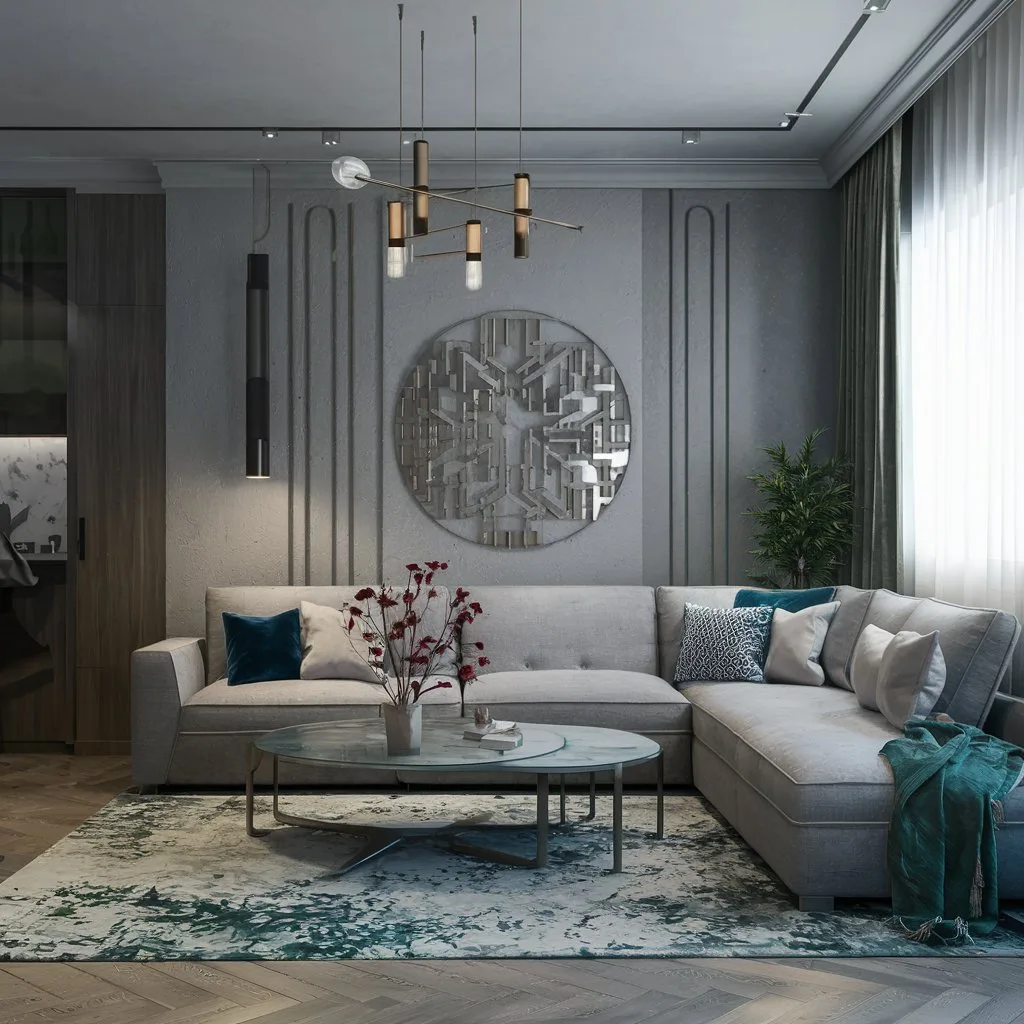
Modern sliding wardrobe with wooden and glass shutters in a Bengaluru bedroom 2026 by myNivasa

Sliding vs Hinged Wardrobe: Cost Guide Bengaluru 2026

Written by Vishwas Anegundi, founder of myNivasa. Bengaluru interior designer since 2018.

Last Updated: 8 July 2026 | Reading time: about 9 minutes

Sliding or Hinged Wardrobe: Which Is Better for Your Bengaluru Home in 2026?

A wardrobe is the tall storage unit that holds your clothes, and in Bengaluru in 2026 it is built to order from plywood, shutters, and hardware. A hinged laminate wardrobe starts around Rs 1,300 per square foot, while a sliding version starts around Rs 1,500 per square foot. Choose hinged for full access and lower cost, and sliding for tight rooms where a swinging door would block the walkway. If you want an exact figure for your room, ask myNivasa for a free measured quote.

Vishwas Anegundi, founder of myNivasa

Vishwas Anegundi is the founder of myNivasa and has designed and built homes across Bengaluru since 2018. He has delivered wardrobes in hundreds of flats from Whitefield to JP Nagar, and writes here from real project sites, not brochures.

Sliding vs Hinged Wardrobe: The Full Picture

Almost every client I meet asks the same first question. Should the wardrobe have hinged doors that open outward, or sliding doors that glide across a track? The honest answer is that both are good, and the right choice depends on your room size, your budget, and how you use your clothes each morning.

A hinged wardrobe uses doors on hinges, so each shutter swings open like a cupboard. You see the entire inside at once, every shelf and every drawer, which makes it easy to organise and easy to clean. It is also the cheaper option because hinges cost far less than a sliding track system. The one demand it makes is clear floor space in front, usually around 2 feet, so the door has room to swing.

A sliding wardrobe uses two or three shutters that move sideways on top and bottom channels. It needs zero clearance in front, which is why I specify it in compact Bengaluru bedrooms where the bed sits close to the wardrobe wall. The trade off is that you can only ever see half the wardrobe at a time, and the sliding hardware adds cost. On a standard 6 foot by 7 foot wardrobe, which is about 42 square feet, sliding doors work out roughly Rs 8,400 more than hinged.

Here is a real number from a recent project. In a 2 BHK in Marathahalli, we built a 7 foot wide master wardrobe. The client first wanted sliding for the look, but the room had a comfortable 3 feet of clearance, so we switched to hinged, saved close to Rs 9,000, and gave them full-view access to every shelf. In the child's room next door, where the bed was tight against the wardrobe, sliding was the only sensible answer. Same home, two different doors, each chosen from the room and not the catalogue.

In eight years of building wardrobes across Bengaluru, I have learned that the door type should be decided by the walking space in the room, not by which one looks better in a showroom.

So before you fall in love with a mirror-finish sliding shutter, stand in your bedroom and check how much floor you have in front of that wall. That single measurement decides more than any finish sample ever will.

Sliding wardrobe doors with frosted glass and laminate finish over laminate flooring in Bengaluru 2026 by myNivasa
Sliding shutters need no clearance in front, which suits compact Bengaluru bedrooms.

Not sure which wardrobe fits your room?

Get a free design consultation with myNivasa. We measure your space and recommend honestly.

WhatsApp Us
Call +91 94499 00222

How Much Does a Wardrobe Cost Per Square Foot in Bengaluru in 2026?

Wardrobes in Bengaluru are priced per square foot of the front elevation, meaning width times height of the wardrobe face. In 2026 the rate depends mostly on door type and finish. A hinged laminate wardrobe starts near Rs 1,300 per square foot, sliding starts near Rs 1,500, acrylic or veneer finishes run Rs 1,500 to Rs 1,700, and premium walk-in, lacquered or PU units reach around Rs 1,800.

  • Hinged laminate wardrobe: from about Rs 1,300 per square foot, the value benchmark.
  • Sliding wardrobe: from about Rs 1,500 per square foot, roughly 15 to 25 percent more than hinged.
  • Acrylic or veneer finish: Rs 1,500 to Rs 1,700 per square foot for a high-gloss or natural-wood look.
  • Premium walk-in, lacquer or PU: around Rs 1,800 per square foot and above.
  • A standard 6 foot by 7 foot wardrobe is 42 square feet, so a hinged laminate unit lands near Rs 55,000 and sliding near Rs 63,000.
  • Choosing BWR plywood over BWP on internal walls can save Rs 5,000 to Rs 12,000 per wardrobe.
Wardrobe type or finish Rate per sq ft (2026) Best for
Hinged, laminate Rs 1,300 to Rs 1,450 Value, full access, most bedrooms
Sliding, laminate Rs 1,500 to Rs 1,650 Compact rooms with tight walkways
Acrylic or veneer shutters Rs 1,500 to Rs 1,700 High-gloss or premium wood look
Walk-in, lacquer or PU Rs 1,800 and above Master suites and luxury homes
Indicative 2026 Bengaluru wardrobe rates, including carcass, shutters, hardware, internal fittings and installation.

One caution. When a quote looks unusually cheap, the saving is almost always hiding in the carcass. The same wardrobe built in laminate over particle board, in acrylic over BWR plywood, or in veneer over marine plywood can differ in price by two or three times while looking broadly similar at first glance. Always ask what sits behind the shutter, not just what the shutter looks like.

Want an exact wardrobe quote?

Send us your room size and we will give you a clear per-square-foot estimate, no guesswork.

WhatsApp Us
Call +91 94499 00222

Is a Sliding or Hinged Wardrobe Better for a Bengaluru Bedroom?

Neither is better in the abstract. Hinged wins on cost, full visibility, and easy repair, while sliding wins on space saving and a clean, seamless face. For a typical Bengaluru bedroom the decision comes down to how much floor sits in front of the wardrobe wall.

  • Choose hinged when you have at least 2 feet of clear walkway, want to see every shelf at once, and want the lowest price for the same storage.
  • Choose sliding when the bed or a study table sits close to the wardrobe, when the room is under 120 square feet, or when you want a large mirror built into the door.
  • Watch the dust and tracks. Sliding bottom channels collect Bengaluru dust and need occasional cleaning, so I always specify a good soft-close roller system to keep them running smoothly for years.

In small 2 BHK bedrooms I design in areas like HSR Layout and Bellandur, sliding wardrobes have saved clients the equivalent of a full extra foot of usable floor, which changes how the whole room feels.

Which Plywood Should Your Wardrobe Use, BWP or BWR?

Plywood grade is the single biggest hidden cost driver in a wardrobe, and it decides how long the unit survives Bengaluru's humidity. The two grades you will hear are BWP, which is boiling water proof and carries the IS:710 standard, and BWR, which is boiling water resistant under the IS:303 standard.

My rule on site is simple. Use BWP plywood, IS:710, only for wardrobes placed against external walls or a wall shared with a bathroom, where moisture is a real risk. For normal internal bedroom walls, BWR plywood, IS:303, gives enough moisture resistance and saves roughly Rs 5,000 to Rs 12,000 per wardrobe. Paying for marine-grade BWP on a dry internal wall is money spent on a problem you do not have.

Avoid particle board and low-grade MDF for the carcass of a full-height wardrobe. They cost less on paper, but they sag under the weight of hanging clothes and swell if they ever meet water. The carcass is the skeleton, and it is the one place I never let a client save the wrong way.

Built-in wardrobe internal fittings with drawers, shelves and hanging rods in a Bengaluru home 2026 by myNivasa
The carcass and internal fittings decide how long a wardrobe lasts, not the shutter finish.

Get a 48-hour wardrobe estimate

Tell us your plywood and finish preference and we will price it transparently within two days.

WhatsApp Us
Call +91 94499 00222

Laminate, Acrylic or Membrane: Which Wardrobe Finish Should You Pick?

The finish is the shutter surface you see and touch, and it sets both the look and a chunk of the price. Three finishes cover most Bengaluru homes, and each suits a different taste and budget.

For a detailed price breakdown, see our guide to PCC vs RCC Cost Difference for Bengaluru Home Construction in 2026.

  • Laminate is the most popular and the most practical. Brands like Greenlam and Merino offer over 200 colours and textures, and the surface is durable, scratch resistant, and easy to clean. It is the value benchmark at around Rs 1,300 per square foot.
  • Acrylic gives a high-gloss, mirror-like, reflective surface that makes a bedroom feel larger and more premium. It costs more, in the Rs 1,500 to Rs 1,700 band, and shows fingerprints, so it suits adult bedrooms more than children's rooms.
  • Membrane, which is a 3D routed and heat-pressed door, works beautifully for classic or traditional designs where you want moulding detail without the cost of solid wood.

For most families I recommend laminate on the body and, if the budget allows, an acrylic accent on the tall central shutters. You get the premium look where the eye lands and the durable, wallet-friendly surface everywhere else.

Which Wardrobe Hardware Brand Is Worth the Money in 2026?

Hardware is the hinges, channels, soft-close mechanisms, and sliding tracks that decide whether your wardrobe still opens smoothly in year seven. It is invisible, which is exactly why cheap quotes cut it first. In 2026 the total hardware cost for a single hinged wardrobe runs about Rs 3,000 to Rs 6,000 for Ebco, Rs 8,000 to Rs 18,000 for Hettich, and Rs 12,000 to Rs 25,000 for Hafele.

German brands such as Hettich, Blum, and Hafele cost more than local options, but they open smoothly for years and are the difference between a wardrobe that ages gracefully and one that starts to sag and squeak. For sliding systems I specify a heavy-duty track with a soft-close roller from a name like Hettich or Aristo, because a cheap track is the part clients complain about first.

I would rather use one grade simpler on the finish and spend that money on Hettich or Hafele hardware, because the finish is what you see and the hardware is what you use every single day.

Need help selecting materials?

Our team guides you through plywood, finish, and hardware so you spend where it matters.

WhatsApp Us
Call +91 94499 00222

What Internal Fittings Actually Make a Wardrobe Worth It?

The inside of the wardrobe is where daily life happens, and thoughtful fittings matter more than an extra-glossy door. A good internal layout mixes long hanging space for shirts and dresses, a shorter double-hang zone for folded-over trousers, drawers for smaller items, and open shelves for bags and boxes.

  • Soft-close drawers on metal channels last far longer than plywood drawers running on wooden rails.
  • A pull-out mirror or a hanging rod with a lift-down mechanism is worth adding in a tight room.
  • A dedicated locker or a small safe compartment is a request I get in almost every Bengaluru home, and it is easier to plan at the start than to retrofit later.

Plan the inside around your actual clothes. A client who mostly wears sarees needs a different internal layout from one who lives in shirts and jeans, and a wardrobe designed around the person always feels bigger than its square footage suggests.

Ready to start your wardrobe project?

From design to installation, myNivasa handles the whole thing. Let us plan your ideal storage.

WhatsApp Us
Call +91 94499 00222

Frequently Asked Questions

Is a sliding wardrobe more expensive than a hinged one?

Yes. In Bengaluru in 2026 a sliding wardrobe usually costs 15 to 25 percent more than a hinged one, because sliding needs heavy-duty tracks, channels, and soft-close rollers. On a standard 42 square foot wardrobe the difference is roughly Rs 8,400.

What is the cost of a wardrobe per square foot in Bengaluru in 2026?

Hinged laminate wardrobes start near Rs 1,300 per square foot, sliding near Rs 1,500, acrylic or veneer finishes Rs 1,500 to Rs 1,700, and premium walk-in or lacquer units around Rs 1,800. Rates include carcass, shutters, hardware, internal fittings, and installation.

Which plywood is best for a wardrobe, BWP or BWR?

Use BWP plywood, IS:710, for wardrobes against external or bathroom-shared walls where moisture is a risk. For normal internal bedroom walls, BWR plywood, IS:303, is enough and saves Rs 5,000 to Rs 12,000 per wardrobe. Avoid particle board for the carcass.

Which wardrobe finish is most durable and easy to maintain?

Laminate is the most durable and low-maintenance finish. Brands like Greenlam and Merino are scratch resistant and easy to clean, and cost around Rs 1,300 per square foot. Acrylic looks more premium but shows fingerprints and costs more.

Which hardware brand should I choose for my wardrobe?

Hettich, Hafele, and Blum are the reliable choices for hinges and sliding tracks in 2026. Hardware for a hinged wardrobe costs about Rs 3,000 to Rs 6,000 with Ebco, Rs 8,000 to Rs 18,000 with Hettich, and Rs 12,000 to Rs 25,000 with Hafele. Good hardware is worth the spend because you use it daily.

Limitations, Sources and Final Word

A quick note on the numbers. Every rate here is an indicative 2026 Bengaluru range, and your final cost will depend on your exact size, plywood grade, finish, hardware brand, and internal fittings. Treat these figures as a planning guide, then ask for a measured quote before you budget.

Sources: Bureau of Indian Standards, IS:710 and IS:303 plywood standards; Hettich India hardware; Hafele India;

mynivasa designs

Transform Your Space with myNivasa's Stunning Interior Design Service in Hosapete, Ballari and Koppala

Last Updated: July 2026 | By Vishwas Anegundi, Founder, myNivasa

Interior design is not simply about aesthetics - it is about creating a living space that is both beautiful and functional. And that is where myNivasa’s Interior Design Services comes in. Based in the cities of Hosapete, Ballari and Koppala, myNivasa’s team of expert designers work to transform homes into personalized oases of comfort.

What Are the Introducing myNivasa's Interior Design Services?

mynivasa designs

If you are looking for an interior design services that delivers quality and precision, then myNivasa is the provider for you. Their extensive knowledge of design elements and keen eye for detail allows them to create personalized, stunning interior designs that suit the unique preferences and tastes of their clients.

How myNivasa's Service Works?

myNivasa’s interior design services comes in a range of packages depending on the needs and preferences of the client. This includes everything from a basic redesign to a full renovation. The team works closely with clients to identify the best course of action for the project that will bring the desired results in a timely manner.

What Are the Benefits of Hiring a Professional Designer?

Interior design by myNivasa

While DIY design projects may seem appealing, it can quickly become overwhelming without the proper expertise. Hiring a professional like myNivasa’s team allows you to save time and money, ensures the project is done correctly the first time around, and ultimately yields the best results.

What Makes myNivasa Stand Out?

myNivasa stands out from other interior design services on the market for several reasons. Among them is the personalized attention and care given to each project, the quality of materials and workmanship, and the use of cutting-edge technologies to create 3D models and presentations.

What is Areas Served: Hosapete, Ballari, and Koppala?

Based in Hosapete, myNivasa offers its interior design services to the greater areas of Ballari and Koppala. No matter the project location, myNivasa’s team delivers exceptional results with unparalleled customer service.

Transform Your Space with myNivasa's Stunning Interior Design Service in Hosapete, Ballari and Koppala by myNivasa

What is the The myNivasa Design Process?

To give prospective clients an idea of what to expect from myNivasa’s interior design services, let's walk through their step-by-step process:

In-Home Consultation

First, an in-home consultation is conducted to assess the space and gain a better understanding of the client's design preferences.

Design Proposal and Concept Board

Next, based on the consultation, a design proposal and concept board is created to showcase how the space will look after the redesign or renovation.

Detailed Design Plan

Once the client approves the design proposal, myNivasa's team gets to work on a detailed design plan that includes all elements necessary to complete the project.

Execution and Project Management

During the execution phase, myNivasa manages the entire project from start to finish. This includes everything from purchasing materials to coordinating with contractors and managing timelines.

What Are the A Range of Design Styles?

Kids bedroom design ideas by myNivasa

myNivasa aims to create unique and personalized interior designs that reflect their clients' individual tastes and preferences. Among the range of design styles available are:

Minimalist Design

Living room interior design by myNivasa
Characterized by a focus on clean, simple lines and muted colors, minimalist design creates a peaceful and uncluttered space.

Characterized by a focus on clean, simple lines and muted colors, minimalist design creates a peaceful and uncluttered space.

Contemporary Design

Bedroom interior design ideas by myNivasa

Incorporating the latest in design trends, contemporary design is frequently updated and often utilizes bold, bright colors.

Traditional Design

Bedroom interior design ideas by myNivasa

A classic design style that incorporates elegance, symmetry, and rich materials to create a timeless feel.

Eclectic Design

Elctric theme design by myNivasa

An unconventional approach to design that incorporates multiple styles, textures, and colors to create a unique and visually stunning space.

Industrial Design

Industrial Theme Design by myNivasa

Inspired by old factory spaces, industrial design utilizes raw materials, exposed brick, and metal accents to create a rugged and distinctive style.

What is Design Elements to Consider?

There are several key design elements that come together to create a successful interior design. Here are a few that myNivasa focuses on:

Color Scheme

Transform Your Space with myNivasa's Stunning Interior Design Service in Hosapete, Ballari and Koppala by myNivasa

The right color scheme can make a space feel warm, inviting, and peaceful. myNivasa's team considers not just the colors themselves, but also how they interact with natural and artificial light sources.

Lighting

Living room interior design by myNivasa

Lighting can make or break a space. myNivasa's team assesses the natural light sources and can help create the ideal lighting scheme to create a warm and inviting atmosphere.

Flooring

Transform Your Space with myNivasa's Stunning Interior Design Service in Hosapete, Ballari and Koppala by myNivasa

From carpet and tile to hardwood and laminates, flooring provides a foundation for the rest of the space. myNivasa's team can recommend a variety of materials and styles to fit the design of the space.

Furniture

Transform Your Space with myNivasa's Stunning Interior Design Service in Hosapete, Ballari and Koppala by myNivasa

Furniture is often the centerpiece of the space and can set the tone for the design style. myNivasa's team can recommend unique and visually stunning pieces that match the design aesthetic to create a cohesive look and feel.

Accessories and Decorations

Transform Your Space with myNivasa's Stunning Interior Design Service in Hosapete, Ballari and Koppala by myNivasa

Accessories and decorations can add the finishing touch to a space's design. By selecting pieces that accentuate the design elements already present, myNivasa's team can create a rich, dimensional space that is both beautiful and functional.

Frequently Asked Questions

To help prospective clients understand the process, myNivasa has provided answers to a few of the most common inquiries:

How Long Does the Design Process Take?

The length of the design process varies depending on the scope of the project. On average, a full redesign may take anywhere from four to six weeks.

What is the Cost of myNivasa's Services?

The cost of myNivasa's services varies depending on project scope and client needs. myNivasa's team provides a detailed estimate for their services after the in-home consultation.

Can I Incorporate Existing Furniture Into the New Design?

Yes, myNivasa can incorporate existing furniture into the new design if it still fits the overall aesthetic and proves to be functional in the space.

Is myNivasa Only for Homeowners, or Can Renters Use the Service As Well?

myNivasa's interior design services can be utilized by both homeowners and renters. No matter the living situation, myNivasa's team can create a beautiful, personalized living space to suit all needs.

Conclusion

Don't settle for a space that doesn't speak to you. myNivasa's Interior Design Service is here to create a space that reflects your individual style and tastes. With their detailed design process and commitment to quality, you can trust that your home is in good hands. Contact myNivasa today to start transforming your living space into the home of your dreams. www.mynivasa.com

3 BHK interior design in Sarjapur Road 2026, modern living and dining room with teal accent wall by myNivasa

What Is the 3 BHK Interior Design Cost in Sarjapur Road 2026?

Written by Vishwas Anegundi, founder of myNivasa. Bengaluru interior designer since 2018.

Last updated: July 7, 2026 | Reading time: 9 min

What Is the 3 BHK Interior Design Cost in Sarjapur Road 2026?

3 BHK interior design cost in Sarjapur Road 2026 ranges from Rs. 8 lakh (Essential) to Rs. 30 lakh (Signature) for a typical 1,200 to 1,600 sq ft apartment. Modular kitchen and wardrobes together take 45 to 55 percent of the budget. Material grade and society charges shift the final quote by 15 to 25 percent. Book a free site visit within 3 days by calling myNivasa at 094499 00222.

Vishwas Anegundi, myNivasa Founder

Vishwas Anegundi, myNivasa Founder

Interior designer since 2018. Delivered 100+ Bengaluru home projects across Sarjapur Road, Marathahalli, Whitefield, HSR Layout, and Indiranagar. Head office: 1st Floor Novel Office, Subbaiah Reddy Colony, Marathahalli. Call 094499 00222 for a free consultation.

Full Answer: 3 BHK Interior Design Cost in Sarjapur Road Explained

A full 3 BHK interior in Sarjapur Road in 2026 costs Rs. 8 lakh to Rs. 30 lakh, and where you land depends on three things: apartment size, how much of it is modular joinery, and the material grade you choose. Most 3 BHK flats on the Sarjapur Road corridor, in projects near Wipro Junction, Kaikondrahalli, and Dommasandra, sit between 1,200 and 1,600 sq ft, so the numbers below hold for the large majority of homes I quote here.

Here is how the cost splits by finish tier for a standard 1,400 sq ft 3 BHK:

  • Essential (Rs. 8 lakh to Rs. 12 lakh): laminate modular kitchen, three basic wardrobes, TV unit, two false ceilings, and painting. A clean, functional handover.
  • Comfort (Rs. 12 lakh to Rs. 18 lakh): acrylic or membrane shutters, full wardrobe run in all bedrooms, pooja unit, crockery unit, foyer paneling, and profile lighting.
  • Signature (Rs. 18 lakh to Rs. 30 lakh): premium finishes, veneer and glass, imported hardware, designer lighting, and custom furniture across the home.

The single biggest lever is joinery. Modular kitchen and wardrobes together carry 45 to 55 percent of a 3 BHK budget, because they use the most board, hardware, and labour. The second lever is board and finish grade. Moving from commercial ply to BWP ply, or from laminate to acrylic, can add Rs. 2 lakh to Rs. 4 lakh across the home. The third lever is scope, meaning how many rooms you finish now versus later.

A recent myNivasa data point: in early 2026 we completed a 1,435 sq ft 3 BHK near Sarjapur Road at Comfort tier for a final cost of Rs. 15.2 lakh over 52 working days. That covered a membrane-shutter kitchen, four wardrobes, TV and crockery units, two bedroom false ceilings, a pooja nook, and full painting.

Across 100+ Bengaluru homes, the families who stay on budget are the ones who lock the kitchen and wardrobe layout first. Those two decisions set half your spend, so we finalise them before anyone talks about wallpaper.

Get a free 3 BHK interior consultation

Tell us your apartment size and we will map a tier that fits your budget.

WhatsApp Us
Call +91 94499 00222

  • Budget band: Rs. 8 lakh to Rs. 30 lakh for a 1,200 to 1,600 sq ft 3 BHK.
  • Modular kitchen and wardrobes eat 45 to 55 percent of the total, so decide them first.
  • BWP ply plus quality hardware is the upgrade that actually lasts, more than surface finish.
  • Society charges and lift or debris rules can add Rs. 25,000 to Rs. 60,000 and stretch the timeline.
  • A Comfort-tier 3 BHK usually completes in 45 to 60 working days.
  • A written line-item quote protects you more than any single brand name.
Tier Finish and scope Cost (1,400 sq ft 3 BHK)
Essential Laminate kitchen, 3 wardrobes, TV unit, basic ceiling, paint Rs. 8,00,000 to Rs. 12,00,000
Comfort Acrylic or membrane kitchen, full wardrobes, pooja and crockery units, profile lighting Rs. 12,00,000 to Rs. 18,00,000
Signature Veneer and glass, imported hardware, designer lighting, custom furniture Rs. 18,00,000 to Rs. 30,00,000

What Does a 3 BHK Interior Package Include?

A standard 3 BHK package includes the modular kitchen, wardrobes in all three bedrooms, false ceiling in the living and dining, TV and storage units, electrical and lighting layout, and painting. What separates a fair quote from a thin one is whether these line items are spelled out with board type, hardware brand, and finish.

Typical inclusions in a Sarjapur Road turnkey scope:

  • Modular kitchen with base and wall units, tall unit, and chimney provision.
  • Wardrobes: sliding or openable, with internal loft and drawer configuration.
  • False ceiling with cove and profile lighting in living, dining, and master.
  • TV unit, crockery unit, pooja unit, and foyer or shoe storage.
  • Painting, electrical points, and site management till handover.

The line item people forget to ask about is loft storage. In a 3 BHK it adds real capacity for a small cost, and it is far cheaper to build during fit-out than to retrofit later.

What Is the Room-by-Room Cost for a 3 BHK?

Room-by-room, a Comfort-tier 3 BHK splits roughly as follows. These are the working ranges I quote on Sarjapur Road in 2026, and they add up to a mid-band project of around Rs. 14 lakh to Rs. 16 lakh.

Element Comfort-tier cost
Modular kitchen Rs. 2,80,000 to Rs. 4,50,000
Wardrobes (3 bedrooms) Rs. 3,00,000 to Rs. 4,80,000
False ceiling and lighting Rs. 1,40,000 to Rs. 2,40,000
TV, crockery and pooja units Rs. 1,20,000 to Rs. 2,20,000
Painting Rs. 80,000 to Rs. 1,60,000
Electrical, decor and management Rs. 90,000 to Rs. 1,80,000

The kitchen and wardrobes alone come to more than half. That is why the fastest way to control a 3 BHK budget is to right-size those two, not to trim the decor at the end.

Modular kitchen in a 3 BHK Sarjapur Road home 2026, white and wood finish with tall unit by myNivasa
A white and wood modular kitchen with a tall unit, usually the single largest line item in a 3 BHK budget.

Want a free line-item quotation?

We send a transparent room-by-room quote, no lump sums.

WhatsApp Us
Call +91 94499 00222

Where Should You Spend and Where Can You Save?

Spend where the home works hardest every day, and save on what is easy to change later. In a 3 BHK, that means putting money into kitchen hardware and wardrobe internals, and being modest on decorative wall treatments and loose furniture you can add over time.

My rule of thumb for Sarjapur Road families:

  • Spend: hinges, channels, and soft-close (Hettich, Hafele, or Blum) because they take daily load.
  • Spend: BWP ply in kitchen and bathroom-facing wardrobes for moisture life.
  • Save: accent wallpaper and false-ceiling drama in guest rooms.
  • Save: loose furniture and curtains, which you can phase after moving in.

I have opened four-year-old wardrobes where cheap channels had already sagged. Good hardware is the upgrade you never see but feel every single day. It is worth the extra few thousand per unit.

On a real Sarjapur Road handover in 2026, shifting only the hardware and kitchen board to premium grade, while keeping decor simple, moved a project from Rs. 11.8 lakh to Rs. 13.4 lakh and gave the family the durability they actually wanted.

Bedroom wardrobe in a 3 BHK Sarjapur Road apartment 2026, wooden finish with bedside units by myNivasa
Wardrobe internals and hardware are where durable spending pays off in a 3 BHK.

What Is the Timeline and What Do Societies Charge?

A Comfort-tier 3 BHK on Sarjapur Road takes 45 to 60 working days from design sign-off to handover. Apartment complexes add their own layer: an interior work NOC, a refundable deposit, fixed work hours, and debris removal rules that all affect the schedule and the final cost.

What to confirm with your society office before you start:

  • Interior work deposit, often Rs. 15,000 to Rs. 50,000 refundable.
  • Permitted work hours and no-work days, which lengthen the calendar.
  • Debris disposal charge and lift usage rules for material movement.
  • Whether a licensed electrician or plumber sign-off is required.

These charges are not designer margin, they are society-side costs, so ask for them in writing early. On the Sarjapur Road corridor they typically add Rs. 25,000 to Rs. 60,000 once deposits, debris, and lift charges are counted.

Plan your timeline the right way

We align design, society NOC, and material lead times into one schedule.

WhatsApp Us
Call +91 94499 00222

What Hidden Costs Should You Plan For?

Beyond the headline quote, plan for GST at 18 percent on interior work, civil changes if you move plumbing or add points, and any tile or flooring upgrade the builder did not include. These are the items that quietly push a Rs. 14 lakh plan to Rs. 15.5 lakh if you do not budget for them.

The usual hidden costs in a 3 BHK:

  • GST: 18 percent on the interior scope, always ask if the quote is inclusive.
  • Civil and electrical additions: new points, moving a switchboard, minor masonry.
  • Chimney, hob, and appliances if not part of the modular quote.
  • Curtains, blinds, and loose furniture, easily Rs. 80,000 upward.

A quote that looks 15 percent cheaper usually has GST or appliances sitting outside it. Compare quotes on total delivered cost, not the top-line number.

Get your estimate in 48 hours

Share your floor plan and we return a tiered budget within two days.

WhatsApp Us
Call +91 94499 00222

Frequently Asked Questions

What is the cost of a 3 BHK interior in Sarjapur Road in 2026?

A full 3 BHK interior in Sarjapur Road costs Rs. 8 lakh to Rs. 30 lakh in 2026 for a 1,200 to 1,600 sq ft apartment. Essential tier runs Rs. 8 lakh to Rs. 12 lakh, Comfort tier Rs. 12 lakh to Rs. 18 lakh, and Signature tier Rs. 18 lakh to Rs. 30 lakh.

How much of the budget goes to the kitchen and wardrobes?

Modular kitchen and wardrobes together take 45 to 55 percent of a 3 BHK budget. A Comfort-tier kitchen is Rs. 2.8 lakh to Rs. 4.5 lakh and three wardrobes are Rs. 3 lakh to Rs. 4.8 lakh, which is why these two decisions should be locked first.

How long does a 3 BHK interior take on Sarjapur Road?

Plan for 45 to 60 working days at Comfort tier, from design sign-off to handover. Society work-hour rules, no-work days, and material lead times can extend this, so confirm the society NOC and schedule before ordering material.

Is BWP ply worth the extra cost?

Yes for kitchen and moisture-facing wardrobes. BWP ply resists humidity far better than commercial ply and protects the joinery you use most. It is one of the few upgrades that pays back in durability rather than looks.

Does the 3 BHK quote include GST and appliances?

Not always, so ask directly. Interior work carries 18 percent GST, and chimney, hob, and other appliances may sit outside the modular quote. Compare quotes on total delivered cost including GST to avoid a surprise of Rs. 1 lakh or more.

Limitations

All figures are 2026 working ranges for Sarjapur Road apartments and vary with exact carpet area, board and hardware brand, and site condition. Your final cost should come from a site visit and a written line-item quote, not from a blog range alone.

Sources

Final Word

A 3 BHK interior on Sarjapur Road in 2026 is a Rs. 8 lakh to Rs. 30 lakh decision, and the number you land on is set mostly by joinery and material grade, not decor. Lock your kitchen and wardrobe layout first, spend on hardware and board that lasts, and insist on a written line-item quote that includes GST. Do that, and the budget looks after itself. For a free site visit and a tiered estimate, call myNivasa at 094499 00222.

Related reading: how much interior design costs in Bangalore, modular kitchen cost guide, and wardrobe design cost breakdown.

Ready to start your 3 BHK project?

From layout to handover, myNivasa manages it end to end.

WhatsApp Us
Call +91 94499 00222

interior design cost breakdown bangalore 2026 modern living room with tv unit and false ceiling realistic interior elements by myNivasa

Interior Design Cost in Bangalore 2026: How Much It Costs by Locality

I am Vishwas Anegundi, founder of myNivasa, and since 2018 I have planned and delivered residential interiors across Bangalore for families in apartments, villas and independent homes.

Last Updated: July 2026 | By Vishwas Anegundi, Founder, myNivasa

A well designed Bangalore home in 2026 balances clean layouts, warm contemporary or Indo fusion styling and durable joinery that suits how your family actually lives. On budget, expect a 2BHK to cost about Rs 4 lakh to Rs 14 lakh and a 3BHK about Rs 6 lakh to Rs 22 lakh for complete interiors, with kitchen and wardrobes alone taking 30 to 40 percent of the figure and 18 percent GST applying on top of most quotes.

Quick Takeaways

  • Full home interior in Bangalore in 2026 ranges from Rs 1,200 per sqft (essential) to Rs 5,000 per sqft and above (signature finish).
  • A 2BHK usually costs Rs 4 lakh to Rs 14 lakh, a 3BHK Rs 6 lakh to Rs 22 lakh, depending on scope and material tier.
  • Warm contemporary, Indo fusion and Japandi minimalism are the leading 2026 looks, with earthy palettes and natural materials.
  • Modular kitchen takes 15 to 25 percent of the budget and wardrobes 12 to 18 percent, so these two decide most of your cost.
  • 18 percent GST applies on most interior works contracts, so a Rs 7 lakh quote becomes about Rs 8.26 lakh all inclusive.
  • South Bangalore localities such as Koramangala command 20 to 35 percent higher rates than East Bangalore areas such as Whitefield.
  • Civil work, painting, loose furniture and appliances are usually billed separately, so always read what a quote excludes.
  • Starting work in the April to July off season can lower contractor rates by 10 to 15 percent.

How much does it cost to do interior design for a home in Bangalore? For most Bangalore families in 2026, complete interiors cost between Rs 4 lakh and Rs 22 lakh, set mainly by home size, the material tier you pick and the locality you live in. A practical mid range 2BHK with modular kitchen, wardrobes, a TV unit and living room false ceiling lands around Rs 7 lakh to Rs 12 lakh before 18 percent GST, and the design itself should feel calm, organised and easy to maintain rather than crowded.

For more on this, see Smart Home Interior Design in Bangalore.

Interior Design Cost in Bangalore 2026 at a Glance

Tier Per sqft (2026) 2BHK (approx 1000 sqft) What you get
Essential Rs 1,200 to Rs 1,800 Rs 4 lakh to Rs 7 lakh Functional kitchen and wardrobes, basic finishes, laminate shutters
Comfort Rs 1,800 to Rs 3,000 Rs 7 lakh to Rs 12 lakh BWR plywood, branded hardware, acrylic or membrane finishes, false ceiling and lighting
Signature Rs 3,000 to Rs 5,000 plus Rs 12 lakh to Rs 18 lakh plus Marine plywood, imported hardware, veneer and stone, custom decor and detailing

All figures above are before 18 percent GST. Treat them as planning bands, not fixed quotes, because final cost depends on layout, material selection and site conditions.

In my years running myNivasa, the homes that feel best are rarely the most expensive ones. They are the ones where the budget was placed where the family lives most, the kitchen, the wardrobes and the living room, and where nothing was bought just to fill a wall.

What does interior design cost in Bangalore include in 2026?

Before we talk numbers, it helps to know what you are actually paying for, because the word interior means very different things to different families. When a Bangalore homeowner asks me how much interior design costs, the honest answer always begins with a question back, which is what scope do you want covered. A standard full home interior package in 2026 usually includes the modular kitchen, wardrobes for every bedroom, a television unit, a shoe rack near the entrance, a false ceiling in the living and dining area, and the basic storage and study units a family needs day to day. Around this core sit the finishes, the hardware, the lighting layout and the styling that decide whether the home looks essential, comfortable or signature.

What many families do not realise at the start is that several items are usually quoted separately rather than inside the headline figure. Loose furniture such as the sofa, the dining table and the beds, soft furnishings such as curtains and rugs, kitchen appliances, civil work like wall changes, and painting of the whole flat are commonly billed on top. This is not a hidden trick, it is simply how the trade structures work in Bangalore, but it is the single biggest reason a quote that looked affordable grows once the home is ready to move into. A clear scope sheet, signed before work starts, is the cheapest insurance you can buy.

Interior design also includes the part you cannot see in a photograph, which is the planning. Good measurement, a layout that respects how your family moves through the home, electrical and plumbing points placed where you will actually need them, and joinery drawings that the carpenter can build without guesswork, all of this is design work. When this planning is skipped to save a design fee, the saving usually reappears later as rework, and rework in interiors is always more expensive than getting it right on paper. So when you compare two quotes, you are not only comparing material rates, you are comparing how much thinking has gone in before a single board is cut.

What affects the look, feel and cost of your interiors?

Six factors decide both how your home feels and what it costs, and understanding them lets you steer the budget instead of being surprised by it. The first is home size, measured in carpet area, because almost everything in interiors is priced per square foot or per running foot. A larger home is not just more expensive in total, it also gives you more wall and floor to either fill thoughtfully or leave calm and open, which is itself a design decision. The second factor is layout. An open layout that lets the living, dining and kitchen flow together feels spacious and modern, while a compartmental layout feels cosy and private, and each needs a different amount of joinery and partitioning.

The third factor is the material tier, and this is where cost moves the most. The same wardrobe built in laminate over particle board, in acrylic over BWR plywood, or in veneer over marine plywood can differ in price by two or three times, while looking broadly similar in a quick glance. The fourth factor is hardware, the hinges, channels and lift up fittings you touch every single day. German brands such as Hettich, Blum and Hafele cost more than local options, but they open smoothly for years and are the difference between a kitchen that ages gracefully and one that starts to sag. The fifth factor is finish and detailing, the false ceiling profiles, the cove lighting, the handle free shutters and the edge banding that quietly signal quality.

The sixth factor, and the one most people underestimate, is locality. In Bangalore, where your home sits changes both the rate card and the logistics. South Bangalore localities such as Koramangala and Indiranagar typically command 20 to 35 percent higher per square foot rates than East Bangalore areas such as Whitefield and Marathahalli, partly because of vendor pricing and partly because of access, parking and society work timings that affect labour. None of these six factors works alone. A small home with a signature material tier can cost more than a large home built essential, which is exactly why a single per square foot number is never the full story.

Interior design cost in Bangalore by home size: 1BHK, 2BHK, 3BHK and villa

Home size is the first number every family wants, so here is the practical reality for 2026, with each band stated before 18 percent GST. These are planning ranges drawn from current Bangalore market rates, and where your project lands inside each band depends on the material tier and locality we discussed above.

For a detailed price breakdown, see our guide to 2 BHK Interior Design Cost in Bangalore Analysis.

A 1BHK or compact apartment, usually 500 to 650 square feet, costs roughly Rs 3 lakh to Rs 7 lakh for complete interiors. This is the sweet spot for warm minimalism and Japandi looks, where a smaller footprint actually helps, because clean lines and a restrained palette make a small home feel open and uncluttered. A 2BHK, the most common Bangalore home at around 800 to 1,200 square feet, costs about Rs 4 lakh to Rs 14 lakh. A standard 1,000 square foot 2BHK in Whitefield or Marathahalli typically runs Rs 4 lakh for a basic functional interior and up to Rs 14 lakh for a premium designer interior with branded hardware, while the same home in a South Bangalore locality will sit higher.

A 3BHK, usually 1,200 to 1,800 square feet, costs about Rs 6 lakh to Rs 22 lakh and above. A useful split inside this is roughly Rs 7 lakh to Rs 12 lakh for a basic but well built interior and Rs 15 lakh to Rs 25 lakh for a luxury finish with premium materials throughout. A villa or large independent home moves beyond these bands entirely, because the scope grows to include multiple living zones, staircases, larger kitchens and often outdoor and utility areas, and here the conversation shifts from per square foot rates to a fully custom estimate. The honest takeaway is that home size sets the starting line, but the tier you choose sets the finishing line.

Home size Typical carpet area Essential Comfort Signature
1BHK / compact 500 to 650 sqft Rs 3 lakh to Rs 4.5 lakh Rs 4.5 lakh to Rs 6 lakh Rs 6 lakh to Rs 8 lakh
2BHK 800 to 1,200 sqft Rs 4 lakh to Rs 7 lakh Rs 7 lakh to Rs 12 lakh Rs 12 lakh to Rs 18 lakh
3BHK 1,200 to 1,800 sqft Rs 6 lakh to Rs 10 lakh Rs 10 lakh to Rs 16 lakh Rs 16 lakh to Rs 25 lakh
Villa / large home 2,000 sqft and above From Rs 12 lakh From Rs 20 lakh Custom estimate

All figures are indicative and before 18 percent GST. A site visit and measured drawing will always produce a tighter number than any table can.

Interior design cost by tier: Essential, Comfort and Signature

At myNivasa we plan most homes in three tiers, because it lets a family choose honestly rather than feel sold to. The Essential tier, at roughly Rs 1,200 to Rs 1,800 per square foot, is built for function and value. It uses laminate finishes over engineered board, standard hardware and a clean simple aesthetic. It is the right choice for a first home, a rental that you want to look neat, or a family that would rather invest now in the kitchen and wardrobes and add decorative layers later. An Essential home does not look cheap when it is planned well, it looks calm and uncluttered.

The Comfort tier, at roughly Rs 1,800 to Rs 3,000 per square foot, is where most Bangalore families settle, and for good reason. Here we use BWR plywood for wet areas, branded hardware such as Hettich or Hafele, acrylic or membrane shutter finishes, a designed false ceiling with layered lighting, and considered storage throughout. The difference you feel in a Comfort home is in the daily touchpoints, drawers that glide, shutters that align, and a kitchen that is genuinely pleasant to cook in. This tier balances durability and appearance without paying for imported luxury you may not need.

The Signature tier, at Rs 3,000 to Rs 5,000 per square foot and above, is for families who want the home to be a long term statement. It uses marine plywood, imported hardware, veneer, natural stone and custom detailing, with finishes and decor selected piece by piece. A Signature home is not simply more material, it is more design time, more site supervision and more bespoke joinery, which is why the rate rises faster than the visible difference at first glance. My advice to families is to be honest about which rooms deserve which tier. Many homes are best built Comfort overall with one or two Signature moments, perhaps the kitchen or the main wardrobe, rather than spending evenly everywhere.

Modular kitchen and wardrobe costs in Bangalore 2026

interior design cost in bangalore 2026 modular kitchen realistic interior by myNivasa

If you remember only one cost fact from this guide, make it this one. The modular kitchen and the wardrobes together decide most of your interior budget, because the kitchen alone takes 15 to 25 percent of the total and wardrobes take another 12 to 18 percent. Getting these two right, and not over specifying the rest, is the single most effective way to control cost without the home feeling cheap.

A modular kitchen in Bangalore in 2026 ranges from about Rs 1.2 lakh to Rs 1.8 lakh for a basic L shape, Rs 1.8 lakh to Rs 3.5 lakh for a standard quality kitchen, and Rs 3.5 lakh to Rs 8 lakh and above for a premium kitchen with high end materials and imported hardware. On a per square foot basis the cabinetry runs from Rs 1,200 to Rs 1,800 for MDF or particle board, Rs 1,800 to Rs 2,500 for HDHMR, Rs 2,500 to Rs 3,500 for BWP plywood, and Rs 3,500 to Rs 5,000 and above for marine plywood with premium finishes. Because the kitchen lives with water, heat and daily heavy use, this is the one place I always advise families not to drop to the lowest tier, since a failed kitchen carcass is expensive and disruptive to replace.

Wardrobes follow similar material logic. A practical reference point many Bangalore families find useful is that three wardrobes plus a modular kitchen for a 3BHK, built in good quality plywood, land around Rs 2.5 lakh as a starting figure, before finishes, internal accessories and sliding versus hinged shutter choices push the number up. Sliding shutters save floor space and look sleek but cost more than hinged ones, and internal organisers, soft close fittings and lift up units all add convenience and cost. The smart approach is to specify the carcass material well, then choose accessories selectively where they earn their keep.

Material Kitchen per sqft Best for Durability
MDF / particle board Rs 1,200 to Rs 1,800 Tight budgets, rentals Low to moderate, avoid wet zones
HDHMR Rs 1,800 to Rs 2,500 Value with better moisture resistance Moderate
BWP / BWR plywood Rs 2,500 to Rs 3,500 Most family kitchens High, handles Bangalore humidity
Marine plywood Rs 3,500 to Rs 5,000 plus Premium, long term homes Very high

Traditional vs Contemporary vs Fusion: which style fits your home?

Style is where personality enters the project, and in 2026 Bangalore homes are leaning in three clear directions. The contemporary and minimalist direction is defined by clean lines, soft neutral colours and open layouts. It suits compact apartments and busy lifestyles beautifully, because it creates a visual impression of openness and calm and is quick to keep tidy. Warm minimalism, where neutral does not mean cold but instead uses beige, warm wood and soft texture, is the most requested look I see for full home projects, especially in 2BHK and compact homes where every extra object competes for space.

The traditional direction honours craft and culture, with carved wooden furniture, brass accents, ethnic textiles and richer colour. Pure traditional is rarer in apartments today, but its elements are loved, and this is where fusion comes in. Indo fusion, sometimes called global design with a local soul, is arguably the defining 2026 look. It places handcrafted elements such as brass inlays and cane weaving inside otherwise contemporary settings, so the home feels modern and easy to live in while still carrying warmth and identity. Japandi, a calm blend of Japanese restraint and Scandinavian warmth, is the other rising favourite for compact homes.

Choosing between these is less about fashion and more about how you live. A young family that wants low maintenance and a sense of space will usually be happiest in warm contemporary. A family that hosts often and loves character will enjoy Indo fusion, where a few crafted pieces do a lot of work. The cost implication is real but manageable. Contemporary tends to be the most budget friendly because it relies on clean finishes rather than ornamentation, fusion sits slightly higher because crafted accents and mixed materials add labour, and heavily traditional joinery is the most expensive because carving and detailing are time intensive. A good designer helps you get the feeling of your preferred style without buying every element of it.

Material choices, durability and cost

interior design cost in bangalore 2026 plywood laminate hardware material detail by myNivasa

Material is where appearance, longevity and budget meet, and in Bangalore the climate makes durability a genuine consideration rather than a luxury. Our humidity, especially through the monsoon, is unkind to cheap engineered boards in wet zones, which is why plywood grade is the most important material decision in the home. For the carcass, BWR or BWP plywood is the dependable middle path for most families, marine plywood is the premium long life choice for kitchens and bathrooms, and MDF or particle board should be limited to dry, low stress areas if used at all.

For a detailed price breakdown, see our guide to Smart 2 BHK Interior Cost Electronic City 2026 Guide.

On surfaces, the 2026 palette has moved decisively toward natural and warm. Responsible, increasingly popular materials include bamboo, reclaimed wood, stone and terracotta, all of which create an organic, grounded look while being durable. For shutters and finishes, laminate is the value option, acrylic and membrane give a smooth modern face at mid cost, and veneer and natural stone sit at the premium end where you want depth and character. The earthy colour direction, beige, terracotta, muted greens and soft browns, pairs naturally with these materials and creates an inviting, cosy visual impression that also hides daily wear better than stark white.

The cost lesson in materials is to spend on what works hard and is hard to change, and economise on what is easy to refresh. Carcass plywood, kitchen counters and hardware are difficult and disruptive to replace later, so they deserve the better tier. Paint colour, decor, curtains and styling are inexpensive to change every few years, so there is no need to overspend on them at the start. A home built on this principle stays sound for a decade while still letting you update its look as trends and your taste evolve.

Design principles and vastu for Bangalore homes

Many Bangalore families ask for their homes to respect traditional vastu principles, and a good interior plan can honour these without forcing awkward compromises. The common traditional preferences are a kitchen placed toward the south east, the main bedroom toward the south west, a pooja or prayer space toward the north east, and entrances and heavy storage arranged so that movement through the home feels open rather than blocked. These are long held traditional guidelines, and we treat them as design inputs that sit alongside daylight, ventilation and how your family actually uses each room.

The practical art is balance. Sometimes a flat as built does not allow a textbook vastu placement, and in those cases we adapt with thoughtful layout and storage rather than expensive structural change. Respecting tradition should not mean fighting the home. When vastu preference, natural light and daily convenience point in slightly different directions, the best result usually comes from a calm compromise that the family feels good about, not a rigid rulebook. Stating your vastu priorities clearly at the design stage costs nothing and prevents expensive changes later, which is itself a budget benefit.

Layout variants that shape how a home lives

Layout is free to think about and expensive to ignore, so it deserves real attention before any joinery is ordered. The open plan layout, where living, dining and kitchen share one connected space, is the most requested modern choice. It makes a home feel larger and more social, suits warm contemporary styling, and works especially well in 2BHK apartments where borrowed sightlines create a sense of space. The trade off is that cooking smells and sounds travel, so an open kitchen needs good chimney planning and tidy daily habits.

The semi open layout keeps a light partition, a breakfast counter or a sliding screen between kitchen and living, giving most of the openness while containing the working mess of a kitchen. The compartmental layout, with defined separate rooms, suits families who value privacy, multi generation households, and homes where a quiet study or prayer space matters. Each layout asks for a different amount of joinery, partitioning and lighting, so the layout you choose quietly sets a baseline for cost before any material is picked. Deciding layout early, with the whole family in the room, is one of the highest value, lowest cost steps in the entire project.

Storage solutions that earn their space

interior design cost in bangalore 2026 bedroom wardrobe realistic interior by myNivasa

Storage is where good design quietly pays for itself, because the right storage removes clutter and clutter is what makes a home feel small and tiring. The principle I follow is to put storage where the activity happens. Tall pull out units beside the hob keep cooking essentials within reach, a well planned wardrobe with the right mix of hanging, shelving and drawers ends the daily search for things, and a slim entrance unit for shoes and keys stops the doorway becoming a dumping ground. None of this needs to be elaborate, it needs to be matched to your real belongings.

In compact Bangalore apartments, the best storage often hides in places that would otherwise be wasted, under the bed, above door height, inside a window seat, or in the dead corner of an L shaped kitchen with a carousel unit. Multi functional furniture, a bed with drawers or a sofa that opens, adds capacity without adding footprint. The cost of storage is mostly carcass material and accessories, so the same rule applies, specify the box well and add internal organisers selectively. Done right, storage is the feature families thank their designer for years later, long after they have stopped noticing the colour of the walls.

Lighting layers that add depth

Lighting is the most underrated and most affordable way to transform how a home feels. The approach is to think in three layers. Ambient lighting, the general fill from ceiling lights or cove lighting, sets the base level of the room. Task lighting, focused light under kitchen cabinets, beside the bed or over a study, puts brightness exactly where you work. Accent lighting, a spotlight on art, a strip behind a wall panel or a warm pendant over the dining table, adds character and draws the eye. A home lit on only one flat layer feels dull, while the same home with three layers feels considered and inviting.

For a detailed price breakdown, see our guide to Interior Design Cost in Bangalore 2026.

The good news for the budget is that layered lighting is largely about planning the points and switches early, which costs little, rather than buying expensive fittings, which is optional. Warm white tones around 2700 to 3000 kelvin create a cosy ambient atmosphere in living rooms and bedrooms, while slightly cooler light suits the kitchen and study where you need clarity. Getting the electrical points placed correctly at the start avoids surface wiring and patch up work later, so lighting is another area where early planning protects both the look and the wallet.

Colour schemes that make a space feel right

interior design cost in bangalore 2026 styled master bedroom realistic interior by myNivasa

Colour is the cheapest tool in interiors and the one that changes mood the most, so it is worth choosing with intention rather than habit. The dominant 2026 direction in Bangalore homes is earthy and warm, beige, terracotta, muted greens and soft browns, which create an inviting, cosy visual impression and pair naturally with wood and stone. These tones also age gracefully, hiding everyday marks better than stark white and staying pleasant year after year. For families who love brightness, the trick is to keep walls calm and let colour arrive through textiles, art and a single accent wall, which is far easier and cheaper to change later.

A simple guide that works in most homes is to keep large surfaces neutral, mid tones on the medium elements such as furniture and shutters, and the boldest colour reserved for small accents. This keeps a room from feeling busy and lets it feel spacious. Warm tones in living and dining areas create a welcoming feel for guests, restful muted tones suit bedrooms, and a slightly fresher palette lifts a kitchen. Because paint and soft furnishings are inexpensive relative to joinery, colour is the one part of your home you can refresh every few years without a major spend, so there is no need to treat the first choice as permanent.

Hidden costs and GST you must plan for

The gap between the quote you sign and the money that actually leaves your account is almost always made of two things, taxes and excluded items, and both are predictable if you know to look for them. First, GST. Interior work is treated as a works contract and attracts 18 percent GST on the contract value. Most designers in Bangalore quote prices excluding this, so a Rs 7 lakh quote becomes about Rs 8.26 lakh once tax is added. This is not optional or negotiable, so the only mistake you can make is failing to budget for it. Always ask plainly whether a quote is inclusive or exclusive of GST before you compare two of them, because an exclusive quote will always look cheaper than an inclusive one for the same work.

Second, the items that sit outside a standard package. Based on current Bangalore rates, the common extras are electrical changes at about Rs 15,000 to Rs 40,000, plumbing work at Rs 10,000 to Rs 30,000, painting of the flat at Rs 15 to Rs 35 per square foot, civil work at Rs 20,000 to Rs 60,000, transportation at Rs 8,000 to Rs 20,000, installation at Rs 5,000 to Rs 15,000, post work deep cleaning at Rs 3,000 to Rs 8,000, and miscellaneous at Rs 10,000 to Rs 25,000. A false ceiling, if not already in your package, adds roughly Rs 50,000 to Rs 1.5 lakh, with gypsum and POP starting around Rs 75 to Rs 105 per square foot and PVC at Rs 160 to Rs 185 per square foot.

Added together, these extras can amount to a meaningful share of a mid range project, so the wise move is to ask for a written exclusions list at the quotation stage and to keep a contingency of about 10 percent of your budget. A family that plans for GST and extras from day one experiences interiors as a calm process. A family that does not is the one that feels ambushed near handover, even when no one did anything wrong. Transparency on these numbers is exactly why I insist every myNivasa estimate states what is included, what is extra, and whether GST is added.

Hidden or extra item Typical Bangalore cost 2026
18 percent GST on works contract Adds Rs 1.26 lakh on a Rs 7 lakh quote
Electrical changes Rs 15,000 to Rs 40,000
Plumbing work Rs 10,000 to Rs 30,000
Painting Rs 15 to Rs 35 per sqft
Civil work Rs 20,000 to Rs 60,000
False ceiling (if extra) Rs 50,000 to Rs 1.5 lakh
Transport, installation, cleaning Rs 16,000 to Rs 43,000 combined

Locality cost reality: Whitefield, Koramangala and HSR

Where your home sits in Bangalore changes the bill, and the difference is large enough to plan around. As a broad rule, South Bangalore localities such as Koramangala and Indiranagar command 20 to 35 percent higher per square foot rates than East Bangalore areas such as Whitefield and Marathahalli. The reasons are practical, including vendor pricing in the area, transport distance, parking and access for material delivery, and apartment society work timing rules that can stretch a project and add labour cost. HSR Layout typically sits in between, closer to the South Bangalore end given its central south east position and the premium of its housing.

What this means in rupees is straightforward. A Comfort tier 2BHK that costs around Rs 9 lakh in Whitefield might be quoted closer to Rs 11 lakh to Rs 12 lakh for identical scope in Koramangala, simply because of the locality factors above. None of this is a reason to choose one area over another, since you live where you live, but it is a strong reason to get a locality specific quote rather than relying on a city average. When families ask me why a neighbour paid less for what looks like the same kitchen, the answer is very often locality and material tier rather than anyone being overcharged.

There is also a timing lever that works across all localities. Contractor and labour rates in Bangalore tend to soften by about 10 to 15 percent in the April to July off season, when demand is lower. If your move in date is flexible, planning your interiors to be executed in this window can save a real amount on the same scope. Pairing a locality specific quote with off season execution is one of the most reliable ways to get a better number without cutting quality.

How to save on interiors without making the home feel cheap

Saving money well is a design skill, not a matter of buying the cheapest of everything, and the families who do it best follow a few clear habits. The first is to spend where it is hard to change and economise where it is easy. Carcass plywood, the kitchen, hardware and electrical points are difficult and disruptive to upgrade later, so they deserve the better tier, while paint, decor, curtains and styling are cheap to refresh, so there is no need to overspend on them at the start. The second habit is to build Comfort overall with one or two Signature moments, rather than spreading a premium budget thinly across every wall.

The third habit is to plan the layout and storage thoroughly before ordering, because rework is the most expensive line item in any project and almost all of it comes from decisions changed midway. The fourth is to time the work for the April to July off season where possible, and to get locality specific quotes so you are comparing like with like. The fifth is simply to insist on a clear scope and exclusions sheet with GST stated, so your budget reflects the true all in number from day one. Done together, these habits routinely save 15 to 25 percent on a project while making the home feel more considered, not less, because the savings come from discipline rather than from cutting the parts you touch every day.

Why Bangalore homeowners choose myNivasa

At myNivasa we plan homes the way I would want my own planned, with the budget placed where the family actually lives and nothing bought just to fill space. Every estimate states clearly what is included, what is billed separately and whether GST is added, because the unpleasant surprises in interiors come from vague quotes far more than from honest prices. We work in the three tier structure, Essential, Comfort and Signature, so families can choose openly and place premium tiers only where they matter, and we plan layout, storage and lighting carefully on paper before any board is cut, since that is where both the quality and the savings are won.

For a detailed price breakdown, see our guide to Interior Design Cost Breakdown in Bangalore 2026 Guide.

We serve homeowners across Bangalore, including Whitefield, Marathahalli, Koramangala, Indiranagar, HSR Layout, Sarjapur Road, Electronic City, Hebbal, Yelahanka and JP Nagar, with locality specific quotes rather than city averages. Our promise is simple, a home that works for how you live, finishes that suit Bangalore's climate, and a number you understood before you signed it. If you are weighing up what your home should cost, the most useful next step is a measured site visit, because a real drawing always produces a tighter figure than any guide.

Comparison tables to plan your budget

To bring the numbers together, here are two quick reference comparisons. The first shows where your money typically goes inside a complete interior, so you can see why the kitchen and wardrobes dominate the budget. The second compares the three tiers on the choices that matter most. Use them as a planning aid, then refine with a site specific quote.

Component Share of budget Why it matters
Modular kitchen 15 to 25 percent Heaviest daily use, hardest to replace
Wardrobes 12 to 18 percent Decides everyday tidiness
False ceiling and lighting 10 to 15 percent Sets mood and sense of space
TV unit, storage, study 10 to 15 percent Function and finish of living areas
Finishes, decor, styling 10 to 20 percent Easy to refresh later
Civil, painting, extras and GST Plan separately Often excluded from headline quote
Choice Essential Comfort Signature
Carcass Engineered board BWR plywood Marine plywood
Shutter finish Laminate Acrylic or membrane Veneer, stone
Hardware Standard Hettich or Hafele Imported premium
Per sqft Rs 1,200 to Rs 1,800 Rs 1,800 to Rs 3,000 Rs 3,000 to Rs 5,000 plus

How long do interiors take, and how are payments staged?

Cost and time are linked, so it helps to know the rhythm of a project before you commit. A typical Bangalore apartment interior, from final design sign off to handover, takes about 45 to 75 days for a 2BHK and 60 to 90 days for a 3BHK, assuming decisions are made on schedule and society work timings cooperate. The design and approval stage that comes before this, including measurement, drawings and material selection, usually takes another two to four weeks, and it is time well spent because every decision settled here prevents delay and rework later. Projects run late far more often because of mid course changes than because of slow execution, which is why I keep returning to the value of planning thoroughly up front.

Payments in interiors are almost always staged rather than paid in one go, and understanding the structure protects you. A common and fair pattern is a booking or design advance to begin drawings, a larger payment on confirmation of the order to procure material, a further stage payment as fabrication and installation progress, and a final balance on handover once you have inspected the work. The principle to insist on is that your payments should track delivered progress, never run far ahead of it. A schedule where the bulk is due only as material arrives and work is installed keeps both sides honest and gives you leverage to ensure quality.

This staging also lets you manage cash flow sensibly. Because the kitchen and wardrobes are both the costliest and the longest lead items, their material payment usually falls early, while finishing, lighting and styling payments fall later. Knowing this, families can plan their funds rather than be caught short midway. Always ask for the payment schedule in writing alongside the quote, tied to clear milestones, so there is no ambiguity about what is due and when. A transparent payment plan is as much a sign of a trustworthy firm as a transparent price.

Package, independent designer, or turnkey firm: which gives better value?

How you buy interiors changes both the cost and the experience, and the three common routes each suit a different family. A fixed package, often advertised at a headline per square foot rate, is the simplest to understand and can be good value for a straightforward home, but the saving depends entirely on reading what the package excludes. Packages keep their rate low by standardising material and limiting customisation, so they work best when your taste fits the standard and you do not need bespoke joinery. The risk is the gap between the advertised rate and the all inclusive figure once extras and GST are added, which is exactly the gap this guide has tried to make visible.

An independent designer offers personal attention and creative flexibility, and is often the right choice for a home where character and a specific vision matter. The trade off is that you typically coordinate execution across separate vendors, which gives control but asks more of your time and judgement. A turnkey firm sits between these, taking responsibility for design and execution end to end, so you deal with one accountable party from drawing to handover. For most busy Bangalore families this single point of accountability is worth a great deal, because it converts dozens of small decisions and follow ups into one managed relationship.

The honest way to compare them is not by headline rate but by total delivered value, which means the all inclusive cost, the quality of material and hardware, the clarity of the scope, and how much of your own time the route will consume. A slightly higher quote from a firm that states everything clearly, stands behind its work and saves you weeks of coordination is frequently cheaper in real terms than a low headline rate that grows and demands your constant attention. Choose the route that fits your taste, your time and your appetite for managing detail, and judge every quote on the same all inclusive, like for like basis.

A real budget example: planning a 1,000 sqft 2BHK

Numbers feel abstract until you see them assembled, so let me walk through a realistic Comfort tier 2BHK of about 1,000 square feet in an East Bangalore locality such as Whitefield, built in 2026. We will keep it to what a typical family genuinely needs, not a showroom. The modular kitchen, built in BWR plywood with branded hardware and acrylic shutters, comes to roughly Rs 2.5 lakh. Three wardrobes across two bedrooms, in the same material logic with a mix of hinged and one sliding unit, come to about Rs 2.8 lakh. A television unit with storage in the living room adds around Rs 70,000, and an entrance shoe rack with a small crockery or utility unit adds about Rs 60,000.

For more on this, see Interior Design Pro Tips: Transform Your Kitchen into Your Dream Space.

Now the surfaces and atmosphere. A false ceiling in the living and dining area with cove and accent lighting comes to roughly Rs 1.1 lakh, and the layered lighting points and fittings across the home add about Rs 60,000. A study or work from home nook, which almost every Bangalore family now wants, adds around Rs 50,000. That core joinery and finishing package totals close to Rs 9 lakh before tax, which sits squarely in the Comfort band for a 2BHK. So far this is the figure most families have in their head, and if the project stopped here the math would be clean.

The complete picture, though, includes the layers families often forget. Painting the full flat at Rs 25 per square foot adds about Rs 25,000, electrical changes about Rs 30,000, minor civil work about Rs 35,000, and transport, installation and post work cleaning together about Rs 35,000. That brings the pre tax total to around Rs 10.6 lakh. Apply 18 percent GST and the all inclusive figure lands near Rs 12.5 lakh. Loose furniture such as the sofa, dining set and beds, plus curtains and appliances, sit outside this and are budgeted by the family separately, often a further Rs 2 lakh to Rs 4 lakh depending on taste. The lesson is not that interiors are expensive, it is that the honest number is the all inclusive one, and a family that sees it early plans calmly.

Line item (Comfort 2BHK, 1,000 sqft) Approx cost
Modular kitchen (BWR ply, branded hardware) Rs 2.5 lakh
Three wardrobes Rs 2.8 lakh
TV unit, shoe rack, utility units Rs 1.3 lakh
False ceiling and lighting Rs 1.7 lakh
Study nook Rs 0.5 lakh
Painting, electrical, civil, logistics Rs 1.25 lakh
Subtotal before GST Rs 10.6 lakh
18 percent GST Rs 1.9 lakh
All inclusive total Rs 12.5 lakh approx

Move the same home to a South Bangalore locality and the figure rises by 20 to 35 percent for identical scope, while dropping to the Essential tier brings it down toward Rs 7 lakh to Rs 8 lakh all inclusive. This single example explains why two families can quote the same brief and hear very different numbers.

Common mistakes that quietly inflate your interior cost

Over the years I have seen the same avoidable mistakes add to families' bills, and naming them is the easiest way to help you avoid them. The first and most expensive is changing decisions after work has started. Every shifted wardrobe, relocated switch or redesigned kitchen after fabrication means material and labour already spent are lost, and rework in interiors always costs more than the original work. The cure is patience at the planning stage, deciding layout and storage thoroughly on paper, with the whole family in the room, before any board is cut.

The second mistake is comparing quotes that are not comparable, usually because one excludes GST or excludes items the other includes. A quote that looks 15 percent cheaper is often simply quoting less scope, and the difference reappears at handover. Always compare on an all inclusive basis with a matching scope sheet. The third mistake is over specifying rooms that do not need it, putting premium material behind a guest bedroom wardrobe that is opened twice a year, while under specifying the kitchen that works hard every day. Spend should follow use, not square footage.

The fourth mistake is ignoring the climate, choosing cheap engineered board in wet zones that swell and fail within a few Bangalore monsoons, which turns a small saving into a costly replacement. The fifth is treating decor as urgent, buying expensive accessories at the start when paint, curtains and styling are exactly the things that are cheap to add and change later. A home built with these five mistakes avoided is not only cheaper, it is calmer to build and lasts longer, which is the real return on thoughtful design.

Frequently Asked Questions

How much does it cost to do full interior design for a 2BHK in Bangalore in 2026?

A full 2BHK interior in Bangalore in 2026 costs about Rs 4 lakh to Rs 14 lakh before 18 percent GST, depending on material tier and locality. A practical mid range fit out with modular kitchen, wardrobes, a TV unit and living room false ceiling lands around Rs 7 lakh to Rs 12 lakh.

What interior design style is most popular in Bangalore in 2026?

Warm contemporary and Indo fusion lead for full home projects, while Japandi and modern minimalism are favourites for compact apartments. These looks use earthy palettes and natural materials to create a calm, spacious visual impression that is easy to maintain.

Is GST charged on interior design work in Bangalore?

Yes. Interior work is a works contract and attracts 18 percent GST on the contract value. Most quotes are stated excluding GST, so a Rs 7 lakh quote becomes about Rs 8.26 lakh once tax is added. Always confirm whether a quote includes GST before comparing.

Which costs the most in a home interior project?

The modular kitchen takes 15 to 25 percent of the budget and wardrobes take 12 to 18 percent, so together they decide most of your cost. Controlling these two well, and not over specifying everything else, is the most effective way to manage the overall figure.

How do I choose between traditional, contemporary and fusion design?

Choose by how you live, not by fashion. Warm contemporary suits busy families wanting space and low maintenance, Indo fusion suits those who love character and host often, and traditional suits homes that want rich craft. Contemporary is usually the most budget friendly, fusion sits higher, and heavy traditional joinery costs the most.

Why is interior design more expensive in some Bangalore localities?

South Bangalore areas such as Koramangala and Indiranagar typically cost 20 to 35 percent more per square foot than East Bangalore areas such as Whitefield, due to vendor pricing, access, parking and society work timings. Always get a locality specific quote rather than relying on a city average.

What materials work best for Bangalore's climate?

BWR or BWP plywood is the dependable choice for most family joinery, and marine plywood is best for kitchens and bathrooms because Bangalore humidity is hard on cheaper boards. On surfaces, natural materials such as wood, stone, bamboo and terracotta are durable and suit the warm 2026 palette.

How can I reduce my interior cost without making the home look cheap?

Spend on what is hard to change such as plywood, kitchen and hardware, and economise on paint and decor which are easy to refresh. Build Comfort overall with one or two Signature moments, plan layout and storage early to avoid rework, time work for the April to July off season, and insist on a clear scope with GST stated. These habits often save 15 to 25 percent.

What is driving interior costs in Bangalore in 2026?

It helps to understand why the numbers sit where they do this year, because the forces behind them also tell you where to be careful. Material and hardware prices have stayed firm, with quality plywood and German hardware holding premium positions because demand for durable, humidity resistant joinery remains high across the city. At the same time, the strong shift toward natural materials such as wood, stone and terracotta has lifted the appeal, and the cost, of surfaces that look warm and organic, so families wanting the current earthy look should budget for it deliberately rather than expect it at base rates.

Labour and skilled carpentry remain the other steady pressure. Good fabrication and clean site finishing depend on experienced hands, and skilled labour in Bangalore is in consistent demand, which is part of why the April to July off season discount of 10 to 15 percent exists at all, it is the market easing when demand dips. On the design side, the rise of work from home has quietly added scope to the average project, since most families now want a study or work nook built in, a small but real addition to the budget that did not feature as standard a few years ago. None of these forces is dramatic on its own, but together they explain why a well built home costs what it does in 2026 and why cutting corners on material rarely ages well.

Your budget checklist before you sign

Before you commit to any interior project in Bangalore, a short checklist protects both your money and your peace of mind. Confirm the carpet area and the exact scope room by room, so everyone agrees on what is being built. Ask whether the quote is inclusive or exclusive of 18 percent GST, and get the all inclusive figure in writing. Request a clear exclusions list covering civil work, painting, loose furniture, curtains and appliances, so you know what you will spend separately. Check the carcass material grade for the kitchen and wet areas specifically, since this is where Bangalore humidity does its damage.

For more on this, see Transform Your Space with myNivasa's Stunning Interior Design Service.

Confirm the hardware brand and whether soft close fittings are included or extra, because these are the touchpoints you will use daily for a decade. Ask for the payment schedule tied to delivered milestones, never far ahead of progress. Keep a contingency of about 10 percent for the small changes that every project produces. Where your move in date allows, plan execution in the April to July off season to capture the 10 to 15 percent saving. Finally, insist on a locality specific quote rather than a city average, because the same home can differ by 20 to 35 percent across Bangalore. A family that ticks this list before signing almost never feels surprised later, and feeling in control is half of what makes a new home a happy one.

Limitations and Assumptions

The figures in this guide are planning bands based on current Bangalore market rates for 2026, stated before 18 percent GST unless noted, and intended to help you budget rather than to serve as a fixed quotation. Actual cost depends on your exact carpet area, layout, material selection, hardware brands, site conditions and locality, all of which can move a number up or down. Per square foot rates are a useful starting reference but never the full story, because the same home can be built across a wide range of tiers. For an accurate figure, a measured site visit and a written estimate with a clear scope and exclusions list are essential.

Sources and References

  • Livspace, interior design cost and popular designs in Bangalore, 2026.
  • NoBroker Interiors, interior design cost in Bangalore and modular kitchen design guides, 2026.
  • Karvi Interio, modular kitchen cost calculator and Bangalore price guide, 2026.
  • Goods and Services Tax, 18 percent rate on works contracts, Government of India.

Final Word

A beautiful Bangalore home in 2026 is not the one with the biggest budget, it is the one that is planned with intent, where warm contemporary or Indo fusion styling, calm earthy colours and durable materials come together around the way your family actually lives. Get the layout, storage and lighting right on paper, choose your style by how you live, and the home will feel considered for years. That is the design half of the equation, and it is the half that decides how the home feels every morning.

The cost half is equally simple once you know the levers. Expect a 2BHK to cost roughly Rs 4 lakh to Rs 14 lakh and a 3BHK roughly Rs 6 lakh to Rs 22 lakh before 18 percent GST, remember that the kitchen and wardrobes drive most of the spend, plan for the extras and the locality premium, and protect your budget by spending where it is hard to change and saving where it is easy. If you would like a clear, all inclusive number for your own home, the next step is a measured site visit with myNivasa, where we turn these bands into a real plan and a real figure for your space.

Ready to plan your home? Contact myNivasa for a measured site visit and a transparent, locality specific estimate for your Bangalore interiors.

Modern bathroom renovation in Bangalore 2026 with marble vanity and mirror by myNivasa

Bathroom Renovation Cost in Bangalore 2026

Written by Vishwas Anegundi, founder of myNivasa. Bengaluru interior designer since 2018.

Last updated: 6 July 2026 | Reading time: 9 min

What is the Bathroom Renovation Cost in Bangalore 2026?

A full bathroom renovation in Bangalore in 2026 costs Rs. 90,000 to Rs. 6,00,000 depending on bathroom size, tile grade, and sanitaryware brand. A standard 40 to 45 sq ft bathroom lands at Rs. 1,20,000 to Rs. 3,00,000 for a mid-range finish. Waterproofing runs Rs. 35 to Rs. 85 per sq ft, tiles Rs. 60 to Rs. 150 per sq ft, and branded fittings from Rs. 25,000. Call myNivasa at 094499 00222 for a free site inspection and a line-item quotation.

Vishwas Anegundi, myNivasa Founder

Vishwas Anegundi, myNivasa Founder

Interior designer since 2018. Delivered 100+ Bengaluru home projects across Marathahalli, Whitefield, HSR Layout, Sarjapur Road, and Indiranagar. Head office: 1st Floor Novel Office, Subbaiah Reddy Colony, Marathahalli. Call 094499 00222 for a free consultation.

Full Guide: Bathroom Renovation Cost and Scope Breakdown in Bangalore 2026

A bathroom renovation in Bangalore in 2026 is priced by three levers: the size of the bathroom in square feet, the grade of tiles and waterproofing, and the sanitaryware brand you choose. Get these three right and the budget behaves.

Across the projects I run, a full renovation of a standard 40 to 45 sq ft bathroom costs Rs. 1,20,000 to Rs. 3,00,000 for a mid-range finish. A basic refresh with local fittings can close near Rs. 90,000. A larger master bathroom with imported tiles, a glass shower partition, and premium brands climbs to Rs. 4,00,000 and beyond.

The cost splits into predictable line items. Waterproofing costs Rs. 35 to Rs. 85 per sq ft of treated area using Dr Fixit or Fosroc systems. Tiles cost Rs. 60 to Rs. 150 per sq ft for vitrified and porcelain, with ceramic starting near Rs. 35 and natural stone crossing Rs. 300. Tiling labour adds Rs. 100 to Rs. 150 per sq ft. Concealed plumbing starts around Rs. 28,000 per bathroom before GST.

On the fittings side, a mid-range Jaquar, Cera, or Hindware set runs Rs. 25,000 to Rs. 60,000. Luxury brands like Kohler, Grohe, and Hansgrohe move that to Rs. 1,00,000 to Rs. 2,50,000. A tempered-glass shower partition adds Rs. 12,000 to Rs. 25,000. Add 18 percent GST on materials and labour.

One real data point from my work: a Whitefield apartment master bathroom in 2024, 45 sq ft, closed at Rs. 1,85,000. That covered Dr Fixit waterproofing, Kajaria vitrified tiles, a full Jaquar sanitaryware set, concealed plumbing, and an 8 mm glass partition. The client kept the existing WC location, which saved close to Rs. 20,000 in plumbing rerouting.

In every Bangalore bathroom I have handled, the single biggest source of cost overrun is not tiles or brands. It is waterproofing done cheaply the first time, which forces a second, costlier redo within two years.

Get a free bathroom site inspection

We measure your bathroom and hand you a line-item quotation, no guesswork.

WhatsApp us Call 094499 00222
  • A standard 40 to 45 sq ft Bangalore bathroom costs Rs. 1,20,000 to Rs. 3,00,000 for a mid-range full renovation.
  • Waterproofing is the one line item you never cut. Budget Rs. 35 to Rs. 85 per sq ft for a Dr Fixit or Fosroc system.
  • Tiles and sanitaryware together drive 50 to 60 percent of the total bill.
  • Keeping the WC and drain in their existing positions can save Rs. 15,000 to Rs. 25,000 in plumbing rerouting.
  • Branded mid-range fittings (Jaquar, Cera, Hindware) start at Rs. 25,000; luxury (Kohler, Grohe) starts near Rs. 1,00,000.
  • Add 18 percent GST on materials and labour, and keep a 10 percent contingency for hidden plumbing surprises.
Bathroom renovation cost tiers in Bangalore 2026 (40 to 45 sq ft bathroom)
Tier Total cost range What you get
Essential Rs. 90,000 to Rs. 1,50,000 Ceramic tiles, standard waterproofing, Parryware or Hindware base fittings, existing layout kept
Comfort Rs. 1,50,000 to Rs. 3,00,000 Vitrified tiles, Dr Fixit waterproofing, full Jaquar or Cera set, glass shower partition, concealed plumbing
Signature Rs. 3,00,000 to Rs. 6,00,000+ Imported or large-format porcelain, Kohler or Grohe fittings, rain shower, niche lighting, vanity and mirror unit

What is included in a full bathroom renovation in Bangalore?

A full renovation covers demolition, fresh waterproofing, new tiling on floor and walls, concealed plumbing and electricals, sanitaryware, and finishing. A basic refresh only swaps fittings and paint. The gap between the two is why quotations vary so widely.

Here is the typical scope I include in a Comfort-tier bathroom:

  • Demolition of old tiles and dismantling of existing fittings
  • Two-coat waterproofing on the floor and up to 4 ft on wet walls
  • Anti-skid floor tiles and glazed wall tiles up to ceiling
  • Concealed hot and cold plumbing with CPVC lines
  • WC, wash basin, health faucet, wall mixer, and rain or overhead shower
  • Tempered-glass shower partition and a mirror or vanity unit
  • Exhaust point, waterproof light points, and final cleaning

Style choices sit inside this scope. A wall-hung WC with a concealed cistern reads cleaner and eases floor cleaning, but adds Rs. 8,000 to Rs. 15,000 over a floor-mounted unit. A single large-format tile reduces grout lines and looks premium, though it needs skilled hands to lay flat.

Free line-item quotation in 48 hours

Send us your bathroom photos and dimensions. We return a transparent BOQ, item by item.

WhatsApp us Call 094499 00222

How much does bathroom waterproofing and tiling cost in Bangalore 2026?

Bathroom tiling and glass shower with waterproofing in Bangalore 2026 by myNivasa
Tiling and waterproofing drive a large share of bathroom renovation cost in Bangalore.

Waterproofing costs Rs. 35 to Rs. 85 per sq ft of treated area, and tiling costs Rs. 60 to Rs. 150 per sq ft for material plus Rs. 100 to Rs. 150 per sq ft for laying. Together they are the foundation of a bathroom that lasts, so this is where I ask clients to spend before they spend on brands.

Waterproofing choice depends on the substrate and the wet zone. A cementitious coating from Dr Fixit or Fosroc suits most Bangalore apartments. For terrace-adjacent or ground-floor bathrooms with damp history, I move to a higher membrane system, which pushes the rate toward Rs. 85 per sq ft.

Tiles carry the visible cost and the visible personality. Here is the 2026 material spread I quote:

Tile type Rate per sq ft (material) Best use
CeramicRs. 35 to Rs. 60Budget walls, low-traffic guest baths
VitrifiedRs. 60 to Rs. 100Most Bangalore bathrooms, water-resistant
Porcelain / large formatRs. 80 to Rs. 150Premium look, fewer grout lines
Natural stoneRs. 100 to Rs. 300+Luxury master bathrooms

Kajaria and Somany cover the reliable middle. Kajaria typically prices 5 to 25 percent above Somany for a similar tile, mostly for its large-format finishes. For a 45 sq ft bathroom, expect Rs. 15,000 to Rs. 40,000 in tiles across floor and walls before laying.

I have opened up more than a few two-year-old bathrooms in HSR Layout and Sarjapur Road where the leak traced back to a skipped second waterproofing coat. The redo always costs more than doing it right once.

Start your bathroom project with confidence

We handle waterproofing to handover, with a 24-hour ponding test built into every job.

WhatsApp us Call 094499 00222

Which sanitaryware and fittings brands suit which budget?

Modern bathroom vanity and sanitaryware in Bangalore 2026 by myNivasa
Match sanitaryware brand to your budget tier, from Parryware to Kohler.

Match the brand to the tier, not the other way around. Parryware and Hindware anchor the Essential tier, Jaquar and Cera own the Comfort middle, and Kohler, Grohe, and Hansgrohe define the Signature range. Paying for a luxury faucet on a budget renovation rarely pays back.

A working brand and price map for 2026:

  • Parryware, Hindware: dependable base fittings, full set from Rs. 18,000 to Rs. 30,000
  • Jaquar: the Bangalore workhorse, strong on concealed cisterns and showers, set from Rs. 30,000 to Rs. 60,000
  • Cera: good value wall-hung WCs and tabletop basins, set from Rs. 28,000 to Rs. 55,000
  • Kohler, Grohe, Hansgrohe: premium finish and engineering, set from Rs. 1,00,000 to Rs. 2,50,000+

Individual line items help you sanity-check any quotation: a mid-range basin mixer runs about Rs. 3,500, a wall mixer Rs. 4,000, a floor-mounted WC around Rs. 9,000, and a rain shower set near Rs. 6,000. If a quotation is far above these without a luxury brand named, ask why.

Not sure which brand fits your budget?

We help you pick fittings that match your tier and your daily use, without overspending.

WhatsApp us Call 094499 00222

What is the cost for a small vs large bathroom in Bangalore 2026?

A small 25 to 35 sq ft common bathroom costs Rs. 90,000 to Rs. 1,80,000, while a large 45 to 60 sq ft master bathroom costs Rs. 2,00,000 to Rs. 6,00,000. Size drives tile and waterproofing quantity, but brand and layout changes drive the swing at the top end.

A worked comparison at Comfort tier:

Line item Small bath (30 sq ft) Master bath (50 sq ft)
Demolition and waterproofingRs. 18,000Rs. 30,000
Tiles and layingRs. 35,000Rs. 60,000
Plumbing (concealed)Rs. 28,000Rs. 40,000
Sanitaryware and fittingsRs. 35,000Rs. 70,000
Glass partition, mirror, extrasRs. 20,000Rs. 45,000
Approx total (before GST)Rs. 1,36,000Rs. 2,45,000

Two hidden costs catch people out. Moving the WC or floor drain triggers slab-level plumbing work and re-waterproofing, adding Rs. 15,000 to Rs. 25,000. And apartment societies often require debris disposal charges and restricted work hours, which lengthen timelines and labour cost.

How long does a bathroom renovation take and what approvals are needed?

A full bathroom renovation in Bangalore takes 12 to 20 working days, and most apartments need a society NOC and adherence to work-hour rules rather than a BBMP permit. Structural or external plumbing changes are the only cases where deeper approval matters.

The sequence I follow keeps the site predictable:

  • Days 1 to 2: demolition, debris removal, and plumbing marking
  • Days 3 to 6: concealed plumbing, electrical points, and first waterproofing coat
  • Days 7 to 8: second waterproofing coat and 24-hour ponding test
  • Days 9 to 14: floor and wall tiling with curing time
  • Days 15 to 20: fittings installation, glass partition, cleaning, and handover

For flats, confirm the society NOC, lift usage rules, and permitted work timings before booking material. For independent houses, no BBMP permit is needed for an internal bathroom rebuild unless you alter the external drainage or structure.

The ponding test after waterproofing is not optional in my process. We flood the floor for 24 hours and watch the ceiling below before a single tile is laid.

Ready to renovate your bathroom?

100+ Bengaluru homes delivered. Let us plan your bathroom the right way, from waterproofing to handover.

WhatsApp us Call 094499 00222

Frequently asked questions

How much does a bathroom renovation cost in Bangalore in 2026?

A full bathroom renovation in Bangalore costs Rs. 90,000 to Rs. 6,00,000 in 2026. A standard 40 to 45 sq ft bathroom with a mid-range finish lands at Rs. 1,20,000 to Rs. 3,00,000, driven mainly by tile grade and sanitaryware brand.

What is included in a bathroom renovation scope?

A full renovation includes demolition, two-coat waterproofing, floor and wall tiling, concealed plumbing and electricals, sanitaryware and fittings, a shower partition, and finishing. A basic refresh only swaps fittings and paint, which is why quotations differ so much.

How much does bathroom waterproofing cost in Bangalore?

Waterproofing costs Rs. 35 to Rs. 85 per sq ft of treated area using Dr Fixit or Fosroc systems. For a 45 sq ft bathroom this works out to roughly Rs. 15,000 to Rs. 30,000, and it is the one line item I never recommend cutting.

Which sanitaryware brand is best for a mid-range budget?

Jaquar and Cera are the strongest mid-range choices in Bangalore, with a full set from Rs. 28,000 to Rs. 60,000. Parryware and Hindware suit tighter budgets, while Kohler and Grohe serve luxury bathrooms from Rs. 1,00,000 upward.

How long does a bathroom renovation take in Bangalore?

A full bathroom renovation takes 12 to 20 working days, including a 24-hour ponding test after waterproofing and curing time for tiles. Apartment societies usually need an NOC and fixed work hours, which can extend the schedule.

Limitations

The figures in this guide are 2026 Bangalore ranges based on myNivasa project experience and current market rates. Your final cost depends on exact bathroom size, existing plumbing condition, brand selection, and society rules. Treat these numbers as planning guidance, not a fixed quotation.

Sources