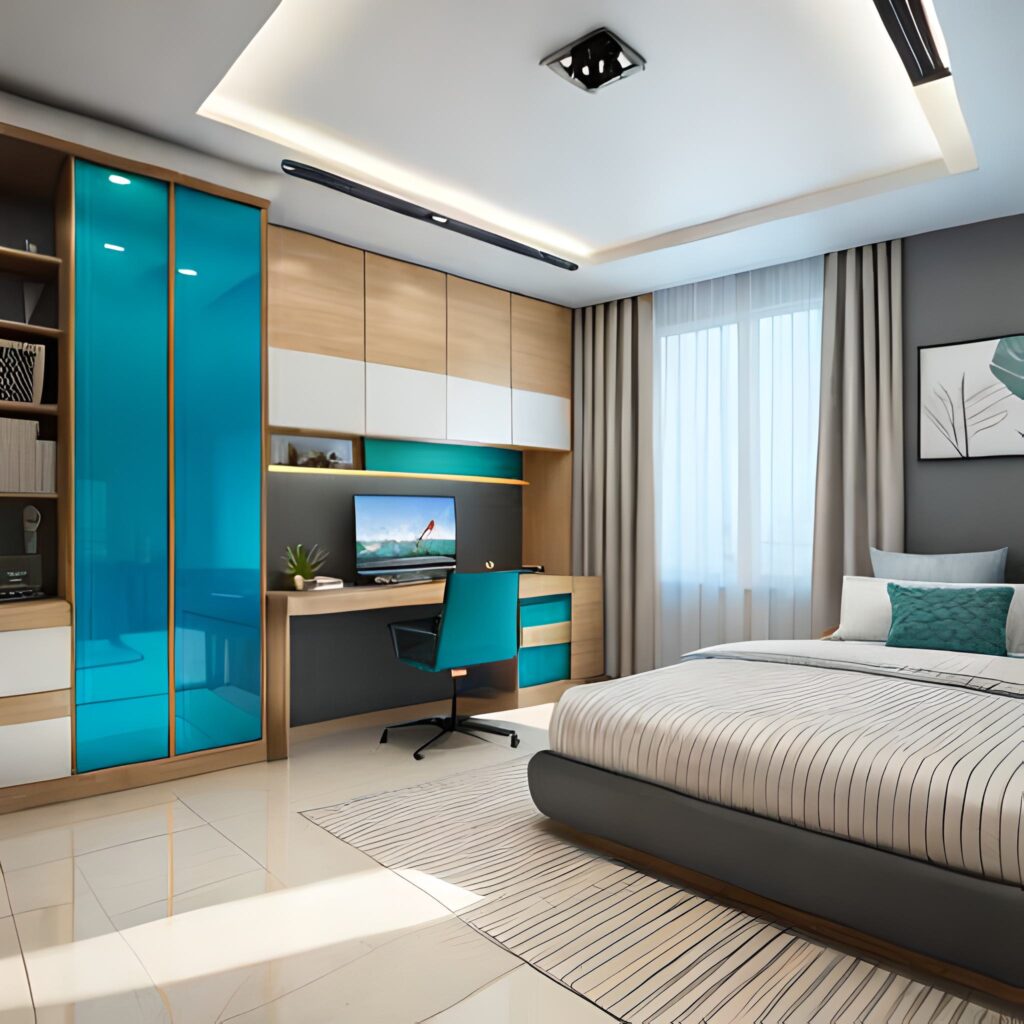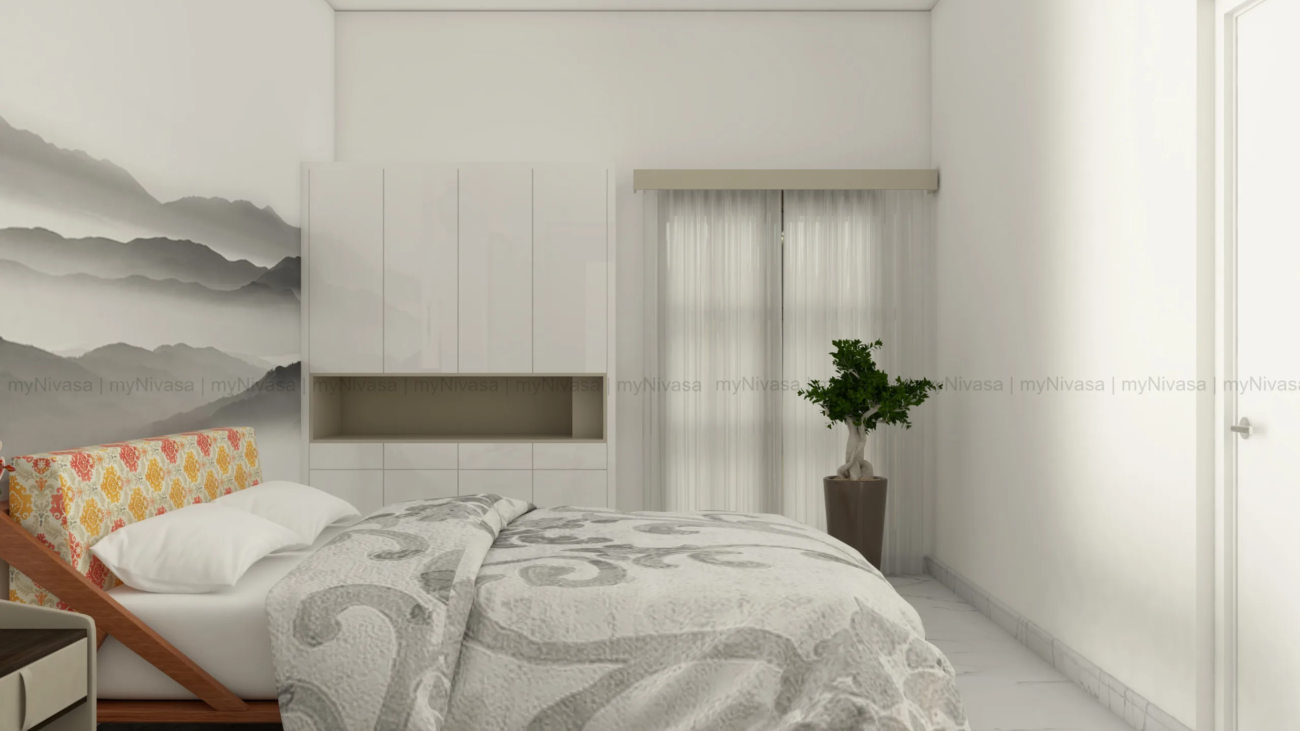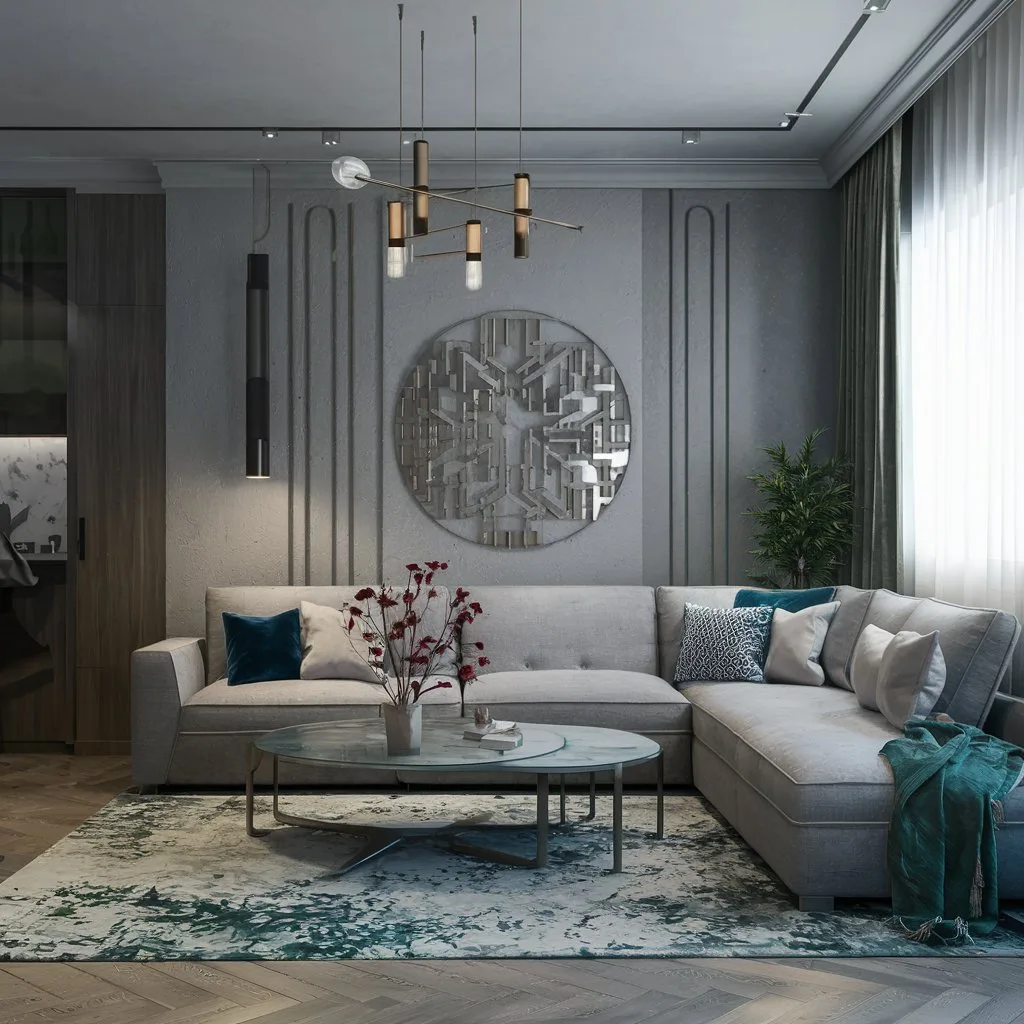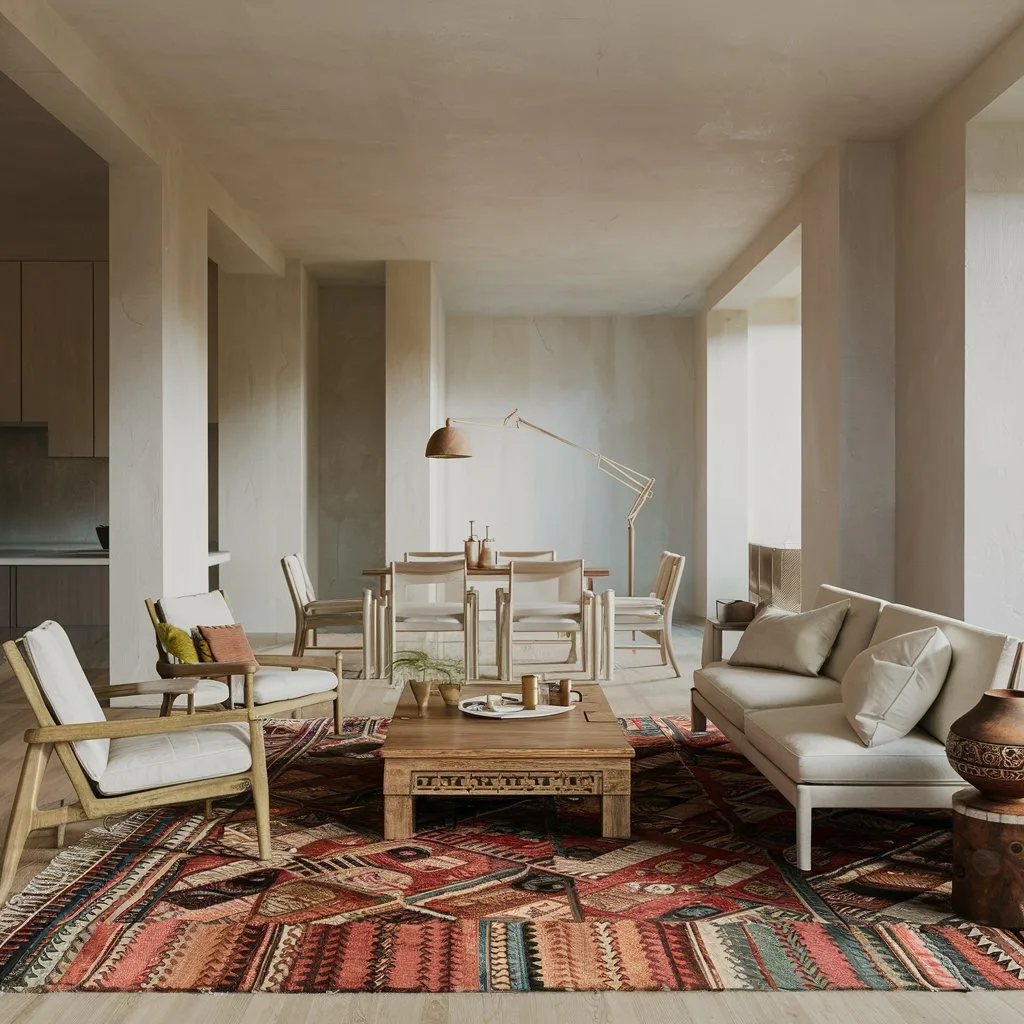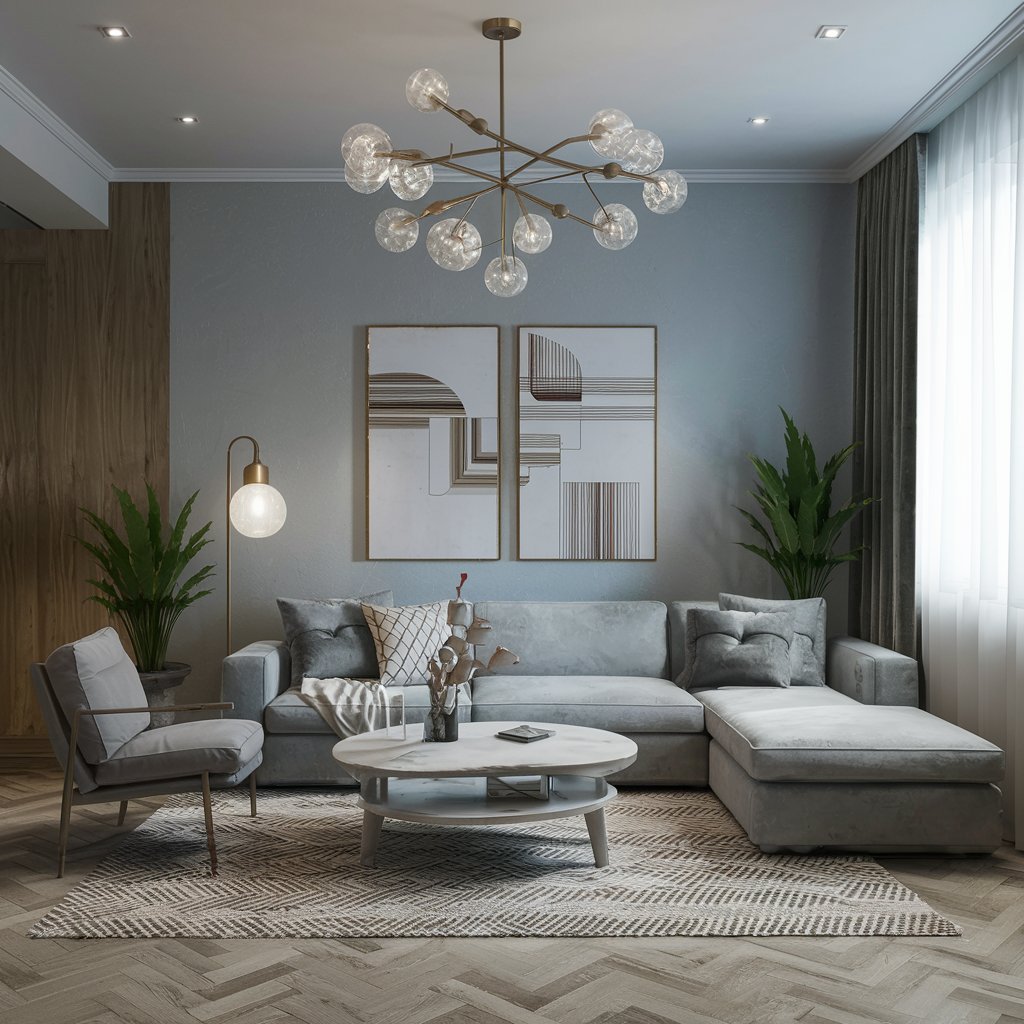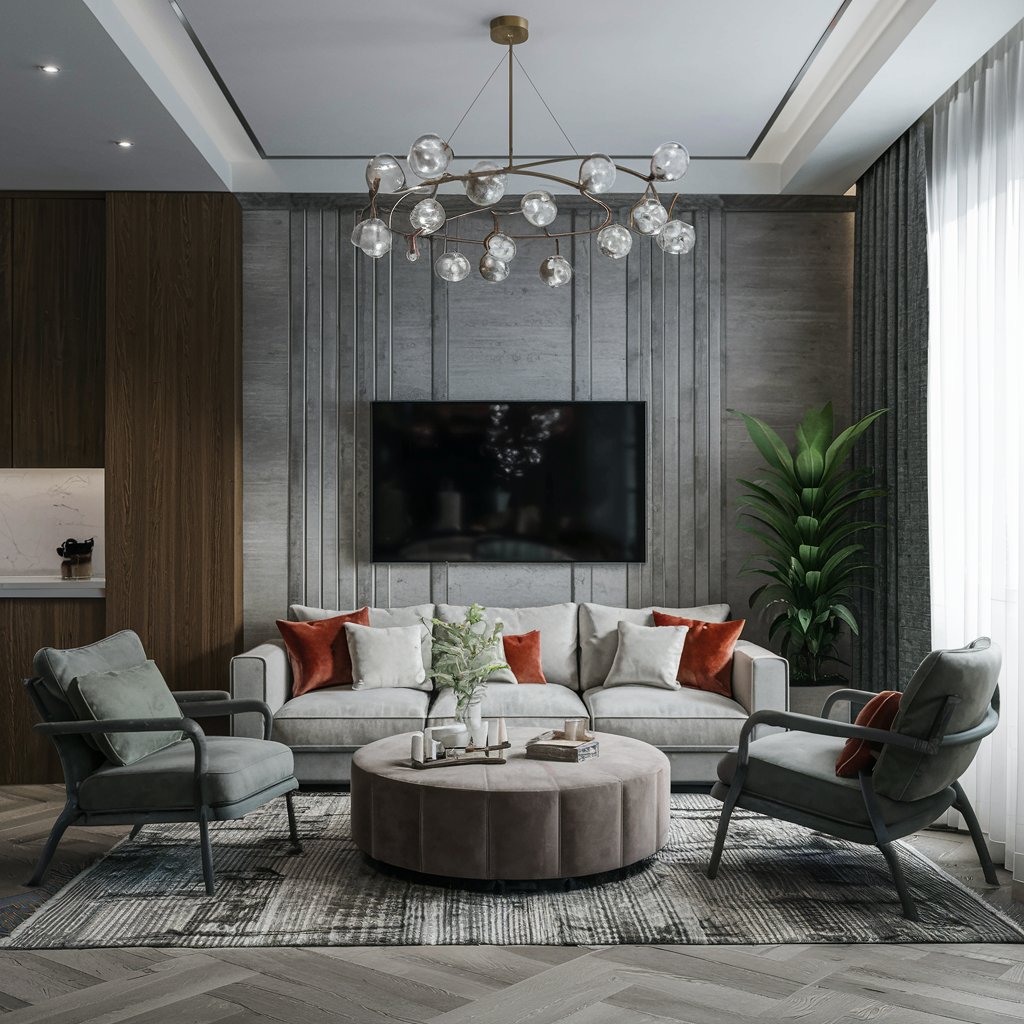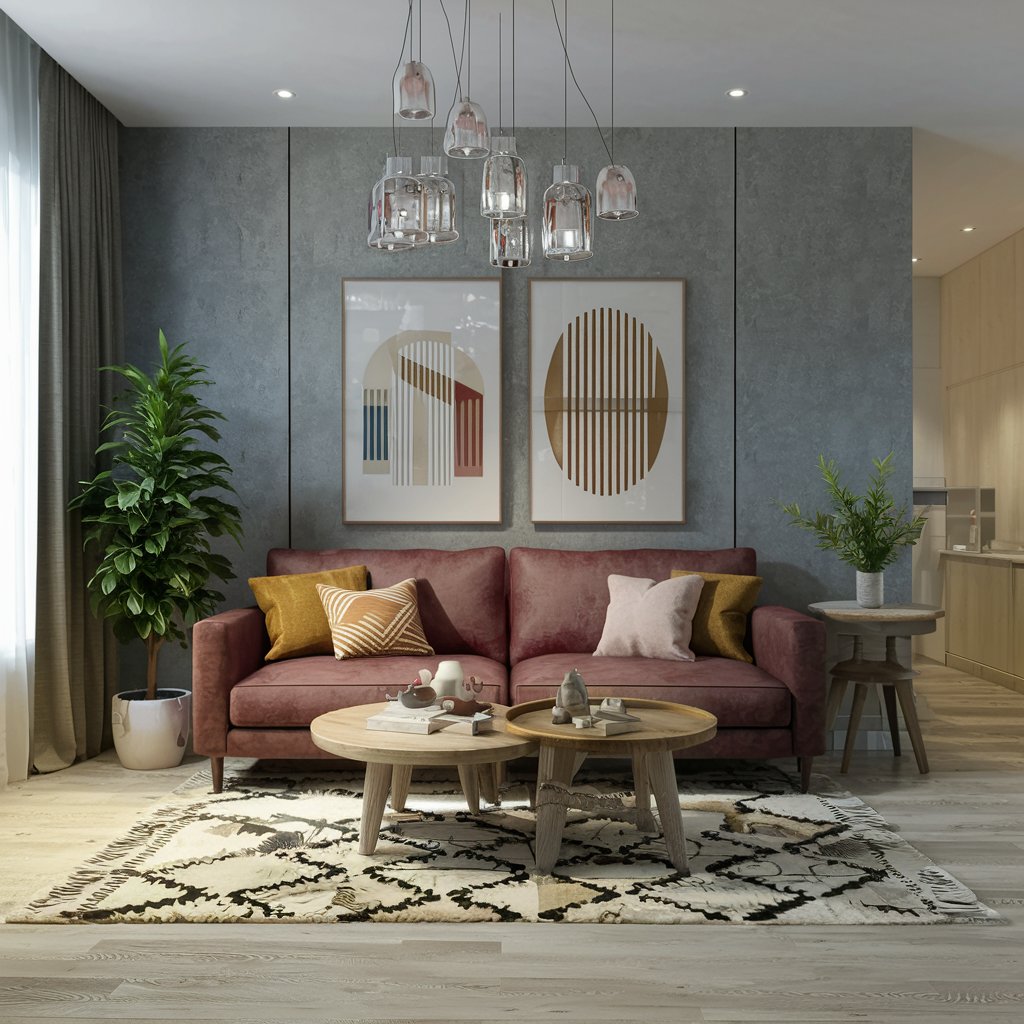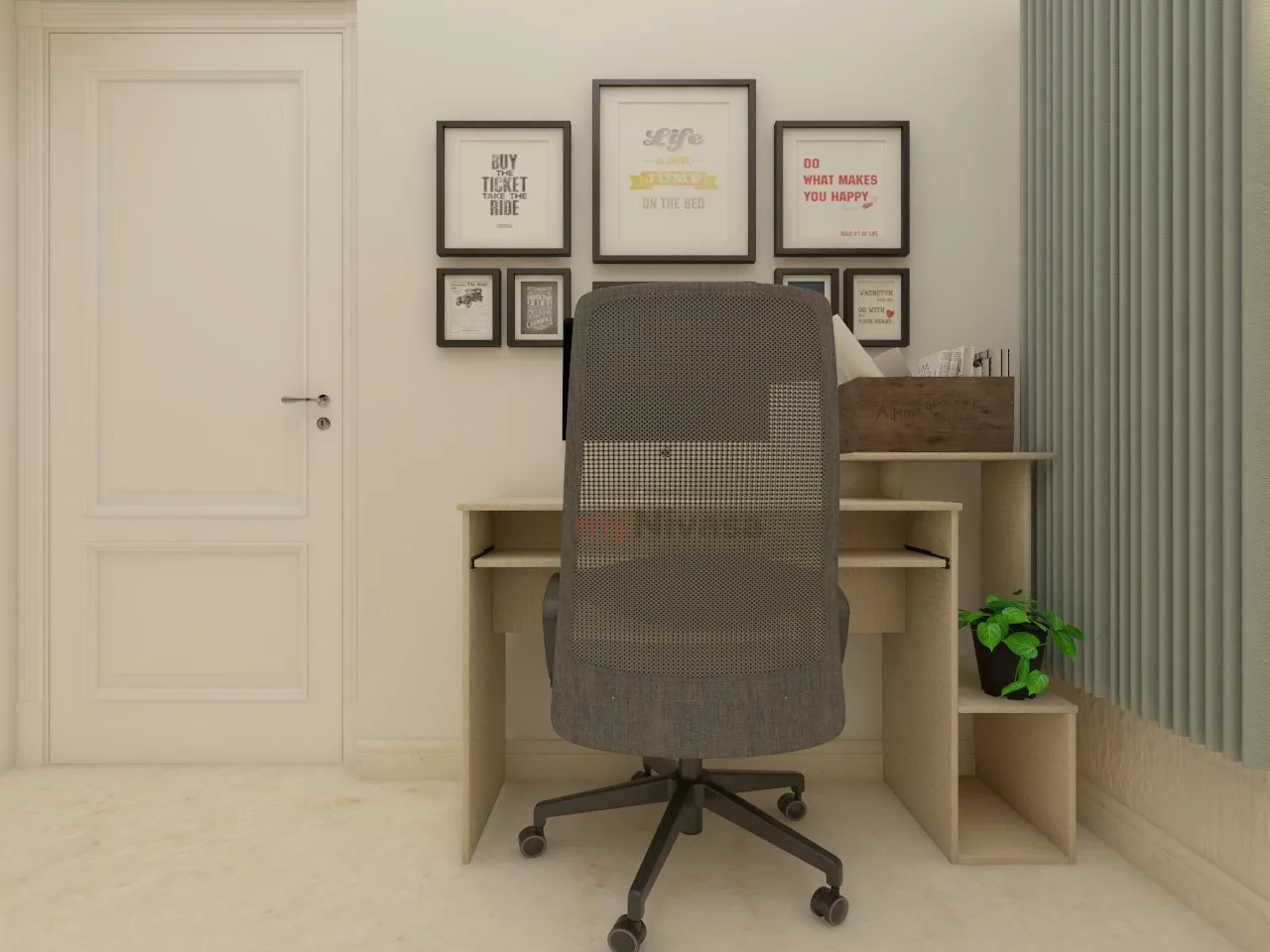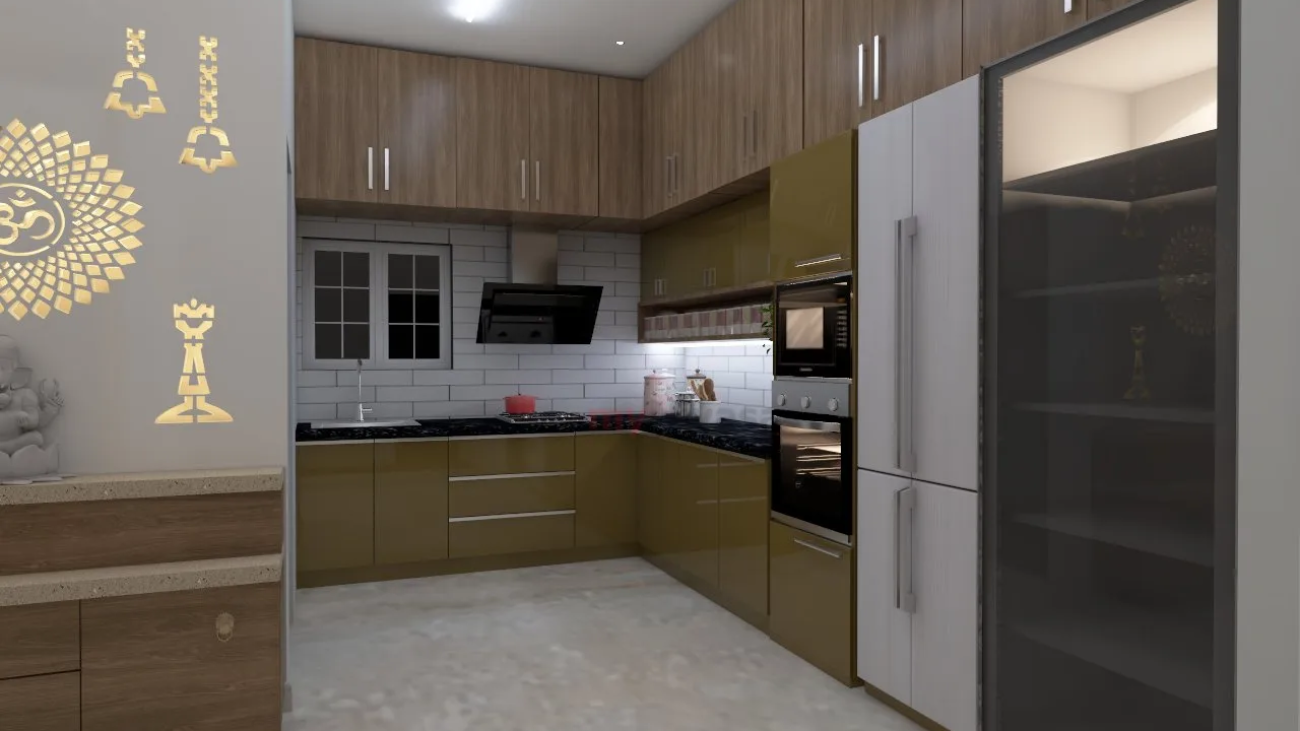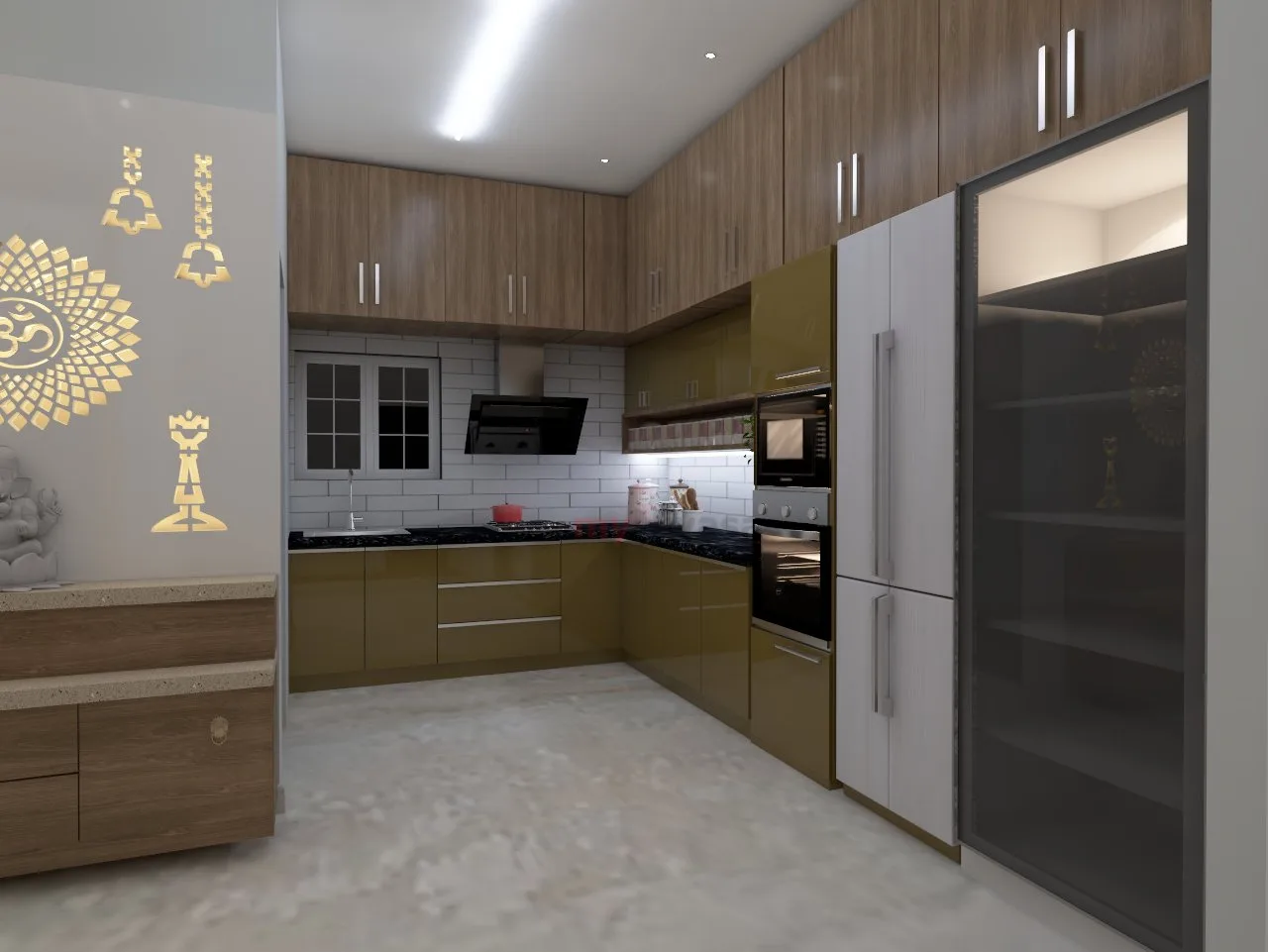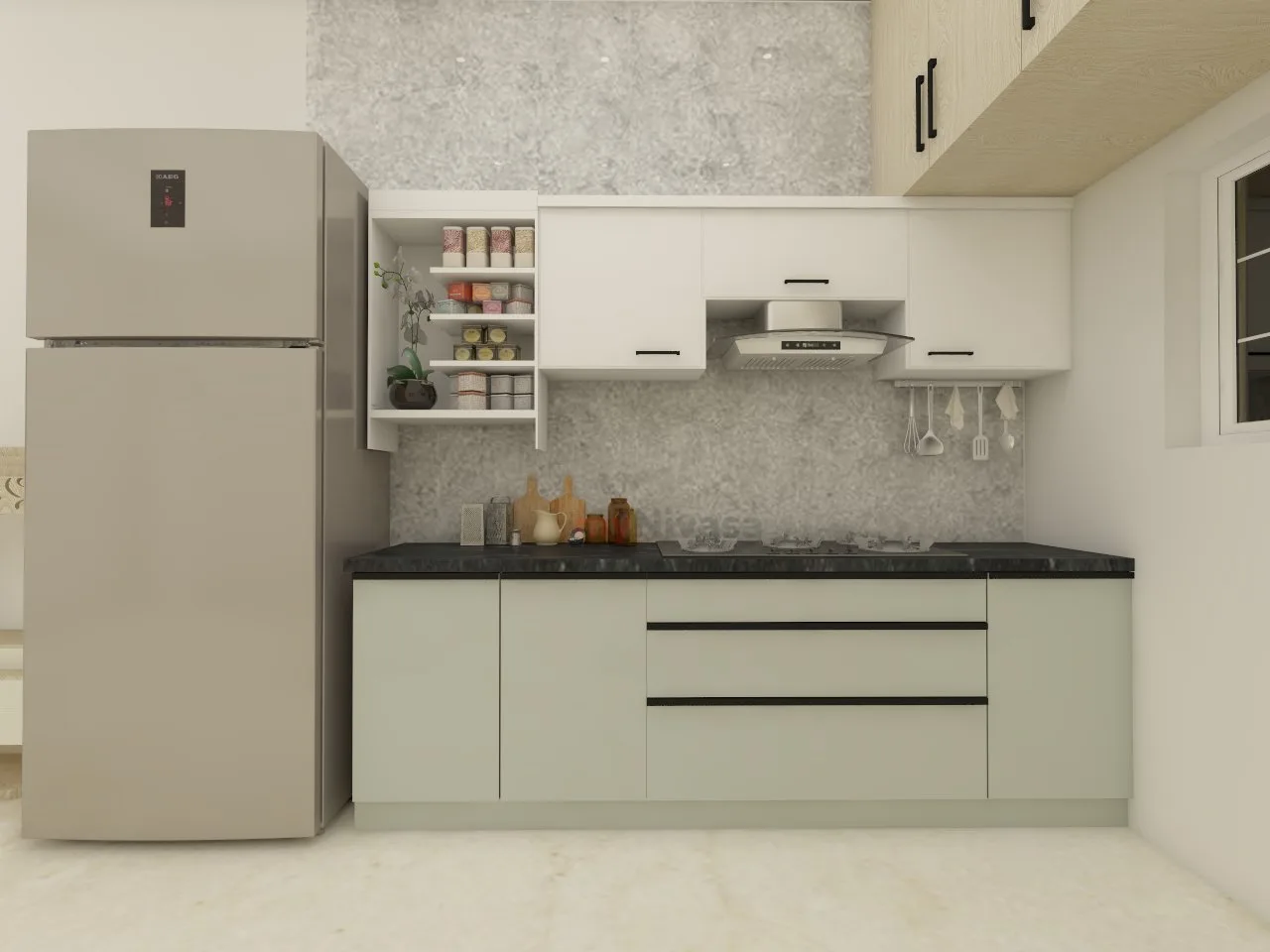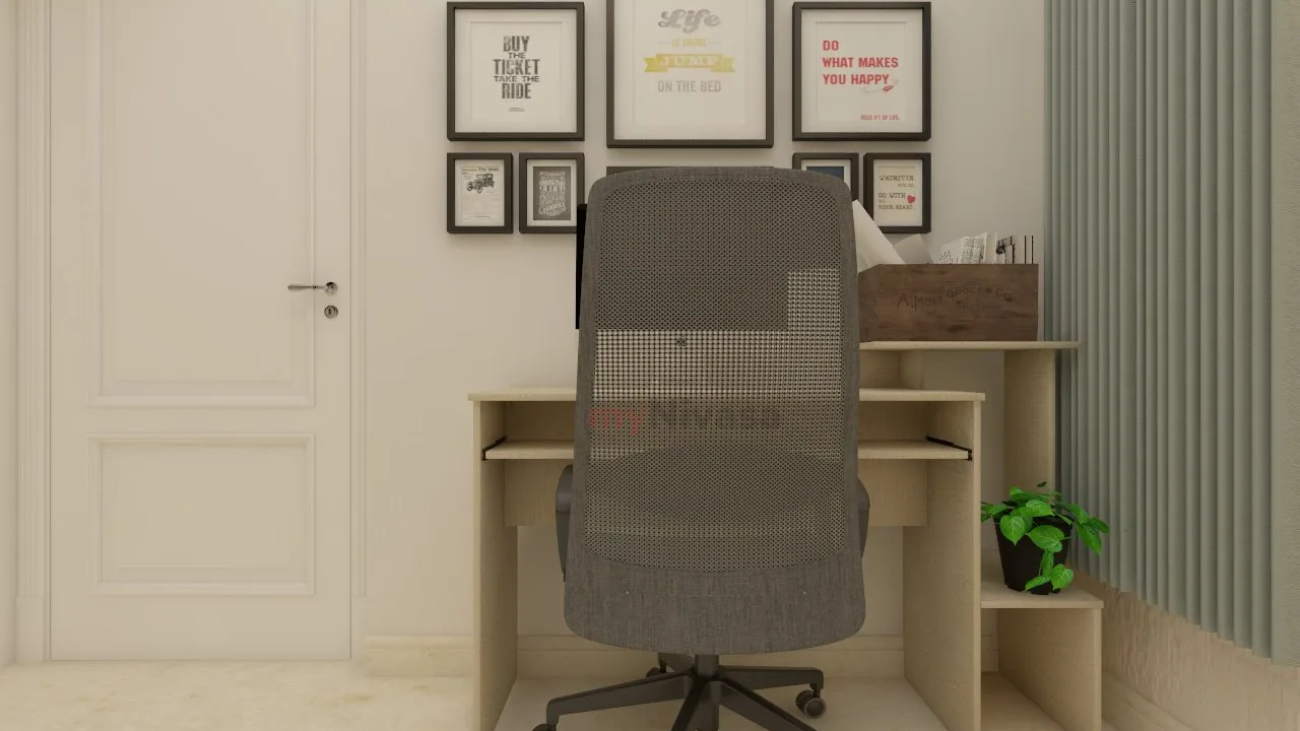
interior design cost breakdown bangalore 2026 modern living room with tv unit and false ceiling realistic interior elements by myNivasa

Interior Design Cost in Bangalore 2026: How Much It Costs by Locality

I am Vishwas Anegundi, founder of myNivasa, and since 2018 I have planned and delivered residential interiors across Bangalore for families in apartments, villas and independent homes.

Last Updated: June 2026 | By Vishwas Anegundi, Founder, myNivasa

A well designed Bangalore home in 2026 balances clean layouts, warm contemporary or Indo fusion styling and durable joinery that suits how your family actually lives. On budget, expect a 2BHK to cost about Rs 4 lakh to Rs 14 lakh and a 3BHK about Rs 6 lakh to Rs 22 lakh for complete interiors, with kitchen and wardrobes alone taking 30 to 40 percent of the figure and 18 percent GST applying on top of most quotes.

Quick Takeaways

  • Full home interior in Bangalore in 2026 ranges from Rs 1,200 per sqft (essential) to Rs 5,000 per sqft and above (signature finish).
  • A 2BHK usually costs Rs 4 lakh to Rs 14 lakh, a 3BHK Rs 6 lakh to Rs 22 lakh, depending on scope and material tier.
  • Warm contemporary, Indo fusion and Japandi minimalism are the leading 2026 looks, with earthy palettes and natural materials.
  • Modular kitchen takes 15 to 25 percent of the budget and wardrobes 12 to 18 percent, so these two decide most of your cost.
  • 18 percent GST applies on most interior works contracts, so a Rs 7 lakh quote becomes about Rs 8.26 lakh all inclusive.
  • South Bangalore localities such as Koramangala command 20 to 35 percent higher rates than East Bangalore areas such as Whitefield.
  • Civil work, painting, loose furniture and appliances are usually billed separately, so always read what a quote excludes.
  • Starting work in the April to July off season can lower contractor rates by 10 to 15 percent.

How much does it cost to do interior design for a home in Bangalore? For most Bangalore families in 2026, complete interiors cost between Rs 4 lakh and Rs 22 lakh, set mainly by home size, the material tier you pick and the locality you live in. A practical mid range 2BHK with modular kitchen, wardrobes, a TV unit and living room false ceiling lands around Rs 7 lakh to Rs 12 lakh before 18 percent GST, and the design itself should feel calm, organised and easy to maintain rather than crowded.

Interior Design Cost in Bangalore 2026 at a Glance

Tier Per sqft (2026) 2BHK (approx 1000 sqft) What you get
Essential Rs 1,200 to Rs 1,800 Rs 4 lakh to Rs 7 lakh Functional kitchen and wardrobes, basic finishes, laminate shutters
Comfort Rs 1,800 to Rs 3,000 Rs 7 lakh to Rs 12 lakh BWR plywood, branded hardware, acrylic or membrane finishes, false ceiling and lighting
Signature Rs 3,000 to Rs 5,000 plus Rs 12 lakh to Rs 18 lakh plus Marine plywood, imported hardware, veneer and stone, custom decor and detailing

All figures above are before 18 percent GST. Treat them as planning bands, not fixed quotes, because final cost depends on layout, material selection and site conditions.

In my years running myNivasa, the homes that feel best are rarely the most expensive ones. They are the ones where the budget was placed where the family lives most, the kitchen, the wardrobes and the living room, and where nothing was bought just to fill a wall.

What does interior design cost in Bangalore include in 2026?

Before we talk numbers, it helps to know what you are actually paying for, because the word interior means very different things to different families. When a Bangalore homeowner asks me how much interior design costs, the honest answer always begins with a question back, which is what scope do you want covered. A standard full home interior package in 2026 usually includes the modular kitchen, wardrobes for every bedroom, a television unit, a shoe rack near the entrance, a false ceiling in the living and dining area, and the basic storage and study units a family needs day to day. Around this core sit the finishes, the hardware, the lighting layout and the styling that decide whether the home looks essential, comfortable or signature.

What many families do not realise at the start is that several items are usually quoted separately rather than inside the headline figure. Loose furniture such as the sofa, the dining table and the beds, soft furnishings such as curtains and rugs, kitchen appliances, civil work like wall changes, and painting of the whole flat are commonly billed on top. This is not a hidden trick, it is simply how the trade structures work in Bangalore, but it is the single biggest reason a quote that looked affordable grows once the home is ready to move into. A clear scope sheet, signed before work starts, is the cheapest insurance you can buy.

Interior design also includes the part you cannot see in a photograph, which is the planning. Good measurement, a layout that respects how your family moves through the home, electrical and plumbing points placed where you will actually need them, and joinery drawings that the carpenter can build without guesswork, all of this is design work. When this planning is skipped to save a design fee, the saving usually reappears later as rework, and rework in interiors is always more expensive than getting it right on paper. So when you compare two quotes, you are not only comparing material rates, you are comparing how much thinking has gone in before a single board is cut.

What affects the look, feel and cost of your interiors?

Six factors decide both how your home feels and what it costs, and understanding them lets you steer the budget instead of being surprised by it. The first is home size, measured in carpet area, because almost everything in interiors is priced per square foot or per running foot. A larger home is not just more expensive in total, it also gives you more wall and floor to either fill thoughtfully or leave calm and open, which is itself a design decision. The second factor is layout. An open layout that lets the living, dining and kitchen flow together feels spacious and modern, while a compartmental layout feels cosy and private, and each needs a different amount of joinery and partitioning.

The third factor is the material tier, and this is where cost moves the most. The same wardrobe built in laminate over particle board, in acrylic over BWR plywood, or in veneer over marine plywood can differ in price by two or three times, while looking broadly similar in a quick glance. The fourth factor is hardware, the hinges, channels and lift up fittings you touch every single day. German brands such as Hettich, Blum and Hafele cost more than local options, but they open smoothly for years and are the difference between a kitchen that ages gracefully and one that starts to sag. The fifth factor is finish and detailing, the false ceiling profiles, the cove lighting, the handle free shutters and the edge banding that quietly signal quality.

The sixth factor, and the one most people underestimate, is locality. In Bangalore, where your home sits changes both the rate card and the logistics. South Bangalore localities such as Koramangala and Indiranagar typically command 20 to 35 percent higher per square foot rates than East Bangalore areas such as Whitefield and Marathahalli, partly because of vendor pricing and partly because of access, parking and society work timings that affect labour. None of these six factors works alone. A small home with a signature material tier can cost more than a large home built essential, which is exactly why a single per square foot number is never the full story.

Interior design cost in Bangalore by home size: 1BHK, 2BHK, 3BHK and villa

Home size is the first number every family wants, so here is the practical reality for 2026, with each band stated before 18 percent GST. These are planning ranges drawn from current Bangalore market rates, and where your project lands inside each band depends on the material tier and locality we discussed above.

A 1BHK or compact apartment, usually 500 to 650 square feet, costs roughly Rs 3 lakh to Rs 7 lakh for complete interiors. This is the sweet spot for warm minimalism and Japandi looks, where a smaller footprint actually helps, because clean lines and a restrained palette make a small home feel open and uncluttered. A 2BHK, the most common Bangalore home at around 800 to 1,200 square feet, costs about Rs 4 lakh to Rs 14 lakh. A standard 1,000 square foot 2BHK in Whitefield or Marathahalli typically runs Rs 4 lakh for a basic functional interior and up to Rs 14 lakh for a premium designer interior with branded hardware, while the same home in a South Bangalore locality will sit higher.

A 3BHK, usually 1,200 to 1,800 square feet, costs about Rs 6 lakh to Rs 22 lakh and above. A useful split inside this is roughly Rs 7 lakh to Rs 12 lakh for a basic but well built interior and Rs 15 lakh to Rs 25 lakh for a luxury finish with premium materials throughout. A villa or large independent home moves beyond these bands entirely, because the scope grows to include multiple living zones, staircases, larger kitchens and often outdoor and utility areas, and here the conversation shifts from per square foot rates to a fully custom estimate. The honest takeaway is that home size sets the starting line, but the tier you choose sets the finishing line.

Home size Typical carpet area Essential Comfort Signature
1BHK / compact 500 to 650 sqft Rs 3 lakh to Rs 4.5 lakh Rs 4.5 lakh to Rs 6 lakh Rs 6 lakh to Rs 8 lakh
2BHK 800 to 1,200 sqft Rs 4 lakh to Rs 7 lakh Rs 7 lakh to Rs 12 lakh Rs 12 lakh to Rs 18 lakh
3BHK 1,200 to 1,800 sqft Rs 6 lakh to Rs 10 lakh Rs 10 lakh to Rs 16 lakh Rs 16 lakh to Rs 25 lakh
Villa / large home 2,000 sqft and above From Rs 12 lakh From Rs 20 lakh Custom estimate

All figures are indicative and before 18 percent GST. A site visit and measured drawing will always produce a tighter number than any table can.

Interior design cost by tier: Essential, Comfort and Signature

At myNivasa we plan most homes in three tiers, because it lets a family choose honestly rather than feel sold to. The Essential tier, at roughly Rs 1,200 to Rs 1,800 per square foot, is built for function and value. It uses laminate finishes over engineered board, standard hardware and a clean simple aesthetic. It is the right choice for a first home, a rental that you want to look neat, or a family that would rather invest now in the kitchen and wardrobes and add decorative layers later. An Essential home does not look cheap when it is planned well, it looks calm and uncluttered.

The Comfort tier, at roughly Rs 1,800 to Rs 3,000 per square foot, is where most Bangalore families settle, and for good reason. Here we use BWR plywood for wet areas, branded hardware such as Hettich or Hafele, acrylic or membrane shutter finishes, a designed false ceiling with layered lighting, and considered storage throughout. The difference you feel in a Comfort home is in the daily touchpoints, drawers that glide, shutters that align, and a kitchen that is genuinely pleasant to cook in. This tier balances durability and appearance without paying for imported luxury you may not need.

The Signature tier, at Rs 3,000 to Rs 5,000 per square foot and above, is for families who want the home to be a long term statement. It uses marine plywood, imported hardware, veneer, natural stone and custom detailing, with finishes and decor selected piece by piece. A Signature home is not simply more material, it is more design time, more site supervision and more bespoke joinery, which is why the rate rises faster than the visible difference at first glance. My advice to families is to be honest about which rooms deserve which tier. Many homes are best built Comfort overall with one or two Signature moments, perhaps the kitchen or the main wardrobe, rather than spending evenly everywhere.

Modular kitchen and wardrobe costs in Bangalore 2026

interior design cost in bangalore 2026 modular kitchen realistic interior by myNivasa

If you remember only one cost fact from this guide, make it this one. The modular kitchen and the wardrobes together decide most of your interior budget, because the kitchen alone takes 15 to 25 percent of the total and wardrobes take another 12 to 18 percent. Getting these two right, and not over specifying the rest, is the single most effective way to control cost without the home feeling cheap.

A modular kitchen in Bangalore in 2026 ranges from about Rs 1.2 lakh to Rs 1.8 lakh for a basic L shape, Rs 1.8 lakh to Rs 3.5 lakh for a standard quality kitchen, and Rs 3.5 lakh to Rs 8 lakh and above for a premium kitchen with high end materials and imported hardware. On a per square foot basis the cabinetry runs from Rs 1,200 to Rs 1,800 for MDF or particle board, Rs 1,800 to Rs 2,500 for HDHMR, Rs 2,500 to Rs 3,500 for BWP plywood, and Rs 3,500 to Rs 5,000 and above for marine plywood with premium finishes. Because the kitchen lives with water, heat and daily heavy use, this is the one place I always advise families not to drop to the lowest tier, since a failed kitchen carcass is expensive and disruptive to replace.

Wardrobes follow similar material logic. A practical reference point many Bangalore families find useful is that three wardrobes plus a modular kitchen for a 3BHK, built in good quality plywood, land around Rs 2.5 lakh as a starting figure, before finishes, internal accessories and sliding versus hinged shutter choices push the number up. Sliding shutters save floor space and look sleek but cost more than hinged ones, and internal organisers, soft close fittings and lift up units all add convenience and cost. The smart approach is to specify the carcass material well, then choose accessories selectively where they earn their keep.

Material Kitchen per sqft Best for Durability
MDF / particle board Rs 1,200 to Rs 1,800 Tight budgets, rentals Low to moderate, avoid wet zones
HDHMR Rs 1,800 to Rs 2,500 Value with better moisture resistance Moderate
BWP / BWR plywood Rs 2,500 to Rs 3,500 Most family kitchens High, handles Bangalore humidity
Marine plywood Rs 3,500 to Rs 5,000 plus Premium, long term homes Very high

Traditional vs Contemporary vs Fusion: which style fits your home?

Style is where personality enters the project, and in 2026 Bangalore homes are leaning in three clear directions. The contemporary and minimalist direction is defined by clean lines, soft neutral colours and open layouts. It suits compact apartments and busy lifestyles beautifully, because it creates a visual impression of openness and calm and is quick to keep tidy. Warm minimalism, where neutral does not mean cold but instead uses beige, warm wood and soft texture, is the most requested look I see for full home projects, especially in 2BHK and compact homes where every extra object competes for space.

The traditional direction honours craft and culture, with carved wooden furniture, brass accents, ethnic textiles and richer colour. Pure traditional is rarer in apartments today, but its elements are loved, and this is where fusion comes in. Indo fusion, sometimes called global design with a local soul, is arguably the defining 2026 look. It places handcrafted elements such as brass inlays and cane weaving inside otherwise contemporary settings, so the home feels modern and easy to live in while still carrying warmth and identity. Japandi, a calm blend of Japanese restraint and Scandinavian warmth, is the other rising favourite for compact homes.

Choosing between these is less about fashion and more about how you live. A young family that wants low maintenance and a sense of space will usually be happiest in warm contemporary. A family that hosts often and loves character will enjoy Indo fusion, where a few crafted pieces do a lot of work. The cost implication is real but manageable. Contemporary tends to be the most budget friendly because it relies on clean finishes rather than ornamentation, fusion sits slightly higher because crafted accents and mixed materials add labour, and heavily traditional joinery is the most expensive because carving and detailing are time intensive. A good designer helps you get the feeling of your preferred style without buying every element of it.

Material choices, durability and cost

interior design cost in bangalore 2026 plywood laminate hardware material detail by myNivasa

Material is where appearance, longevity and budget meet, and in Bangalore the climate makes durability a genuine consideration rather than a luxury. Our humidity, especially through the monsoon, is unkind to cheap engineered boards in wet zones, which is why plywood grade is the most important material decision in the home. For the carcass, BWR or BWP plywood is the dependable middle path for most families, marine plywood is the premium long life choice for kitchens and bathrooms, and MDF or particle board should be limited to dry, low stress areas if used at all.

On surfaces, the 2026 palette has moved decisively toward natural and warm. Responsible, increasingly popular materials include bamboo, reclaimed wood, stone and terracotta, all of which create an organic, grounded look while being durable. For shutters and finishes, laminate is the value option, acrylic and membrane give a smooth modern face at mid cost, and veneer and natural stone sit at the premium end where you want depth and character. The earthy colour direction, beige, terracotta, muted greens and soft browns, pairs naturally with these materials and creates an inviting, cosy visual impression that also hides daily wear better than stark white.

The cost lesson in materials is to spend on what works hard and is hard to change, and economise on what is easy to refresh. Carcass plywood, kitchen counters and hardware are difficult and disruptive to replace later, so they deserve the better tier. Paint colour, decor, curtains and styling are inexpensive to change every few years, so there is no need to overspend on them at the start. A home built on this principle stays sound for a decade while still letting you update its look as trends and your taste evolve.

Design principles and vastu for Bangalore homes

Many Bangalore families ask for their homes to respect traditional vastu principles, and a good interior plan can honour these without forcing awkward compromises. The common traditional preferences are a kitchen placed toward the south east, the main bedroom toward the south west, a pooja or prayer space toward the north east, and entrances and heavy storage arranged so that movement through the home feels open rather than blocked. These are long held traditional guidelines, and we treat them as design inputs that sit alongside daylight, ventilation and how your family actually uses each room.

The practical art is balance. Sometimes a flat as built does not allow a textbook vastu placement, and in those cases we adapt with thoughtful layout and storage rather than expensive structural change. Respecting tradition should not mean fighting the home. When vastu preference, natural light and daily convenience point in slightly different directions, the best result usually comes from a calm compromise that the family feels good about, not a rigid rulebook. Stating your vastu priorities clearly at the design stage costs nothing and prevents expensive changes later, which is itself a budget benefit.

Layout variants that shape how a home lives

Layout is free to think about and expensive to ignore, so it deserves real attention before any joinery is ordered. The open plan layout, where living, dining and kitchen share one connected space, is the most requested modern choice. It makes a home feel larger and more social, suits warm contemporary styling, and works especially well in 2BHK apartments where borrowed sightlines create a sense of space. The trade off is that cooking smells and sounds travel, so an open kitchen needs good chimney planning and tidy daily habits.

The semi open layout keeps a light partition, a breakfast counter or a sliding screen between kitchen and living, giving most of the openness while containing the working mess of a kitchen. The compartmental layout, with defined separate rooms, suits families who value privacy, multi generation households, and homes where a quiet study or prayer space matters. Each layout asks for a different amount of joinery, partitioning and lighting, so the layout you choose quietly sets a baseline for cost before any material is picked. Deciding layout early, with the whole family in the room, is one of the highest value, lowest cost steps in the entire project.

Storage solutions that earn their space

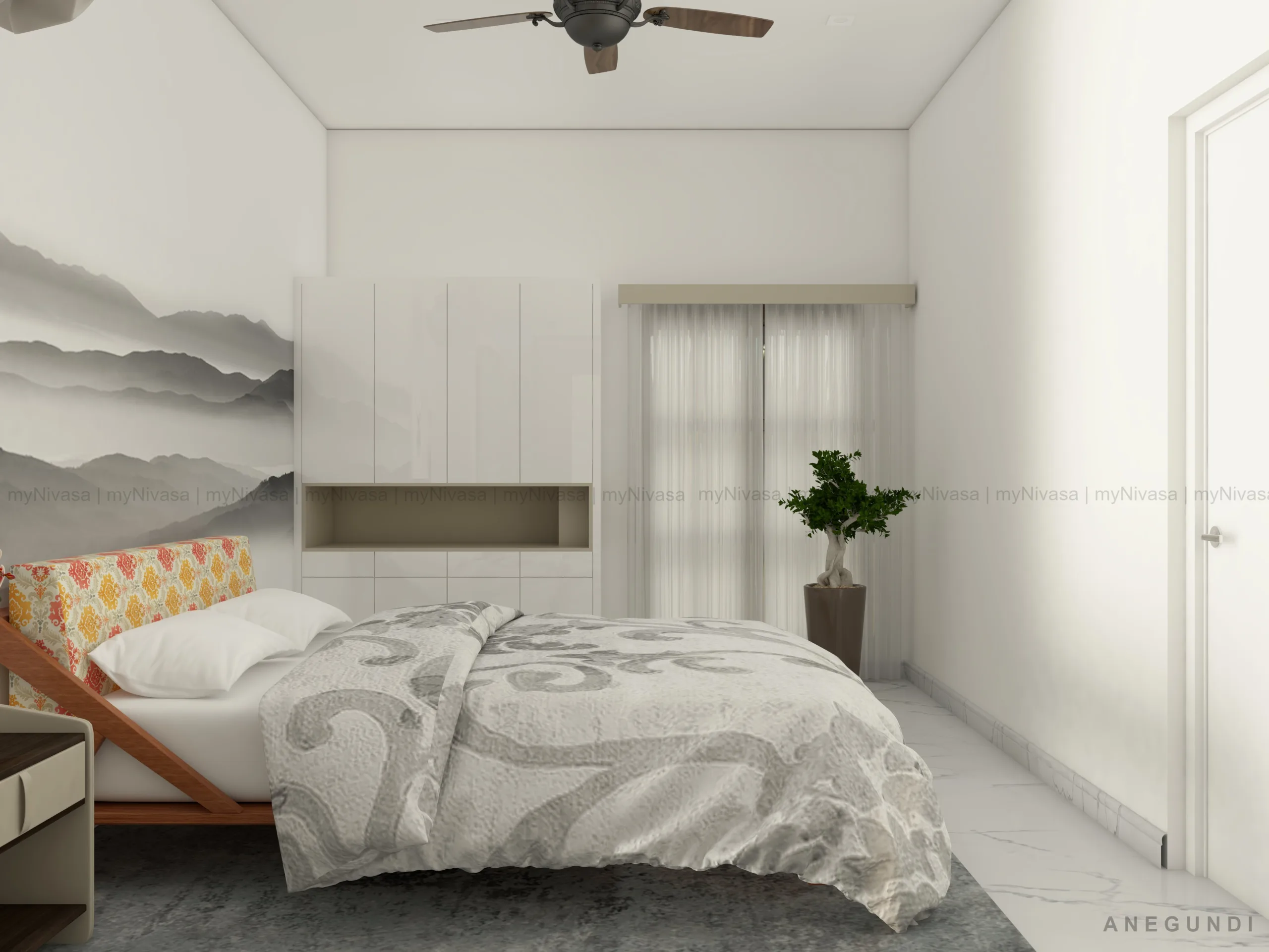
interior design cost in bangalore 2026 bedroom wardrobe realistic interior by myNivasa

Storage is where good design quietly pays for itself, because the right storage removes clutter and clutter is what makes a home feel small and tiring. The principle I follow is to put storage where the activity happens. Tall pull out units beside the hob keep cooking essentials within reach, a well planned wardrobe with the right mix of hanging, shelving and drawers ends the daily search for things, and a slim entrance unit for shoes and keys stops the doorway becoming a dumping ground. None of this needs to be elaborate, it needs to be matched to your real belongings.

In compact Bangalore apartments, the best storage often hides in places that would otherwise be wasted, under the bed, above door height, inside a window seat, or in the dead corner of an L shaped kitchen with a carousel unit. Multi functional furniture, a bed with drawers or a sofa that opens, adds capacity without adding footprint. The cost of storage is mostly carcass material and accessories, so the same rule applies, specify the box well and add internal organisers selectively. Done right, storage is the feature families thank their designer for years later, long after they have stopped noticing the colour of the walls.

Lighting layers that add depth

Lighting is the most underrated and most affordable way to transform how a home feels. The approach is to think in three layers. Ambient lighting, the general fill from ceiling lights or cove lighting, sets the base level of the room. Task lighting, focused light under kitchen cabinets, beside the bed or over a study, puts brightness exactly where you work. Accent lighting, a spotlight on art, a strip behind a wall panel or a warm pendant over the dining table, adds character and draws the eye. A home lit on only one flat layer feels dull, while the same home with three layers feels considered and inviting.

The good news for the budget is that layered lighting is largely about planning the points and switches early, which costs little, rather than buying expensive fittings, which is optional. Warm white tones around 2700 to 3000 kelvin create a cosy ambient atmosphere in living rooms and bedrooms, while slightly cooler light suits the kitchen and study where you need clarity. Getting the electrical points placed correctly at the start avoids surface wiring and patch up work later, so lighting is another area where early planning protects both the look and the wallet.

Colour schemes that make a space feel right

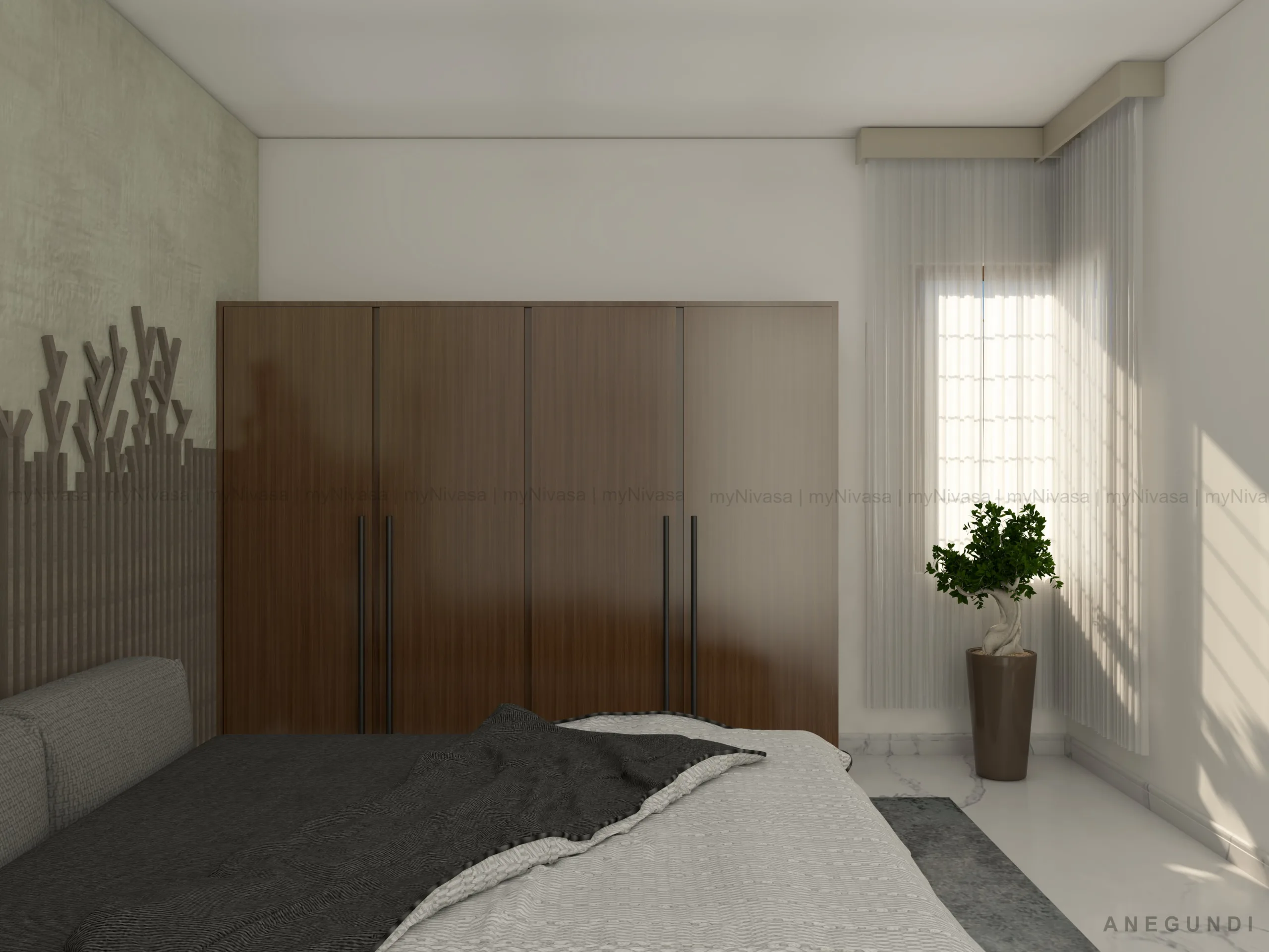
interior design cost in bangalore 2026 styled master bedroom realistic interior by myNivasa

Colour is the cheapest tool in interiors and the one that changes mood the most, so it is worth choosing with intention rather than habit. The dominant 2026 direction in Bangalore homes is earthy and warm, beige, terracotta, muted greens and soft browns, which create an inviting, cosy visual impression and pair naturally with wood and stone. These tones also age gracefully, hiding everyday marks better than stark white and staying pleasant year after year. For families who love brightness, the trick is to keep walls calm and let colour arrive through textiles, art and a single accent wall, which is far easier and cheaper to change later.

A simple guide that works in most homes is to keep large surfaces neutral, mid tones on the medium elements such as furniture and shutters, and the boldest colour reserved for small accents. This keeps a room from feeling busy and lets it feel spacious. Warm tones in living and dining areas create a welcoming feel for guests, restful muted tones suit bedrooms, and a slightly fresher palette lifts a kitchen. Because paint and soft furnishings are inexpensive relative to joinery, colour is the one part of your home you can refresh every few years without a major spend, so there is no need to treat the first choice as permanent.

Hidden costs and GST you must plan for

The gap between the quote you sign and the money that actually leaves your account is almost always made of two things, taxes and excluded items, and both are predictable if you know to look for them. First, GST. Interior work is treated as a works contract and attracts 18 percent GST on the contract value. Most designers in Bangalore quote prices excluding this, so a Rs 7 lakh quote becomes about Rs 8.26 lakh once tax is added. This is not optional or negotiable, so the only mistake you can make is failing to budget for it. Always ask plainly whether a quote is inclusive or exclusive of GST before you compare two of them, because an exclusive quote will always look cheaper than an inclusive one for the same work.

Second, the items that sit outside a standard package. Based on current Bangalore rates, the common extras are electrical changes at about Rs 15,000 to Rs 40,000, plumbing work at Rs 10,000 to Rs 30,000, painting of the flat at Rs 15 to Rs 35 per square foot, civil work at Rs 20,000 to Rs 60,000, transportation at Rs 8,000 to Rs 20,000, installation at Rs 5,000 to Rs 15,000, post work deep cleaning at Rs 3,000 to Rs 8,000, and miscellaneous at Rs 10,000 to Rs 25,000. A false ceiling, if not already in your package, adds roughly Rs 50,000 to Rs 1.5 lakh, with gypsum and POP starting around Rs 75 to Rs 105 per square foot and PVC at Rs 160 to Rs 185 per square foot.

Added together, these extras can amount to a meaningful share of a mid range project, so the wise move is to ask for a written exclusions list at the quotation stage and to keep a contingency of about 10 percent of your budget. A family that plans for GST and extras from day one experiences interiors as a calm process. A family that does not is the one that feels ambushed near handover, even when no one did anything wrong. Transparency on these numbers is exactly why I insist every myNivasa estimate states what is included, what is extra, and whether GST is added.

Hidden or extra item Typical Bangalore cost 2026
18 percent GST on works contract Adds Rs 1.26 lakh on a Rs 7 lakh quote
Electrical changes Rs 15,000 to Rs 40,000
Plumbing work Rs 10,000 to Rs 30,000
Painting Rs 15 to Rs 35 per sqft
Civil work Rs 20,000 to Rs 60,000
False ceiling (if extra) Rs 50,000 to Rs 1.5 lakh
Transport, installation, cleaning Rs 16,000 to Rs 43,000 combined

Locality cost reality: Whitefield, Koramangala and HSR

Where your home sits in Bangalore changes the bill, and the difference is large enough to plan around. As a broad rule, South Bangalore localities such as Koramangala and Indiranagar command 20 to 35 percent higher per square foot rates than East Bangalore areas such as Whitefield and Marathahalli. The reasons are practical, including vendor pricing in the area, transport distance, parking and access for material delivery, and apartment society work timing rules that can stretch a project and add labour cost. HSR Layout typically sits in between, closer to the South Bangalore end given its central south east position and the premium of its housing.

What this means in rupees is straightforward. A Comfort tier 2BHK that costs around Rs 9 lakh in Whitefield might be quoted closer to Rs 11 lakh to Rs 12 lakh for identical scope in Koramangala, simply because of the locality factors above. None of this is a reason to choose one area over another, since you live where you live, but it is a strong reason to get a locality specific quote rather than relying on a city average. When families ask me why a neighbour paid less for what looks like the same kitchen, the answer is very often locality and material tier rather than anyone being overcharged.

There is also a timing lever that works across all localities. Contractor and labour rates in Bangalore tend to soften by about 10 to 15 percent in the April to July off season, when demand is lower. If your move in date is flexible, planning your interiors to be executed in this window can save a real amount on the same scope. Pairing a locality specific quote with off season execution is one of the most reliable ways to get a better number without cutting quality.

How to save on interiors without making the home feel cheap

Saving money well is a design skill, not a matter of buying the cheapest of everything, and the families who do it best follow a few clear habits. The first is to spend where it is hard to change and economise where it is easy. Carcass plywood, the kitchen, hardware and electrical points are difficult and disruptive to upgrade later, so they deserve the better tier, while paint, decor, curtains and styling are cheap to refresh, so there is no need to overspend on them at the start. The second habit is to build Comfort overall with one or two Signature moments, rather than spreading a premium budget thinly across every wall.

The third habit is to plan the layout and storage thoroughly before ordering, because rework is the most expensive line item in any project and almost all of it comes from decisions changed midway. The fourth is to time the work for the April to July off season where possible, and to get locality specific quotes so you are comparing like with like. The fifth is simply to insist on a clear scope and exclusions sheet with GST stated, so your budget reflects the true all in number from day one. Done together, these habits routinely save 15 to 25 percent on a project while making the home feel more considered, not less, because the savings come from discipline rather than from cutting the parts you touch every day.

Why Bangalore homeowners choose myNivasa

At myNivasa we plan homes the way I would want my own planned, with the budget placed where the family actually lives and nothing bought just to fill space. Every estimate states clearly what is included, what is billed separately and whether GST is added, because the unpleasant surprises in interiors come from vague quotes far more than from honest prices. We work in the three tier structure, Essential, Comfort and Signature, so families can choose openly and place premium tiers only where they matter, and we plan layout, storage and lighting carefully on paper before any board is cut, since that is where both the quality and the savings are won.

We serve homeowners across Bangalore, including Whitefield, Marathahalli, Koramangala, Indiranagar, HSR Layout, Sarjapur Road, Electronic City, Hebbal, Yelahanka and JP Nagar, with locality specific quotes rather than city averages. Our promise is simple, a home that works for how you live, finishes that suit Bangalore's climate, and a number you understood before you signed it. If you are weighing up what your home should cost, the most useful next step is a measured site visit, because a real drawing always produces a tighter figure than any guide.

Comparison tables to plan your budget

To bring the numbers together, here are two quick reference comparisons. The first shows where your money typically goes inside a complete interior, so you can see why the kitchen and wardrobes dominate the budget. The second compares the three tiers on the choices that matter most. Use them as a planning aid, then refine with a site specific quote.

Component Share of budget Why it matters
Modular kitchen 15 to 25 percent Heaviest daily use, hardest to replace
Wardrobes 12 to 18 percent Decides everyday tidiness
False ceiling and lighting 10 to 15 percent Sets mood and sense of space
TV unit, storage, study 10 to 15 percent Function and finish of living areas
Finishes, decor, styling 10 to 20 percent Easy to refresh later
Civil, painting, extras and GST Plan separately Often excluded from headline quote
Choice Essential Comfort Signature
Carcass Engineered board BWR plywood Marine plywood
Shutter finish Laminate Acrylic or membrane Veneer, stone
Hardware Standard Hettich or Hafele Imported premium
Per sqft Rs 1,200 to Rs 1,800 Rs 1,800 to Rs 3,000 Rs 3,000 to Rs 5,000 plus

How long do interiors take, and how are payments staged?

Cost and time are linked, so it helps to know the rhythm of a project before you commit. A typical Bangalore apartment interior, from final design sign off to handover, takes about 45 to 75 days for a 2BHK and 60 to 90 days for a 3BHK, assuming decisions are made on schedule and society work timings cooperate. The design and approval stage that comes before this, including measurement, drawings and material selection, usually takes another two to four weeks, and it is time well spent because every decision settled here prevents delay and rework later. Projects run late far more often because of mid course changes than because of slow execution, which is why I keep returning to the value of planning thoroughly up front.

Payments in interiors are almost always staged rather than paid in one go, and understanding the structure protects you. A common and fair pattern is a booking or design advance to begin drawings, a larger payment on confirmation of the order to procure material, a further stage payment as fabrication and installation progress, and a final balance on handover once you have inspected the work. The principle to insist on is that your payments should track delivered progress, never run far ahead of it. A schedule where the bulk is due only as material arrives and work is installed keeps both sides honest and gives you leverage to ensure quality.

This staging also lets you manage cash flow sensibly. Because the kitchen and wardrobes are both the costliest and the longest lead items, their material payment usually falls early, while finishing, lighting and styling payments fall later. Knowing this, families can plan their funds rather than be caught short midway. Always ask for the payment schedule in writing alongside the quote, tied to clear milestones, so there is no ambiguity about what is due and when. A transparent payment plan is as much a sign of a trustworthy firm as a transparent price.

Package, independent designer, or turnkey firm: which gives better value?

How you buy interiors changes both the cost and the experience, and the three common routes each suit a different family. A fixed package, often advertised at a headline per square foot rate, is the simplest to understand and can be good value for a straightforward home, but the saving depends entirely on reading what the package excludes. Packages keep their rate low by standardising material and limiting customisation, so they work best when your taste fits the standard and you do not need bespoke joinery. The risk is the gap between the advertised rate and the all inclusive figure once extras and GST are added, which is exactly the gap this guide has tried to make visible.

An independent designer offers personal attention and creative flexibility, and is often the right choice for a home where character and a specific vision matter. The trade off is that you typically coordinate execution across separate vendors, which gives control but asks more of your time and judgement. A turnkey firm sits between these, taking responsibility for design and execution end to end, so you deal with one accountable party from drawing to handover. For most busy Bangalore families this single point of accountability is worth a great deal, because it converts dozens of small decisions and follow ups into one managed relationship.

The honest way to compare them is not by headline rate but by total delivered value, which means the all inclusive cost, the quality of material and hardware, the clarity of the scope, and how much of your own time the route will consume. A slightly higher quote from a firm that states everything clearly, stands behind its work and saves you weeks of coordination is frequently cheaper in real terms than a low headline rate that grows and demands your constant attention. Choose the route that fits your taste, your time and your appetite for managing detail, and judge every quote on the same all inclusive, like for like basis.

A real budget example: planning a 1,000 sqft 2BHK

Numbers feel abstract until you see them assembled, so let me walk through a realistic Comfort tier 2BHK of about 1,000 square feet in an East Bangalore locality such as Whitefield, built in 2026. We will keep it to what a typical family genuinely needs, not a showroom. The modular kitchen, built in BWR plywood with branded hardware and acrylic shutters, comes to roughly Rs 2.5 lakh. Three wardrobes across two bedrooms, in the same material logic with a mix of hinged and one sliding unit, come to about Rs 2.8 lakh. A television unit with storage in the living room adds around Rs 70,000, and an entrance shoe rack with a small crockery or utility unit adds about Rs 60,000.

Now the surfaces and atmosphere. A false ceiling in the living and dining area with cove and accent lighting comes to roughly Rs 1.1 lakh, and the layered lighting points and fittings across the home add about Rs 60,000. A study or work from home nook, which almost every Bangalore family now wants, adds around Rs 50,000. That core joinery and finishing package totals close to Rs 9 lakh before tax, which sits squarely in the Comfort band for a 2BHK. So far this is the figure most families have in their head, and if the project stopped here the math would be clean.

The complete picture, though, includes the layers families often forget. Painting the full flat at Rs 25 per square foot adds about Rs 25,000, electrical changes about Rs 30,000, minor civil work about Rs 35,000, and transport, installation and post work cleaning together about Rs 35,000. That brings the pre tax total to around Rs 10.6 lakh. Apply 18 percent GST and the all inclusive figure lands near Rs 12.5 lakh. Loose furniture such as the sofa, dining set and beds, plus curtains and appliances, sit outside this and are budgeted by the family separately, often a further Rs 2 lakh to Rs 4 lakh depending on taste. The lesson is not that interiors are expensive, it is that the honest number is the all inclusive one, and a family that sees it early plans calmly.

Line item (Comfort 2BHK, 1,000 sqft) Approx cost
Modular kitchen (BWR ply, branded hardware) Rs 2.5 lakh
Three wardrobes Rs 2.8 lakh
TV unit, shoe rack, utility units Rs 1.3 lakh
False ceiling and lighting Rs 1.7 lakh
Study nook Rs 0.5 lakh
Painting, electrical, civil, logistics Rs 1.25 lakh
Subtotal before GST Rs 10.6 lakh
18 percent GST Rs 1.9 lakh
All inclusive total Rs 12.5 lakh approx

Move the same home to a South Bangalore locality and the figure rises by 20 to 35 percent for identical scope, while dropping to the Essential tier brings it down toward Rs 7 lakh to Rs 8 lakh all inclusive. This single example explains why two families can quote the same brief and hear very different numbers.

Common mistakes that quietly inflate your interior cost

Over the years I have seen the same avoidable mistakes add to families' bills, and naming them is the easiest way to help you avoid them. The first and most expensive is changing decisions after work has started. Every shifted wardrobe, relocated switch or redesigned kitchen after fabrication means material and labour already spent are lost, and rework in interiors always costs more than the original work. The cure is patience at the planning stage, deciding layout and storage thoroughly on paper, with the whole family in the room, before any board is cut.

The second mistake is comparing quotes that are not comparable, usually because one excludes GST or excludes items the other includes. A quote that looks 15 percent cheaper is often simply quoting less scope, and the difference reappears at handover. Always compare on an all inclusive basis with a matching scope sheet. The third mistake is over specifying rooms that do not need it, putting premium material behind a guest bedroom wardrobe that is opened twice a year, while under specifying the kitchen that works hard every day. Spend should follow use, not square footage.

The fourth mistake is ignoring the climate, choosing cheap engineered board in wet zones that swell and fail within a few Bangalore monsoons, which turns a small saving into a costly replacement. The fifth is treating decor as urgent, buying expensive accessories at the start when paint, curtains and styling are exactly the things that are cheap to add and change later. A home built with these five mistakes avoided is not only cheaper, it is calmer to build and lasts longer, which is the real return on thoughtful design.

Frequently Asked Questions

How much does it cost to do full interior design for a 2BHK in Bangalore in 2026?

A full 2BHK interior in Bangalore in 2026 costs about Rs 4 lakh to Rs 14 lakh before 18 percent GST, depending on material tier and locality. A practical mid range fit out with modular kitchen, wardrobes, a TV unit and living room false ceiling lands around Rs 7 lakh to Rs 12 lakh.

What interior design style is most popular in Bangalore in 2026?

Warm contemporary and Indo fusion lead for full home projects, while Japandi and modern minimalism are favourites for compact apartments. These looks use earthy palettes and natural materials to create a calm, spacious visual impression that is easy to maintain.

Is GST charged on interior design work in Bangalore?

Yes. Interior work is a works contract and attracts 18 percent GST on the contract value. Most quotes are stated excluding GST, so a Rs 7 lakh quote becomes about Rs 8.26 lakh once tax is added. Always confirm whether a quote includes GST before comparing.

Which costs the most in a home interior project?

The modular kitchen takes 15 to 25 percent of the budget and wardrobes take 12 to 18 percent, so together they decide most of your cost. Controlling these two well, and not over specifying everything else, is the most effective way to manage the overall figure.

How do I choose between traditional, contemporary and fusion design?

Choose by how you live, not by fashion. Warm contemporary suits busy families wanting space and low maintenance, Indo fusion suits those who love character and host often, and traditional suits homes that want rich craft. Contemporary is usually the most budget friendly, fusion sits higher, and heavy traditional joinery costs the most.

Why is interior design more expensive in some Bangalore localities?

South Bangalore areas such as Koramangala and Indiranagar typically cost 20 to 35 percent more per square foot than East Bangalore areas such as Whitefield, due to vendor pricing, access, parking and society work timings. Always get a locality specific quote rather than relying on a city average.

What materials work best for Bangalore's climate?

BWR or BWP plywood is the dependable choice for most family joinery, and marine plywood is best for kitchens and bathrooms because Bangalore humidity is hard on cheaper boards. On surfaces, natural materials such as wood, stone, bamboo and terracotta are durable and suit the warm 2026 palette.

How can I reduce my interior cost without making the home look cheap?

Spend on what is hard to change such as plywood, kitchen and hardware, and economise on paint and decor which are easy to refresh. Build Comfort overall with one or two Signature moments, plan layout and storage early to avoid rework, time work for the April to July off season, and insist on a clear scope with GST stated. These habits often save 15 to 25 percent.

What is driving interior costs in Bangalore in 2026?

It helps to understand why the numbers sit where they do this year, because the forces behind them also tell you where to be careful. Material and hardware prices have stayed firm, with quality plywood and German hardware holding premium positions because demand for durable, humidity resistant joinery remains high across the city. At the same time, the strong shift toward natural materials such as wood, stone and terracotta has lifted the appeal, and the cost, of surfaces that look warm and organic, so families wanting the current earthy look should budget for it deliberately rather than expect it at base rates.

Labour and skilled carpentry remain the other steady pressure. Good fabrication and clean site finishing depend on experienced hands, and skilled labour in Bangalore is in consistent demand, which is part of why the April to July off season discount of 10 to 15 percent exists at all, it is the market easing when demand dips. On the design side, the rise of work from home has quietly added scope to the average project, since most families now want a study or work nook built in, a small but real addition to the budget that did not feature as standard a few years ago. None of these forces is dramatic on its own, but together they explain why a well built home costs what it does in 2026 and why cutting corners on material rarely ages well.

Your budget checklist before you sign

Before you commit to any interior project in Bangalore, a short checklist protects both your money and your peace of mind. Confirm the carpet area and the exact scope room by room, so everyone agrees on what is being built. Ask whether the quote is inclusive or exclusive of 18 percent GST, and get the all inclusive figure in writing. Request a clear exclusions list covering civil work, painting, loose furniture, curtains and appliances, so you know what you will spend separately. Check the carcass material grade for the kitchen and wet areas specifically, since this is where Bangalore humidity does its damage.

Confirm the hardware brand and whether soft close fittings are included or extra, because these are the touchpoints you will use daily for a decade. Ask for the payment schedule tied to delivered milestones, never far ahead of progress. Keep a contingency of about 10 percent for the small changes that every project produces. Where your move in date allows, plan execution in the April to July off season to capture the 10 to 15 percent saving. Finally, insist on a locality specific quote rather than a city average, because the same home can differ by 20 to 35 percent across Bangalore. A family that ticks this list before signing almost never feels surprised later, and feeling in control is half of what makes a new home a happy one.

Limitations and Assumptions

The figures in this guide are planning bands based on current Bangalore market rates for 2026, stated before 18 percent GST unless noted, and intended to help you budget rather than to serve as a fixed quotation. Actual cost depends on your exact carpet area, layout, material selection, hardware brands, site conditions and locality, all of which can move a number up or down. Per square foot rates are a useful starting reference but never the full story, because the same home can be built across a wide range of tiers. For an accurate figure, a measured site visit and a written estimate with a clear scope and exclusions list are essential.

Sources and References

  • Livspace, interior design cost and popular designs in Bangalore, 2026.
  • NoBroker Interiors, interior design cost in Bangalore and modular kitchen design guides, 2026.
  • Karvi Interio, modular kitchen cost calculator and Bangalore price guide, 2026.
  • Goods and Services Tax, 18 percent rate on works contracts, Government of India.

Final Word

A beautiful Bangalore home in 2026 is not the one with the biggest budget, it is the one that is planned with intent, where warm contemporary or Indo fusion styling, calm earthy colours and durable materials come together around the way your family actually lives. Get the layout, storage and lighting right on paper, choose your style by how you live, and the home will feel considered for years. That is the design half of the equation, and it is the half that decides how the home feels every morning.

The cost half is equally simple once you know the levers. Expect a 2BHK to cost roughly Rs 4 lakh to Rs 14 lakh and a 3BHK roughly Rs 6 lakh to Rs 22 lakh before 18 percent GST, remember that the kitchen and wardrobes drive most of the spend, plan for the extras and the locality premium, and protect your budget by spending where it is hard to change and saving where it is easy. If you would like a clear, all inclusive number for your own home, the next step is a measured site visit with myNivasa, where we turn these bands into a real plan and a real figure for your space.

Ready to plan your home? Contact myNivasa for a measured site visit and a transparent, locality specific estimate for your Bangalore interiors.

Bathroom renovation in Bangalore 2026 with modern kitchen and bathroom design ideas by myNivasa

Kitchen and Bathroom Renovation in Bangalore 2026

What is the Bathroom Renovation in Bangalore: Complete 2026 Guide?

A well-planned bathroom renovation in Bangalore can lift the comfort of your whole home and add measurable resale value. Bangalore homes deal with hard water, monsoon humidity, and tight bathroom footprints in apartments, so renovation choices here are different from other cities. This 2026 guide covers modern bathroom renovation ideas, smart layouts, waterproofing best practices, fittings to pick, and typical cost bands for a bathroom renovation in Bangalore today.

Bathroom renovation in Bangalore 2026 showing modern design ideas
Modern bathroom renovation in Bangalore by myNivasa

Planning a kitchen renovation in Bangalore? The kitchen and bathroom are two of the most important spaces in any home. These functional areas significantly impact daily living quality and home resale value. In 2026, renovation trends emphasize functionality combined with aesthetics, smart solutions, and sustainable materials.

Kitchen renovation in Bangalore is trending as homeowners increasingly embrace modern designs that blend traditional cooking methods with contemporary aesthetics. This guide covers trending designs for 2026, popular materials, budget options, and transformation tips.

Whether you are renovating a small apartment kitchen or a spacious house bathroom, the following ideas provide inspiration and practical guidance.

What is Trending Kitchen Renovation in Bangalore Ideas for 2026?

Modular Kitchen Designs

Modular kitchens have become the preferred choice for modern Bangalore homes. These kitchens feature pre-manufactured components assembled to fit specific spaces, providing flexibility and efficient use of area. In 2026, two-tone cabinets are trending. Soft-close hinges and drawers are becoming standard. Modular kitchens cost from 2 to 5 lakhs depending on quality and materials.

Two-Tone Cabinet Trends

Popular combinations include white base cabinets with grey upper cabinets, natural wood with white accent cabinets, navy blue with white, or black with white. This design approach breaks up large cabinet expanses and creates focal points.

Smart Kitchen Appliances and Technology

Modern kitchens incorporate smart refrigerators, induction cooktops with precise temperature control, smart chimneys with automatic operation, and connected appliances. Budget approximately 1.5 to 3 lakhs for quality appliances.

Chimney and Cooking Hood Options

For Indian cooking which generates significant smoke, powerful chimneys with high suction capacity are essential. Capacity should be 600 to 800 cubic meters per hour. Popular brands include IFB, Elica, Blowhot, and Kaff. Budget 25,000 to 80,000 for a quality chimney.

Countertop Materials and Selection

Granite costs 300 to 600 per square foot and remains popular due to durability. Engineered quartz costs 400 to 800 per square foot and offers consistent appearance. Corian costs 250 to 400 per square foot. Laminates are budget-friendly at 100 to 300 per square foot.

Backsplash Trends and Materials

Trending styles include subway tiles, geometric patterns, hexagonal tiles, and minimalist designs. Budget 50 to 200 per square foot for backsplash materials.

Pantry Organization and Storage Solutions

Modern pantries feature pull-out drawers, labeled containers, dedicated zones, and vertical storage. Pull-out spice organizers are particularly valuable in Indian kitchens.

Indian Cooking-Friendly Kitchen Design

Modern Indian kitchen designs incorporate multiple cooking zones, extra-wide countertops, additional storage for spice varieties, and powerful ventilation systems. Water purification systems are now integral to kitchen design.

What Are the Bathroom Renovation in Bangalore: Modern Layout Ideas?

Modern Tile Design and Selection

Trending styles include large format tiles creating seamless appearances, geometric patterns, hexagonal tiles, and natural wood-look tiles. Non-slip tiles are essential for safety. Budget 50 to 200 per square foot for bathroom tiles.

Rain Showers and Luxury Bathroom Features

Rain showers provide a spa-like experience. Affordable rain shower options start around 15,000. Heated towel racks cost 8,000 to 20,000. Thermostatic shower valves maintain consistent water temperature.

Smart Bathroom Technology

Smart toilets with bidet functionality cost 40,000 to 80,000. Motion-sensor faucets reduce water waste. Smart mirrors with built-in lighting and defogging are increasingly popular.

Bathroom Vanity Designs and Storage

Floating vanities create visual lightness and simplify cleaning. Modern vanities feature clean lines, minimal hardware, and quality finishes. Bathroom vanities cost 20,000 to 80,000 depending on size and materials.

Waterproofing and Moisture Management

Waterproofing is critical and should not be compromised. Proper waterproofing materials cost an additional 20 to 50 per square foot but provide long-term protection.

Anti-Skid Flooring and Safety Features

Anti-skid flooring prevents slips and falls. Grab bars installed in shower areas help prevent falls. Proper lighting prevents accidents.

Ventilation System Design

A bathroom requires approximately 1 CFM per square foot of space. Modern exhaust fans include motion sensors, humidity sensors, and timers.

What Are the Small Bathroom and Kitchen Renovation in Bangalore Tips?

Use light colors, install floating vanities, use large format tiles, install corner shower enclosures, use vertical storage, and eliminate unnecessary elements. Mirrors reflect light and create illusions of space.

What is the Kitchen Renovation in Bangalore: Budget Options?

Budget Kitchen (1 to 2 Lakhs): Laminate cabinets, basic countertops, basic appliances. Mid-Range Kitchen (2.5 to 4 Lakhs): Modular cabinets, granite or quartz countertops, mid-range appliances. Premium Kitchen (4 to 6 Lakhs): High-quality modular kitchens, imported countertops, premium appliances.

Budget Bathroom (80,000 to 1.5 Lakhs): Basic tile work, standard fixtures. Mid-Range Bathroom (1.5 to 2.5 Lakhs): Quality tiles, modern fixtures, stylish vanity. Premium Bathroom (2.5 to 4 Lakhs): Designer tiles, luxury fixtures, smart features.

What Are the Kitchen Renovation in Bangalore: Transformation Tips?

Start with clear planning. Create a mood board. Consider functionality first. Source materials from trusted suppliers. Plan for timeline and disruption. Inspect work regularly. Keep all documentation.

Related Reading: Budget planning is essential. See our mynivasa.com/home-renovation-cost-in-bangalore-2026-complete-budget-planning-guide/">Home Renovation Cost Guide. Need a reliable contractor? Check Best Renovation Contractors in Bangalore. Visit mynivasa.com/home-renovation-services/">myNivasa Renovation Services.

As reported by Houzz India kitchen trends, modular kitchens and smart appliances dominate Bangalore home renovations in 2026.

Related Reading: Plan your budget: mynivasa.com/home-renovation-cost-in-bangalore-2026-complete-budget-planning-guide/">Home Renovation Cost Guide. Find a contractor: Best Renovation Contractors. Visit mynivasa.com/home-renovation-services/">myNivasa Renovation Services.

According to Houzz India kitchen trends, modular kitchens dominate Bangalore home renovations in 2026.

Ready to Transform Your Kitchen and Bathroom?

myNivasa specializes in kitchen renovation in Bangalore and bathroom remodeling that combine trending designs with functionality suited to Bangalore homes. We offer end-to-end solutions from design to final installation.

Visit https://mynivasa.com/home-renovation-services/ or call +91 9449900222 or email namaste@mynivasa.com for a free consultation.

Frequently Asked Questions

What is the average cost of a kitchen renovation in Bangalore?

Budget renovations cost 1 to 1.5 lakhs, mid-range cost 2.5 to 4 lakhs, and premium cost 4 to 6 lakhs or more.

How long does a kitchen or bathroom renovation take?

Kitchen renovations take 6 to 10 weeks. Bathroom renovations take 3 to 6 weeks.

What countertop material is best for kitchens in Bangalore?

Granite and engineered quartz are excellent choices. Granite costs 300 to 600 per sq ft. Quartz costs 400 to 800 per sq ft and requires less maintenance.

How can I make a small bathroom feel larger?

Use light colors, install large format tiles, add mirrors, use floating vanities, and incorporate vertical storage.

Are smart bathroom features worth the investment?

Smart features add value and convenience. Start with features you will actually use regularly.

What should I prioritize in a kitchen renovation?

Prioritize function over aesthetics. Invest in quality plumbing and electrical systems, proper ventilation, durable countertops, and efficient storage.

What is Key Checklist for a Bathroom Renovation in Bangalore?

Every successful bathroom renovation in Bangalore begins with a waterproofing plan. The Bangalore monsoon tests every joint, so invest in a 2-coat polyurethane or cementitious waterproofing layer on the floor and 30 cm up the wall, with 5 to 10 years written warranty. Skipping this step to save ₹15,000 often leads to ₹1 lakh of damage in the room below within 3 years. Next, specify vitrified or rectified ceramic tiles with anti-skid rating R10 or higher on the floor for safety.

Plumbing routing is the second checklist item for a bathroom renovation in Bangalore. Keep water supply and drainage lines accessible behind slim false walls or concealable access panels so future repairs do not require tile breakage. Use CPVC for hot and cold supply, brass-body mixers from ISI-marked brands, and a dual-flush cistern to comply with BWSSB water conservation guidance. Hard water in most Bangalore wards shortens the life of chrome fittings, so choose matte nickel or stainless steel finishes where possible.

Finally, lighting and ventilation transform the bathroom experience. Layer a warm overhead light, a mirror task light, and a soft LED strip for night use. Add an exhaust fan rated at 80 to 120 CFM to pull out humidity quickly. For detailed cost benchmarks across kitchen and bathroom work, see our guide on the kitchen renovation in Bangalore.

What is the Bathroom Renovation in Bangalore: Complete 2026 Guide?

A well-planned bathroom renovation in Bangalore can lift the comfort of your whole home and add measurable resale value. Bangalore homes deal with hard water, monsoon humidity, and tight bathroom footprints in apartments, so renovation choices here are different from other cities. This 2026 guide covers modern bathroom renovation ideas, smart layouts, waterproofing best practices, fittings to pick, and typical...

What is Trending Kitchen Renovation in Bangalore Ideas for 2026?

Modular kitchens have become the preferred choice for modern Bangalore homes. These kitchens feature pre-manufactured components assembled to fit specific spaces, providing flexibility and efficient use of area. In 2026, two-tone cabinets are trending. Soft-close hinges and drawers are becoming standard. Modular kitchens cost from 2 to 5 lakhs depending on quality and materials.

What Are the Bathroom Renovation in Bangalore: Modern Layout Ideas?

Trending styles include large format tiles creating seamless appearances, geometric patterns, hexagonal tiles, and natural wood-look tiles. Non-slip tiles are essential for safety. Budget 50 to 200 per square foot for bathroom tiles.

What Are the Small Bathroom and Kitchen Renovation in Bangalore Tips?

Use light colors, install floating vanities, use large format tiles, install corner shower enclosures, use vertical storage, and eliminate unnecessary elements. Mirrors reflect light and create illusions of space.

What is the Kitchen Renovation in Bangalore: Budget Options?

Budget Kitchen (1 to 2 Lakhs): Laminate cabinets, basic countertops, basic appliances. Mid-Range Kitchen (2.5 to 4 Lakhs): Modular cabinets, granite or quartz countertops, mid-range appliances. Premium Kitchen (4 to 6 Lakhs): High-quality modular kitchens, imported countertops, premium appliances.

What Are the Kitchen Renovation in Bangalore: Transformation Tips?

Start with clear planning. Create a mood board. Consider functionality first. Source materials from trusted suppliers. Plan for timeline and disruption. Inspect work regularly. Keep all documentation.

Ready to Transform Your Kitchen and Bathroom?

myNivasa specializes in kitchen renovation in Bangalore and bathroom remodeling that combine trending designs with functionality suited to Bangalore homes. We offer end-to-end solutions from design to final installation.

What is Key Checklist for a Bathroom Renovation in Bangalore?

Every successful bathroom renovation in Bangalore begins with a waterproofing plan. The Bangalore monsoon tests every joint, so invest in a 2-coat polyurethane or cementitious waterproofing layer on the floor and 30 cm up the wall, with 5 to 10 years written warranty. Skipping this step to save ₹15,000 often leads to ₹1 lakh of damage in the room below...

Whether you are planning a complete bathroom renovation in Bangalore or a focused kitchen upgrade, myNivasa helps you get the best results within your budget. Our team handles every detail of your bathroom renovation in Bangalore, from waterproofing to final finishing, so your home gets the quality it deserves.

Best home renovation contractors in Bangalore - expert selection guide 2026

Best Home Renovation Contractors in Bangalore

Finding reliable home renovation contractors in Bangalore is the first step to a successful project. Selecting the right contractor is one of the most critical decisions in your home improvement journey. A skilled, reliable contractor can transform your vision into reality while staying within budget and timeline.

The market for home renovation contractors in Bangalore includes professionals ranging from small independent operators to large established companies. This article covers essential evaluation criteria, important questions to ask, red flags to watch for, and contract essentials.

Whether you need kitchen renovation, bathroom remodeling, complete house renovation, or specialty work, the right contractor ensures quality execution and transparent communication throughout the project.

How to Evaluate Home Renovation Contractors in Bangalore?

Experience and Track Record

Look for contractors with at least 5 to 10 years in the renovation business. Experienced contractors understand common challenges, have established supplier relationships, and manage projects efficiently. Request references from previous clients and contact at least three to five former clients.

Proper Licensing and Insurance

Verify that the contractor has proper business registration and necessary licenses. In Bangalore, contractors should have GST registration and municipal licenses. Confirm they carry liability insurance and worker compensation insurance.

Portfolio and Work Samples

Request a detailed portfolio of completed projects showing before-and-after transformations. Look for consistency and quality in the work. Ask if you can visit completed projects to see work quality in person.

Online Reviews and Reputation

Check online reviews on platforms like Google, Justdial, and Sulekha. Look at overall ratings, number of reviews, and specific feedback. Local Bangalore home improvement forums and Facebook groups are excellent resources for honest feedback.

What Are the Material Procurement and Project Management Capabilities?

Sourcing Quality Materials

Ask how the contractor sources materials. A good contractor has supplier relationships that benefit you through better pricing and priority access to materials. Understand whether material costs are itemized in the quotation or hidden in labor charges.

Project Planning and Management

Assess the contractor project management approach. Do they prepare detailed project plans with phases and clear timelines? Ask about their communication system and how often you will receive updates.

What is Communication, Warranty, and Post-Renovation Support?

Clear Communication

Clear communication prevents misunderstandings and ensures satisfaction. Professional communication through email or messaging creates documentation of discussions and decisions.

Warranty and Guarantees

Professional contractors provide warranties on their workmanship, typically covering 1 to 3 years on labor and craftsmanship. Request written warranty terms listing what is covered and duration.

Post-Renovation Support

Good contractors provide post-renovation support including final walkthrough, snag item correction, maintenance recommendations, and follow-up visits.

What is Questions to Ask During Initial Consultation?

How many years have you been in the renovation business? Can you provide references from three recent projects? Do you have GST registration and proper business licenses? What is your approach to project planning? How do you handle changes to the scope? What warranty do you provide? How do you source materials? What is your communication system? Do you carry liability insurance? What is the estimated timeline?

What Are the Essential Contract Elements and Terms?

A detailed contract protects both parties. Essential elements include scope of work, timeline, cost breakdown, payment schedule, material specifications, warranty terms, and dispute resolution procedures. Never pay the entire amount upfront.

What Are the Types of Renovation Contracts?

Fixed Price Contract

A fixed price contract specifies a set amount regardless of material prices or labor hours. This protects you from cost overruns. Works well for clearly defined projects with minimal unknowns.

Time and Material Contract

You pay for actual hours worked plus material costs. This contract type works for projects with uncertainties. The contract should include a not-to-exceed limit.

Hybrid Contract

Combines elements of fixed and time and material contracts, providing flexibility while maintaining cost controls.

What is Red Flags When Hiring Home Renovation Contractors in Bangalore?

Avoid contractors who request full payment upfront. Avoid vague quotations without details. Avoid contractors who cannot provide references or business documentation. Avoid contractors who pressure quick decisions. Avoid extremely low bids significantly below market rates. Avoid contractors who work exclusively in cash without invoices. Avoid contractors who have no permanent office address.

What is Finding Home Renovation Contractors in Bangalore by Area?

In South Bangalore areas like Indiranagar and Koramangala, contractors are accustomed to modern designs and upscale renovations. In North Bangalore, contractors are familiar with older building structures. In East Bangalore, contractors understand IT park adjacent homes. In West Bangalore, contractors have experience with traditional apartments. Ask contractors about their specific experience in your neighborhood.

Related Reading: Plan budget first: mynivasa.com/home-renovation-cost-in-bangalore-2026-complete-budget-planning-guide/">Renovation Cost Guide 2026. Kitchen or bathroom ideas: Kitchen and Bathroom Renovation Ideas. Visit mynivasa.com/home-renovation-services/">myNivasa Renovation Services.

The Institute of Indian Interior Designers (IIID) recommends hiring licensed professionals for renovation work.

Why myNivasa is Among Best Home Renovation Contractors in Bangalore?

myNivasa simplifies the contractor selection process by connecting you with vetted, experienced renovation contractors in Bangalore. Our network includes licensed professionals with proven track records and comprehensive portfolios. Our integrated approach combining interior design, house construction, and renovation services ensures cohesive project delivery.

Visit https://mynivasa.com/home-renovation-services/ or call +91 9449900222 or email namaste@mynivasa.com for a consultation.

Frequently Asked Questions About Renovation Contractors

What questions should I ask renovation contractors before hiring?

Ask about experience, references, licensing, insurance, timeline, cost breakdown, warranty, communication methods, and project management system.

How do I verify a contractor credentials in Bangalore?

Request GST registration and business licenses. Verify online through Google reviews, Justdial, and Sulekha. Check with the Bangalore Apartment Federation for verified contractor lists.

How much should renovation contractors charge per day in Bangalore?

In 2026, skilled masons and carpenters charge 600 to 1500 per day. Electricians and plumbers charge 500 to 1200 per day. Project supervisors charge 1000 to 2000 per day.

What should a renovation contract include?

Detailed scope of work, materials and specifications, timeline with milestones, itemized cost breakdown, payment schedule, warranty terms, insurance details, and provisions for handling changes.

How do I protect myself from renovation scams?

Use written contracts, avoid full upfront payment, verify credentials and references, insist on detailed quotations, check online reviews, use licensed contractors, get multiple quotes, and never rush decisions.

How to Evaluate Home Renovation Contractors in Bangalore?

Look for contractors with at least 5 to 10 years in the renovation business. Experienced contractors understand common challenges, have established supplier relationships, and manage projects efficiently. Request references from previous clients and contact at least three to five former clients.

What Are the Material Procurement and Project Management Capabilities?

Ask how the contractor sources materials. A good contractor has supplier relationships that benefit you through better pricing and priority access to materials. Understand whether material costs are itemized in the quotation or hidden in labor charges.

What is Communication, Warranty, and Post-Renovation Support?

Clear communication prevents misunderstandings and ensures satisfaction. Professional communication through email or messaging creates documentation of discussions and decisions.

What is Questions to Ask During Initial Consultation?

How many years have you been in the renovation business? Can you provide references from three recent projects? Do you have GST registration and proper business licenses? What is your approach to project planning? How do you handle changes to the scope? What warranty do you provide? How do you source materials? What is your communication system? Do you carry...

What Are the Essential Contract Elements and Terms?

A detailed contract protects both parties. Essential elements include scope of work, timeline, cost breakdown, payment schedule, material specifications, warranty terms, and dispute resolution procedures. Never pay the entire amount upfront.

What Are the Types of Renovation Contracts?

A fixed price contract specifies a set amount regardless of material prices or labor hours. This protects you from cost overruns. Works well for clearly defined projects with minimal unknowns.

What is Red Flags When Hiring Home Renovation Contractors in Bangalore?

Avoid contractors who request full payment upfront. Avoid vague quotations without details. Avoid contractors who cannot provide references or business documentation. Avoid contractors who pressure quick decisions. Avoid extremely low bids significantly below market rates. Avoid contractors who work exclusively in cash without invoices. Avoid contractors who have no permanent office address.

What is Finding Home Renovation Contractors in Bangalore by Area?

In South Bangalore areas like Indiranagar and Koramangala, contractors are accustomed to modern designs and upscale renovations. In North Bangalore, contractors are familiar with older building structures. In East Bangalore, contractors understand IT park adjacent homes. In West Bangalore, contractors have experience with traditional apartments. Ask contractors about their specific experience in your neighborhood.

Home renovation cost in Bangalore 2026 - complete budget planning guide

Home Renovation Cost in Bangalore 2026: Complete Budget Planning Guide

Understanding home renovation cost in Bangalore is essential before starting your project. Planning a home renovation can be both exciting and overwhelming. Whether you are looking to refresh a single room or transform your entire house, understanding the renovation costs is crucial for effective budget planning.

The real estate market in Bangalore is dynamic, and so are renovation prices. By understanding the home renovation cost in Bangalore through detailed breakdown, you can make informed decisions, avoid unexpected costs, and ensure your investment delivers the best value.

This article covers everything from cosmetic renovations to major overhauls, room-by-room cost analysis, material pricing, labor charges, and practical tips to optimize your renovation budget.

What is the Types of Home Renovation Cost in Bangalore?

Cosmetic Renovations (2 to 5 Lakhs)

Cosmetic renovations focus on aesthetic improvements without structural changes. These include fresh paint, new tiles, updated fixtures, and minor repairs. In Bangalore, a cosmetic renovation typically costs between 2 to 5 lakhs for an average apartment. This type of renovation is ideal if your home structure is sound but needs visual refreshment.

Moderate Renovations (5 to 12 Lakhs)

Moderate renovations involve both aesthetic and functional improvements. They may include changing the kitchen layout, bathroom remodeling with new plumbing, electrical upgrades, wall repositioning, and installing new flooring throughout. A moderate renovation in Bangalore typically ranges from 5 to 12 lakhs.

Major Renovations (12 to 25 Lakhs and Above)

Major renovations involve significant structural changes, complete system replacements, and comprehensive remodeling. These include changing the electrical and plumbing systems, structural wall modifications, major layout changes, waterproofing, and high-end material selections.

What is the Room-by-Room Home Renovation Cost in Bangalore?

Kitchen Renovation (1.5 to 5 Lakhs)

Kitchen renovations often yield high returns on investment. A basic kitchen renovation in Bangalore costs between 1.5 to 2.5 lakhs. A mid-range renovation with modular kitchen design ranges from 2.5 to 4 lakhs. Premium kitchen renovations with imported fixtures cost 4 to 5 lakhs or more.

Bathroom Renovation (80,000 to 3 Lakhs)

A basic bathroom renovation costs 80,000 to 1.5 lakhs with new tiles, fixtures, and paint. A mid-range renovation ranges from 1.5 to 2.5 lakhs. Premium bathroom renovations cost 2.5 to 3 lakhs or more with designer tiles and spa-like features. Waterproofing is critical and should not be compromised.

Bedroom Renovation (1 to 4 Lakhs)

A basic bedroom renovation costs 1 to 1.5 lakhs with new flooring, fresh paint, and basic lighting upgrades. A moderate renovation ranges from 1.5 to 2.5 lakhs. A comprehensive bedroom renovation costs 2.5 to 4 lakhs with ceiling changes and premium materials.

Living Room Renovation (1 to 5 Lakhs)

A basic living room renovation costs 1 to 2 lakhs. A moderate renovation ranges from 2 to 3.5 lakhs. A premium renovation costs 3.5 to 5 lakhs or more with designer elements and false ceilings.

What is the Home Renovation Cost in Bangalore Per Square Foot?

Cosmetic renovations average 600 to 1000 per square foot. Moderate renovations range from 1000 to 1500 per square foot. Major renovations exceed 1500 to 2000 per square foot. For example, a 1000 square foot apartment with a moderate renovation would cost approximately 10 to 15 lakhs.

What is the Breaking Down Material and Labor Costs?

Material Costs

Materials typically constitute 50 to 60 percent of renovation costs. Flooring materials range from 40 to 150 per square foot. Wall paint costs 150 to 500 per liter. Kitchen countertops vary: laminate costs 100 to 300 per square foot, granite costs 300 to 600 per square foot, and engineered quartz costs 400 to 800 per square foot.

Labor Costs

Labor typically accounts for 30 to 40 percent of renovation expenses. In Bangalore, skilled masons charge 500 to 1500 per day, carpenters charge 600 to 1500 per day, electricians charge 500 to 1200 per day, and plumbers charge 500 to 1200 per day.

What is the Renovation Timeline Expectations?

Cosmetic renovations typically take 4 to 6 weeks. Moderate renovations require 8 to 12 weeks. Major renovations can take 4 to 6 months. Single room renovations take 3 to 6 weeks. Full apartment renovations range from 10 to 16 weeks. Planning a buffer of 2 to 4 weeks helps accommodate unexpected situations.

What is the Tips to Reduce Home Renovation Cost in Bangalore?

Prioritize essential updates like kitchen, bathrooms, and flooring. Choose quality materials wisely for high-traffic areas. Get multiple quotes from at least three contractors. Plan ahead to reduce wastage and rework. Batch similar work together. Source materials directly from suppliers. Consider a phased approach if budget is tight.

How Do Renovate vs Rebuild: Home Renovation Cost in Bangalore Analysis Compare?

Choose renovation if your home structure is sound, the building is less than 30 years old, and renovation costs are significantly lower than reconstruction. Choose reconstruction if your home is very old (40+ years), structural issues are extensive, or the cost to fix exceeds 70 percent of reconstruction cost.

Frequently Asked Questions About Home Renovation Costs

What is the average cost to renovate a 1000 sq ft apartment in Bangalore?

A moderate renovation for a 1000 sq ft apartment typically costs 10 to 15 lakhs. Cosmetic renovations cost 6 to 10 lakhs while major renovations exceed 15 to 25 lakhs.

How much should I budget for a kitchen renovation in Bangalore?

Budget 1.5 to 3 lakhs for a mid-range kitchen renovation. Basic kitchens cost 1 to 1.5 lakhs while premium kitchens cost 3 to 5 lakhs or more.

What percentage of renovation cost goes to labor?

Labor typically accounts for 30 to 40 percent of total renovation costs. Material costs constitute 50 to 60 percent.

How long does a typical home renovation take in Bangalore?

A moderate apartment renovation typically takes 10 to 14 weeks. Cosmetic renovations take 4 to 6 weeks. Major renovations can take 4 to 6 months.

Which areas of the home should I prioritize for renovation?

Prioritize the kitchen and bathrooms as they impact functionality and resale value significantly. Flooring and electrical systems should receive high priority.

Is it better to use a contractor or do parts of renovation myself?

Use professional contractors for structural work, plumbing, and electrical work. You can handle cosmetic tasks like painting and light fixtures.

Related Reading: Need a contractor? See our Guide to Best Renovation Contractors. Planning kitchen or bathroom work? Check Kitchen and Bathroom Renovation Ideas. Visit mynivasa.com/home-renovation-services/">myNivasa Renovation Services.

According to MagicBricks home improvement data, renovation demand in Bangalore has increased significantly post-2024.

Related Reading: Need a contractor? See Best Renovation Contractors in Bangalore. Kitchen or bathroom work? Check Kitchen and Bathroom Renovation Ideas. Visit mynivasa.com/home-renovation-services/">myNivasa Renovation Services.

According to MagicBricks property data, renovation demand in Bangalore has significantly increased.

Ready to Transform Your Home?

Planning a home renovation in Bangalore? myNivasa connects you with experienced renovation contractors and interior designers. We offer comprehensive renovation services including house construction, interior design, and project management.

Visit https://mynivasa.com/home-renovation-services/ or contact us at +91 9449900222 or email namaste@mynivasa.com.

What is the Types of Home Renovation Cost in Bangalore?

Cosmetic renovations focus on aesthetic improvements without structural changes. These include fresh paint, new tiles, updated fixtures, and minor repairs. In Bangalore, a cosmetic renovation typically costs between 2 to 5 lakhs for an average apartment. This type of renovation is ideal if your home structure is sound but needs visual refreshment.

What is the Room-by-Room Home Renovation Cost in Bangalore?

Kitchen renovations often yield high returns on investment. A basic kitchen renovation in Bangalore costs between 1.5 to 2.5 lakhs. A mid-range renovation with modular kitchen design ranges from 2.5 to 4 lakhs. Premium kitchen renovations with imported fixtures cost 4 to 5 lakhs or more.

What is the Home Renovation Cost in Bangalore Per Square Foot?

Cosmetic renovations average 600 to 1000 per square foot. Moderate renovations range from 1000 to 1500 per square foot. Major renovations exceed 1500 to 2000 per square foot. For example, a 1000 square foot apartment with a moderate renovation would cost approximately 10 to 15 lakhs.

What is the Breaking Down Material and Labor Costs?

Materials typically constitute 50 to 60 percent of renovation costs. Flooring materials range from 40 to 150 per square foot. Wall paint costs 150 to 500 per liter. Kitchen countertops vary: laminate costs 100 to 300 per square foot, granite costs 300 to 600 per square foot, and engineered quartz costs 400 to 800 per square foot.

What is the Renovation Timeline Expectations?

Cosmetic renovations typically take 4 to 6 weeks. Moderate renovations require 8 to 12 weeks. Major renovations can take 4 to 6 months. Single room renovations take 3 to 6 weeks. Full apartment renovations range from 10 to 16 weeks. Planning a buffer of 2 to 4 weeks helps accommodate unexpected situations.

What is the Tips to Reduce Home Renovation Cost in Bangalore?

Prioritize essential updates like kitchen, bathrooms, and flooring. Choose quality materials wisely for high-traffic areas. Get multiple quotes from at least three contractors. Plan ahead to reduce wastage and rework. Batch similar work together. Source materials directly from suppliers. Consider a phased approach if budget is tight.

How Do Renovate vs Rebuild: Home Renovation Cost in Bangalore Analysis Compare?

Choose renovation if your home structure is sound, the building is less than 30 years old, and renovation costs are significantly lower than reconstruction. Choose reconstruction if your home is very old (40+ years), structural issues are extensive, or the cost to fix exceeds 70 percent of reconstruction cost.

Ready to Transform Your Home?

Planning a home renovation in Bangalore? myNivasa connects you with experienced renovation contractors and interior designers. We offer comprehensive renovation services including house construction, interior design, and project management.

Step by step guide to building a house in Bangalore 2026

Step-by-Step Guide to Building Your Dream Home in Bangalore 2026

Building a house in Bangalore is one of life most significant undertakings, requiring careful planning, substantial investment, and informed decision-making at every step. The process from conceptualizing your dream home to receiving the keys involves multiple phases, regulatory approvals, and technical considerations.

Building a house in Bangalore is exciting given the booming real estate market and diverse architectural landscape offer numerous opportunities, but also demand clarity about local regulations, environmental considerations, and construction methodologies. This comprehensive step-by-step guide takes you through the entire process of building a house in Bangalore.

Whether you are building your first home or your dream property, this guide on building a house in Bangalore provides practical insights, timelines, and expert recommendations to make your construction journey successful and stress-free.

What is the Building a House in Bangalore Phase 1: Land Selection (Weeks 1-8)?

Identifying the Right Property

Start by identifying your requirements: budget, location preferences, proximity to work, schools, and amenities. Consider future growth, connectivity, and infrastructure development in the area. Visit multiple properties and evaluate neighborhood characteristics.

Verifying Legal Documentation

This is critical and should never be skipped. Hire a property lawyer to verify ownership documents, check for title defects, and ensure clear ownership. Verify survey numbers, encumbrance certificates, and municipal tax records.

Site Inspection and Assessment

Visit the site at different times and weather conditions. Assess drainage, flooding history, and water availability. Check access roads and parking possibilities. Look for rock formations or geological challenges.

Negotiation and Purchase

Negotiate the best price based on market rates and property condition. Obtain a registered sale deed documenting the transfer of ownership. Most banks offer construction loans covering 70 to 80 percent of project cost.

What is the Building a House in Bangalore Phase 2: Planning and Design (Weeks 8-16)?

Soil Testing and Ground Investigation

Conduct comprehensive soil testing to determine bearing capacity, soil type, and foundation requirements. Testing costs range from 30,000 to 50,000 rupees but prevent costly foundation failures.

Engaging an Architect and Designer

Select an experienced architect familiar with Bangalore regulations and local climate. Discuss your vision, budget, and timeline. Good architects improve functionality and can save costs through efficient design.

Creating Design and Building Plans

Architect develops floor plans, elevation drawings, and detailed specifications. Plans should optimize space flow, natural light, and ventilation. Consider Vastu principles if important to you.

Integrating Sustainability Features

Include rainwater harvesting systems to reduce water consumption. Design for natural ventilation to reduce AC dependence. Plan solar panel installation for energy efficiency. These features reduce long-term utility costs.

What is the Phase 3: Regulatory Approvals (Weeks 16-32)?

BBMP Building Plan Approval

Submit detailed building plans to Bruhat Bengaluru Mahanagara Palike (BBMP). BBMP reviews for compliance with building regulations, zoning, FSI, setback requirements, and parking. The approval process typically takes 4 to 8 weeks.

Environmental and Regulatory Clearance

Depending on project size and location, obtain environmental clearance from Karnataka State Pollution Control Board. Complete tree census if applicable.

Infrastructure and Utility Clearances

Obtain water supply connection from BWSSB. Secure electricity connection from BESCOM. Coordinate with telecom authorities for broadband availability.

Special Clearances (if applicable)

If land is near airport, obtain airport authority clearance. Near railway tracks, seek railway authority permission. Near water bodies, obtain environmental clearance.

What is the Phase 4: Construction Execution (Months 6-18)?

Foundation and Groundwork (Months 6-8)

Commence excavation based on soil testing recommendations. Lay foundation according to design specifications. Conduct concrete casting with proper testing. Foundation quality directly impacts the entire structure durability.

Structural Construction (Months 8-12)

Build the structural frame with columns, beams, and slabs. Install structural steel where specified. Conduct regular quality tests on concrete strength and material quality.

MEP Installation (Months 12-14)

Install electrical wiring, switchboards, and distribution systems. Lay plumbing pipes for water supply and drainage. Install HVAC systems for ventilation. Install fire safety systems if required.

Interior Finishing and Finalization (Months 14-18)

Install doors, windows, and glass fixtures. Apply paint and wall finishes. Install tiles and flooring materials. Install fixtures like switches, outlets, and luminaires. Complete ceiling work and false ceilings.

What is Documents Required for Building a House in Bangalore?

Sale deed and property ownership documents. Building plan approval from BBMP or respective authority. Occupancy certificate application. Soil testing reports. Environmental clearance certificates. Utility connection approvals. Insurance certificates. Quality certificates from material suppliers. Third-party inspection reports.

What is the Timeline for Building a House in Bangalore?

Weeks 1-8: Land selection and purchase. Weeks 8-16: Soil testing, architect selection, and design finalization. Weeks 16-32: Regulatory approvals and clearances. Months 6-8: Foundation and groundwork. Months 8-12: Structural construction. Months 12-14: MEP installation. Months 14-18: Interior finishing. Months 18 onwards: Inspection and handover. Total timeline: 18 to 24 months from land acquisition to possession.

What Are the Vastu Tips for Building a House in Bangalore?

Key Vastu principles include: entry facing east or north for positive energy, master bedroom in southwest corner, kitchen in southeast, water features in northeast, and maximum light from east and north. Many modern designs successfully integrate Vastu elements without compromising contemporary aesthetics.

What Are the Smart Home Features When Building a House in Bangalore?

Plan for smart lighting systems controllable via smartphone. Install smart security with video doorbells and CCTV. Integrate smart thermostats for energy-efficient temperature control. Ensure adequate network infrastructure for broadband and WiFi coverage. Integrate renewable energy through solar panels.

What Are the Common Mistakes When Building a House in Bangalore?

Skipping soil testing or geological assessment. Choosing unqualified architects or builders to save costs. Not verifying property documents thoroughly. Inadequate contingency budgeting. Neglecting regular site inspections. Compromising on MEP quality. Ignoring drainage and water management. Not maintaining clear written communication.

Frequently Asked Questions About Building a House

How long does it typically take to build a house in Bangalore?

When building a house in Bangalore, including approvals and planning, 18 to 24 months is typical. Simple designs and good project management can reduce this to 15 months.

What is the importance of soil testing?

Soil testing determines foundation requirements and ensures structural stability. Skipping this step risks foundation failures costing lakhs to repair.

Can I make changes during construction?

Changes are possible for finishes and MEP components but costly for structural modifications. Planning thoroughly before construction minimizes changes.

What are the major regulatory approvals required?

Primary approvals include BBMP building plan approval, occupancy certificate, environmental clearance, and utility connections.

How can I monitor construction quality?

Regular site visits, third-party inspections, material testing, and maintaining detailed documentation ensure quality control.

Is rainwater harvesting mandatory in Bangalore?

Yes, BBMP mandates rainwater harvesting for buildings above 2,500 square meters. Residential homes should incorporate these systems for water conservation.

What warranty should I expect after construction?

Structural warranty typically covers 5 to 10 years, finishing warranty covers 1 to 3 years.

Related Reading: Plan your budget with our mynivasa.com/house-construction-cost-in-bangalore-2026-complete-price-guide-per-sq-ft/">Construction Cost Guide 2026. Choose the right builder: Top Construction Companies in Bangalore. For interiors, visit mynivasa.com/interior-design/">Interior Design Services.

The BBMP (Bruhat Bengaluru Mahanagara Palike) is the primary authority for building plan approvals when building a house in Bangalore.

What is Build Your Dream Home With Expert Guidance?

Building a house in Bangalore is complex, but with proper planning and expert guidance, it becomes a smooth and fulfilling journey. myNivasa combines architectural excellence, construction expertise, and customer-centric service to transform your vision into reality.

Phone: +91 9449900222. Email: namaste@mynivasa.com. Website: https://mynivasa.com/house-construction/

What is the Building a House in Bangalore Phase 1: Land Selection (Weeks 1-8)?

Start by identifying your requirements: budget, location preferences, proximity to work, schools, and amenities. Consider future growth, connectivity, and infrastructure development in the area. Visit multiple properties and evaluate neighborhood characteristics.

What is the Building a House in Bangalore Phase 2: Planning and Design (Weeks 8-16)?

Conduct comprehensive soil testing to determine bearing capacity, soil type, and foundation requirements. Testing costs range from 30,000 to 50,000 rupees but prevent costly foundation failures.

What is the Phase 3: Regulatory Approvals (Weeks 16-32)?

Submit detailed building plans to Bruhat Bengaluru Mahanagara Palike (BBMP). BBMP reviews for compliance with building regulations, zoning, FSI, setback requirements, and parking. The approval process typically takes 4 to 8 weeks.

What is the Phase 4: Construction Execution (Months 6-18)?

Commence excavation based on soil testing recommendations. Lay foundation according to design specifications. Conduct concrete casting with proper testing. Foundation quality directly impacts the entire structure durability.

What is Documents Required for Building a House in Bangalore?

Sale deed and property ownership documents. Building plan approval from BBMP or respective authority. Occupancy certificate application. Soil testing reports. Environmental clearance certificates. Utility connection approvals. Insurance certificates. Quality certificates from material suppliers. Third-party inspection reports.

What is the Timeline for Building a House in Bangalore?

Weeks 1-8: Land selection and purchase. Weeks 8-16: Soil testing, architect selection, and design finalization. Weeks 16-32: Regulatory approvals and clearances. Months 6-8: Foundation and groundwork. Months 8-12: Structural construction. Months 12-14: MEP installation. Months 14-18: Interior finishing. Months 18 onwards: Inspection and handover. Total timeline: 18 to 24 months from land acquisition to possession.

What Are the Vastu Tips for Building a House in Bangalore?

Key Vastu principles include: entry facing east or north for positive energy, master bedroom in southwest corner, kitchen in southeast, water features in northeast, and maximum light from east and north. Many modern designs successfully integrate Vastu elements without compromising contemporary aesthetics.

What Are the Smart Home Features When Building a House in Bangalore?

Plan for smart lighting systems controllable via smartphone. Install smart security with video doorbells and CCTV. Integrate smart thermostats for energy-efficient temperature control. Ensure adequate network infrastructure for broadband and WiFi coverage. Integrate renewable energy through solar panels.

Top house construction companies in Bangalore - selection guide 2026

Top House Construction Companies in Bangalore

Finding reliable house construction companies in Bangalore is crucial. Selecting the right construction company is one of the most critical decisions you will make when building your home. The quality of construction, timeline adherence, and your overall experience depend significantly on choosing a reliable and professional builder.

This comprehensive guide will help you understand the key criteria for evaluating construction companies, identify red flags, ask the right questions, and understand different contract types.

A good construction company not only delivers quality work but also maintains transparent communication, respects timelines, and handles challenges professionally.

How to Evaluate House Construction Companies in Bangalore?

Experience and Track Record

Look for companies with minimum 10 to 15 years of experience in residential construction. A strong track record indicates reliability and expertise. Review completed projects to assess quality standards.

Portfolio and Project Diversity

Examine the diversity of completed projects. Can the company handle projects of your size and complexity? A diverse portfolio demonstrates versatility and adaptability.

Certifications and Compliance

Verify ISO certifications (ISO 9001 for quality, ISO 14001 for environment). Check if the company is registered with CREDAI or other industry bodies.

Financial Stability

A financially stable company ensures project completion without abandonment or delays. Research the company financial standing through business databases.

Materials Quality Standards

Inquire about sourcing and quality standards for materials. Do they use branded suppliers? What is their approach to material testing and quality checks?

Project Management and Communication

Evaluate their project management systems. How frequently do they provide updates? What communication channels are available?

Timeline Adherence

Ask past clients about timeline performance. Do they deliver on schedule? How do they handle delays?

After-Sales Support and Warranty

What warranty period do they offer? Most reputable builders provide 5 to 10 year structural warranties and 1 to 3 year finish warranties.

What is Red Flags When Choosing House Construction Companies in Bangalore?

Demanding full payment upfront or requesting excessive advance payments before work begins. Reluctance to provide written contracts or detailed project specifications. No verifiable references. Constantly changing project estimates or vague cost breakdowns. Poor communication or unresponsiveness to queries. Absence of proper licenses, insurance, or professional certifications. Pressure tactics or aggressive sales methods. Negative reviews or complaints.

What Are the Critical Questions to Ask Potential Builders?

How many residential projects have you completed in the past 10 years? Can you provide detailed project schedules and timeline guarantees? What is your payment schedule structure? What warranties do you offer? How do you handle project delays? Can you provide references from recent clients? What is your approach to site safety? How do you manage changes during construction?

What Are the Understanding Construction Contract Types?

Turnkey Construction

In a turnkey contract, the builder assumes complete responsibility for design, materials, labour, and all aspects of construction. Costs are fixed upfront, reducing budget uncertainty. Ideal for busy professionals who want a hassle-free experience.

Supervised Construction (Labour Supply)

Here, you procure materials and the builder supplies labour and management. This model offers greater control over material selection and quality but requires more involvement from your side.

Hybrid Construction Model

Some builders offer hybrid models where they supply major materials and labour while you source specific finishing items. This balances convenience with customization.

What Are the Best House Construction Companies in Bangalore: Key Traits?

Established presence for 15 plus years. Professional team including architects, engineers, and project managers. Transparent cost structures with detailed breakdowns. Robust project management systems. Commitment to quality through material testing and audits. Comprehensive warranties and active after-sales support. Positive client testimonials and verifiable references.

What is Making Your Final Decision?

After evaluating multiple construction companies, create a comparison matrix listing key criteria and scores for each builder. Request detailed written proposals from your top 3 choices. Do not make your decision based solely on price. Interview the project manager who would oversee your project.

Why myNivasa is Among Top House Construction Companies in Bangalore?

myNivasa is among the top house construction companies in Bangalore, a trusted name and interior design industry. With years of experience and numerous completed projects, we combine professional expertise with personalized service. Our approach emphasizes transparency, quality craftsmanship, and client satisfaction.

Our comprehensive services cover house construction, interior design, and home renovation. Our team comprises qualified architects, engineers, and project managers dedicated to delivering excellence.

Frequently Asked Questions About Choosing Builders

What should I look for in a builder track record?

Look for consistent completion of projects within timeline, positive client reviews, projects in similar locations, and proper regulatory approvals.

How much should I pay upfront when signing a contract?

Typically, 10 to 20 percent upfront payment after signing the contract is standard. Subsequent payments should be tied to project milestones.

What warranty period is reasonable for residential construction?

Structural warranty of 5 to 10 years and finishing warranty of 1 to 3 years are standard.

How can I protect myself during construction?

Insist on written contracts with clear terms. Maintain detailed documentation. Conduct regular site visits. Hire an independent inspector if needed.

What if there is a delay in construction?

Good contracts specify compensation or penalty clauses for delays. Understand the difference between force majeure delays and contractual delays.

Can I change my mind about certain features during construction?

Changes are possible but may incur additional costs and cause timeline delays. Define change management procedures in your contract.

What is the difference between certified and non-certified builders?

Certified builders hold ISO certifications and are registered with industry bodies, indicating adherence to professional standards.

Related Reading: Understand costs first with our mynivasa.com/house-construction-cost-in-bangalore-2026-complete-price-guide-per-sq-ft/">Construction Cost Guide 2026. Building from scratch? See our Step-by-Step Building Guide. Visit mynivasa.com/house-construction/">myNivasa House Construction.

The CREDAI (Confederation of Real Estate Developers Association of India) recommends verifying builder credentials before signing contracts.

What is Connect With myNivasa Today?

Ready to start your construction journey with a trusted partner? Contact us for a detailed consultation. Phone: +91 9449900222. Email: namaste@mynivasa.com. Website: https://mynivasa.com/house-construction/

How to Evaluate House Construction Companies in Bangalore?

Look for companies with minimum 10 to 15 years of experience in residential construction. A strong track record indicates reliability and expertise. Review completed projects to assess quality standards.

What is Red Flags When Choosing House Construction Companies in Bangalore?

Demanding full payment upfront or requesting excessive advance payments before work begins. Reluctance to provide written contracts or detailed project specifications. No verifiable references. Constantly changing project estimates or vague cost breakdowns. Poor communication or unresponsiveness to queries. Absence of proper licenses, insurance, or professional certifications. Pressure tactics or aggressive sales methods. Negative reviews or complaints.

What Are the Critical Questions to Ask Potential Builders?

How many residential projects have you completed in the past 10 years? Can you provide detailed project schedules and timeline guarantees? What is your payment schedule structure? What warranties do you offer? How do you handle project delays? Can you provide references from recent clients? What is your approach to site safety? How do you manage changes during construction?

What Are the Understanding Construction Contract Types?

In a turnkey contract, the builder assumes complete responsibility for design, materials, labour, and all aspects of construction. Costs are fixed upfront, reducing budget uncertainty. Ideal for busy professionals who want a hassle-free experience.

What Are the Best House Construction Companies in Bangalore: Key Traits?

Established presence for 15 plus years. Professional team including architects, engineers, and project managers. Transparent cost structures with detailed breakdowns. Robust project management systems. Commitment to quality through material testing and audits. Comprehensive warranties and active after-sales support. Positive client testimonials and verifiable references.

What is Making Your Final Decision?

After evaluating multiple construction companies, create a comparison matrix listing key criteria and scores for each builder. Request detailed written proposals from your top 3 choices. Do not make your decision based solely on price. Interview the project manager who would oversee your project.

Why myNivasa is Among Top House Construction Companies in Bangalore?

myNivasa is among the top house construction companies in Bangalore, a trusted name and interior design industry. With years of experience and numerous completed projects, we combine professional expertise with personalized service. Our approach emphasizes transparency, quality craftsmanship, and client satisfaction.

What is Connect With myNivasa Today?

Ready to start your construction journey with a trusted partner? Contact us for a detailed consultation. Phone: +91 9449900222. Email: [email protected]. Website: https://mynivasa.com/house-construction/

House construction cost in Bangalore 2026 - complete price guide per sq ft

House Construction Cost in Bangalore 2026 Per Sq Ft

Understanding house construction cost in Bangalore is essential for every homebuilder. Building your dream home in Bangalore requires careful financial planning, and understanding construction costs is the first crucial step. Whether you are planning to construct a budget-friendly home or a luxury villa, knowing the current market rates for construction per square foot will help you make informed decisions.

The house construction cost in Bangalore varies as the industry is dynamic, with costs varying based on location, quality standards, and construction methodology. This comprehensive guide breaks down all the factors affecting house construction costs, provides detailed pricing for different construction qualities, and offers practical tips to optimize your building budget while maintaining quality standards.

Whether you are a first-time homebuilder, an investor, or someone planning a renovation project, understanding house construction cost in Bangalore will empower you to negotiate better with builders and contractors.

What is the Understanding House Construction Cost in Bangalore: Categories?

Construction costs in Bangalore are typically classified into four main categories based on quality and specifications:

Basic Construction: 1,800 to 2,200 per Sq Ft

Basic construction focuses on functionality with minimal finishing. This category includes simple layouts, standard materials, and essential amenities. Ideal for investors looking for rental properties or budget-conscious homebuyers. Expected construction timeline: 12-14 months for a 2,000 sq ft home.

Standard Construction: 2,200 to 2,800 per Sq Ft

Standard construction balances quality with affordability. This category includes better finishes, improved layouts, enhanced electrical and plumbing systems, and modern amenities. Most homebuyers in Bangalore prefer this range. Expected construction timeline: 14-16 months.

Premium Construction: 2,800 to 3,500 per Sq Ft

Premium construction delivers superior quality with high-end finishes, modern designs, superior materials, and advanced home automation features. Expected construction timeline: 16-18 months.

Luxury Construction: 3,500 to 5,000 plus per Sq Ft

Luxury construction represents the pinnacle of quality and design. This category features premium materials, bespoke designs, smart home integration, imported fixtures, elaborate landscaping, and customized solutions. Expected construction timeline: 18-24 months.

What is the Detailed Material Cost Breakdown for 2026?

Material costs significantly impact the overall construction budget. Labour costs typically account for 30 to 40 percent of total construction expenses. In Bangalore, skilled labour costs range from 400 to 600 per day, while semi-skilled labour costs 250 to 400 per day.

What is the Location-Based House Construction Cost in Bangalore Variations?

Land costs and development charges vary significantly across Bangalore. East Bangalore areas like Whitefield and Marathahalli offer relatively lower costs compared to West Bangalore areas like Indiranagar and Koramangala. North Bangalore is emerging as an affordable option with developing infrastructure.

Construction material costs remain relatively consistent across the city, but transportation charges and local labour availability can cause 5 to 10 percent variations.

What is the Government Approvals and Associated Fees?

Understanding government fees is crucial for accurate budget planning. Building plan approval charges: 50 to 500 per sq meter. Occupancy certificate fees: 5,000 to 25,000 rupees. Municipal taxes: 0.04 to 0.06 percent of construction cost. Water and electricity deposits: 2,000 to 10,000 rupees each. These fees typically add 2 to 5 percent to the total construction budget.

What is the Hidden House Construction Cost in Bangalore Every Builder Should Know?

Soil testing and site preparation: 30,000 to 100,000 rupees. Water supply and drainage systems: 80,000 to 200,000 rupees. Electrical wiring and fixtures: 150,000 to 400,000 rupees. HVAC and ventilation systems: 100,000 to 300,000 rupees. Contingency buffer: Allocate 10 to 15 percent of total budget for unexpected expenses.

What Are the 2026 Material Price Trends and Forecasts?

Steel prices have remained relatively stable in 2026, hovering around 70 per kg. Cement prices show seasonal variation, with pre-monsoon rates being 10 to 15 percent higher than post-monsoon rates. Sand availability remains a challenge in certain areas. Eco-friendly materials like recycled steel and sustainable concrete alternatives are gaining popularity but command a premium of 15 to 25 percent.

What is the Tips to Optimize House Construction Cost in Bangalore?

Plan and Design Efficiently: Simpler designs reduce labour time and material wastage. Source Materials Strategically: Buy materials in bulk for better discounts. Hire Experienced Contractors: Experienced builders complete projects faster and with fewer errors. Monitor Construction Progress: Regular site visits prevent costly rework. Use Sustainable Alternatives: Some eco-friendly materials provide long-term savings.

What is the Timeline Estimates for Construction?

Months 1 to 2: Site preparation, soil testing, and foundation work. Months 3 to 6: Structural construction and framework. Months 7 to 9: MEP installation. Months 10 to 12: Finishing work. Months 13 to 15: Fixtures installation. Months 16 to 18: Quality inspection and handover. Always build a 2 to 3 month buffer into your timeline.

FAQs About House Construction Cost in Bangalore

What is the average construction cost per sq ft in Bangalore in 2026?

The average construction cost ranges from 2,200 to 2,800 per sq ft for standard quality construction.

How can I save money on construction without compromising quality?

Focus on efficient designs, buy materials in bulk, hire experienced contractors, and maintain transparent project management.

Is labour cost part of the per sq ft rate quoted by builders?

Yes, most builders include labour costs in their quoted rates. However, clarify this with your builder.

How much contingency budget should I allocate?

Allocate 10 to 15 percent of your total budget as contingency for unexpected expenses.

What are the major government approvals required for house construction?

Key approvals include building plan approval from BBMP or respective authority, occupancy certificate, environmental clearance, and various utility connections.

Can I reduce costs by choosing basic materials initially and upgrading later?

This strategy works for interiors and fixtures but not for structural elements.

Related Reading: Need a reliable builder? Check our guide on Top Construction Companies in Bangalore. Planning from scratch? Read our Step-by-Step Home Building Guide. Need interiors too? Visit mynivasa.com/interior-design/">Interior Design Services.

As per IBEF industry data, Bangalore remains among the top cities for residential construction growth in India.

Ready to Begin Your Construction Journey?

Understanding construction costs is essential, but executing a quality project requires expert guidance. myNivasa specializes in comprehensive house construction services that prioritize quality, transparency, and cost-efficiency.

Contact myNivasa today for a free consultation. Phone: +91 9449900222. Email: namaste@mynivasa.com. Website: https://mynivasa.com/house-construction/

What is the Understanding House Construction Cost in Bangalore: Categories?

Construction costs in Bangalore are typically classified into four main categories based on quality and specifications:

What is the Detailed Material Cost Breakdown for 2026?

Material costs significantly impact the overall construction budget. Labour costs typically account for 30 to 40 percent of total construction expenses. In Bangalore, skilled labour costs range from 400 to 600 per day, while semi-skilled labour costs 250 to 400 per day.

What is the Location-Based House Construction Cost in Bangalore Variations?

Land costs and development charges vary significantly across Bangalore. East Bangalore areas like Whitefield and Marathahalli offer relatively lower costs compared to West Bangalore areas like Indiranagar and Koramangala. North Bangalore is emerging as an affordable option with developing infrastructure.

What is the Government Approvals and Associated Fees?

Understanding government fees is crucial for accurate budget planning. Building plan approval charges: 50 to 500 per sq meter. Occupancy certificate fees: 5,000 to 25,000 rupees. Municipal taxes: 0.04 to 0.06 percent of construction cost. Water and electricity deposits: 2,000 to 10,000 rupees each. These fees typically add 2 to 5 percent to the total construction budget.

What is the Hidden House Construction Cost in Bangalore Every Builder Should Know?

Soil testing and site preparation: 30,000 to 100,000 rupees. Water supply and drainage systems: 80,000 to 200,000 rupees. Electrical wiring and fixtures: 150,000 to 400,000 rupees. HVAC and ventilation systems: 100,000 to 300,000 rupees. Contingency buffer: Allocate 10 to 15 percent of total budget for unexpected expenses.

What Are the 2026 Material Price Trends and Forecasts?

Steel prices have remained relatively stable in 2026, hovering around 70 per kg. Cement prices show seasonal variation, with pre-monsoon rates being 10 to 15 percent higher than post-monsoon rates. Sand availability remains a challenge in certain areas. Eco-friendly materials like recycled steel and sustainable concrete alternatives are gaining popularity but command a premium of 15 to 25 percent.

What is the Tips to Optimize House Construction Cost in Bangalore?

Plan and Design Efficiently: Simpler designs reduce labour time and material wastage. Source Materials Strategically: Buy materials in bulk for better discounts. Hire Experienced Contractors: Experienced builders complete projects faster and with fewer errors. Monitor Construction Progress: Regular site visits prevent costly rework. Use Sustainable Alternatives: Some eco-friendly materials provide long-term savings.

What is the Timeline Estimates for Construction?

Months 1 to 2: Site preparation, soil testing, and foundation work. Months 3 to 6: Structural construction and framework. Months 7 to 9: MEP installation. Months 10 to 12: Finishing work. Months 13 to 15: Fixtures installation. Months 16 to 18: Quality inspection and handover. Always build a 2 to 3 month buffer into your timeline.

Living room interior design in Bangalore - modern ideas for apartments 2026

Living Room Design for Bangalore Apartments 2026

What is Living Room Design for Bangalore Apartments: 2026 Overview?

Smart living room design for Bangalore apartments is all about making tight carpet areas feel open, bright, and multi-functional. Most 2BHK and 3BHK apartments in Bangalore hand over with a 140 to 200 square foot living room that also doubles up as a dining space, home office, and guest bedroom when extended family visits. This 2026 guide covers modern living room design for Bangalore apartments with layouts, colour palettes, storage tricks, and lighting that work in both new and resale flats.

Introduction

Planning your living room interior design in Bangalore? The living room is often the heart of a home, serving as a space for relaxation, entertainment, and family gatherings. In Bangalore apartments, where space can be limited, creating a well-designed, functional, and aesthetically pleasing living room is essential.

Modern living room interior design in Bangalore reflects a blend of contemporary aesthetics, practical functionality, and cultural sensibilities. Whether you live in a compact 1BHK or a spacious 3BHK, the principles of good design remain consistent: maximize space, optimize lighting, choose a cohesive color palette, and create zones for different activities.

In this guide, we will explore design trends, practical solutions, and expert tips to help you create a modern living room that is beautiful, functional, and perfectly suited to your Bangalore apartment.

What Are the 2026 Living Room Interior Design in Bangalore: Top Trends?

Warm Minimalism

Warm minimalism continues to dominate living room designs. This style combines the simplicity of minimalist design with warm, inviting elements. Rather than cold, stark spaces, warm minimalism incorporates warm neutral tones, natural textures, soft lighting, and organic materials.

Earthy Color Palettes

Earthy tones are the dominant color trend in 2026. Warm beige, soft terracotta, warm gray, sandy brown, and natural green create calming, sophisticated living rooms.

Biophilic Elements

Bringing nature indoors through biophilic design is increasingly popular. Living rooms feature indoor plants, living walls, natural materials, wood accents, and nature-inspired patterns.

Multifunctional Furniture

In apartment living, multifunctional furniture is essential. Sofas with storage, ottoman coffee tables with hidden compartments, wall-mounted shelving, and convertible furniture help maximize space.

Smart Lighting Solutions

Layered lighting design is crucial for modern living rooms. A combination of ambient lighting, task lighting, and accent lighting creates flexibility and atmosphere.

Textured Finishes

Textured walls, textured soft furnishings, and layered textures add visual interest and depth.

What is Color Palettes for Living Room Interior Design in Bangalore?

Warm Neutrals with Green Accent

This popular palette combines warm beige walls, cream-colored sofa, warm gray accents, and sage green or deep emerald accent elements.

Terracotta and Cream

Soft terracotta walls with cream-colored furniture and natural wood accents create a warm, earthy living room.

Charcoal Gray with Warm Tones

A charcoal gray sofa or feature wall, paired with warm beige, cream, and touches of gold or brass, creates a sophisticated, elegant living room.

Monochromatic Black and White

For a bold, modern look, black and white creates high contrast and visual drama.

Soft Pastels

Soft pastel colors like pale blue, soft pink, or light lavender, combined with warm neutrals, create a gentle, contemporary living room.

Deep Jewel Tones

Deep emerald, sapphire blue, or burgundy can be used as accent colors in otherwise neutral living rooms.

What is Furniture Layouts for Living Room Interior Design in Bangalore?

Conversation-Focused Layout

Arrange furniture in a circular or U-shaped configuration to facilitate conversation.

Linear or L-Shaped Layout

For rectangular living rooms, a linear arrangement along walls or an L-shaped configuration works well.

Floating Furniture Arrangement

Rather than pushing furniture against walls, floating arrangements create distinct zones and make the space feel larger.

Angled Arrangement

Placing furniture at angles creates visual interest and helps define zones in open-plan living spaces.

TV Unit as Focal Point

Arrange furniture to face the TV unit as a focal point. Ensure proper viewing distance, typically 1.5 to 2.5 times the TV diagonal.

Multi-Zone Layout

In larger apartments, create multiple zones within the living room: a seating zone, entertainment zone, reading nook, and workspace.

What Are the TV Unit Designs for Modern Living Rooms?

Floating TV Unit

Floating or wall-mounted TV units save floor space and create a modern aesthetic.

Modular TV Unit with Storage

Modular units combine TV display with shelving and storage cabinets.

Wall-to-Wall Feature Wall

A feature wall with integrated TV and textured finishes creates a dramatic focal point.

Open Shelving Design

Open shelving around the TV creates an airy, contemporary look and displays decorative items and plants.

What Are the False Ceiling Designs for Living Rooms?

Gypsum Board with Cove Lighting

Simple gypsum board false ceilings hide structural elements while providing clean appearance. Cove lighting with embedded LEDs creates indirect ambient lighting.

Two-Level and Wood Paneling Designs

Two-level ceiling designs create visual interest and help define different zones. Wood paneling or wooden slats add warmth and natural texture.

Recessed and Grid Pattern Ceilings

Grid-patterned false ceilings with recessed lights provide clean, contemporary aesthetics.

What Are the Lighting Design for Modern Living Rooms?

Layered Lighting Approach

Modern living rooms combine ambient lighting for overall illumination, task lighting for specific activities, and accent lighting for highlighting features.

Fixtures and Smart Lighting

Pendant lights, chandeliers, wall sconces, and track lighting serve as statement pieces while providing functional illumination.

Natural Light Maximization

Maximize natural light using light-colored curtains, sheer fabrics, and strategic mirror placement.

What Are the Storage Solutions for Organized Living Rooms?

Wall-Mounted and Built-In Storage

Floating shelves, built-in cabinets, and wall-to-wall shelving provide storage without consuming floor area.

Multifunctional Furniture Storage

Ottomans, coffee tables, and sofas with hidden storage provide seating and storage in one piece.

Strategic Placement Solutions

Under-sofa storage drawers and console tables with storage provide clever solutions for blankets, cushions, and seasonal items.

What is Maximizing Small Living Room Interior Design in Bangalore?

Light Colors and Mirrors

Light-colored walls and strategic mirror placement reflect light and create an illusion of space.

Vertical Storage and Shelving

Utilize vertical space with wall-mounted shelves, tall bookcases, and ceiling-height cabinets.

Compact and Modular Furniture

Choose furniture proportionate to your space. Modular sofas, stackable chairs, and nesting tables provide flexibility.

Minimalist Decor

Avoid clutter in small spaces. Display only meaningful decor items, keep surfaces clean, and adopt a minimalist approach.

Defined Color Palette

A restrained color palette creates cohesion and prevents visual fragmentation.

Multi-Functional Layout

Design the living room to accommodate multiple functions.

Window Treatments

Sheer curtains maximize light while providing privacy.

What Are the Vastu Principles for Living Rooms?

Entrance and Flow

According to Vastu, the living room entrance should be in the north or east direction.

Sofa Placement

Place sofas to face east or north, which is considered auspicious.

TV and Entertainment Unit

Vastu suggests placing the TV in the southeast corner for entertainment.

Lighting and Natural Elements

Maximize natural light from the east or north. Incorporate natural elements like plants, water features, and wood.

Color Harmony

Choose colors that are calming and promote positivity. Warm earth tones, light greens, and soft blues are Vastu-friendly.

Clutter-Free Space

Vastu emphasizes cleanliness and orderliness. Keep the living room clutter-free, organized, and well-maintained.

What is Creating the Perfect Living Room with myNivasa?

Expert Design Consultation

myNivasa experienced designers understand living room interior design in Bangalore deeply and the specific needs of Bangalore apartment dwellers.

Customized Design Solutions

Rather than generic designs, myNivasa creates customized solutions based on your space, budget, and preferences.

Quality Material Selection

myNivasa helps you select high-quality, appropriate materials for your budget.

Professional Execution

With a skilled team of contractors and craftspeople, myNivasa ensures professional execution of your design.

Post-Completion Support

myNivasa provides support even after project completion.

Frequently Asked Questions

What is the best color palette for a modern living room in 2026?

For living room interior design in Bangalore, warm neutrals combined with earthy tones like warm beige, soft terracotta, warm gray, and sage green are trending in 2026.

How can I maximize space in a small living room apartment?

Use light colors, strategic mirrors, vertical storage, compact furniture, and minimalist decor.

What is the ideal false ceiling design for a modern living room?

Simple gypsum board false ceilings with cove lighting create clean, contemporary aesthetics.

How should I arrange furniture in my living room?

Consider your room layout and primary function. Common arrangements include conversation-focused, linear, L-shaped, or floating configurations.

What lighting should I use in a modern living room?

Use layered lighting combining ambient, task, and accent lighting.

How can I incorporate Vastu principles in my living room design?

Place the sofa to face east or north, position TV in the southeast, maximize natural light from north or east, use Vastu-friendly colors.

How can myNivasa help design my perfect living room?

myNivasa offers expert design consultation, customized solutions, quality material selection, professional execution, and post-completion support. Contact them at mynivasa.com, +91 9449900222, or namaste@mynivasa.com.

Related Reading: Plan your budget with our mynivasa.com/interior-design-cost-in-bangalore-2026-room-by-room-budget-breakdown/">Interior Design Cost Guide. Need a complete home makeover? See Best Interior Designers in Bangalore. Visit our mynivasa.com/interior-design/">Interior Design Services page.

According to Houzz India design trends, warm minimalism and biophilic design continue to dominate Indian home interiors in 2026.

Call to Action

Ready to transform your living room interior design in Bangalore into a modern, stylish space? Contact myNivasa today for expert design consultation. Visit mynivasa.com, call +91 9449900222, or email namaste@mynivasa.com.

What Are the Space-Smart Furniture for Living Room Design in Bangalore Apartments?

The fastest way to upgrade any living room design for Bangalore apartments is to replace bulky 3+2+1 sofa sets with a compact 3-seater plus two armchairs that can be repositioned. Add an extendable coffee table that opens into a 4-seater dining top for small 1BHK and studio flats. Wall-hung TV units with hidden storage free up 20 to 30 percent of visible floor area and instantly make the room feel larger. Pick matte finishes and soft curves rather than gloss and sharp edges to avoid the cluttered look that plagues many Bangalore apartments.

Colour is the second lever in living room design for Bangalore apartments. Warm off-whites, muted sage, and soft terracotta work with Bangalore's daylight and help small rooms feel airy. Avoid jet black and dark chocolate browns in main wall paint as these compress a small space visually. Instead, bring in darker tones through a single accent wall, a rug, or carefully chosen cushions. Mirrors placed opposite a window double the perceived light and are one of the highest return-on-investment tricks for compact apartments.

Finally, layer your lighting. A single ceiling light kills the mood of any living room. Good living room design for Bangalore apartments uses a warm 3000K overhead layer, 2 to 3 LED strip accents for shelves and ceiling coves, and a floor or table lamp with warm white bulbs for evening reading. For a broader cost benchmark, see our detailed guide on living room design in Bangalore.

What is Living Room Design for Bangalore Apartments: 2026 Overview?

Smart living room design for Bangalore apartments is all about making tight carpet areas feel open, bright, and multi-functional. Most 2BHK and 3BHK apartments in Bangalore hand over with a 140 to 200 square foot living room that also doubles up as a dining space, home office, and guest bedroom when extended family visits. This 2026 guide covers modern living...

What Are the 2026 Living Room Interior Design in Bangalore: Top Trends?

Warm minimalism continues to dominate living room designs. This style combines the simplicity of minimalist design with warm, inviting elements. Rather than cold, stark spaces, warm minimalism incorporates warm neutral tones, natural textures, soft lighting, and organic materials.

What is Color Palettes for Living Room Interior Design in Bangalore?

This popular palette combines warm beige walls, cream-colored sofa, warm gray accents, and sage green or deep emerald accent elements.

What is Furniture Layouts for Living Room Interior Design in Bangalore?

Arrange furniture in a circular or U-shaped configuration to facilitate conversation.

What Are the TV Unit Designs for Modern Living Rooms?

Floating or wall-mounted TV units save floor space and create a modern aesthetic.

What Are the False Ceiling Designs for Living Rooms?

Simple gypsum board false ceilings hide structural elements while providing clean appearance. Cove lighting with embedded LEDs creates indirect ambient lighting.

What Are the Lighting Design for Modern Living Rooms?

Modern living rooms combine ambient lighting for overall illumination, task lighting for specific activities, and accent lighting for highlighting features.

What Are the Storage Solutions for Organized Living Rooms?

Floating shelves, built-in cabinets, and wall-to-wall shelving provide storage without consuming floor area.

Interior design cost in Bangalore 2026 - room by room budget breakdown

Interior Design Cost in Bangalore 2026

Introduction

One of the most common questions homeowners ask when considering interior design is: How much will it cost? Understanding interior design pricing is crucial for budget planning. In Bangalore, interior design costs vary widely based on apartment size, material choices, design complexity, and the scope of work involved. This comprehensive guide provides detailed cost breakdowns for different apartment sizes and room types, helping you plan your interior design budget effectively.

Interior design costs in Bangalore have evolved significantly. While premium designer services command higher prices, there are also affordable, quality options available. Whether you are working with a limited budget or have generous financial flexibility, understanding cost structures helps you make informed decisions and allocate resources wisely.

In this guide, we will break down costs by apartment type, provide room-by-room pricing, explain factors that influence costs, and offer practical tips to optimize your interior design budget.

What is the 1BHK Apartment Interior Design Cost?

Overall Budget Range

For a 1BHK apartment in Bangalore, total interior design costs typically range from 4 to 6 lakhs. This budget covers essential areas including modular kitchen, master bedroom, living room, bathroom, and basic storage solutions. The final cost depends on material quality, finish type, and design details.

Bedroom Cost Breakdown

Bedroom interior design in a 1BHK typically costs 1.5 to 2.5 lakhs. This includes a bed frame with storage, wardrobe cabinet, side tables, wall finish, flooring, and basic lighting. A modular wardrobe with better finishes and design complexity will cost toward the higher end of this range.

Living Room Cost Breakdown

Living room design for a 1BHK costs approximately 1 to 1.5 lakhs. This includes flooring, wall treatment, TV unit, sofa set with basic furniture, lighting fixtures, and decor elements. Simple designs with budget materials cost less, while premium finishes and custom designs cost more.

Modular Kitchen Cost Breakdown

The modular kitchen is often the most expensive element in a 1BHK. Expect to spend 1 to 1.5 lakhs for a functional modular kitchen with standard finishes. Premium kitchens with better materials, advanced appliances, and sophisticated design can reach 2 lakhs.

Bathroom Cost Breakdown

Bathroom design for a 1BHK typically costs 0.5 to 1 lakh. This includes tiles, fixtures, mirror, lighting, and basic ventilation. Upgrading to premium tiles, designer fixtures, and detailed design work can increase costs to 1.5 lakhs.

Additional Elements

Additional costs include entrance foyer design, utility areas, cable management, and decorative elements. Budget approximately 0.5 to 1 lakh for these finishing touches that enhance overall aesthetics and functionality.

What is the 2BHK Apartment Interior Design Cost?

Overall Budget Range

For a 2BHK apartment, costs range from 6 to 10 lakhs, providing better quality materials and sophisticated designs across multiple rooms with enhanced flexibility for customization.

Bedroom and Kitchen Costs

Master bedroom costs approximately 2 to 3 lakhs, second bedroom costs 1.5 to 2 lakhs, and a 2BHK kitchen costs 1.5 to 2.5 lakhs with better storage and layout options.

Living Room and Bathrooms

Combined living and dining area costs 1.5 to 2 lakhs including flooring, wall treatments, and furniture. Two bathrooms cost 1 to 1.5 lakhs for the master and 0.5 to 1 lakh for the second bathroom.

Additional Elements

Entrance design, utility area, balcony treatment, and miscellaneous finishes typically cost 1 to 1.5 lakhs, tying the overall design together cohesively.

What is the 3BHK Apartment Interior Design Cost?

Overall Budget Range

For a 3BHK apartment, costs range from 10 to 18 lakhs, allowing high-quality materials, sophisticated designs, and comprehensive customization with premium finishes throughout.

Bedroom Costs

Master bedroom costs 2.5 to 3.5 lakhs with spacious wardrobes and premium finishes. Second and third bedrooms cost 1.5 to 2 lakhs each, designed for specific purposes like guest rooms or home offices.

Living Room, Kitchen and Bathrooms

Living and dining area costs 2 to 3 lakhs with sophisticated layouts and accent lighting. Kitchen costs 2 to 3 lakhs with premium layouts and island counters. Multiple bathrooms cost 1.5 to 2 lakhs for master, 0.8 to 1.2 lakhs for second, and 0.5 to 1 lakh for third.

Additional Spaces

Balconies, utility areas, home office spaces, and entrance design cost 1.5 to 2.5 lakhs, creating cohesive and well-designed living spaces.

What is the Villa and Independent House Interior Design Cost?

Overall Budget Range

Villa and independent house interior design costs typically range from 15 to 35 lakhs or more, depending on the property size and design complexity. Larger properties with multiple floors, more rooms, and outdoor spaces naturally require higher budgets. Premium materials and sophisticated designs can push costs even higher.

Ground Floor Design

Ground floor design, including living areas, kitchen, and guest bedrooms, typically costs 5 to 10 lakhs. This often includes the most used and showcase areas of the home. Design complexity and material quality significantly influence the final cost.

Upper Floor Bedrooms

Upper floor bedrooms, typically 3 to 4 rooms with associated bathrooms, cost approximately 5 to 8 lakhs. Design specifications vary based on room usage and owner preferences. Master suites on upper floors may be more elaborate.

Kitchen and Dining

Villa kitchens are often larger and more elaborate, costing 3 to 5 lakhs. With more space, you can incorporate islands, premium appliances, sophisticated layouts, and high-end finishes. Dining areas can also be more spacious and detailed.

Bathroom and Utility Costs

Multiple bathrooms and utility areas in a villa cost approximately 3 to 5 lakhs collectively. Master bathrooms can feature spa-like elements, while other bathrooms maintain good quality. Utility areas and laundry rooms are functional and well-designed.

Outdoor Spaces and Landscaping

Outdoor design, including balconies, patios, garden design, and landscaping, costs 2 to 4 lakhs. These spaces can be designed to complement interior aesthetics and provide functional outdoor living areas.

Advanced Features

Villas often incorporate advanced features such as home theaters, gym spaces, wine cellars, or elaborate lighting and automation systems. These premium features can add 3 to 10 lakhs or more to the overall cost depending on complexity.

What is the Detailed Cost Breakdown by Room Type?

Kitchen Costs

Kitchen design costs vary significantly. Basic modular kitchens cost 60,000 to 1 lakh, standard kitchens cost 1 to 1.5 lakhs, and premium kitchens cost 1.5 to 3 lakhs or more. High-end professional kitchens can exceed 3 lakhs.

Bedroom Costs

Basic bedroom design costs 50,000 to 1 lakh. Standard bedrooms with modular furniture cost 1 to 2 lakhs, while premium bedrooms with custom wardrobes cost 2 to 3 lakhs or more.

Living Room Costs

Basic living room design costs 50,000 to 1 lakh. Standard living rooms cost 1 to 1.5 lakhs, and premium living rooms with sophisticated designs cost 1.5 to 3 lakhs or more.

Bathroom and False Ceiling Costs

Basic bathrooms cost 30,000 to 50,000, while premium bathrooms cost 1 to 1.5 lakhs or more. False ceilings range from 200 to 300 per square foot for basic designs to 500 to 1,000 per square foot for premium options.

What is the Factors That Influence Interior Design Costs?

Material Quality and Selection

Material choice is the biggest cost driver. Premium imported materials, natural stone, designer tiles, and high-end fixtures significantly increase costs. Local materials and budget-friendly alternatives reduce costs. However, quality matters for longevity and aesthetics.

Design Complexity

Simple, minimalist designs are generally more cost-effective. Complex designs involving custom carpentry, intricate false ceilings, elaborate lighting solutions, and custom storage cost more. The more personalized and unique the design, the higher the cost.

Scope of Work

Full home refurbishment costs more than selective room updates. Structural changes, wall removal, or adding new elements increase costs. The more areas you include in the project, the higher the overall cost.

Labour Costs and Timeline

Skilled labor in Bangalore is relatively expensive. Compressed timelines requiring more workers increase labor costs. Longer timelines spread costs but delay completion. Local labor availability and contractor experience also influence costs.

Location and Market Dynamics

Interior design costs can vary by location within Bangalore. Premium localities may have different cost structures. Local vendor availability and market competition influence pricing.

Brand and Designer Reputation

Established, reputable designers may charge premium prices based on their expertise and portfolio. Less experienced designers offer competitive rates. Your choice of designer significantly impacts project costs.

What Are the Money-Saving Tips for Interior Design?

Prioritize Essential Elements

Identify the most important areas and prioritize your budget accordingly. Focus on high-impact areas like the kitchen and living room. You can use more budget-friendly options for less-used spaces.

Choose Timeless Designs

Avoid overly trendy designs that may become outdated. Timeless designs last longer and save you from frequent updates. Classic designs with modern elements are always in style.

Mix Premium and Budget Options

You do not need premium materials everywhere. Use high-quality materials for visible, high-use areas and budget-friendly options for less prominent spaces. This balanced approach maximizes visual impact while controlling costs.

Buy During Sales and Discounts

Many vendors and shops offer seasonal discounts and sales. Planning your project during these periods can result in significant savings on materials and fixtures. Building relationships with vendors can also lead to better pricing.

Consider DIY for Some Elements

Some elements like basic decor, painting, and simple furniture assembly can be DIY projects if you have the skills and time. This reduces labor costs. However, complex tasks should be left to professionals.

Get Multiple Quotes

Compare quotes from multiple designers and contractors. Different professionals may have different pricing structures. Competitive quotes help you find the best value for your money.

Plan Ahead and Avoid Changes

Avoid making changes during the project as they can be expensive and delay timelines. Detailed planning and finalization before work begins helps avoid costly modifications.

What is the Hidden Costs to Watch For?

Structural Changes

If your design requires structural modifications, wall removal, or plumbing changes, expect additional costs. These changes must comply with building regulations and require professional execution. Budget separately for structural work.

Material Price Fluctuations

Material prices can fluctuate, especially for imported items. Getting locked-in pricing from vendors is important. Allow a contingency budget of 5 to 10 percent for unexpected price changes.

Finishing and Decor

After main design elements are complete, finishing touches like curtains, rugs, artwork, and decor items add up. Budget separately for these finishing elements that bring your design vision to life.

Unexpected Issues

During project execution, unforeseen issues may arise, such as water damage, structural problems, or poor-quality work requiring rework. A contingency fund of 5 to 10 percent helps cover these surprises.

Permits and Documentation

Some design changes require building permits or approvals from the housing society. These may involve fees and processing time. Ensure your designer understands local regulations and requirements.

Warranty and After-Sales Service

Budget for potential warranty claims, maintenance, and after-sales service. Some items may require periodic maintenance or repairs. Understanding warranty terms is important.

What is the Professional Cost Management with myNivasa?

Transparent Cost Breakdowns

myNivasa provides detailed, transparent cost breakdowns for all projects. You know exactly where your money is being spent. This transparency helps you make informed decisions and understand value.

Budget Optimization

myNivasa’s expertise helps optimize budgets without compromising quality. They recommend cost-effective alternatives, guide material selection, and ensure you get the best value for your investment.

Project Cost Control

With professional project management, myNivasa controls costs effectively. Regular updates, cost monitoring, and efficient execution help prevent budget overruns. You stay informed throughout the project.

Competitive Pricing

myNivasa’s established vendor networks and industry relationships allow them to offer competitive pricing on materials and services. This benefits you through better rates and value.

Frequently Asked Questions

What is the average interior design cost per square foot in Bangalore?

Average costs range from 400 to 1,500 per square foot depending on design complexity and material quality. Budget options start around 400 per square foot, while premium designs can exceed 1,500 per square foot.

Is it possible to get good quality interior design within a limited budget?

Yes, absolutely. By prioritizing essential elements, choosing timeless designs, mixing premium and budget materials, and working with an experienced designer, you can achieve excellent quality within a limited budget.

What costs the most in an interior design project?

Typically, kitchens and bedrooms cost the most due to modular furniture, cabinetry, and finishing materials. Labor costs for complex designs and premium materials also significantly contribute to overall costs.

Can I modify my design during the project if I want changes?

While modifications are possible, they usually incur additional costs and may delay the project. It is better to finalize designs before work begins to avoid expensive changes.

How can I ensure my interior design project stays within budget?

Clear budget communication with your designer, detailed cost breakdown, a contingency fund of 5 to 10 percent, and regular cost monitoring help ensure the project stays within budget.

Should I include a contingency amount in my interior design budget?

Yes, a contingency of 5 to 10 percent is advisable to cover unexpected issues, price fluctuations, or additional finishing touches that may arise during the project.

How can myNivasa help with my interior design budget?

myNivasa provides transparent cost breakdowns, helps optimize budgets, manages project costs effectively, and leverages industry relationships for competitive pricing. Contact them for a detailed cost estimate.

Related Reading: Looking for designers? See our guide on Best Interior Designers in Bangalore 2026. Planning a renovation instead? Check our mynivasa.com/home-renovation-cost-in-bangalore-2026-complete-budget-planning-guide/">Home Renovation Cost Guide. Visit our mynivasa.com/interior-design/">Interior Design Services page.

As reported by IBEF real estate industry analysis, interior design spending in Indian metros has grown significantly in recent years.

Call to Action

Get a detailed interior design cost estimate for your Bangalore home. Contact myNivasa today to understand how your budget can be optimized to create a beautiful, functional space. Visit mynivasa.com, call +91 9449900222, or email namaste@mynivasa.com.

What is the 1BHK Apartment Interior Design Cost?

For a 1BHK apartment in Bangalore, total interior design costs typically range from 4 to 6 lakhs. This budget covers essential areas including modular kitchen, master bedroom, living room, bathroom, and basic storage solutions. The final cost depends on material quality, finish type, and design details.

What is the 2BHK Apartment Interior Design Cost?

For a 2BHK apartment, costs range from 6 to 10 lakhs, providing better quality materials and sophisticated designs across multiple rooms with enhanced flexibility for customization.

What is the 3BHK Apartment Interior Design Cost?

For a 3BHK apartment, costs range from 10 to 18 lakhs, allowing high-quality materials, sophisticated designs, and comprehensive customization with premium finishes throughout.

What is the Villa and Independent House Interior Design Cost?

Villa and independent house interior design costs typically range from 15 to 35 lakhs or more, depending on the property size and design complexity. Larger properties with multiple floors, more rooms, and outdoor spaces naturally require higher budgets. Premium materials and sophisticated designs can push costs even higher.

What is the Detailed Cost Breakdown by Room Type?

Kitchen design costs vary significantly. Basic modular kitchens cost 60,000 to 1 lakh, standard kitchens cost 1 to 1.5 lakhs, and premium kitchens cost 1.5 to 3 lakhs or more. High-end professional kitchens can exceed 3 lakhs.

What is the Factors That Influence Interior Design Costs?

Material choice is the biggest cost driver. Premium imported materials, natural stone, designer tiles, and high-end fixtures significantly increase costs. Local materials and budget-friendly alternatives reduce costs. However, quality matters for longevity and aesthetics.

What Are the Money-Saving Tips for Interior Design?

Identify the most important areas and prioritize your budget accordingly. Focus on high-impact areas like the kitchen and living room. You can use more budget-friendly options for less-used spaces.

What is the Hidden Costs to Watch For?

If your design requires structural modifications, wall removal, or plumbing changes, expect additional costs. These changes must comply with building regulations and require professional execution. Budget separately for structural work.