
Last Updated: August 2026
Last Updated: August 2026
What are typical home renovation costs per square foot in Bangalore 2026?
- What is home renovation cost per sq ft in Bangalore?
- Home renovation costs per square foot in Bangalore measure the total money you spend on upgrading an existing home, divided by its built up area. It covers civil repairs, flooring, painting, electrical, plumbing, false ceiling, and woodwork, and reflects both the design direction you pick and the material tier you choose. In 2026, this figure typically falls between Rs 700 per sq ft for a cosmetic refresh and Rs 4,200 per sq ft for a full premium overhaul.
Typical home renovation costs per square foot in Bangalore in 2026 run Rs 700 to Rs 1,400 for a cosmetic refresh, Rs 1,500 to Rs 2,800 per sq ft for a mid segment makeover, and Rs 3,500 per sq ft or more for premium work. The final number depends on how much of the home you touch, the style you choose, the age of the building, and the materials you select. A 1,200 sq ft apartment typically lands between Rs 18 lakh and Rs 35 lakh for a full renovation.
Quick Takeaways
- Renovation is a design decision first, and home renovation costs per square foot in Bangalore follow that decision. Decide whether you want a light refresh, a style change, or a full layout rework before you ask for quotes.
- The 3 broad bands of home renovation costs per square foot in Bangalore for 2026 are Rs 700 to Rs 1,400 per sq ft (Essential), Rs 1,500 to Rs 2,800 per sq ft (Comfort), and Rs 3,500 plus per sq ft (Signature).
- Homes older than 15 years usually need rewiring and replumbing, which adds Rs 1 lakh to Rs 3 lakh before any visible design work begins.
- Traditional, contemporary, and fusion styles cost differently because they use different materials, mouldings, and finishes.
- Kitchens and bathrooms consume the largest share of any renovation budget. A kitchen rework starts around Rs 3 lakh and each full bathroom redo runs Rs 1 lakh to Rs 3.5 lakh.
- Central localities such as Koramangala and Indiranagar carry labour and logistics premiums of 15 to 25 percent over outer areas.
- Good storage planning during renovation saves you from buying loose furniture later and keeps the home visually calm.
- Always keep a 10 to 15 percent contingency. Old buildings reveal surprises only after demolition starts.
Voice Search Answer
Home renovation in Bangalore means upgrading the flooring, painting, woodwork, kitchen, bathrooms, and services of an existing home so it looks and works like new. In 2026, home renovation costs per square foot in Bangalore run roughly Rs 700 to Rs 4,200 depending on scope and finish, and a full mid range makeover of a 1,200 sq ft apartment costs about Rs 18 lakh to Rs 35 lakh.
Renovation Cost Tiers at a Glance
| Tier | Rate (2026) | What you get | 1,200 sq ft budget |
|---|---|---|---|
| Essential | Rs 700 to Rs 1,400 per sq ft | Painting, minor civil repairs, hardware, light fixture swaps, deep servicing | Rs 8.4 lakh to Rs 16.8 lakh |
| Comfort | Rs 1,500 to Rs 2,800 per sq ft | New flooring, false ceiling, modular kitchen rework, 1 to 2 bathroom redos, fresh woodwork | Rs 18 lakh to Rs 33.6 lakh |
| Signature | Rs 3,500 to Rs 6,000 per sq ft | Layout changes, full MEP replacement, premium stone and veneer, designer lighting, custom furniture | Rs 42 lakh and above |
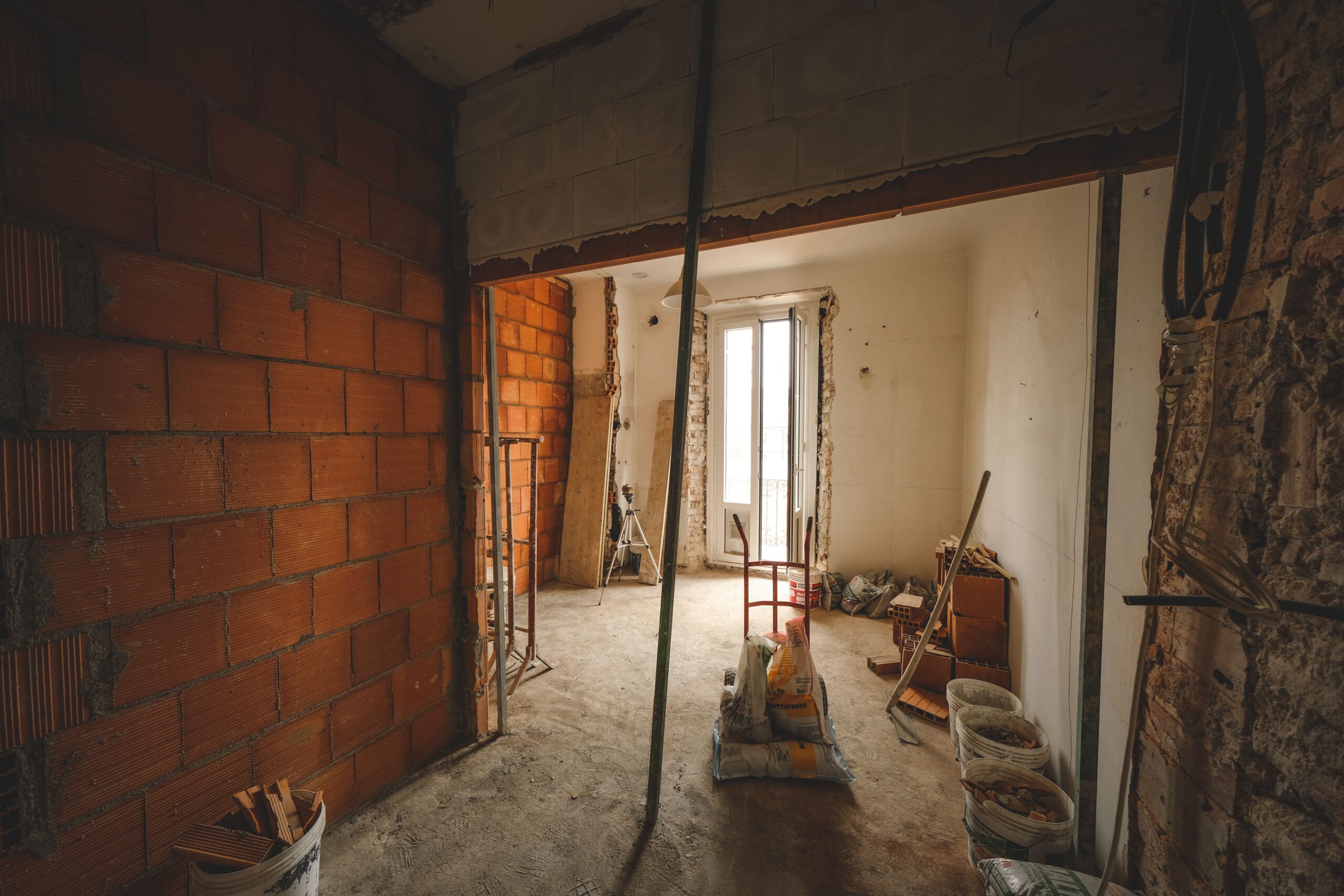
In my renovation projects across Bengaluru, the homes that turn out best are the ones where the family froze the design intent before demolition day. When the style, the layout, and the storage plan are locked early, the per sq ft cost stays inside the band we promised. When decisions change mid way, every change order quietly pushes the rate up by Rs 100 to Rs 200 per sq ft. Design clarity is the cheapest material you will ever buy.
What does home renovation include in Bangalore?
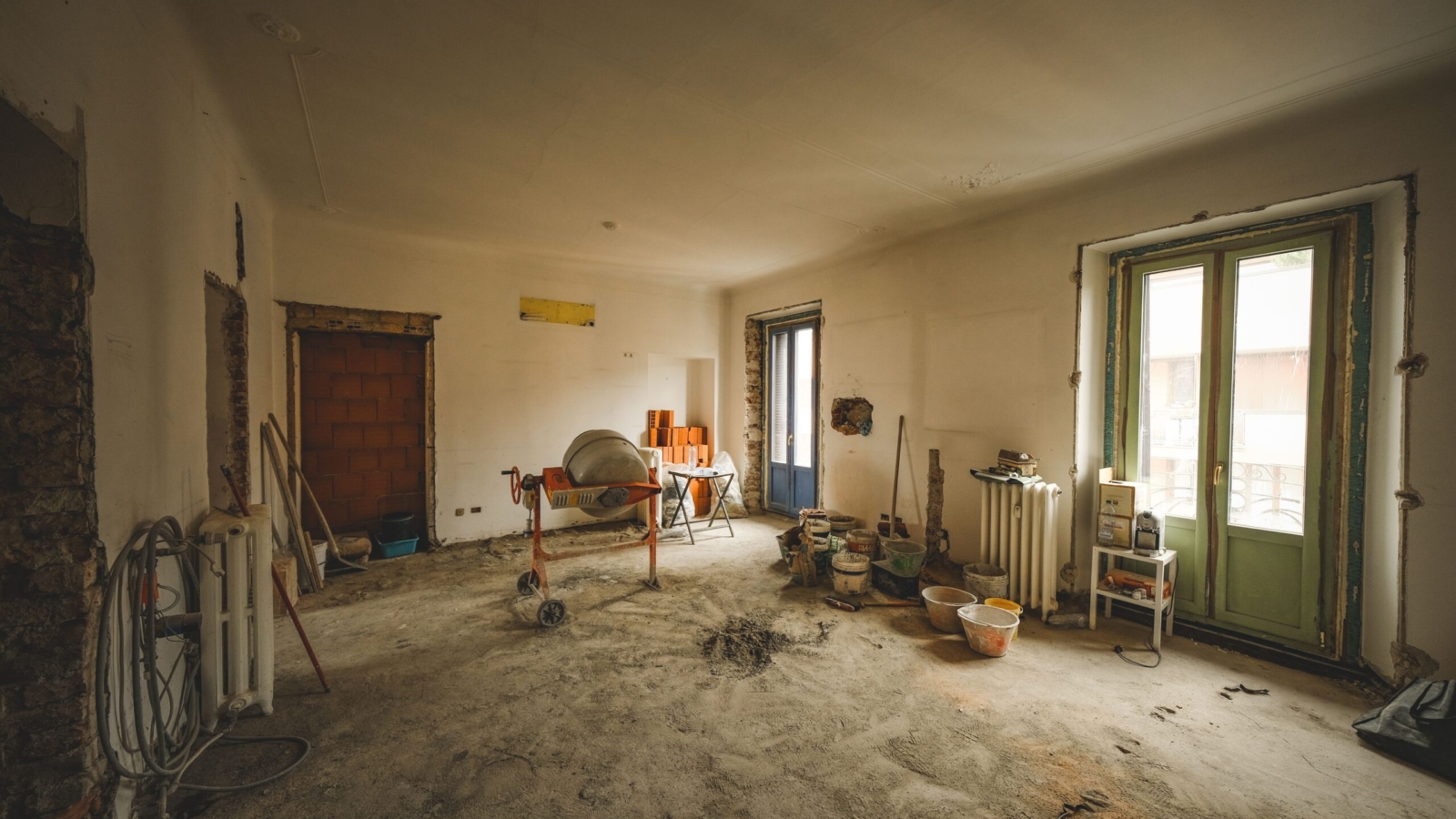
When a family in Bangalore says the word renovation, they can mean anything from a fresh coat of paint to breaking walls and rebuilding the entire interior shell. So the first job in any project is to define the scope in design terms, not in money terms. I always break renovation into 4 layers, and the look of the finished home depends on how deep you go into these layers.
The first layer is the surface refresh. This covers interior and exterior painting, polishing existing woodwork, changing cabinet shutters and handles, replacing switch plates, and deep cleaning or re grouting tiles. Nothing structural moves. The home keeps its existing character and simply looks cared for again. Most families with homes under 8 years old only need this layer, and it transforms the feel of a space far more than people expect. A warm off white wall with well polished teak shutters can make a 2005 apartment feel current without touching a single tile.
The second layer is the finishes layer. Here we replace flooring, redo the false ceiling, rebuild wardrobes and the kitchen, and update bathroom tiles and fittings. This is where a home genuinely changes its personality. A family can move from a builder standard vitrified tile look to warm wood finish flooring in the bedrooms, or from a flat ceiling to a layered ceiling with cove lines that give the living room depth in the evenings. This layer is where most Bangalore renovations in 2026 actually live, because homes bought between 2008 and 2015 are now due for exactly this kind of reset.
The third layer is the services layer. Electrical wiring, plumbing lines, waterproofing, and network cabling sit hidden behind everything. Apartments older than 15 years in areas like Malleshwaram, Jayanagar, and Indiranagar often carry aluminium wiring and corroded galvanised pipes. Renovating finishes without correcting services is like stitching a new suit over a torn lining. This layer does not photograph well, but it decides whether your beautiful new home behaves well for the next 20 years.
The fourth layer is the layout layer. This means removing or adding partition walls, converting a 3 bedroom plan into a 2 bedroom plus family lounge, opening a closed kitchen into the dining space, or carving a study nook from an oversized passage. Layout work needs structural judgement, society approvals in apartments, and in independent homes a check against the sanctioned plan. It is the deepest and most rewarding layer, because it changes how the family actually lives, not just what the home looks like.
A complete Bangalore renovation in 2026 usually combines all 4 layers in different proportions, and that proportion is what moves the cost between Rs 700 and Rs 4,200 per sq ft. If you want the detailed budget view by home size rather than by rate, my earlier guide on home renovation cost in Bengaluru for 2, 3 and 4 BHK homes pairs well with this one.
What affects the look and feel and the cost per sq ft?
Six factors decide both the character of the finished home and the home renovation costs per square foot in Bangalore you finally pay. I will take them in the order in which they influence a project.
Size and proportion. Smaller homes cost more per sq ft, not less. A 900 sq ft apartment and a 1,800 sq ft apartment both need 1 kitchen, 2 bathrooms, and full plumbing and electrical crews, so the fixed effort spreads across fewer square feet in the smaller home. Expect a 10 to 18 percent higher rate on compact homes. On the design side, small homes reward light colours, mirror placement, and continuous flooring that runs without thresholds, because visual continuity makes the area feel larger than the number on paper.
Layout decisions. Every wall you move adds demolition, debris removal, new masonry or drywall, and fresh electrical routing. A single opened wall between kitchen and dining typically adds Rs 60,000 to Rs 1.2 lakh once you count the beam check, patching, and finishes. Yet this is often the best money in the entire project, because an open kitchen and dining line changes daily family life more than any decorative choice.
Lighting plan. A renovation is the only realistic chance to rewire for layered lighting, since the false ceiling is open anyway. Adding ambient cove lines, dedicated task points over kitchen counters, and accent points for artwork adds roughly Rs 40 to Rs 80 per sq ft to the electrical and ceiling package. Homes that skip this stay stuck with a single harsh central light in every room, and no amount of expensive furniture rescues a badly lit room.
Material grade. The same wardrobe design in laminate finish, in PU paint finish, and in natural veneer can vary by 2.5 times in price. Material grade is the single biggest lever on the final rate, and I cover it in its own section below.
Colour and finish complexity. A 2 colour scheme with standard emulsion paints sits at the base of the painting budget. Feature walls in textured finish, lime plaster looks, or wallpaper panels add Rs 90 to Rs 350 per sq ft on those specific walls. The design payoff is real, so I usually recommend reserving special finishes for 1 wall per major room rather than spreading them thin.
Vastu corrections. Many Bangalore families use renovation as the moment to correct vastu concerns, such as relocating the kitchen hob to face east or shifting the pooja unit to the north east zone. Simple corrections ride along at no real premium. Corrections that move plumbing or gas lines add Rs 25,000 to Rs 80,000 depending on distance. I treat vastu as a genuine design input from tradition, and it is easier to honour it during renovation than to regret it after.
Location within Bangalore. Labour, parking for material vehicles, society working hour rules, and debris disposal all cost more in dense central areas. Koramangala, Indiranagar, and Malleshwaram projects run 15 to 25 percent above identical scopes in Whitefield, Sarjapur Road, or Electronic City. High rise apartments with service lift restrictions add loading time, and loading time is money.
Not sure which renovation tier fits your home?
Send us your home details on WhatsApp and get a free 15 minute consultation with the myNivasa team.
Get Free Consultation Call +91 94499 00222Traditional vs Contemporary vs Fusion: which direction suits your renovation?
Before a single tile is chosen, your renovation needs a style direction, because the style decides the material list, and the material list decides the rate. In my Bengaluru projects, 3 directions cover almost every family.
Traditional. This direction leans on warm teak tones, grooved shutter profiles, brass hardware, stone flooring such as Kota or granite in living areas, and a clearly defined pooja space with carved or jaali detail. Ceilings stay simple, walls carry warm neutrals, and the furniture sits heavier and lower. Traditional interiors age gracefully and suit families who host large gatherings and follow festival rituals at home. On cost, the carpentry detail and solid wood elements push woodwork rates up by 15 to 30 percent over plain modern shutters, though the flooring can actually cost less if you retain and re polish existing stone.
Contemporary. Clean handle less shutters, matt laminates or PU finishes, large format tiles or engineered wood flooring, flat ceilings with recessed light lines, and a restrained 2 tone palette. Contemporary suits working couples and young families who want low visual noise and easy maintenance. The look depends on precision. Gaps, shadow lines, and flushed edges must be exact, so factory made modular units serve this style better than site carpentry. Costs concentrate in hardware and finishes rather than ornament. This is the default direction for most 2026 renovations in areas like HSR Layout and Whitefield.
Fusion. The most requested direction in my current projects. The base shell stays contemporary, with clean lines and calm colours, while selected traditional elements come forward: a carved console in the foyer, a Chettinad style pillar framing the dining area, cane and rattan shutter inserts, terracotta or Athangudi tile in one zone, and brass accents in lighting. Fusion lets a family honour their roots without living in a museum. Cost sits between the other 2 directions, and the trick is discipline. Pick 3 to 5 traditional statements and let everything else stay quiet.
| Aspect | Traditional | Contemporary | Fusion |
|---|---|---|---|
| Woodwork character | Grooved, carved, solid wood feel | Flat, handle less, factory finish | Clean base with 3 to 5 crafted accents |
| Typical flooring | Re polished stone, granite, Kota | Large format vitrified, engineered wood | Vitrified base with 1 terracotta or patterned zone |
| Palette | Warm creams, browns, brass | Greige, white, muted olive or navy accent | Neutral base with earthy accent tones |
| Renovation rate impact | Plus 15 to 30 percent on woodwork | Baseline for 2026 | Plus 5 to 15 percent over contemporary |
| Best suited for | Multi generation homes, ritual heavy households | Working couples, rental value focus | Families wanting roots plus modern ease |
Material choices: durability and cost per sq ft
Materials are where design intent meets home renovation costs per square foot in Bangalore, so I will speak plainly about what lasts and what it costs in Bangalore in 2026.
Flooring. Vitrified tiles remain the workhorse at Rs 60 to Rs 150 per sq ft for material, with large format 800 by 1600 slabs at the top of that band giving a seamless contemporary look. Engineered and laminate wood floors run Rs 100 to Rs 300 per sq ft and bring warmth to bedrooms, but I keep them out of kitchens and utility zones in Bangalore homes because spill discipline varies by household.
Natural stone such as Italian marble sits at Rs 350 to Rs 800 per sq ft and demands lifelong care. Fitted cost including screed and skirting adds Rs 90 to Rs 150 per sq ft over material. Full flooring replacement in a renovation lands at Rs 150 to Rs 400 per sq ft all inclusive for most sensible choices.
Woodwork cores and finishes. For Bangalore's climate I specify BWR or BWP grade plywood conforming to IS 303 and IS 710 for anything near water, and MDF only in dry wall panelling. Wardrobe and kitchen carcass plus shutter combinations range from Rs 1,250 per sq ft of shutter area in standard laminate to Rs 2,200 or more in PU or veneer. Hardware from reputed makers costs real money, and a soft close hinge that survives 10 years of daily slamming is cheaper than 3 rounds of replacement.
Paint systems. Standard emulsion repaint runs Rs 22 to Rs 32 per sq ft of wall area, premium washable emulsions from Asian Paints, Berger, and Dulux run Rs 38 to Rs 58, and ultra premium lines run Rs 60 to Rs 85. A typical 900 sq ft apartment repaint in a premium emulsion lands between Rs 35,000 and Rs 52,000. Repainting is the highest visual return per rupee in the entire renovation menu.
False ceiling. Gypsum and POP work costs Rs 75 to Rs 105 per sq ft, PVC options run Rs 160 to Rs 185, and wiring plus finishing hidden inside adds Rs 20 to Rs 40. A 10 by 10 room ceiling with a simple peripheral design lands around Rs 7,500 to Rs 13,000. Design wise, I use ceilings to zone open plans: a dropped line over the dining table quietly separates it from the living area without a single wall.
Bathroom and kitchen surfaces. Full bathroom redo with new waterproofing, concealed plumbing, tiles, and mid range CP and sanitary fittings costs Rs 1 lakh to Rs 3.5 lakh per bathroom. A fittings and tile refresh alone runs Rs 25,000 to Rs 40,000. Kitchen counters in quartz run Rs 350 to Rs 900 per sq ft against granite at Rs 120 to Rs 350, and the kitchen zone as a whole can absorb Rs 500 to Rs 1,000 per sq ft of its area once appliances and task lighting join the list.
The durability rule I give every client: spend up on what you touch daily (hardware, taps, hinges, counters) and what protects the structure (waterproofing, wiring), and save on what you merely look at, because looks can be refreshed cheaply later but failures inside walls cannot.
Vastu principles worth honouring during a renovation
Renovation is the one moment when vastu corrections cost the least, because walls, wiring, and plumbing are already open. I approach vastu as inherited design wisdom from tradition, and these are the corrections Bangalore families ask for most.
The kitchen belongs ideally in the south east, with the cook facing east while at the hob. If the kitchen cannot move, shifting the hob within the same kitchen so the cook faces east is a modest change during a counter rebuild. The pooja space belongs in the north east, kept clutter free and lit softly; during renovation we often carve a dedicated pooja unit from a passage corner in that zone rather than leaving the deity shelf inside a wardrobe. The master bedroom sits best in the south west, and heavy storage also belongs on southern and western walls, which conveniently matches good design practice of keeping tall units away from window walls.
Mirrors face north or east, water elements and the underground sump sit in the north east, and the main door swings inward clockwise where possible. None of these choices compromise a contemporary look. A fusion home in Sarjapur Road we completed recently holds a full north east pooja corner in fluted teak and brass inside an otherwise minimal shell, and it is the most photographed corner of that home. Where a correction demands moving gas or drainage lines, I put the cost on the table, usually Rs 25,000 to Rs 80,000, and let the family decide with clear numbers rather than fear.
Layout variants: what a renovation can unlock
Most Bangalore apartments built between 2005 and 2015 follow 3 or 4 standard developer layouts, and each has a known set of unlock moves.
The closed kitchen unlock. Opening the wall between kitchen and dining, fully or as a serving counter, is the single most requested layout change. It brings light deep into the plan, lets the cook stay part of family conversation, and visually doubles the perceived size of both rooms. With a structural check, patching, and counter finishes, budget Rs 60,000 to Rs 1.2 lakh.
The third bedroom conversion. Families whose children have moved out often convert the smallest bedroom into a family lounge, a study, or a walk in wardrobe extension of the master. Since walls usually stay put and only woodwork and lighting change, this is a finishes level cost, roughly Rs 1.5 lakh to Rs 4 lakh depending on the fit out.
The foyer creation. Many older plans open the main door directly into the living room. A slim fluted screen or a storage bench with a partial partition creates an entry moment, hides the sofa from the doorway, and adds shoe and key storage. Budget Rs 45,000 to Rs 1.2 lakh.
The balcony merge. Where society rules and structure permit, merging a balcony into the living room adds real usable area. Waterproofing, flooring level correction, and window relocation put this at Rs 1 lakh to Rs 2.5 lakh. Check your society bye laws and sanctioned plan first; I decline this work where approvals are absent.
The utility rationalisation. Moving the washing machine out of the kitchen into a proper utility with a service counter frees kitchen storage and contains noise. Plumbing extension and a compact counter run Rs 40,000 to Rs 90,000.
Storage solutions that renovations get right
Storage is the difference between a home that stays looking renovated and one that drowns in 6 months. During renovation, storage can go into places loose furniture never reaches.
Full height everything. Wardrobes and kitchen tall units should run floor to ceiling. The loft portion above a standard 7 foot wardrobe stores luggage and festival boxes, and closing it flush with the ceiling removes the dust shelf entirely. The incremental cost of the loft section is roughly 20 percent of the wardrobe, for 30 percent more volume.
The bed box decision. Hydraulic storage beds hold bulky bedding, but I advise keeping at least one bedroom bed on legs for airflow and cleaning ease. Mixed strategy beats maximal storage.
Window seat storage. Bay windows and deep sills in older Bangalore homes convert beautifully into seat plus drawer units, adding a reading spot and hiding linens in the same 8 sq ft.
Kitchen intelligence. Tall pantry pull outs, corner carousels, and a dedicated appliance garage keep counters clear. Clear counters, more than any tile choice, are what make a renovated kitchen photograph like a magazine page.
Pooja and festival storage. A drawer bank below the pooja unit for lamps, wicks, and festival items keeps the sacred zone tidy through the year. Families thank me for this one more than for any chandelier.
Display discipline. Open shelves gather dust in Bangalore's construction heavy air. I cap open display at 20 percent of storage, behind glass where possible, and give everything else shutters.
Lighting layers that make a renovated home glow
Since renovation opens the ceiling, plan all 3 layers of light at once. The ambient layer sets the base: warm white cove lines and evenly spaced recessed fixtures replace the single central batten that most old homes carry. The task layer serves work: under cabinet strips over kitchen counters, a focused pendant over the dining table, reading lights beside beds, and a proper mirror light in bathrooms. The accent layer adds drama: adjustable spots washing a feature wall, a picture light over art, and a soft lamp glow in corners that would otherwise sit dark.
Design wise, I keep colour temperature consistent within a room, warm around 3000K in living and bedrooms and neutral 4000K in kitchens and studies, so the home feels layered and cozy in the evenings rather than patchy. Dimmers on the living room ambient circuit cost little during rewiring and let one room serve a festival gathering and a quiet movie night equally well. As a package, the full lighting upgrade adds Rs 40 to Rs 80 per sq ft to a renovation, and no other line item changes the evening character of a home as much.
Colour schemes for renovated Bangalore homes in 2026
Colour is the loudest design decision in a repaint, and 2026 Bangalore leans warm. The base palette that dominates my current projects is greige and warm white on 3 walls with 1 deliberate accent. Earthy accents lead: terracotta, sage green, and olive bring an organic warmth that pairs with cane, rattan, and wood finishes. Deep jewel accents follow: an emerald green or navy blue wall behind the TV unit or bed headboard gives the room a confident anchor without darkening the whole space.
Traditional direction homes carry cream and sandalwood tones with brass accents, while contemporary homes push toward greige, off white, and a single muted colour block. North facing rooms in Bangalore receive cooler light through the day, so I warm them with yellow based neutrals; south and west rooms can carry cooler greys without feeling cold. Ceiling white stays 1 or 2 shades lighter than the walls to keep the room feeling tall. For a deeper dive into room specific palettes, my guide on living room interior design ideas in Bangalore covers the living zone in detail, and the master bedroom design guide for JP Nagar handles the private rooms.
Want this design guide tailored to your own home?
Share your floor plan and we will map a room by room renovation brief with honest cost bands.
WhatsApp My Floor Plan Call +91 94499 00222Room by room design guide for a Bangalore renovation
Rate cards tell you what a renovation costs. This section tells you what each room should become, because the design brief per room is what turns a budget into a home.
Living room. The living room carries the first impression and the heaviest daily traffic, so its renovation brief has 3 jobs: seating that faces conversation and not only the television, a material anchor such as a stone clad or fluted panel TV wall, and lighting that can shift from bright festival mode to soft evening mode.
In Bangalore apartments, I pull the sofa off the wall by a few inches, run the flooring continuously into the dining zone, and let a single large rug define the seating island. Curtains mounted close to the ceiling rather than at the window frame lift the perceived height of the whole room. If the balcony connects here, a matching floor tone across the threshold visually adds those square feet to the room.
Dining area. Most developer plans give the dining zone leftover space, and renovation is the chance to give it identity. A dropped ceiling line or a pendant cluster over the table defines the zone without walls. A crockery unit with closed storage below and lit glass display above serves both function and festival hosting. Families who eat in shifts on weekdays and together on weekends should size the table for the weekend, because homes must serve their best days, not only their busiest ones.
Master bedroom. The renovation brief here is calm. A padded or fluted headboard wall in a muted tone, bedside pendants that free up table space, blackout layering behind sheer curtains, and a wardrobe wall that runs full height with mirror or fabric shutter inserts to soften the mass. If space allows, a 5 by 6 foot corner becomes a dresser nook with a mirror and task light. Keep the television out if the family can bear it; where they cannot, a shutter concealed unit keeps the wall quiet by day.
Kids room. Children outgrow themes faster than plywood ages, so I renovate kids rooms in 2 layers: a neutral permanent layer of flooring, wardrobe, and study desk sized to grow from age 6 to 16, and a swappable layer of paint, decals, soft furnishing, and open cubbies that can change every 3 to 4 years for the cost of a weekend project. A study desk by the window with the monitor side lit, a pinboard wall that absorbs posters without wall damage, and hard wearing washable paint on the lower half of the walls make the room survive childhood gracefully.
Pooja room. Whether it is a full room or a carved niche in the north east corner, the pooja space rewards restraint: a single backlit stone or teak backdrop, a counter at standing prayer height, drawer storage below for lamps and festival items, and a bell jaali shutter if the unit must close. Materials stay natural, brass, stone, and wood, and the light stays warm. This is consistently the smallest and most loved space we renovate.
Balcony and utility. Bangalore weather is a gift, and a renovated balcony repays every rupee: weatherproof deck tile or natural stone underfoot, a low bench with planter boxes, a foldable table for morning coffee, and a warm outdoor rated light. The utility balcony, kept separate, takes the washing machine on a raised platform with a service counter and a pull down drying rack, freeing the kitchen and the good balcony from laundry duty.
Renovating for life stages: couples, families, and seniors
The same 1,200 sq ft home should be renovated 3 different ways depending on who lives in it, and this is where a design brief earns its keep.
Young couples renovating their first resale purchase should spend on the kitchen, one great bathroom, and the living zone, and hold the second bedroom at an Essential refresh. Their needs will change within 5 years, so I advise flexible furniture, fewer built ins in the spare room, and conduit provisioning for a future study or nursery, which costs a few thousand rupees now and saves wall cutting later.
Growing families need storage above all: full height wardrobes, loft banks over every doorway, a school bag drop zone near the entry, and a kitchen that 2 people can work in at once. Durability beats delicacy, so washable paints, matt tiles that hide scratches, and laminate shutters that shrug off stickers serve better than glossy showpieces. The renovation should also settle the study question properly, with a dedicated desk per child rather than the dining table doubling as homework central.
Senior friendly renovation is the fastest growing request in my Bengaluru practice, driven by parents moving in with children or seniors upgrading their long time homes. The brief is dignity through design: anti skid tiles in bathrooms and passages, grab bars fixed into wall reinforcement and not just tile, a shower seat and lever taps, no thresholds between rooms, 3 foot clear passage widths, rocker switches at reachable heights, motion sensor night lighting from bed to bathroom, and seating in the bathroom and near the entry for shoe changes.
Bedside light control, a video door phone at sofa height, and non glare warm lighting complete it. Almost none of this costs a premium when planned during renovation; retrofitting it after a fall costs far more, in every sense.
Sustainable and low maintenance choices for a 2026 renovation
Sustainability in renovation is mostly common sense engineering, and it usually lowers lifetime cost. Demolish selectively rather than totally: existing stone flooring can be re polished for a fraction of replacement, solid wood frames can be re skinned, and a structurally sound kitchen carcass can take new shutters. Every tonne of debris you do not create is money and landfill saved.
Choose materials with honest lifespans. Vitrified tile, granite, and BWP grade ply outlast fashionable but fragile surfaces. Low VOC paints from the major brands now cost nearly the same as regular lines and keep indoor air pleasant during and after the work. LED lighting throughout, 5 star rated appliances at replacement time, and BEE labelled fans cut the running bill quietly every month.
Water deserves attention in Bangalore. Renovation is the moment to add dual flush cisterns, aerated taps that halve flow without feeling weak, and a utility connection point for a future greywater or rainwater line if the society provides one. On upkeep, matt and textured surfaces forgive dust and hard water spots far better than gloss; darker grout ages better than white; and quartz counters skip the annual sealing that natural marble demands. A home that cleans easily stays beautiful longer, and that is the most honest sustainability there is.
How to choose a renovation partner in Bangalore
The contractor decision moves your outcome more than any tile decision, so interview for process, not portfolio alone. Ask these 7 questions and listen carefully.
First, who surveys the home before quoting, and will the quotation carry line items with brands, quantities, and IS grades? A lump sum quote is a blank cheque you sign in reverse. Second, who supervises daily, and how many projects does that supervisor run in parallel? More than 3 or 4 concurrent sites means your home waits. Third, what is the payment schedule, and is it tied to completed milestones you can walk and verify? Never let payments run ahead of work.
Fourth, how are change orders documented and priced? The answer should be a written log with rates agreed before execution, not a verbal assurance. Fifth, what happens on delay? A serious firm accepts a written timeline with a modest penalty clause; an evasive answer here predicts your next 3 months. Sixth, who owns waterproofing and what is its warranty in writing? Five years is a fair floor. Seventh, ask to visit 1 running site and 1 site handed over at least 2 years ago. Fresh handovers flatter everyone; 2 year old sites tell the truth about hinges, seepage, and service response.
Beyond the questions, check GST registration, a real office address, and references you call yourself. A good renovation partner will feel slightly slower and more paperwork heavy in week 1, and dramatically calmer in week 10. That trade is the whole point.
Kitchen renovation in depth: design first, then the numbers
The kitchen is the engine room of a renovation, so it deserves its own design brief before its own budget. Start with the work triangle: hob, sink, and refrigerator should form a triangle whose sides stay between 4 and 9 feet, because a cook walks that triangle hundreds of times a week. Bangalore's standard 8 by 10 foot developer kitchens usually fail this test with the refrigerator exiled to the dining room, and renovation is the moment to bring it home, often by stealing 2 feet from an oversized utility door or converting a window ledge into counter depth.
Counter heights matter more than counter materials. The Indian standard of 34 inches suits a 5 foot 4 inch cook; taller households should push to 36 inches and save their backs for the next 20 years. A second height section at 32 inches for dosa batter grinding and rolling work serves traditional cooking beautifully. Tall units earn their cost: a 7 foot pantry pull out beside the refrigerator replaces 3 scattered cabinets, and an appliance garage with a rolling shutter keeps the mixer, toaster, and kettle off the counter without unplugging daily.
Ventilation is the unglamorous hero. A 1,200 cubic metre per hour chimney with a straight, short duct outperforms a fancier unit strangled by 4 bends of flexible pipe. During renovation, cutting a proper duct exit costs Rs 3,000 to Rs 8,000; living with a recirculating chimney in an Indian frying kitchen costs you your wall paint within 3 years.
Now the numbers. A full Bangalore kitchen renovation in 2026 breaks into: carcass and shutters at Rs 1.4 lakh to Rs 3 lakh for a standard 8 by 10 kitchen depending on material tier, counter stone at Rs 25,000 to Rs 90,000, dado tiling at Rs 15,000 to Rs 45,000, chimney and hob at Rs 25,000 to Rs 80,000, sink and faucet at Rs 8,000 to Rs 35,000, electrical work with 6 to 10 new points at Rs 15,000 to Rs 35,000, and accessories such as pull outs, carousels, and cutlery organisers at Rs 20,000 to Rs 70,000.
The realistic total lands between Rs 3 lakh and Rs 6 lakh, with gas piping relocation adding Rs 8,000 to Rs 25,000 where the hob moves. Families who cook twice daily should weight the budget toward hardware and ventilation; families who order in can shift that money to looks without guilt.
Bathroom renovation in depth: the wettest money you will spend
Bathrooms are the smallest rooms with the highest failure cost, so their renovation brief begins below the tiles. Slope comes first: the floor must fall 1 in 100 toward the drain with no counter slope at the door, and getting this right during screed costs nothing while getting it wrong costs the bedroom carpet outside. Waterproofing follows: a 2 coat polymer membrane up the walls to 12 inches, full height in the shower zone, flood tested for 48 hours before tiling. I have refused to tile over untested membranes, and every one of those pauses has been cheaper than a single callback.
Design decisions that pay daily dividends: a glass partition or at minimum a full length curtain track separating wet and dry zones, so the WC seat and towels stay dry; a niche cut into the shower wall for bottles instead of a rusting corner rack; matt finish anti skid tiles at R10 rating or better underfoot; a counter basin at 33 inches with storage below for the bucket that every Indian bathroom secretly needs; and a heated towel rail point if the budget smiles, because Bangalore mornings in December justify it.
Lighting and ventilation close the brief. A warm mirror light at face height ends the raccoon shadow of ceiling only lighting, and an exhaust fan sized at 8 air changes per hour, wired to run 10 minutes past the light switch, keeps the room dry and the grout clean.
The 2026 numbers for a standard 5 by 8 foot Bangalore bathroom: demolition and debris at Rs 12,000 to Rs 25,000, waterproofing at Rs 8,000 to Rs 18,000, concealed plumbing rework at Rs 20,000 to Rs 45,000, wall and floor tiling at Rs 30,000 to Rs 80,000 depending on tile grade, sanitaryware and CP fittings at Rs 25,000 to Rs 1 lakh across brands and ranges, glass partition at Rs 18,000 to Rs 45,000, and electrical with exhaust at Rs 8,000 to Rs 20,000.
The all in band runs Rs 1 lakh to Rs 3.5 lakh per bathroom, and the fittings only refresh sits at Rs 25,000 to Rs 40,000. Renovating both bathrooms together saves 10 to 15 percent over doing them a year apart, because mobilisation, waterproofing crews, and tile lots come once.
Independent house vs apartment: 2 different renovation games
Bangalore renovates 2 kinds of homes, and they play by different rules. Apartments renovate inside a box you do not fully own. Structure, facades, and external plumbing belong to the society, so your freedom lives between the entrance door and the balcony rail. The gains: predictable scope, no roof or facade surprises, and services that are usually younger. The constraints: working hours, lift booking, debris rules, deposit money, and neighbours whose patience is part of your project plan. Apartment renovations reward meticulous logistics and finish quality, and they complete faster, typically 45 to 75 days for a Comfort scope.
Independent houses renovate the whole organism. You own the roof, and so you own its waterproofing; you own the compound wall, the sump, the overhead tank, the terrace, and every metre of external plumbing. This freedom lets renovation go further: a staircase can move, a floor can be added subject to sanctioned FAR, a courtyard can open the centre of a deep plan, and the facade can finally match the interior.
The price of freedom is scope creep, because every opened surface volunteers new work. Terrace waterproofing at Rs 60 to Rs 140 per sq ft, exterior painting at Rs 18 to Rs 45 per sq ft of wall area, compound and gate work, and rainwater harvesting compliance join the budget lines apartments never see.
My rule of thumb for houses: survey the roof and external walls before dreaming about interiors, and fence 20 percent of the budget for the building envelope. A beautiful hall under a leaking terrace is a postponed heartbreak. For apartments, the equivalent rule is to befriend the society office early; a smooth NOC and a booked service lift are worth more than any discount your contractor offers. Both games end the same way when played well: a home that feels newly built without the trauma of actually building.
Smart home upgrades worth adding during renovation
Renovation opens walls, and open walls are the cheapest moment to make a home intelligent. The upgrades that earn their keep in Bangalore homes: neutral wire provisioning at every switchboard, because most smart switches demand it and adding it later means chasing walls again; conduit runs to every window for future motorised curtains, costing a few hundred rupees now against thousands in surface trunking later; a wired doorbell camera point at the entrance; ceiling points for internet access in the 2 corners of the home where the router never reaches; and a dedicated stabilised circuit for the refrigerator and the work from home desk.
On the visible side, smart switches or retrofit modules in living and bedrooms run Rs 2,500 to Rs 6,000 per room and let lighting scenes replace the wall of 8 identical switches nobody remembers. A video door phone integrates with apartment intercoms at Rs 8,000 to Rs 25,000. Motorised curtain tracks in the living room and master bedroom cost Rs 15,000 to Rs 40,000 per window and feel indulgent until the first movie afternoon. I advise families to wire for everything and buy devices for half, because provisioning is renovation work while devices are shopping, and shopping can wait for festival sales.
Home renovation costs per square foot in Bangalore by tier
Now the money section in full detail. These are 2026 rates from live myNivasa projects, quoted on built up area, inclusive of material, labour, and supervision, exclusive of GST at 18 percent on services.
Essential tier: Rs 700 to Rs 1,400 per sq ft. This tier refreshes without replacing. Full interior repaint in premium emulsion, bathroom fitting swaps, kitchen shutter and hardware replacement over existing carcasses, electrical fixture upgrades on existing wiring, tile deep clean and re grout, and minor civil patching. A 1,000 sq ft apartment lands at Rs 7 lakh to Rs 14 lakh. Choose this tier when the home is structurally young and the goal is presentation, for example before moving in to a resale purchase or preparing a rental for a better tenant bracket.
Comfort tier: Rs 1,500 to Rs 2,800 per sq ft. The mainstream Bangalore renovation. Everything in Essential, plus new flooring in living and bedrooms, false ceiling with layered lighting, a rebuilt modular kitchen, 1 or 2 full bathroom redos with fresh waterproofing, new wardrobes in 2 or 3 rooms, and selective wall relocation such as the kitchen dining opening. A 1,200 sq ft apartment lands at Rs 18 lakh to Rs 33.6 lakh, which matches the market band of Rs 18 lakh to Rs 35 lakh you will hear quoted across the city in 2026. Roughly 7 of every 10 renovation enquiries I receive settle into this tier.
Signature tier: Rs 3,500 to Rs 6,000 plus per sq ft. Full strip out and rebuild. Complete rewiring and replumbing regardless of age, layout redesign, premium materials such as natural veneer, quartz, engineered wood, designer lighting with automation, custom furniture, and detailed site finishes like fluted panelling and stone cladding. A 1,600 sq ft home crosses Rs 56 lakh comfortably. This tier suits homes above 20 years old being reset for the next 20, and independent houses where the family intends to stay for decades.
Two calibration notes. First, these rates assume occupied building access with normal society working hours; night work bans and single service lift buildings push labour productivity down and rates up. Second, central localities add their 15 to 25 percent premium on top of any tier. The same Comfort scope quoted at Rs 1,800 per sq ft in Whitefield can print at Rs 2,200 in Indiranagar.
Planning your renovation budget?
Get a free line item quotation with brands, IS grades and GST on paper from the myNivasa team.
WhatsApp Us Now Call +91 94499 00222Room by room renovation cost breakdown
Families budget better when home renovation costs per square foot in Bangalore are translated into room level numbers. Here is the 2026 breakdown for a typical 1,200 sq ft 2 BHK in the Comfort tier.
| Zone | Typical scope | 2026 cost band |
|---|---|---|
| Kitchen | New modular units, quartz or granite counter, dado tiles, task lighting, chimney and hob | Rs 3 lakh to Rs 6 lakh |
| Bathrooms (each) | Waterproofing, concealed plumbing, tiles, mid range sanitary and CP fittings | Rs 1 lakh to Rs 3.5 lakh |
| Living and dining | Flooring, false ceiling, TV unit, accent wall, crockery unit | Rs 3.5 lakh to Rs 7 lakh |
| Bedrooms (each) | Flooring, wardrobe, bed back panel, ceiling with cove | Rs 1.8 lakh to Rs 4 lakh |
| Painting (whole home) | Premium emulsion, 2 colour scheme, 1 to 2 feature walls | Rs 45,000 to Rs 80,000 |
| Electrical and lighting | Partial rewiring, new points, layered fixtures, dimmers | Rs 80,000 to Rs 2 lakh |
| Doors and windows | Main door polish or replace, internal door skins, hardware | Rs 60,000 to Rs 1.5 lakh |
Kitchens and bathrooms together routinely take 40 to 50 percent of a renovation budget while occupying barely 20 percent of the floor area, because they concentrate plumbing, waterproofing, appliances, and the densest cabinetry. If your budget forces phasing, do kitchens, bathrooms, and all hidden services in phase 1, and leave paint, furniture, and decor for phase 2. Reversing that order forces you to redo finished work.
Hidden renovation costs nobody puts in the first quote
The gap between a first quotation and a final bill lives in these lines, and they quietly raise home renovation costs per square foot in Bangalore well beyond the headline rate. I list them so you can demand them upfront.
Demolition and debris. Breaking existing flooring, dado, and woodwork, then bagging and transporting debris legally, costs Rs 30 to Rs 60 per sq ft of affected area. High rise towers with restricted lift slots cost more. Bangalore's construction debris rules require disposal at authorised points, and shortcuts here become your legal problem, not the contractor's.
Old building surprises. Once tiles come off, you meet reality: hollow plaster, seepage stains, dead wiring loops. Apartments older than 15 years typically absorb Rs 1 lakh to Rs 3 lakh in replastering, replumbing, and rewiring that no one can fully see before demolition. This is exactly why the 10 to 15 percent contingency is not optional.
Society charges and deposits. Most Bangalore societies collect a refundable renovation deposit of Rs 25,000 to Rs 1 lakh, plus non refundable charges for lift usage and common area protection. Working hour limits, usually 9 am to 6 pm on weekdays, stretch timelines, and time is a cost.
Transit accommodation. A Comfort tier renovation of an occupied home runs 45 to 90 days. Families either live through dust or rent nearby; 2 months of rent and movers for a 2 BHK in most localities adds Rs 60,000 to Rs 1.5 lakh to the true project cost.
GST and payment structure. Interior works attract 18 percent GST on the service component. A quote that looks 15 percent cheaper and stays silent on GST is not cheaper. Insist on a payment schedule tied to work milestones, not calendar dates.
Appliances and soft furnishing. Chimney, hob, water purifier, curtains, and light fittings above builder grade often sit outside the base quote. Budget Rs 1 lakh to Rs 2.5 lakh so the finished home is actually liveable on day 1, not technically complete and practically empty.
Parking and material staging. Central Bangalore projects often need paid parking for material vehicles and a rented staging spot for tiles and plywood, since older streets and compact basements leave nowhere to stack 60 boxes of tile. Budget Rs 10,000 to Rs 35,000 across a Comfort project in dense localities.
Deep cleaning and pest treatment. Post renovation deep cleaning by a professional crew runs Rs 6,000 to Rs 15,000 for a 2 BHK, and a preventive anti termite and pest treatment while the home stands empty costs Rs 4,000 to Rs 12,000. Both belong in the plan, because a renovated home deserves to be handed over clean and protected, not dusty and hopeful.
Worried about hidden renovation costs?
Share your home details and we will send an honest, no surprise estimate within 48 hours.
Get My Free Estimate Call +91 94499 00222Renovation cost by home size in Bangalore 2026
Home renovation costs per square foot in Bangalore scale differently across home sizes, so here is the size wise view families ask for in consultations. Figures are full scope Comfort tier bands for 2026, with Essential and Signature shown for context.
| Home size | Typical configuration | Essential refresh | Comfort makeover | Signature rebuild |
|---|---|---|---|---|
| 600 sq ft | 1 BHK | Rs 4.5 lakh to Rs 8.5 lakh | Rs 10 lakh to Rs 17 lakh | Rs 22 lakh plus |
| 900 sq ft | Compact 2 BHK | Rs 6.5 lakh to Rs 12.5 lakh | Rs 14 lakh to Rs 25 lakh | Rs 32 lakh plus |
| 1,200 sq ft | Standard 2 BHK | Rs 8.4 lakh to Rs 16.8 lakh | Rs 18 lakh to Rs 33.6 lakh | Rs 42 lakh plus |
| 1,800 sq ft | 3 BHK | Rs 12 lakh to Rs 24 lakh | Rs 26 lakh to Rs 48 lakh | Rs 63 lakh plus |
| 2,400 sq ft | 4 BHK or duplex | Rs 15.5 lakh to Rs 31 lakh | Rs 33 lakh to Rs 62 lakh | Rs 84 lakh plus |
Read the table with 3 corrections in mind. Compact homes print above the headline per sq ft band because kitchens and bathrooms do not shrink with carpet area; a 600 sq ft 1 BHK still carries a full kitchen and a full bathroom, so its effective rate runs 10 to 18 percent higher. Larger homes enjoy mild economies on flooring, painting, and ceiling work, but add bathrooms, and each added bathroom brings its own Rs 1 lakh to Rs 3.5 lakh gravity.
Duplexes add staircase finishes, double height painting scaffolds, and railing work that flat plans never see, typically Rs 1.5 lakh to Rs 4 lakh of scope that surprises first time duplex owners. For a fully worked 2 BHK example with line items, my 2 BHK renovation cost guide walks a complete budget from survey to handover.
Financing a renovation: how Bangalore families pay for it
A Comfort tier renovation of Rs 18 lakh to Rs 35 lakh is a serious financial event, and how you fund it changes what it truly costs. Home renovation loans from major banks run as top ups on existing home loans at rates close to home loan rates, roughly 8.5 to 10.5 percent in mid 2026, with tenures up to 15 years. On a Rs 20 lakh top up over 10 years at 9 percent, the EMI sits near Rs 25,300 per month. Personal loans approve faster but cost 11 to 16 percent, so they suit only small Essential scopes or bridging gaps. Loan against property and gold loans occupy the middle.
Three financial rules protect renovating families. First, borrow for the services and structure layers if you must borrow, and pay cash for decor, because debt should buy durability, not fashion. Second, keep the EMI within 10 percent of household income when a home loan already runs, since renovation debt stacks on top of it. Third, never fund the contingency with the loan; the 10 to 15 percent buffer must sit in your own account, liquid, because change orders and old building surprises do not wait for disbursal paperwork.
On tax, interest on loans taken for repair or renovation of a self occupied home qualifies for deduction within the overall Rs 2 lakh cap of Section 24b, shared with your main home loan interest, so the marginal benefit exists but is usually modest. I am a designer, not your banker, so treat these as planning pointers and confirm current rates and tax positions with your bank and CA before signing.
Does renovation pay back? Resale and rental returns
Bangalore's resale market prices renovation unevenly, and knowing where home renovation costs per square foot in Bangalore pay back keeps budgets rational. Kitchens and bathrooms return the most: a resale flat with a fresh modular kitchen and dry, modern bathrooms sells faster and commands roughly 5 to 10 percent over an identical tired unit, because buyers mentally price the hassle of renovation higher than its actual cost. Painting returns multiples of its tiny cost in photographs and first impressions. Flooring returns well when it replaces damaged or dated surfaces, modestly when it is upgrade for taste alone.
What does not return money at resale: personal signature elements. Carved partitions, elaborate ceilings, imported wallpaper, and highly specific colour schemes read as beautiful to you and as demolition cost to a buyer. Rental economics are sharper still: a Comfort renovated 2 BHK in HSR Layout or Whitefield rents 15 to 25 percent above an unrenovated twin and vacates less, but the rent premium recovers only the Essential and light Comfort spend within a sensible 5 to 7 year horizon.
The honest summary I give investors: renovate to Essential plus kitchen and bathrooms for pure rental plays, renovate to full Comfort for homes you will live in and sell later, and reserve Signature spending for homes you intend to keep, because its returns are paid in living quality, not in resale rupees.
How a renovation actually unfolds: my 7 step process
Families fear renovation because it feels like chaos with a start date. It does not have to be. Here is the sequence every well run Bangalore renovation follows, and knowing it helps you hold any contractor accountable.
Step 1: Condition survey. Before design, someone must crawl the home with a moisture meter and a socket tester. We map seepage walls, dead circuits, hollow plaster, and slope failures in bathrooms. This survey is what makes the later quotation honest, because it converts hidden risk into written line items.
Step 2: Design intent workshop. The family and designer agree on direction: traditional, contemporary, or fusion, which rooms change at which depth, and the storage inventory. I ask families to bring 10 photographs they love and 5 they hate. The hates teach me more than the loves.
Step 3: Drawings and 3D. Layout plans, electrical point layouts, false ceiling drawings, and 3D views of key rooms. Every point on the electrical drawing is a decision you will live with for 15 years, so this step deserves 2 full evenings of the family's attention, not a hurried approval on a phone screen.
Step 4: Line item quotation. Brand names, IS grades, quantities, rates, GST, and a payment schedule tied to milestones. If a quotation compresses your home into 6 lump sum lines, you are not looking at a price, you are looking at a guess.
Step 5: Approvals and mobilisation. Society permissions, renovation deposit, neighbour intimation, material staging plan, and protection of common areas. In apartment towers, this step decides whether your project runs smoothly or collects complaint letters.
Step 6: Execution in trade sequence. Demolition first, then civil corrections, then electrical and plumbing rough in, waterproofing with a mandatory flood test, tiling, ceiling, painting first coats, woodwork installation, final paint, deep cleaning. The sequence never changes; only the depth does. Weekly site walkthroughs with a snag register keep the finish quality visible while it can still be corrected cheaply.
Step 7: Handover and settling. A closed snag list, warranty cards, spare tiles and paint codes handed over in a box, and a 30 day follow up visit after the family moves back in, because real use finds what inspections miss.
Renovate or move: a decision framework for Bangalore families
Half my renovation consultations begin with a more basic question: should we fix this home or sell it and buy another? A simple framework settles it.
Renovation wins when the location already works for you. If the home sits within 30 minutes of work and school, inside a community you like, near your parents or your long time house help, no new purchase can buy that back. Comfort tier home renovation costs per square foot in Bangalore at Rs 1,500 to Rs 2,800 are almost always cheaper than the stamp duty, registration, brokerage, and interiors of a replacement flat, which together swallow 12 to 15 percent of a new home's price before you hang a single painting.
Moving wins when the problem is the building, not the finishes. Chronic structural cracks, a failing lift in an ageing society with no repair fund, legal disputes on the land, or a layout so hostile that even the layout layer of renovation cannot fix it. Money spent on beautiful interiors inside a troubled building is money buried.
The honest middle case is space hunger. Families often believe they need a bigger home when they actually need a better organised one. A renovation that adds full height storage, converts an unused third bedroom into a working lounge, and opens the kitchen can release more daily usable space than moving from 1,200 to 1,400 sq ft, at a fraction of the transaction cost. My rule: list what the current home cannot give you, then strike out everything a layout and storage rework could deliver. Decide on what remains. If what remains is location or structure, move. If what remains is finishes and space feel, renovate.
Common renovation mistakes I see in Bangalore homes
The same avoidable mistakes surface in home after home, so let me name them plainly.
Renovating finishes over failing services. New tiles over old seepage, fresh paint over aluminium wiring. The renovation looks complete for 1 monsoon. Always open and fix the services layer first, even if it means choosing a cheaper tile to protect the budget.
Skipping the waterproofing flood test. Bathroom waterproofing must be tested by ponding water for 48 hours before a single tile goes down. Contractors under time pressure skip it. Insist, in writing. A failed membrane discovered after tiling costs 6 times the original work.
Designing rooms in isolation. A grand living room, a stunning kitchen, and a bedroom from a different planet. Homes need 1 palette and 1 material language flowing through, with variation in intensity, not in identity. Fix the whole home palette before finalising any single room.
Chasing trends into permanent materials. Trends belong in paint, fabric, and decor, which change cheaply. When a trend enters your flooring or your kitchen shutters, you have signed a 15 year contract with a passing mood. Keep permanent surfaces timeless and let cushions be fashionable.
Over lofting the ceiling. Heavy multi layer ceiling designs in 9 foot 6 inch Bangalore apartments press the room down. A simple perimeter drop with a clean cove gives the layered evening glow without stealing height.
Buying loose furniture before the design. The sofa arrives, and now the layout must obey it. Sequence matters: layout, then storage, then loose furniture, sized to the drawings.
Choosing the lowest of 3 quotes without reading scope. The cheapest quote usually omits demolition, debris, GST, and old building repairs, then recovers them as extras. Compare quotations line by line at equal scope, or you are comparing fiction.
How renovation rates differ across Bangalore localities
Home renovation costs per square foot in Bangalore are not uniform across the city, and the differences are large enough to plan around. These are indicative Comfort tier bands from 2025 and 2026 project data.
| Zone | Example localities | Comfort tier rate (2026) | What drives the rate |
|---|---|---|---|
| Central | Indiranagar, Koramangala, Malleshwaram, Jayanagar | Rs 1,900 to Rs 2,800 per sq ft | Older buildings needing service resets, tight access, parking and debris logistics, strict working hours |
| East | Whitefield, Marathahalli, KR Puram | Rs 1,600 to Rs 2,400 per sq ft | Large gated communities with lift slot booking, moderate access, competitive labour supply |
| South East | HSR Layout, Sarjapur Road, Bellandur, Electronic City | Rs 1,500 to Rs 2,300 per sq ft | Newer building stock needing less civil repair, easier material delivery |
| North | Hebbal, Yelahanka, Thanisandra | Rs 1,500 to Rs 2,200 per sq ft | Newer towers, lower labour premiums, longer material lead from city depots |
Three practical readings of this table. First, the premium in central zones is mostly building age and logistics, not designer greed; a 1995 Malleshwaram home simply carries more hidden work than a 2018 Sarjapur flat. Second, within any zone, a tower with 2 service lifts and 8 am to 7 pm working hours will quote lower than a single lift tower with a 10 am start, so ask your society for its rules before you ask contractors for rates.
Third, if your home sits in a central zone, weight your budget toward the services layer and accept simpler finishes; the reverse holds in newer zones, where the services are young and the money can go to design. Readers comparing fresh interiors rather than renovation can see how these localities price for new fit outs in my HSR Layout 2 BHK interior cost guide.
Chasing a Gruhapravesha or festival deadline?
Lock your renovation slot early. We plan the timeline backwards from your date, with buffer built in.
Plan My Timeline Call +91 94499 00222Month by month: what a 90 day renovation timeline looks like
Families plan leave, school schedules, and rentals around a renovation, so here is how a typical 90 day Comfort tier project actually distributes its time.
Weeks 1 and 2: protection and demolition. Common area protection goes up, society formalities close, and demolition crews strip flooring, dado, old woodwork, and identified walls. This is the loudest, dustiest fortnight of the project and the one that reveals the true condition of the building. Decisions on surprise repairs happen here, which is why your designer should walk the site with you at the end of week 2 with the change order log open.
Weeks 3 to 5: services rough in. Electricians chase walls and lay conduits, plumbers run new lines, and the waterproofing team takes over the bathrooms, ending with the 48 hour flood test. Nothing looks like progress in these weeks because everything important is invisible. Resist the urge to hurry this phase; it is the foundation of the next 20 years.
Weeks 6 to 8: surfaces. Tiling in bathrooms, kitchen dado, and floors, followed by the false ceiling framework and boards. The home starts photographing well again. Ceiling light positions get finalised physically on site in week 7, and this is the last cheap moment to move a light point.
Weeks 9 to 11: woodwork and paint. Factory made modular units arrive and install, site carpentry completes wardrobes and panelling, and painters run putty, primer, and first coats around the carpenters. The site is crowded and sequencing discipline matters most here; a good supervisor earns the entire fee in these 3 weeks.
Weeks 12 and 13: finishing and handover. Final paint coat after all trades exit, fixture and fitting installation, hardware alignment, deep cleaning, and the snag walk with a written list. Handover happens when the snag list closes, not when the calendar says so. Families moving back should plan their shifting for a week after the promised date, because the last 5 percent of any renovation expands to fill the time available.
Renovating for a festival or family event deadline
Half of Bangalore's renovations chase a date: a Gruhapravesha, a wedding at home, Deepavali, or parents arriving for a long stay. Deadline renovations succeed on 3 disciplines. First, count backwards honestly. A Comfort scope needs 90 days plus a 2 week buffer, so a Deepavali handover in late October means demolition by mid July, and every week of delayed start eats the buffer, not the scope. Second, freeze the material list before demolition.
Deadline projects die waiting for that one imported tile with a 6 week lead time; choose from materials your contractor can secure within 10 days, and let the wow moments come from design, not from procurement bravery. Third, sequence the visible rooms first when the date is immovable. We hand over the living, dining, pooja, and guest areas festival ready, and close the second bathroom or the study a fortnight after the event. It is better to celebrate in a finished half than to host guests amid ladders in a nearly finished whole.
One more truth: monsoon months slow exterior work, terrace waterproofing, and material movement in Bangalore. If your deadline sits just after the rains, front load every wet trade into the dry weeks and keep painting flexible. Festivals reward the planned, and so do renovations.
Design trends shaping Bangalore renovations in 2026
Trends matter in a renovation only when they survive daily life, so here are the 2026 directions I see holding up in real Bengaluru homes, filtered for staying power.
Warm minimalism. The stark white and grey wave has receded. Homes now pair clean lines with warm woods, greige walls, and soft curves in furniture edges. It photographs quietly and lives comfortably, and it renovates well over existing bones.
Fluted and ribbed surfaces. Fluted wood and WPC panels behind TV units, beds, and pooja backdrops add shadow play without colour risk. They install fast over existing walls, which makes them a renovation favourite at Rs 350 to Rs 900 per sq ft of panel area.
Nature inspired materials. Cane, rattan, terracotta, linen, and indoor plants continue their run because they soften contemporary shells and age gracefully. A cane insert wardrobe shutter or a terracotta tiled balcony brings the look for modest money.
Colour drenching. Painting walls, trims, and even the ceiling of 1 small room in a single deep tone, an olive study or a terracotta powder room, gives renovated homes a confident moment without committing the whole home.
Concealed everything. Handle free kitchens, flush doors, skirting level lighting, and appliance garages keep surfaces calm. This trend costs discipline more than money, and it is the one I predict will still look right in 2036.
The considered pooja corner. The most Bangalore trend of all: compact, beautifully lit pooja units in fluted teak and brass, designed as the jewel of the home rather than an afterthought shelf. Tradition, given pride of place inside a modern shell, which is the fusion story of this whole decade.
Renovating rental and NRI owned homes in Bangalore
Two special cases fill my Thursday consultations, and both need their own playbook. Landlord renovations answer to arithmetic, not affection. A rental 2 BHK in Whitefield or Bellandur should receive the Essential tier plus a clean kitchen and dry bathrooms, roughly Rs 9 lakh to Rs 14 lakh for 1,200 sq ft, because that spend lifts rent by 15 to 25 percent and cuts vacancy, while a Signature kitchen in a rental returns compliments, not rupees.
Durable, neutral, and repairable wins: vitrified tile over wood, laminate over veneer, standard fittings whose spares exist in every hardware shop in BTM Layout. Paint in a single repeatable shade across rooms so touch ups between tenants cost a day, not a repaint.
NRI owned homes carry the opposite problem: budget exists, presence does not. Renovating a Jayanagar family home from Dubai or New Jersey fails on communication, not construction. The fixes are structural: a written scope frozen before mobilisation, weekly video walkthroughs on a fixed day, photographs against the drawing not against the room, a change order log that needs written approval before execution, and payments tied to milestones an uncle or a trusted friend can physically verify.
Time zones actually help when used well; decisions asked by evening in Bangalore return answered by morning. I also advise NRI families to plan 1 site visit at the design freeze and 1 at handover, and let the process carry everything between. The homes that go wrong are the ones managed by 40 phone calls and zero documents.
Caring for your renovated home: the first 5 years
A renovation is an investment, and investments need maintenance schedules. The first year sets the habits. Re seal natural stone counters and flooring at month 6 if you chose marble or granite with open pores. Check silicone beads around kitchen sinks and bathroom glass at the year mark; a Rs 500 re bead prevents the swollen cabinet base that costs Rs 15,000. Run every hydraulic hinge and drawer channel through its adjustment screws once, because settling is normal and tuning is free while the carpenter's warranty lives.
Years 2 and 3 are about water. Descale faucet aerators quarterly in Bangalore's hard water, service the chimney twice a year if the kitchen fries daily, and watch the ceiling below every bathroom each monsoon for the first shadow of a stain, because early seepage is a plumbing visit while late seepage is a broken floor. Exterior facing walls in independent houses want a wash and inspection after each monsoon.
Years 4 and 5 are cosmetic reset years. High traffic walls take a single wall repaint for a few thousand rupees and the home photographs new again. Polish returns hardwood and veneer surfaces to their first week. Grout in wet areas may ask for a refresh at Rs 30 to Rs 60 per sq ft in the shower zone. Budget roughly Rs 15,000 to Rs 30,000 per year as a quiet maintenance fund, and the renovated home will still look renovated when the next family milestone arrives. Homes do not age suddenly; they age unattended.
Sample budget: a real 1,200 sq ft Comfort tier renovation
Numbers become real when they belong to an actual home, so here is the anonymised budget of a 1,200 sq ft 2 BHK we renovated in Whitefield in early 2026, a 2011 building moving from builder standard finishes to a fusion direction.
Demolition and debris removal came to Rs 1.1 lakh. Civil corrections, replastering 2 seepage walls and re sloping both bathroom floors, took Rs 1.6 lakh. Electrical rewiring with new distribution board and 14 additional points cost Rs 1.9 lakh, and plumbing with full bathroom concealed lines came to Rs 1.4 lakh. Waterproofing both bathrooms and the utility, flood tested, added Rs 70,000. Flooring in 800 by 1600 vitrified tile across 1,050 sq ft of laid area billed Rs 3.2 lakh.
False ceiling with cove lighting in living, dining, and both bedrooms cost Rs 1.8 lakh. The kitchen rebuild in BWR ply with quartz counter and standard appliances came to Rs 4.6 lakh. Both bathrooms finished at Rs 2.4 lakh together. Wardrobes and TV unit in laminate with 1 veneer accent billed Rs 4.8 lakh. Painting in premium emulsion with 2 textured feature walls cost Rs 78,000. Doors, hardware, and the carved foyer console that anchors the fusion look added Rs 1.2 lakh.
The subtotal reached Rs 25.9 lakh, GST on services added Rs 2.1 lakh, and 2 family initiated change orders added Rs 90,000, closing the project at Rs 28.9 lakh, or roughly Rs 2,400 per sq ft. It sits exactly where the Comfort tier band says it should, and the family's contingency absorbed the change orders without stress. That is what a predictable renovation looks like on paper.
Ready to renovate once and enjoy it for decades?
Talk to Vishwas and the myNivasa team for a written scope, tier rate and timeline before demolition day.
Start My Renovation Call +91 94499 00222Why Bangalore homeowners choose myNivasa for renovation
Since 2018, my team has delivered renovation and interior projects across Whitefield, HSR Layout, Sarjapur Road, Koramangala, JP Nagar, and beyond, and the reason families refer us is process, not decoration. Every project starts with a written scope in the 4 layer language you read above, a tier rate agreed before demolition, and a change order log that keeps surprises on paper instead of in the final bill.
Our quotations carry line items with brands named, IS grade plywood specified, and GST shown, so the number you approve is the number you pay plus only the changes you personally sign. We hold BIS conforming material standards, respect society rules and vastu preferences, and hand over with a snag list closed, not promised. That is the whole pitch: clear scope, honest rate bands, and a home that looks the way the 3D showed it.
Watch: a Bangalore home renovation in action
This short video shows a Bangalore renovation moving through demolition to finishes, useful for seeing what the layers in this guide look like on a live site.
Frequently Asked Questions
What should I renovate first in an old Bangalore home?
Start with the hidden services layer: wiring, plumbing, and waterproofing. Then move to kitchens and bathrooms, and finish with flooring, paint, and furniture. This order means no finished surface ever gets broken to fix something behind it.
How do I choose between traditional, contemporary, and fusion styles?
Look at how your family actually lives. Ritual heavy, multi generation households sit naturally in traditional or fusion directions, while working couples who value low maintenance lean contemporary. Fusion works when you want a calm modern shell with 3 to 5 traditional statements such as a carved console or a brass lit pooja corner.
Can I renovate while living in the house?
Yes for Essential tier work like painting and fitting swaps, done room by room. For Comfort tier and above, with flooring and bathroom demolition, I strongly advise moving out for 45 to 90 days. Dust, noise, and water shutdowns make occupied deep renovations hard on families and slower for crews.
Do I need society or BBMP permission for renovation in Bangalore?
Apartment interiors need society approval and a renovation deposit, and you must not touch structural members or common walls. Independent homes need to stay within the sanctioned plan; anything that adds built area or changes structure needs BBMP sanction. Purely internal finishes work does not need municipal permission.
How long does a full home renovation take in Bangalore?
A kitchen alone takes 20 to 30 days, a bathroom 15 to 25 days, and a full Comfort tier home renovation runs 45 to 90 days depending on size, society working hours, and material lead times. Add 2 weeks of buffer for old buildings where demolition reveals extra work.
What is the average renovation cost per sq ft in Bangalore in 2026?
Rs 700 to Rs 1,400 per sq ft for a cosmetic Essential refresh, Rs 1,500 to Rs 2,800 per sq ft for a Comfort tier makeover, and Rs 3,500 to Rs 6,000 plus per sq ft for Signature tier full rebuilds. Central localities add 15 to 25 percent over these bands.
How much does it cost to renovate a 1,200 sq ft 2 BHK in 2026?
Between Rs 18 lakh and Rs 35 lakh for a full Comfort tier renovation including kitchen, 2 bathrooms, flooring, ceilings, wardrobes, and painting. An Essential refresh of the same home costs Rs 8.4 lakh to Rs 16.8 lakh. For a detailed 2 BHK budget, see my 2 BHK renovation cost guide linked below.
Which renovation costs do first quotes usually hide?
Demolition and debris removal at Rs 30 to Rs 60 per sq ft, old building repairs of Rs 1 lakh to Rs 3 lakh, society deposits, 18 percent GST on services, transit accommodation, and appliances. Ask for every one of these in writing before comparing quotations.
A note on quality checks you can do yourself
You do not need a site engineer's eye to protect your renovation; you need a torch, a marble, and 10 minutes of courage each week. Roll the marble on new bathroom floors: it should drift toward the drain, always. Tap tiles gently with a coin after they cure: a hollow ring in more than 1 tile per room means the mason owes you rework before grouting hides the evidence.
Shine the torch flat along painted walls in the evening: undulations and putty patches announce themselves in shadow long before they show in daylight. Open and close every shutter and drawer 5 times on installation day, because alignment complaints raised in week 1 are adjustments while the same complaints in month 6 become negotiations.
Ask for the waterproofing flood test photographs with a dated newspaper in frame. Ask for the electrical megger test reading after rewiring. Ask for grout to be done only after you approve tile cleaning. None of these requests offends a professional crew; each of them quietly informs every trade on site that this home is being watched with love. That attention, more than any premium material, is what separates homes that merely got renovated from homes that got renewed.
Limitations and Assumptions
All home renovation costs per square foot in Bangalore quoted in this guide are 2026 figures drawn from myNivasa project data and published market sources, quoted on built up area for occupied residential buildings with standard access. Material prices move with commodity cycles, and labour rates have risen roughly 30 percent since 2023, so treat bands as planning tools, not fixed quotations. Locality premiums, tower access rules, and the true condition of a building after demolition can move any estimate by 10 to 15 percent. GST at 18 percent on services applies over the quoted bands.
Sources and References
- Tata Capital: Home renovation cost estimation in India
- Building and Interiors: Painting price per sq ft in 2026
- NoBroker forum: Full house renovation cost discussion
- Bureau of Indian Standards: IS grades for plywood and materials
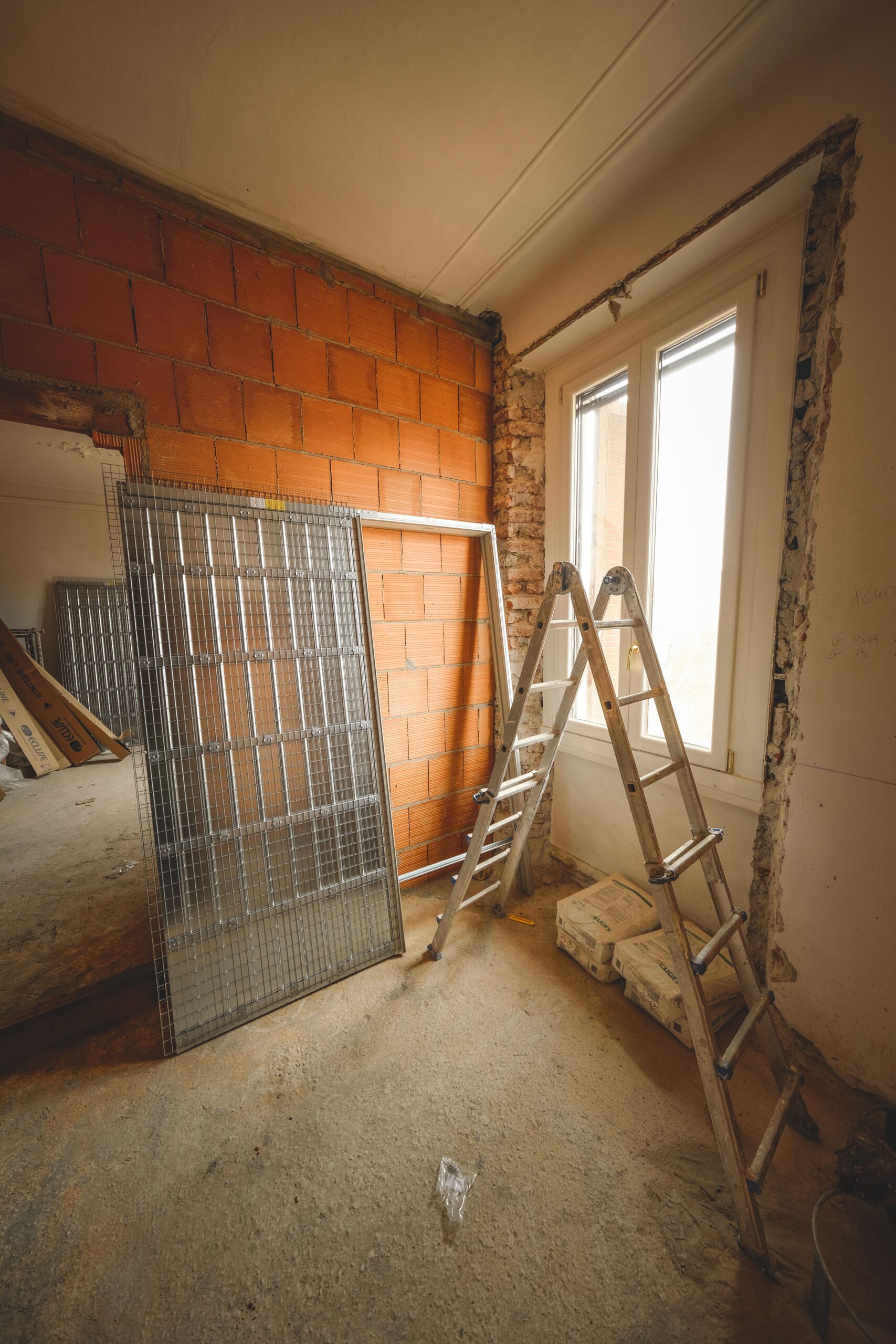
Final Word
A renovation done well gives you 2 things at once: a home whose style finally matches your family, whether traditional, contemporary, or fusion, and a building whose hidden services are honestly reset for the next 20 years. Decide the design direction first, lock the layout and storage plan before demolition, and layer your lighting while the ceiling is open. On money, plan home renovation costs per square foot in Bangalore around Rs 700 to Rs 1,400 for a refresh, Rs 1,500 to Rs 2,800 for the mainstream Comfort makeover, and Rs 3,500 plus for a full Signature rebuild, with a 10 to 15 percent contingency and GST counted from day 1.
If you are budgeting a specific home, my guides on 2 BHK renovation cost in Bangalore and interior design cost in Bangalore 2026 go deeper by home size. And when you are ready for a written, line item quotation with brands and GST on paper, my team at myNivasa is a call away. Let us renovate once, honestly, and enjoy it for decades.