
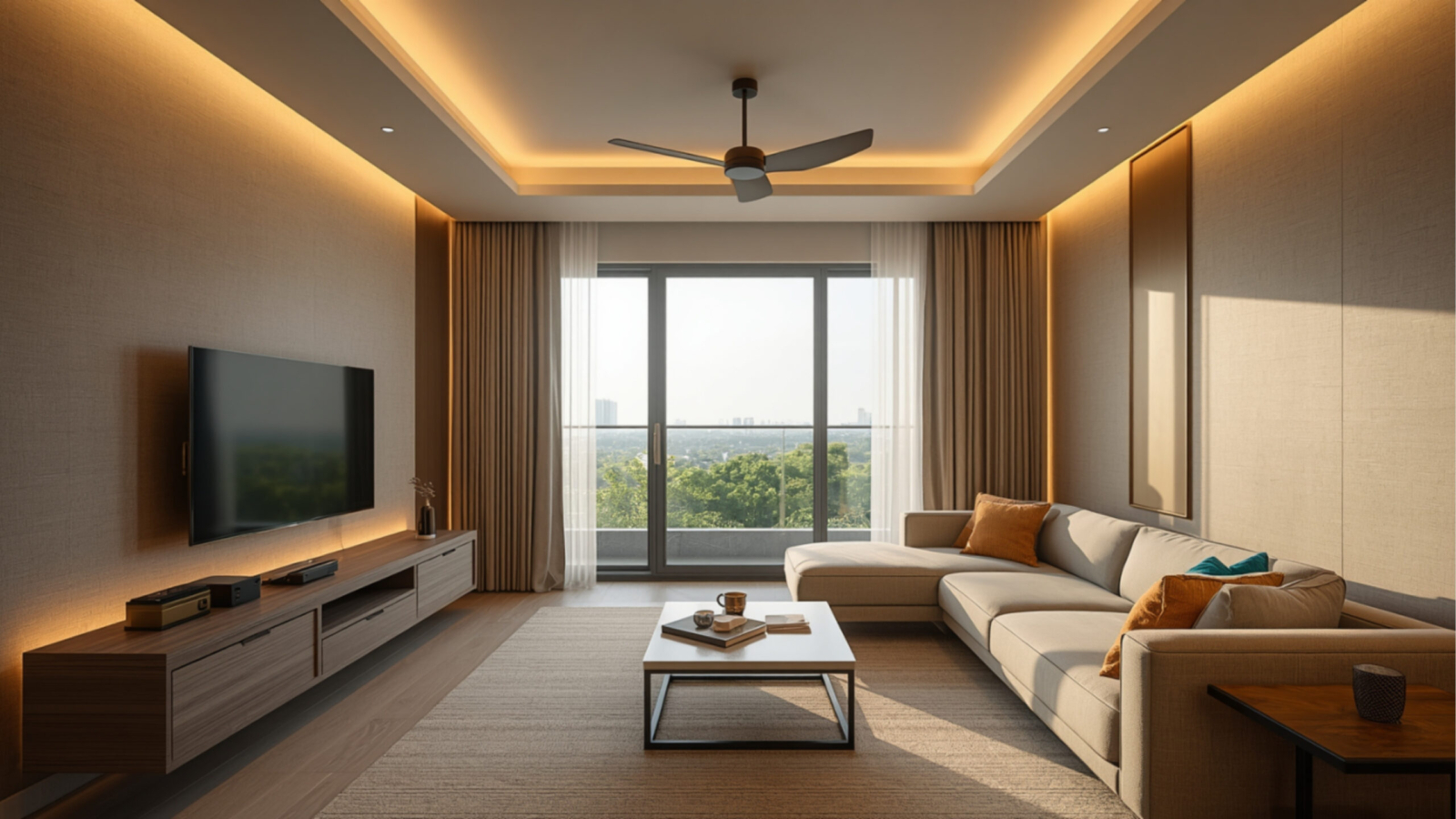
- What are interior designer fees and a turnkey project in Whitefield?
- An interior designer fee in Whitefield is the professional charge for design, drawings and project management, usually billed as 6 to 15 percent of project value, a flat fee, or a per sqft rate of Rs 30 to 350 depending on scope. A turnkey project is a single contract where one firm handles design, material procurement and execution end to end, with most 2BHK Whitefield homes landing between Rs 6 lakh and Rs 20 lakh and 3BHK homes between Rs 9 lakh and Rs 28 lakh for 2026.
In Whitefield, the design fee and the build cost are two separate things that homeowners often confuse. The design and management fee typically sits at 6 to 15 percent of project value, while the full turnkey build for a standard 2BHK apartment of about 1,000 to 1,200 sqft usually costs Rs 6 lakh to Rs 20 lakh across the Essential, Comfort and Signature tiers, plus 18 percent GST on works contracts.
Quick Takeaways
- Design fee models in Whitefield: percentage 6 to 15 percent, flat fee, or per sqft Rs 30 to 50 for 3D only and Rs 250 to 350 for design plus project management.
- Turnkey means one contract, one accountable team, from concept to handover, which is why most Whitefield apartment owners choose it.
- A 2BHK turnkey project in Whitefield commonly costs Rs 6 lakh to Rs 20 lakh, and a 3BHK Rs 9 lakh to Rs 28 lakh for 2026.
- Whitefield carpentry labour runs Rs 650 to 850 per day, lower than South Bengaluru, which keeps build costs competitive.
- Per sqft interior rates: Essential Rs 1,200 to 1,800, Comfort Rs 1,800 to 2,800, Signature Rs 2,800 to 5,000 plus.
- Works contract GST is 18 percent, and hidden costs like false ceiling, deep cleaning and site protection are often left out of low quotes.
- A standard 2 to 3 bedroom turnkey home takes about 10 to 12 weeks from approved design to handover.
- Style direction, traditional, contemporary or fusion, changes both the look and the final cost more than most people expect.
How much do interior designers charge in Whitefield?
Interior designers in Whitefield usually charge a design and management fee of 6 to 15 percent of the project value, or a per sqft rate of Rs 250 to 350 when design and execution oversight are bundled together. If you are budgeting for a complete home, plan for a turnkey range of Rs 6 lakh to Rs 20 lakh for a 2BHK and add 18 percent GST. The exact number depends on your apartment size, the finish tier you pick and how much built in carpentry your layout needs.
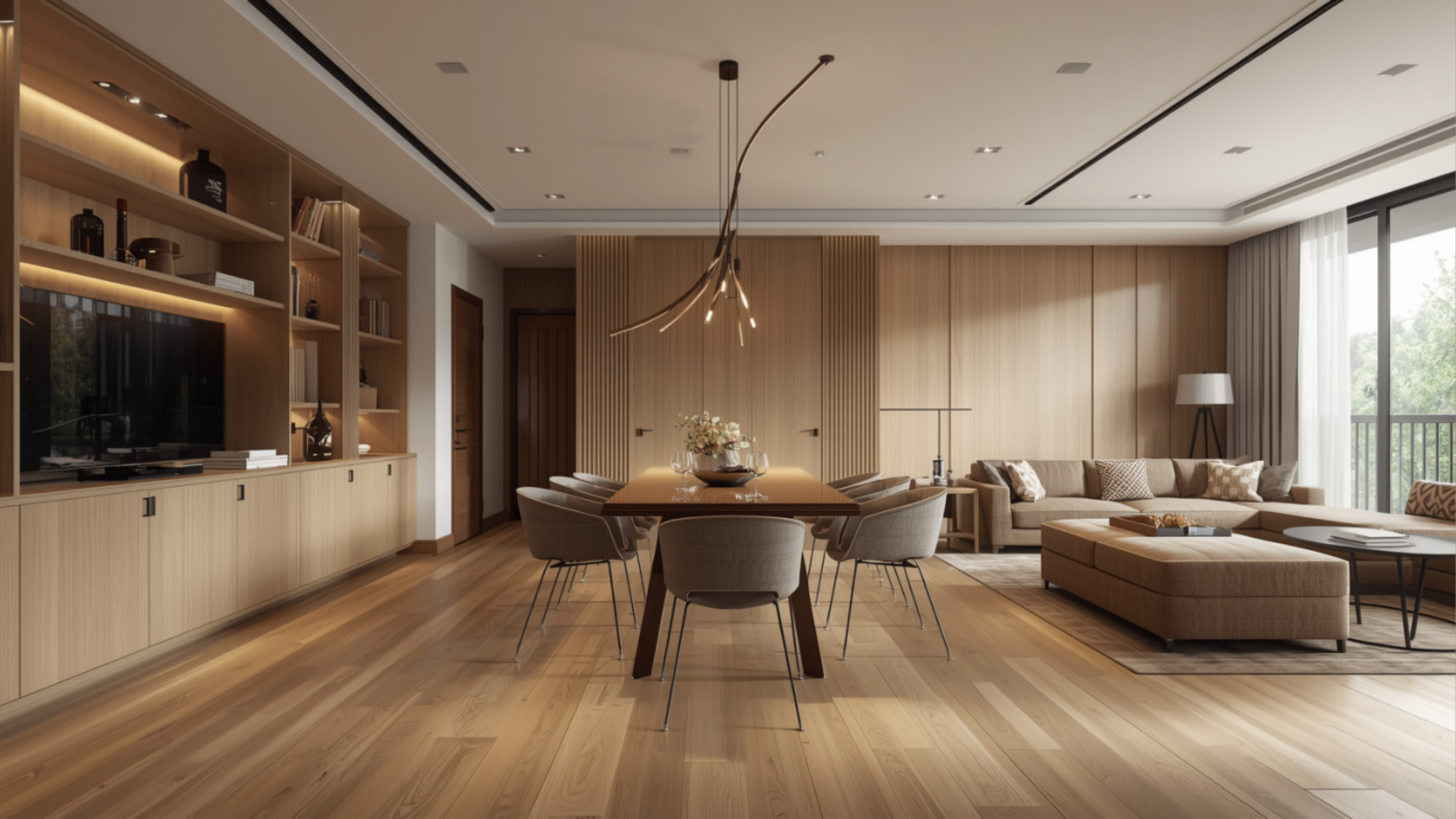
Interior Designer Fees in Whitefield: Cost and Fee Tiers at a Glance
| Tier | Per sqft rate | 2BHK turnkey (approx) | 3BHK turnkey (approx) | Best suited for |
|---|---|---|---|---|
| Essential | Rs 1,200 to 1,800 | Rs 6 lakh to 9 lakh | Rs 9 lakh to 13 lakh | First homes, rental ready, investor units |
| Comfort | Rs 1,800 to 2,800 | Rs 9 lakh to 14 lakh | Rs 13 lakh to 18 lakh | End use families wanting durable, well finished homes |
| Signature | Rs 2,800 to 5,000 plus | Rs 14 lakh to 20 lakh plus | Rs 18 lakh to 28 lakh plus | Premium apartments and villas, statement interiors |
These figures are turnkey build ranges that already absorb the designer fee inside the per sqft rate. When a designer charges a separate percentage fee instead, you should read the per sqft number as the build cost and add the 6 to 15 percent management fee on top.
In my Whitefield projects, the homes that stay on budget are almost always the ones where the fee model and the build scope were written down clearly on day one. Confusion about what the fee covers is the single biggest reason quotes feel like they keep growing.
What does an interior designer fee and turnkey project include in Whitefield?
When people in Whitefield ask me for my fee, they are usually asking two questions at once without realising it. The first is what I charge for my professional thinking, the design itself. The second is what the whole home will cost to actually build. A clear turnkey scope answers both in one document, and understanding what sits inside that document is the foundation of a project that does not drift.
The design fee covers the work you cannot see but cannot do without. That includes the discovery conversation about how your family lives, the space planning, the working drawings for carpenters and electricians, the 3D visualisation so you can walk through your home before a wall is touched, the material specification, and the coordination that keeps every vendor pulling in the same direction. In Whitefield this professional layer is typically billed as 6 to 15 percent of project value, or folded into a per sqft figure, or quoted as a flat fee once the brief is fixed.
The turnkey scope is everything that turns those drawings into a finished home. A complete Whitefield turnkey project usually includes modular kitchen cabinetry, wardrobes in every bedroom, a television and crockery unit, a pooja unit, false ceiling in selected areas, lighting layout and fixtures, painting, electrical and plumbing modifications, loose furniture where agreed, soft furnishing, deep cleaning, and final styling before handover. The defining feature is that one team is accountable for all of it. You are not chasing a separate carpenter, painter, electrician and furniture vendor, which is exactly why so many working professionals in Sobha Windsor, Prestige Evergreen and Brigade Woods prefer this route.
A good proposal document is where all of this becomes real, and I judge the seriousness of any firm by the quality of its proposal. A proper Whitefield turnkey proposal should name every room, list every unit with its dimensions, specify the carcass material and finish for each, name the hardware brand, state the false ceiling and painting coverage, show the lighting layout, and present the price both as a total and as a per sqft figure.
It should state the GST treatment, the payment milestones, the timeline, and the warranty on carpentry and hardware. When a proposal is this clear, a homeowner can make a confident decision and can hold the firm to exactly what was agreed. When a proposal is a single vague number on one page, that vagueness is a warning, because everything left unwritten becomes a negotiation later.
What a turnkey scope should also state clearly is what is excluded. Items like civil demolition beyond a certain area, premium imported fittings, smart home automation, and structural changes that need apartment association approval are common exclusions. A well written scope names these upfront so there are no awkward conversations later. When I hand a Whitefield client their proposal, the exclusion list is as detailed as the inclusion list, because clarity at the start is what protects the relationship at the end.
What affects the look, the feel and the final cost in Whitefield homes?
Six factors decide both how your Whitefield home looks and what it costs, and they are deeply linked. The first is carpet area. A larger apartment needs more flooring treatment, more cabinetry running feet and more lighting points, so cost scales almost directly with size. A 1,050 sqft 2BHK and a 1,650 sqft 3BHK in the same complex can sit two tiers apart in final price purely because of area.
The second factor is layout and the amount of built in carpentry. Carpentry is usually the largest single line in any Whitefield quote, often 45 to 55 percent of the total. A home that wants full height wardrobes, a large kitchen, a study unit and extensive storage will cost far more than one that keeps built ins lean and uses loose furniture. This is a design decision before it is a cost decision, and it is where good planning saves real money.
The third factor is the finish and material grade, which I cover in detail further down. The fourth is lighting. Layered lighting with cove lights, profile lighting and accent fixtures adds depth and makes a room feel considered, and it also adds to the electrical and false ceiling budget. The fifth is colour and surface treatment, where a textured feature wall or a wallpaper panel changes the mood of a room and the cost line together. The sixth is vastu and family specific requirements, which can dictate the position of the kitchen, the pooja space and the master bedroom, and therefore the plumbing and electrical routing.
On the cost side, these factors translate into hard numbers. In Whitefield, carpentry labour runs about Rs 650 to 850 per day, which is meaningfully lower than the Rs 900 to 1,200 per day common in Koramangala and South Bengaluru. That single difference is one reason a comparable home can be built more affordably in East Bengaluru.
Material choices then layer on top, and the gap between a laminate finish and a premium acrylic or veneer finish on the same wardrobe can be Rs 40,000 to 80,000 for one bedroom alone. The look you choose is never separate from the cost you pay, and an honest designer shows you both sides of that equation before you commit.
Traditional versus Contemporary versus Fusion: which suits your Whitefield home?
Style is the decision that gives your Whitefield home its character, and the three directions I most often present are traditional, contemporary and fusion. Each one carries a different mood, a different material palette and, importantly, a different cost behaviour.
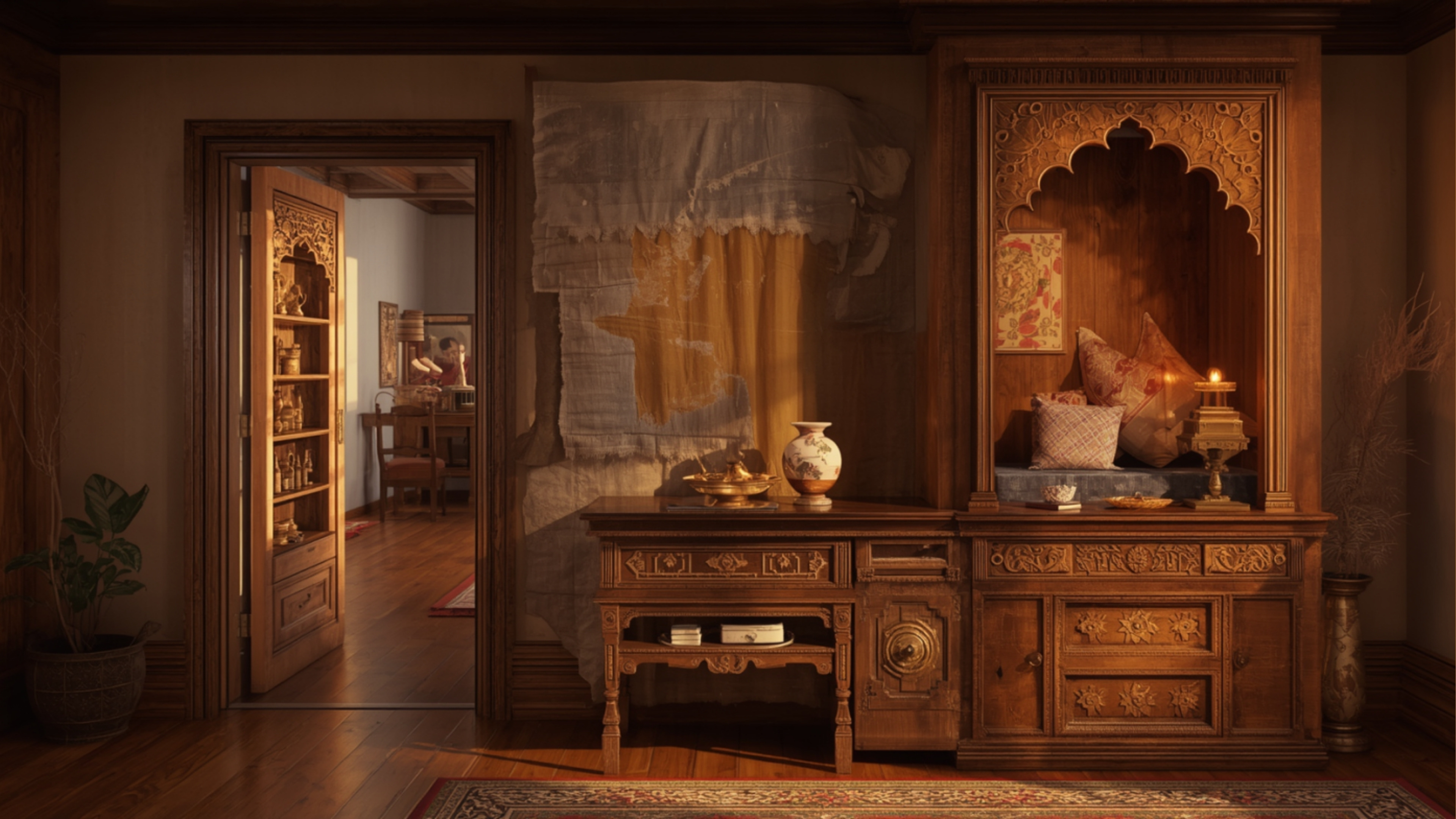
A traditional direction leans on warm wood tones, carved or beaded detailing, rich colour, brass and antique finished hardware, and often a dedicated pooja space with ornamental treatment. It feels rooted and familiar, and it suits families who want their home to carry a sense of heritage. Traditional work tends to be labour intensive because of the detailing, so it can push carpentry hours and cost upward even when the materials themselves are modest.
A contemporary direction is the most common choice in Whitefield apartments today. It favours clean lines, handleless cabinetry, neutral palettes with a single accent, large format tiles, and minimal ornamentation. It photographs beautifully and appears spacious, which matters in compartmentalised apartment layouts. Contemporary work can actually be efficient on cost when it keeps detailing simple, though premium handleless mechanisms and seamless finishes can move it into the Signature tier quickly.
A fusion direction blends the two, pairing a contemporary shell with selected traditional touches such as a carved console, a jaali partition, or a feature pooja unit. This is where I see the most satisfied Whitefield clients, because fusion lets a family keep the warmth they grew up with while enjoying a modern, low maintenance home. Cost wise, fusion sits between the two, since you invest in a few crafted statement pieces rather than detailing the whole home.
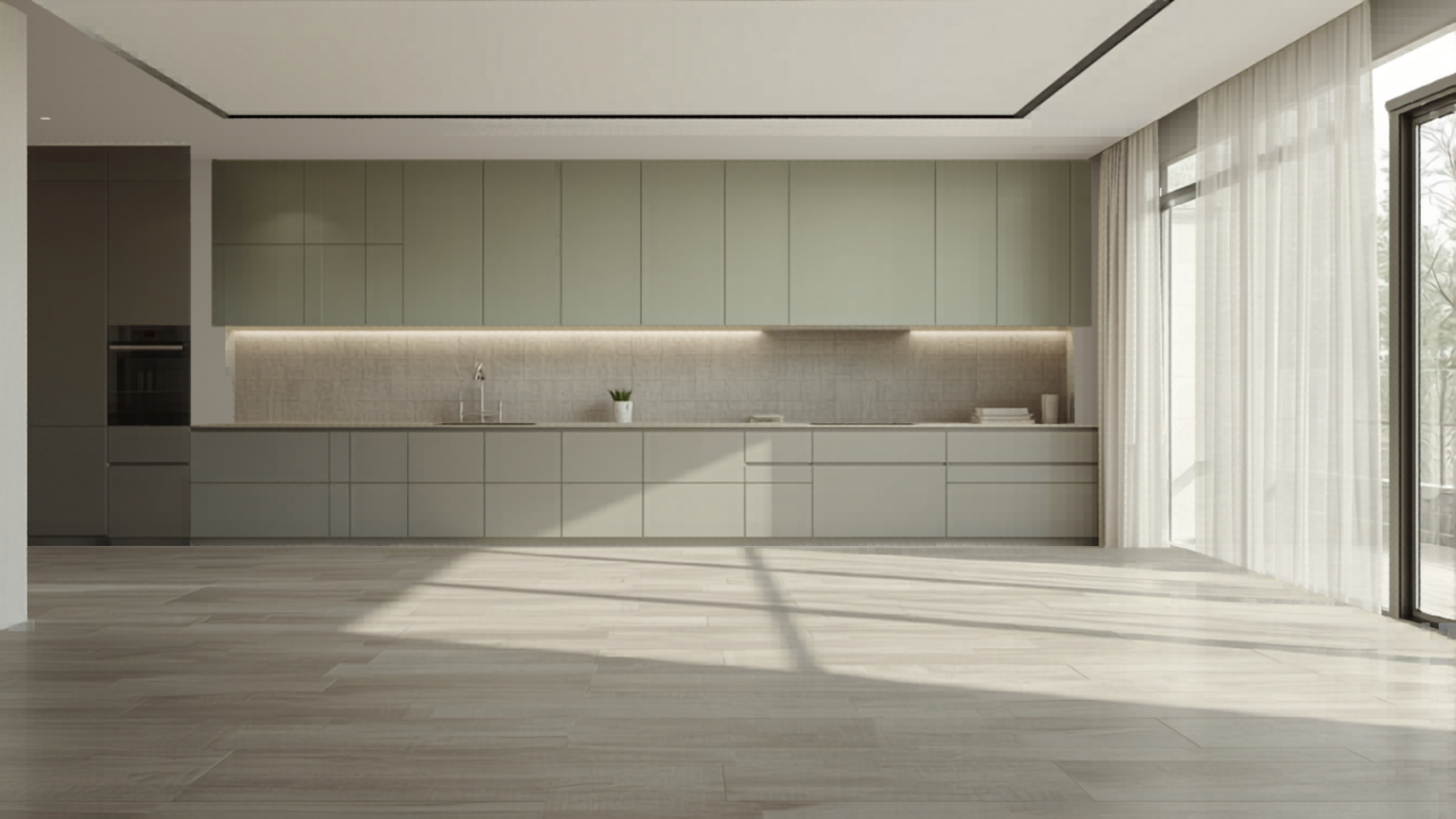
Material choices, durability and what they cost in Whitefield
Material is where look, durability and cost meet most directly, so this is the part of the conversation I never rush with a Whitefield client. The core carcass of your cabinetry is usually boiling water resistant plywood or HDHMR, and in Bengaluru humidity I strongly favour BWR grade ply or marine ply for kitchen and bathroom adjacent units. A good carcass is invisible but it is the difference between cabinetry that lasts fifteen years and cabinetry that sags in four.
On surfaces, your three broad choices are laminate, acrylic and veneer or PU. Laminate from brands like Century, Greenlam and Merino is the workhorse finish, durable, easy to clean and budget friendly. Acrylic gives a high gloss, seamless look that suits a contemporary Whitefield home and sits at a mid to premium price. Veneer and PU finishes bring natural wood warmth and a crafted feel, and they belong in the Signature tier. For hardware, German brands such as Hettich, Hafele and Blum, along with Indian options like Ebco, decide how your drawers and hinges feel every single day, and I always recommend not cutting corners here because hardware is what you touch most.
For paint, Asian Paints, Berger and Dulux cover the range from economy emulsion to premium washable finishes, and the price gap between a basic and a premium emulsion across a full apartment can be Rs 25,000 to 60,000. Flooring choices like vitrified tiles from Kajaria or Somany, and surfaces from Saint-Gobain glass to engineered stone countertops, each carry their own durability and cost trade off.
The point I make to every Whitefield family is simple. Spend on the things you use hard and touch often, the kitchen, the wardrobes and the hardware, and economise sensibly on surfaces that are decorative rather than functional. That balance is how you get a home that both looks right and lasts.
The Turnkey Process Step by Step in a Whitefield Home
A turnkey project succeeds or fails on process, not on promises, so let me walk you through exactly how a Whitefield home moves from an empty builder shell to a finished space. The first stage is discovery and briefing. This is not a quick phone call but a proper conversation about how your family lives, who uses each room and when, your material preferences, your budget ceiling, and your timeline.
In Whitefield I often meet families who have just taken possession in Sobha Windsor or Prestige Evergreen, and the discovery stage is where I learn whether they cook elaborately, whether they work from home, whether elderly parents will visit often, and whether children need study and play zones. Every later decision flows from this conversation, and the time invested here is what prevents expensive changes later.
The second stage is design development. I prepare concept boards, a detailed space plan, and full 3D visualisation so you can see your home before a single board is cut. This is the most important point at which to make changes, because moving a wardrobe on a drawing costs nothing while moving it after it is built costs real money and time. I encourage Whitefield clients to be demanding at this stage, to question every cabinet and every light point, because a design that is interrogated thoroughly on screen is a design that is built once and built right.
The third stage is material selection and procurement. Every material, from the plywood carcass to the laminate, the hardware, the countertop, the tiles and the lighting fixtures, is specified by brand and grade, then sourced and procured by my team. This is where vendor relationships matter, because a homeowner buying a single kitchen worth of hardware pays a very different price from a firm buying for many projects.
The fourth stage is execution, where carpentry, electrical work, plumbing modification, painting, flooring and lighting installation happen under continuous supervision. In Whitefield this stage must respect apartment association rules on working hours and service lift use, which a professional team plans around rather than fights against. The fifth and final stage is handover, where the home is deep cleaned, styled, and checked against a snag list before you receive the keys to a space that is ready to live in immediately.
Line Item Cost Breakdown for a Whitefield 2BHK
Homeowners trust a number far more when they can see what sits inside it, so here is how a representative Whitefield 2BHK turnkey budget of around Rs 11 lakh in the Comfort tier typically distributes across line items. The modular kitchen, including cabinetry, countertop, backsplash and accessories, usually takes Rs 2.5 lakh to 3.5 lakh and is the single largest line in most homes. Wardrobes across the two bedrooms commonly run Rs 2 lakh to 3 lakh depending on height and internal fittings. The living room units, comprising the television unit, crockery or display unit and any console, add roughly Rs 1.2 lakh to 1.8 lakh.
False ceiling and lighting together account for about Rs 1 lakh to 1.6 lakh, covering the gypsum or POP work and the fixtures that sit within it. Painting across the apartment is usually Rs 60,000 to 1.1 lakh depending on whether you choose a standard or premium emulsion and how many feature walls you add. Electrical and plumbing modifications add Rs 50,000 to 90,000, and a pooja unit, where required, is typically Rs 40,000 to 80,000.
Loose furniture, soft furnishing and curtains, if included, can add Rs 1 lakh to 2 lakh and are often where families choose to phase their spending. On top of all of this sits 18 percent GST on the works contract value, which is the line homeowners most often forget until it appears on the final invoice. Seeing the budget this way helps a Whitefield family decide where to invest and where to hold back, rather than treating the project as one intimidating lump sum.
Payment Milestones and How Whitefield Turnkey Billing Works
Cash flow discipline protects both the homeowner and the designer, so a fair Whitefield turnkey contract ties payments to milestones rather than to dates. A typical schedule takes a booking advance of about 10 percent to confirm the project and begin detailed design, followed by a larger payment of around 40 to 45 percent on design sign off and material procurement, since this is when the bulk of buying happens. A further 30 to 35 percent falls due at the mid execution stage when carpentry is substantially installed, and the final 10 to 15 percent is held until handover and snag closure.
I always advise Whitefield homeowners never to pay fully in advance and never to clear the final tranche before the snag list is closed, because that final retention is your strongest lever for quality. A milestone linked schedule keeps everyone honest. The designer is funded to buy and build, and the homeowner retains leverage until the work meets the agreed standard. When a quote asks for most of the money upfront with vague milestones, that is a signal to slow down and ask questions before signing.
Why Whitefield Costs Differ From the Rest of Bengaluru
Whitefield sits in East Bengaluru, anchored by the IT corridor around ITPL and Hope Farm, and its cost profile is genuinely different from South Bengaluru localities like Koramangala and Jayanagar. The clearest difference is labour. Carpentry in Whitefield runs about Rs 650 to 850 per day, while the same trade in Koramangala commands Rs 900 to 1,200 per day, and since carpentry is roughly half of any interior budget, this gap flows straight to your bottom line. For a family choosing between localities, a comparable home can simply be more affordable to build in Whitefield.
The second difference is the housing stock itself. Whitefield is dominated by large, relatively new apartment complexes such as Sobha Windsor, Prestige Evergreen, Brigade Woods and the developments around Nagondanahalli and Hope Farm, which means most projects start from a clean builder handover rather than an old home that needs demolition. That keeps civil work low and makes turnkey scoping cleaner.
The third difference is logistics. Mature complexes have established service lift access and clear working hour rules, which a professional team can plan around to avoid delays. Together these factors make Whitefield one of the more predictable and cost efficient places in Bengaluru to take on a full home interior, provided you work with a team that knows the locality.
Family Scenarios: Matching Your Whitefield Home to How You Live
The same Whitefield apartment serves very different families, and the right design and budget follow from how you actually live rather than from a template. A young working couple in a 2BHK often wants a contemporary, low maintenance home with a compact but efficient kitchen, a strong work from home corner, and a guest bedroom that doubles as a study. For this family I keep built ins lean, invest in good lighting and a few statement pieces, and the project usually settles comfortably in the Essential to Comfort band, around Rs 7 lakh to 11 lakh.
For more on this, see Find the Perfect Interior Designer Near You.
A growing family with young children has different priorities. Storage becomes the central concern, surfaces need to be wipe clean and durable, and the layout has to allow children to play within sight of the kitchen. Here I plan generous wardrobe and toy storage, choose tougher laminate finishes, and design a flexible space that can evolve as the children grow, which tends to push the project into the Comfort tier.
A multi generational family with visiting or resident elders needs yet another approach, with attention to a comfortable, accessible bathroom, a well defined pooja space, seating that is easy to rise from, and clear, even lighting that helps older eyes. Naming your scenario honestly at the start is what lets a designer build the right home rather than a generic one, and it is the single most useful thing you can bring to the discovery conversation.
Decision Framework: How to Plan Your Whitefield Interior Budget
When a Whitefield family feels overwhelmed by choices, I give them a simple decision framework that brings order to the process. Begin with your total ceiling, the maximum you are willing to invest including GST and a buffer, and treat it as fixed. Next, divide your home into must have, should have and nice to have. The kitchen and the master bedroom wardrobe are almost always must haves. The living room units and children's bedroom storage are usually should haves. A bar unit, an elaborate foyer or a balcony makeover are typically nice to haves that can wait for a later phase.
With that priority order, allocate roughly half your budget to the must haves, a third to the should haves, and keep the rest as a buffer and for nice to haves. This protects you from the common trap of spending lavishly on the first room you design and then running short for the bedrooms. The framework also makes phasing easy.
Many Whitefield families complete the kitchen, wardrobes and core living areas in the first phase and add the decorative and optional elements once they have lived in the home for a few months and understand how they really use it. A budget planned this way bends without breaking, and it keeps the project enjoyable rather than stressful.
Design Fee Models Explained: How Whitefield Designers Actually Bill
Understanding the fee model is the most empowering thing a Whitefield homeowner can do, because the same home can be priced four different ways. The percentage model charges 6 to 15 percent of the total project value. It aligns the designer with quality, since a richer project earns a larger fee, but it asks for trust, so it works best when you already know the firm. The flat fee model fixes a single design charge once the brief is locked, which gives you the most budget certainty and is my preferred starting point for first time clients who want to know their number on day one.
The per sqft model is the most transparent for comparison shopping. A pure 3D and drawing service can be Rs 30 to 50 per sqft, while a full design plus project management engagement is more like Rs 250 to 350 per sqft. The hourly model, at Rs 1,000 to 5,000 per hour, suits small consultations rather than full homes. In a turnkey project, the design fee is usually absorbed into the overall per sqft build rate, which is why a turnkey quote can look simpler. There is no separate fee line, but the design value is still inside it, and a good designer will happily show you that breakup if you ask.
Vastu and Layout Principles for Whitefield Apartments
Many Whitefield families come to me with vastu as a non negotiable, and I treat it as a respected planning input rather than an afterthought. Traditional vastu principles place the kitchen in the south east, the master bedroom in the south west, the pooja space in the north east, and prefer the main entrance in the north or east where the apartment allows. In a fixed apartment shell you cannot move walls freely, so the craft is in honouring these principles within the given layout through the placement of cabinetry, mirrors, and the direction a person faces while cooking or working.
Layout planning for Whitefield apartments is mostly about circulation and storage. The most common request I receive is to make a compartmentalised builder layout feel open and connected. I do this by keeping sight lines clear, using the entry foyer for shoe and utility storage, and designing the living and dining as one continuous zone. Good layout planning is invisible when it works. You simply feel that the home flows, and you never run out of a place to put things.
When the builder layout does not perfectly match a vastu preference, I rely on practical remedies that work within an apartment shell. If the cooking direction is not ideal, the position of the hob within the counter can be adjusted so the cook faces a preferred direction. If the pooja space cannot sit in the north east, a dedicated, well treated unit on a suitable wall serves the purpose with dignity.
Mirrors, the placement of heavy storage along the south and west, and keeping the north east light and uncluttered are all gentle adjustments that respect tradition without demanding structural change. I treat vastu as a planning input to be honoured thoughtfully, not as a source of fear, and most Whitefield families find this balanced approach reassuring.
Storage Solutions That Work in Whitefield Homes
Storage is the quiet hero of every successful apartment interior. In Whitefield homes I plan storage in three layers. The first is the obvious built in storage, full height wardrobes, kitchen tall units and overhead cabinets, which carry the bulk of your belongings. The second is the hidden storage that uses otherwise wasted volume, such as box beds, seating with lift up storage, and the area above the false ceiling line for seasonal items. The third is the everyday storage that keeps surfaces clear, like cutlery organisers, pull out pantry units and wardrobe internal accessories.
The lesson I share with every family is that storage planned at the design stage costs a fraction of storage added later. Retrofitting a loft or a pull out unit after handover means new hardware, fresh carpentry and disruption, whereas designing it in from the start simply uses material you were buying anyway. This is one more reason a turnkey approach pays off, because storage is planned holistically rather than piece by piece.
Room by room, the storage logic is straightforward once you name it. The entry foyer should hold shoes, keys and umbrellas so the chaos of arrival never spreads into the living room. The kitchen needs tall pantry storage, deep drawers for utensils and a dedicated space for the growing collection of appliances every Indian kitchen accumulates.
The bedrooms need full height wardrobes with a mix of hanging, shelving and drawer space, and a loft above for suitcases and seasonal bedding. The living room benefits from a unit that hides cables and clutter while displaying the few things you want on show. When each room carries its own load, the whole home feels calm, and a calm home is the quiet luxury that good storage delivers.
Lighting Layers That Add Depth to a Whitefield Interior
Lighting is what makes a finished home feel considered rather than merely built. I design Whitefield interiors with three layers of light. Ambient light is the general illumination that lets you move through a room comfortably. Task light is the focused light you need at the kitchen counter, the study table and the wardrobe interior. Accent light is the decorative layer, the cove lighting, the profile lighting under a counter, and the picture lights that create a warm, cosy atmosphere in the evening.
Layered lighting adds depth and makes even a compact apartment appear larger and more inviting. The cost sits mostly in the false ceiling work that hides cove lighting and in the fixtures themselves, so it is a place where the tier you choose shows up clearly. An Essential tier home keeps lighting simple and effective, while a Signature tier home uses light as a design material in its own right. Either way, I plan the wiring for it early, because adding lighting circuits after the ceiling is closed is expensive and messy.
Going room by room makes the lighting plan concrete. In the living and dining, I combine soft ambient light with a feature pendant over the dining table and discreet accent lights to highlight a wall or a unit, which together create a warm, welcoming evening atmosphere. In the kitchen, under cabinet task lighting on the counter is the detail that makes daily cooking genuinely easier and the space feel finished.
In bedrooms, I favour a layered scheme with a gentle ambient layer, bedside reading lights, and a wardrobe interior light, so the room can shift from bright and practical to calm and restful as the day winds down. Dimmable circuits in the main rooms add flexibility for very little extra cost, and they let a single room serve many moods, which is exactly what a modern Whitefield home needs.
Colour Schemes for a Cosy, Spacious Whitefield Home
Colour is the most personal decision in any home, and in Whitefield apartments I usually steer families toward a calm base with a confident accent. A light, neutral base on the walls makes a room appear more spacious and lets your furniture and art stand out, while a single accent wall or a deeper toned soft furnishing brings warmth and personality. Warm tones in the living and dining create a cosy, welcoming feel, and cooler, restful tones in the bedrooms support a calm visual impression at the end of a long day.
The practical guidance I give is to let the largest surfaces stay quiet and the smallest surfaces carry the boldness. Walls and flooring are expensive to change, so keeping them timeless protects your investment, while cushions, curtains and a feature wall are inexpensive to refresh when your taste evolves. This approach gives a Whitefield home a look that feels current today and still feels right five years from now.
In practice, I anchor most Whitefield homes on a warm neutral base of soft white, greige or a muted beige, then layer in personality through one or two accents drawn from the family's taste. A deep teal, a terracotta, a forest green or a warm mustard can each transform a room as a single feature wall or as the tone of the soft furnishing, without committing the whole home to a colour that may date.
For the kitchen, I usually keep the base cabinetry calm and let the backsplash or the tall unit carry a confident shade. For children's rooms, I keep the permanent surfaces neutral and let the easily changed elements, the bedding, a pinboard, a rug, carry the playful colour that children outgrow quickly. This discipline is what keeps a home looking intentional rather than busy, and it is gentle on the budget because the boldest elements are also the cheapest to change.
Cost Reality by Tier: Essential, Comfort and Signature in Whitefield
This is the section every Whitefield homeowner reads twice, so let me be precise. In the Essential tier, a 2BHK turnkey project of about 1,000 to 1,100 sqft typically lands between Rs 6 lakh and Rs 9 lakh. This uses BWR ply carcasses with quality laminate finishes, standard Indian hardware, essential false ceiling, and a clean, functional design. It is the right choice for a first home, a rental ready unit, or an investor apartment, and a real Whitefield 2BHK of around 1,050 sqft can be delivered close to the Rs 6.8 lakh mark when the scope is kept disciplined.
The Comfort tier, at Rs 9 lakh to 14 lakh for a 2BHK, is where most end use families settle. It brings a mix of laminate and acrylic finishes, branded German hardware, fuller false ceiling and lighting, better flooring and more generous storage. The Signature tier, from Rs 14 lakh to 20 lakh and beyond for a 2BHK, introduces veneer and PU finishes, premium imported fittings, statement lighting and bespoke detailing.
For 3BHK homes, the same tiers move to roughly Rs 9 lakh to 13 lakh, Rs 13 lakh to 18 lakh, and Rs 18 lakh to 28 lakh respectively. Across thirty plus completed projects in East Bengaluru including Whitefield, the most popular real world investment band sits at Rs 10 lakh to 16 lakh, which is squarely in the Comfort tier. On a per sqft basis, that maps to Rs 1,200 to 1,800 for Essential, Rs 1,800 to 2,800 for Comfort, and Rs 2,800 to 5,000 plus for Signature.
Hidden Costs Whitefield Homeowners Should Budget For
The quotes that look too good are usually the ones missing the items below, so I list them openly for every client. The first hidden cost is GST. A turnkey contract is generally treated as a works contract and attracts 18 percent GST on the contract value, which on a Rs 12 lakh project is Rs 2.16 lakh that must be in your plan from the start. The second is false ceiling and electrical modification, often quoted thin in cheap proposals and then revised upward once work begins.
Other commonly omitted costs include site protection and debris removal, deep cleaning before handover, loose furniture and curtains if you assumed they were included, appliance and chimney costs in the kitchen, painting of areas outside the carpentry scope, and apartment association charges for using the service lift and working hours in complexes like Prestige Evergreen and Brigade Woods. None of these are unusual, but they add up to a meaningful sum, often 10 to 15 percent over a bare quote. The honest way to budget a Whitefield home is to assume these exist and ask your designer to either include them or name them as exclusions in writing.
There are also softer costs that rarely appear on any quote but affect your real spend. If you are paying rent elsewhere while the work is on, every week of delay is a week of double housing cost, which is why a reliable 10 to 12 week timeline has real money value. Material price movement through the year can shift a quote that is held open too long, so a quote should carry a validity period.
And changes you request mid execution, however small they feel, carry both a cost and a time penalty because they disrupt a planned sequence. I am candid with every Whitefield family about these realities, because a budget that accounts for them is a budget that survives contact with the real project, and a homeowner who understands them makes calmer, better decisions throughout the build.
Sample Budget Scenarios for Whitefield Homes
Real numbers make the tiers concrete, so here are three worked Whitefield budgets I see often. Take a 1,050 sqft 2BHK in the Essential tier. The kitchen runs about Rs 2 lakh, the two wardrobes about Rs 2.2 lakh, the living room units about Rs 1.2 lakh, false ceiling and lighting about Rs 80,000, and painting about Rs 60,000, with electrical, a small pooja unit and miscellaneous adding around Rs 80,000.
That totals roughly Rs 7.5 lakh before tax, and with 18 percent GST of about Rs 1.35 lakh the all in figure is close to Rs 8.85 lakh. A disciplined scope can bring the pre tax base down toward Rs 6.5 lakh for a leaner home.
Now take the same 2BHK in the Comfort tier. The kitchen rises to about Rs 3 lakh with better hardware and an acrylic finish, wardrobes to about Rs 2.8 lakh, living units to about Rs 1.6 lakh, false ceiling and lighting to about Rs 1.3 lakh, and painting to about Rs 90,000, with electrical, pooja and extras at around Rs 1.1 lakh.
That base is roughly Rs 10.9 lakh, and with GST of about Rs 1.96 lakh the all in number is close to Rs 12.9 lakh. For a 1,500 sqft 3BHK in the Comfort tier, the same logic scales the base to roughly Rs 14 lakh to 16 lakh, taking the all in figure with GST to about Rs 16.5 lakh to 19 lakh. Seeing the arithmetic this way lets a Whitefield family pick a tier with eyes open, rather than reacting to a single headline number.
Cost Saving Strategies That Do Not Cut Quality
Saving money on a Whitefield interior is not about buying cheaper, it is about buying smarter, and the savings are real. The first strategy is to phase the project. Complete the kitchen, the wardrobes and the core living area first, which is usually 70 to 75 percent of the spend, and add the optional units, the study, the bar, the balcony, in a later phase once you have lived in the home. This spreads a Rs 13 lakh project over two financial years without compromising the parts you use daily.
The second strategy is to keep built ins where they earn their cost and use loose furniture elsewhere. A built in wardrobe is worth it, but a built in sofa rarely is when a good loose sofa costs less and can move with you. The third is to match material to use. Spend on the BWR carcass and the German hardware that you rely on every day, and choose a smart laminate over a premium acrylic on a low traffic wardrobe to save Rs 40,000 to 60,000 per room without anyone noticing.
The fourth is to lock the design fully before execution begins, because mid project changes are the most expensive money you will ever spend, often costing two to three times what the same decision would have cost on the drawing. Used together, these strategies can trim 10 to 20 percent off a Whitefield budget while keeping the home every bit as durable and good looking.
Why Whitefield Families Choose myNivasa for Turnkey Interiors
I built myNivasa around a simple promise, that a family should know what they are paying for and should get exactly that. In Whitefield, where so many of my clients are working professionals with little time to coordinate vendors, the turnkey model removes the stress of managing a build. One team, one contract, one point of accountability, from the first discovery conversation to the final styling before you turn the key.
For more on this, see Interior Designer in Whitefield: myNivasa Architect Designs.
What sets my Whitefield work apart is the clarity of the proposal and the discipline of the execution. Every inclusion and exclusion is written down, every material is specified by brand and grade, and every milestone is tied to a clear timeline of about 10 to 12 weeks for a standard apartment. I keep my carpentry on competitive Whitefield labour rates without compromising on the carcass and hardware that decide how long your home lasts. Families do not just want a beautiful home, they want a fair process, and that is what I protect on every project.
Comparison Tables: Fee Models and Tier Inclusions
| Fee model | Typical Whitefield rate | Budget certainty | Best for |
|---|---|---|---|
| Percentage of project | 6 to 15 percent | Medium | Larger, premium homes with a trusted firm |
| Flat design fee | Rs 50,000 to 5 lakh | High | First time clients wanting a fixed number |
| Per sqft (3D only) | Rs 30 to 50 | High | Drawings only, self managed build |
| Per sqft (design plus PM) | Rs 250 to 350 | High | Design with execution oversight |
| Turnkey (fee inside build) | Rs 1,200 to 5,000 per sqft | High | Complete, hands off home delivery |
| Inclusion | Essential | Comfort | Signature |
|---|---|---|---|
| Cabinet carcass | BWR ply | BWR or marine ply | Marine ply |
| Surface finish | Laminate | Laminate plus acrylic | Acrylic, veneer, PU |
| Hardware | Quality Indian (Ebco) | German (Hettich, Hafele) | Premium German (Blum) |
| False ceiling and lighting | Essential areas | Most areas, layered | Full, designed lighting |
| 2BHK price band | Rs 6 to 9 lakh | Rs 9 to 14 lakh | Rs 14 to 20 lakh plus |
Watch: Understanding Turnkey Interior Costs
The short video below explains how turnkey interior pricing is built up in Bengaluru, which is useful context before you read any Whitefield quote.
Kitchen and Wardrobe Deep Dive for Whitefield Apartments
The kitchen and the wardrobes are the two areas where Whitefield families spend the most and use the most, so they deserve a closer look. In the kitchen, the layout you can achieve depends on the builder shell. Most Whitefield apartments offer an L shaped or parallel kitchen, and occasionally a U shape in larger 3BHK units. The base unit carries your daily storage and the tall unit holds the refrigerator, oven and pantry, while the wall units sit above the counter.
The single biggest decision is the countertop, where quartz and granite are the practical choices for an Indian kitchen because they resist heat, stains and daily wear far better than softer surfaces. The second is the shutter finish, where a membrane or laminate shutter serves the Essential and Comfort tiers well, and acrylic or PU belongs in Signature kitchens.
The cost of a Whitefield kitchen scales with running feet and finish. A compact, well planned kitchen in the Comfort tier typically lands at Rs 2.5 lakh to 3.5 lakh, while a larger Signature kitchen with premium hardware, a tall pantry bank and engineered stone can cross Rs 5 lakh comfortably. Hardware is where I urge families never to economise, because soft close hinges and full extension channels from Hettich, Hafele or Blum are what make a kitchen feel good every single day for the next decade.
For wardrobes, the choice between a hinged and a sliding door changes both the look and the cost. Hinged wardrobes give you full internal access and are more economical, while sliding wardrobes save circulation space in a tight Whitefield bedroom and carry a premium for the channel mechanism. Internal fittings, drawers, pull out trouser racks and dedicated accessory storage, are what separate a wardrobe you love from a wardrobe you simply tolerate.
Common Mistakes Whitefield Homeowners Make
After many years of Whitefield projects, I see the same avoidable mistakes again and again, and naming them helps families sidestep them. The first is comparing quotes only on the bottom line without comparing scope. A Rs 8 lakh quote and a Rs 11 lakh quote are not really comparable until you check the carcass grade, the hardware brand, the false ceiling extent and whether GST and loose furniture are included. The cheaper quote is often cheaper precisely because it quietly leaves things out, and those things reappear as cost later.
The second mistake is over investing in built in carpentry for a home you may not live in for long, or under investing in storage for a home you will keep for decades. Matching the spend to your time horizon is one of the most useful conversations a designer can have with you. The third mistake is leaving lighting and electrical decisions until late, after the false ceiling design is frozen, which forces compromises.
The fourth is ignoring the apartment association rules until execution begins, only to discover restrictions on working hours or material movement that delay the project. The fifth, and perhaps the most common, is rushing the design stage to start work sooner. Every hour saved by rushing the drawing is paid back many times over in changes during execution. A patient design stage is the cheapest insurance you can buy.
How to Compare Two Whitefield Interior Quotes Fairly
When a Whitefield family brings me two competing quotes, I teach them to read past the headline number, because a fair comparison is the only way to know which is genuinely better value. Start by lining up the scope. Does each quote cover the same rooms, the same number of wardrobes, the same kitchen extent, and the same false ceiling coverage. A quote that excludes the second bedroom wardrobe or the pooja unit will obviously look cheaper while delivering less.
Next, compare the specification line by line. Check the carcass material, whether it is BWR ply, marine ply or the cheaper MDF, because this single choice affects how long your home lasts. Check the hardware brand, the laminate brand and the countertop material, since these are where corners are most often cut invisibly. Then check the commercial terms. Is GST included or added later, is loose furniture in or out, and what does the payment schedule look like.
Finally, weigh the intangibles, the clarity of the proposal, the quality of the 3D visualisation, and the track record of completed Whitefield projects. The right quote is rarely the cheapest and rarely the most expensive. It is the one where the scope, the specification and the price line up honestly, and where you trust the team to stand behind the work.
Week by Week: What to Expect During Your Whitefield Project
Knowing what happens each week removes the anxiety that homeowners feel during a build, so here is a realistic timeline for a standard Whitefield apartment. Weeks one to three are the design phase, where we complete discovery, space planning, 3D visualisation and final sign off, and where you make all your major decisions while changes are still free. This phase ends only when you are genuinely happy, because everything downstream depends on it.
Weeks four to ten are the execution phase. Early in this window, site protection goes up, electrical and plumbing modifications happen, and any false ceiling framework begins. The middle weeks are dominated by carpentry, as the factory made or site built cabinetry is installed, followed by painting once the dust generating work is complete. The later weeks bring flooring touch ups, lighting installation, hardware fitting and the appliance integration in the kitchen.
Weeks eleven and twelve are the finishing phase, where soft furnishing goes in, the home is deep cleaned, a snag list is prepared and closed, and final styling brings the space to life before handover. Throughout, a professional team keeps you updated with progress photographs and a clear view of the next milestone, so you are never left wondering where your home and your money stand.
Frequently Asked Questions
What is the difference between an interior designer fee and a turnkey project cost in Whitefield?
The designer fee is the charge for design and project management only, while the turnkey cost is the complete price to design and build your home end to end. In a turnkey project the design fee is usually included inside the overall build rate rather than billed separately.
What does a turnkey interior project in Whitefield include?
A typical Whitefield turnkey project includes the modular kitchen, wardrobes, TV and crockery units, a pooja unit, false ceiling, lighting, painting, electrical and plumbing modifications, agreed loose furniture, soft furnishing, deep cleaning and final styling, all managed by one accountable team.
How long does a turnkey interior project take in Whitefield?
A standard 2 to 3 bedroom apartment usually takes about 10 to 12 weeks from approved design to handover, including 2 to 3 weeks for design, 6 to 8 weeks for execution and 1 to 2 weeks for finishing and styling.
Is contemporary or traditional style better for a Whitefield apartment?
Contemporary suits most Whitefield apartments because its clean lines make compact layouts appear spacious, while traditional suits families wanting heritage warmth. A fusion direction, a contemporary shell with selected traditional touches, is the most popular middle path among my Whitefield clients.
Which materials should I prioritise spending on in a Whitefield home?
Spend on the cabinet carcass, choosing BWR or marine ply for humidity resistance, and on hardware from brands like Hettich, Hafele or Blum, because these decide durability and daily feel. You can economise sensibly on decorative surfaces that are easy to refresh later.
How much does a 2BHK turnkey interior cost in Whitefield in 2026?
A 2BHK turnkey interior in Whitefield typically costs Rs 6 lakh to 9 lakh in the Essential tier, Rs 9 lakh to 14 lakh in the Comfort tier, and Rs 14 lakh to 20 lakh or more in the Signature tier for 2026, before 18 percent GST.
Do interior designer fees in Whitefield attract GST?
Yes. A turnkey interior contract is generally treated as a works contract and attracts 18 percent GST on the contract value. On a Rs 12 lakh project that is about Rs 2.16 lakh, so it should be planned into your budget from the very beginning.
What hidden costs should I budget for in a Whitefield interior project?
Common hidden costs include 18 percent GST, false ceiling and electrical revisions, site protection and debris removal, deep cleaning, loose furniture and curtains, kitchen appliances, and apartment association charges. Together these can add 10 to 15 percent over a bare quote, so ask for them to be included or named as exclusions in writing.
Limitations and Assumptions
The figures in this guide are 2026 market ranges for Whitefield apartments based on my project experience and current Bengaluru pricing, and they are meant for planning rather than as a fixed quote. Actual costs vary with apartment size, the exact scope of carpentry, brand selections, and the state of the builder handover. GST treatment can vary with how a contract is structured, so confirm the applicable rate with your provider. Brand prices move through the year, and association rules differ between complexes, so always validate the specifics against a site measured proposal for your own home.
Before you finalise any firm, read my complete method on how to choose an interior designer near you in Bengaluru in 2026, including the 10 question first meeting interview and a sample line item BOQ.
Sources and References
- RERA Karnataka for registered project and builder information.
- Bureau of Indian Standards (BIS) for plywood and material grade standards.
- NoBroker turnkey interior guide for Bengaluru market context.
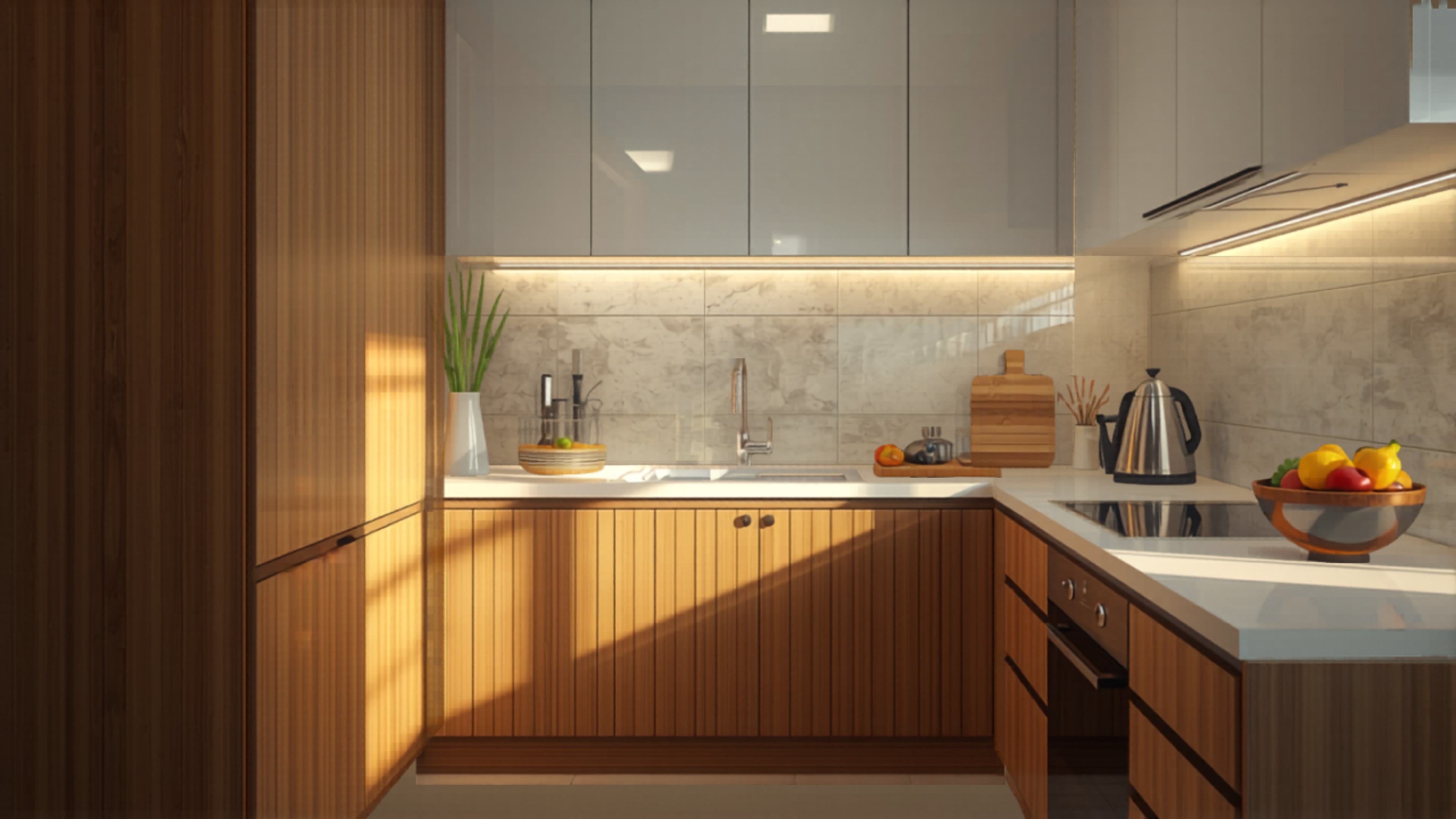
Final Word
If you take one thing from this guide, let it be that the design fee and the build cost are two different conversations, and a good Whitefield project keeps both of them honest and written down. On the design side, decide early whether a percentage, a flat fee or a turnkey rate suits you, and choose the style direction, traditional, contemporary or fusion, that fits how your family actually lives.
On the cost side, plan realistically for the Comfort tier where most Whitefield families land, which is roughly Rs 9 lakh to 14 lakh for a 2BHK and Rs 13 lakh to 18 lakh for a 3BHK, and remember to add 18 percent GST and a 10 to 15 percent buffer for the hidden items that low quotes leave out. A home built on a clear scope and a fair number is a home you enjoy without regret. If you would like a site measured turnkey proposal for your Whitefield apartment, my team at myNivasa is ready to help you turn the key on a home that looks right and lasts.
Related reading: Interior Design Cost in Bangalore 2026 | 2BHK Interior Cost in Bellandur 2026 | Living Room Design Ideas for Whitefield 2026 | Modular Kitchen Cost in Whitefield 2026
Planning a refresh instead of a full turnkey build? See our guide to 2BHK home renovation cost in Bangalore 2026.